Ancient Lato, Crete
Discover One of the Best-Preserved Ancient Cities
Ancient Lato, Crete – Discover One of the Best-Preserved Ancient Cities
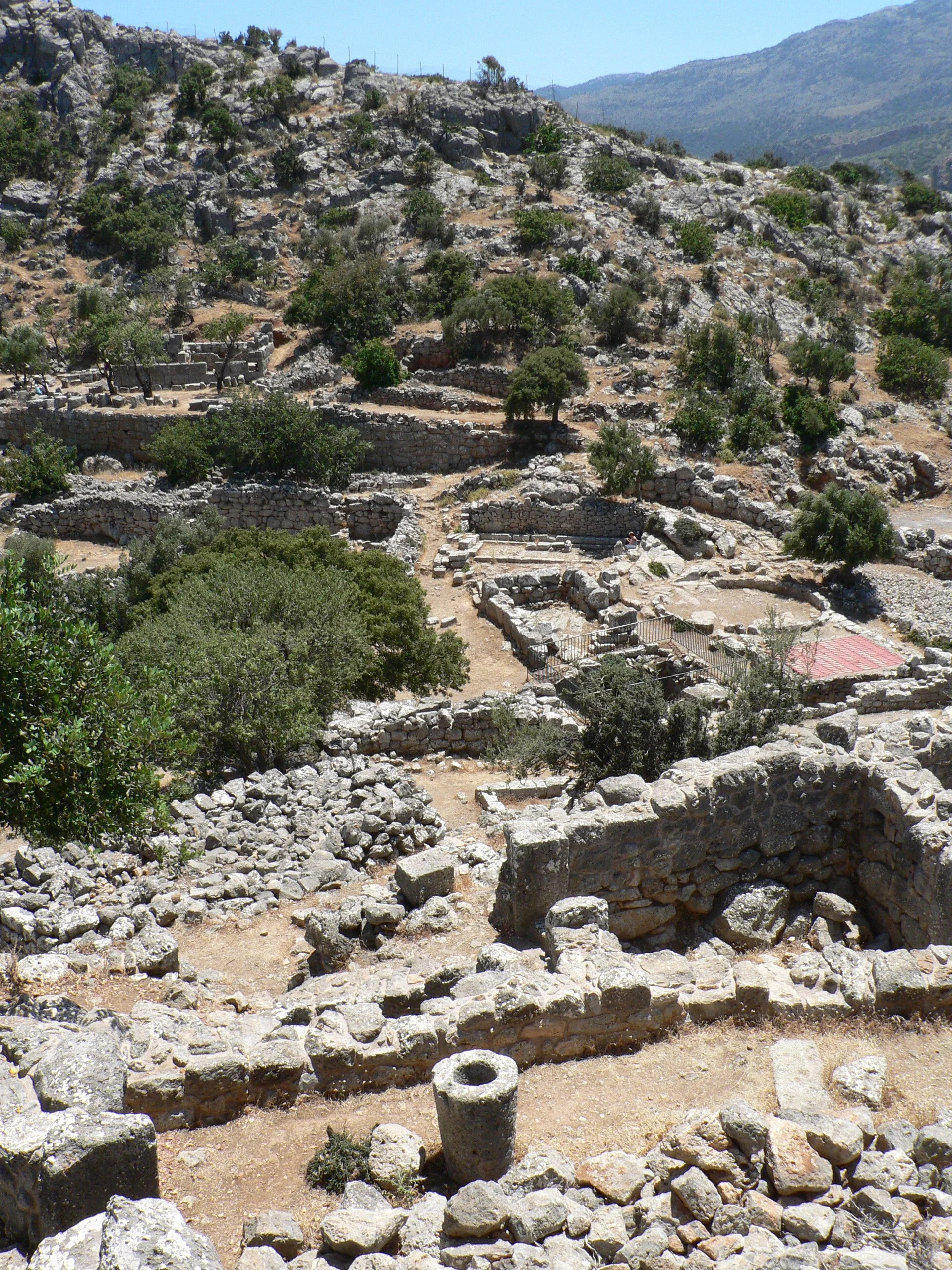
Ancient Lato is one of the most important archaeological sites in Eastern Crete and one of the best-preserved ancient cities of the Classical and Hellenistic periods in Greece. Located between two hills, approximately 3 km from the traditional village of Kritsa and a short drive from Agios Nikolaos, the site offers a fascinating glimpse into life in an ancient Cretan city-state.
Founded in the 7th century BC, Lato developed into an important Dorian city and reached its greatest prosperity during the 4th and 3rd centuries BC. Today, visitors can explore the remains of its agora, temples, public buildings, houses, fortifications and theatre, while enjoying impressive views across the surrounding mountains and Mirabello Bay.
History of the Ancient City
Lato was one of the most significant Dorian city-states in Crete. Its name is generally associated with Leto, the mother of Apollo and Artemis, although the city's religious life also included the worship of other important deities.
The city flourished particularly during the Classical and Hellenistic periods, when it developed into an organised urban centre with public spaces, residential areas and defensive structures.
Lato is also associated with Nearchus, the famous admiral of Alexander the Great, who is traditionally identified as a native of the city.
Its strategic position between two hills provided natural protection and allowed its inhabitants to oversee the surrounding countryside and routes towards the coast. Over time, the city gradually declined, and its population moved towards settlements closer to the sea.
Exploring the Archaeological Site
One of the most interesting aspects of Ancient Lato is how clearly its urban organisation can still be understood.
Walking through the archaeological site, visitors can follow the remains of ancient streets and stone stairways connecting different levels of the city. The uneven terrain reflects the way the settlement was adapted to the natural shape of the hills.
Among the most important remains are:
The Agora: The central public area where citizens gathered for commercial, political and social activities.
The Prytaneion: An important public building associated with the city's administration and civic life.
The Ancient Theatre: A small gathering and performance area built into the hillside.
The Temples and Sanctuaries: Religious spaces that reflect the importance of worship in the daily life of the ancient community.
Residential Buildings: Remains of houses and domestic spaces that reveal how people lived in the city.
Fortifications: Sections of defensive walls and structures that demonstrate the strategic importance of the settlement.
The large stone staircase connecting important public areas is another distinctive feature of the site. It helps visitors understand the relationship between the different levels of the ancient city.
The Views Over Mirabello Bay
Beyond its archaeological importance, Ancient Lato is also remarkable for its location.
Built on a hillside overlooking the surrounding countryside, the city offers panoramic views towards Mirabello Bay, the mountains of Eastern Crete and the area around Agios Nikolaos.
The elevated position explains why this location was so important to the ancient inhabitants. It provided natural defensive advantages while maintaining access to the agricultural land and coastal settlements of the region.
Today, the same landscape makes the archaeological site particularly rewarding to explore.
Archaeological Excavations
The ruins of Ancient Lato attracted the attention of archaeologists during the 19th century. The site was identified as the ancient city of Lato after investigations by European archaeologists.
Systematic excavations began in 1899 under the French School of Archaeology at Athens, led by Joseph Demargne. Further archaeological research took place from the late 1960s into the 1970s, helping uncover important parts of the city's urban layout and public buildings.
These investigations revealed the extent of the ancient settlement and helped establish Lato's importance as one of the best-preserved examples of a Classical-Hellenistic city in Crete.
Visiting Ancient Lato
The archaeological site is an excellent destination for visitors interested in ancient Greek history and the civilisation of Crete.
Exploring the ruins involves walking along uneven stone paths, steps and sloping terrain. Comfortable shoes, drinking water and sun protection are recommended, especially during summer.
Allow approximately one hour to explore the main areas of the site, although visitors interested in archaeology and photography may wish to spend longer.
The elevated location also makes it a pleasant place to enjoy the surrounding landscape and understand the relationship between the ancient city and its natural environment.
Best Time to Visit
Spring and autumn are particularly pleasant seasons to visit Ancient Lato, when temperatures are generally more comfortable for walking around the archaeological site.
During summer, an early morning visit is recommended to avoid the strongest midday heat. The site has limited shade, so visitors should bring water and sun protection.
Winter can also be a good time to explore, provided the weather is suitable.
Practical Information
Location: Near Kritsa, approximately 10 km southwest of Agios Nikolaos.
Historical period: Founded in the 7th century BC; flourished during the 4th–3rd centuries BC.
Civilisation: Ancient Dorian city-state.
Main remains: Agora, prytaneion, theatre, temples, houses and fortifications.
Visit duration: Approximately one hour.
Terrain: Uneven stone paths, steps and sloping ground.
Facilities: Parking and toilets are available at the archaeological site.
According to the official Hellenic Heritage information, the published opening hours are 08:30–15:30, every day except Tuesday, throughout the year. The last admission is 20 minutes before closing. The published ticket price is €5 for a full ticket and €3 for a reduced ticket. Check the official website before visiting, as opening arrangements and prices can change.
How to Get to Ancient Lato
Ancient Lato is located on the provincial road connecting Agios Nikolaos with Kritsa and the surrounding villages.
The journey from Agios Nikolaos takes approximately 15–20 minutes by car. From Kritsa, the archaeological site is only a few minutes away.
Visitors can also combine their visit with a walk around Kritsa village, known for its traditional architecture, narrow streets and local crafts.
Places to Discover Nearby
Kritsa Village: One of the most picturesque traditional villages in Eastern Crete, famous for its architecture, local crafts and cultural heritage.
Kritsa Gorge: A beautiful natural landscape with impressive limestone formations and hiking routes.
Panagia Kera: A historic Byzantine church near Kritsa, renowned for its remarkable frescoes.
Kroustas Minoan Forest: A mountain woodland with archaeological remains and traditional paths.
Katharo Plateau: A remote mountain plateau above Kritsa, surrounded by the impressive scenery of the Dikti Mountains.
Agios Nikolaos: Explore the town's picturesque Lake Voulismeni, harbour, museums, restaurants and waterfront.
Discover the Ancient History of Eastern Crete
Ancient Lato is an exceptional place to discover the history of Classical and Hellenistic Crete. Its well-preserved streets, public buildings and residential remains provide a rare opportunity to understand how an ancient Dorian city was organised.
Combined with a visit to Kritsa and the surrounding countryside, it offers a rewarding cultural experience just a short distance from Agios Nikolaos.