10 Traditional Villages to Visit in Eastern Crete
Discover the authentic side of Crete through its traditional villages, stone-built houses, narrow streets, mountain landscapes and seaside settlements. Explore the villages around Agios Nikolaos and discover the local traditions, history and everyday life of Eastern Crete.
Eastern Crete is home to some of the most beautiful traditional villages on the island. Away from the busy coastal resorts, these settlements preserve a different side of Cretan life, where traditional architecture, local customs, family-run tavernas and beautiful natural landscapes remain an important part of everyday life.
From the picturesque mountain village of Kritsa and the historic streets of Neapoli to the small fishing settlement of Mochlos, each village has its own character and story.
Exploring these places is an excellent way to discover the cultural heritage of the region, taste traditional Cretan food and experience the hospitality for which the island is famous.
If you are staying in Agios Nikolaos, many of these villages can be visited on day trips, making them excellent additions to your holiday itinerary.
Here are 10 traditional villages worth discovering in Eastern Crete.
1. Kritsa – A Village of Tradition, History and Handmade Crafts
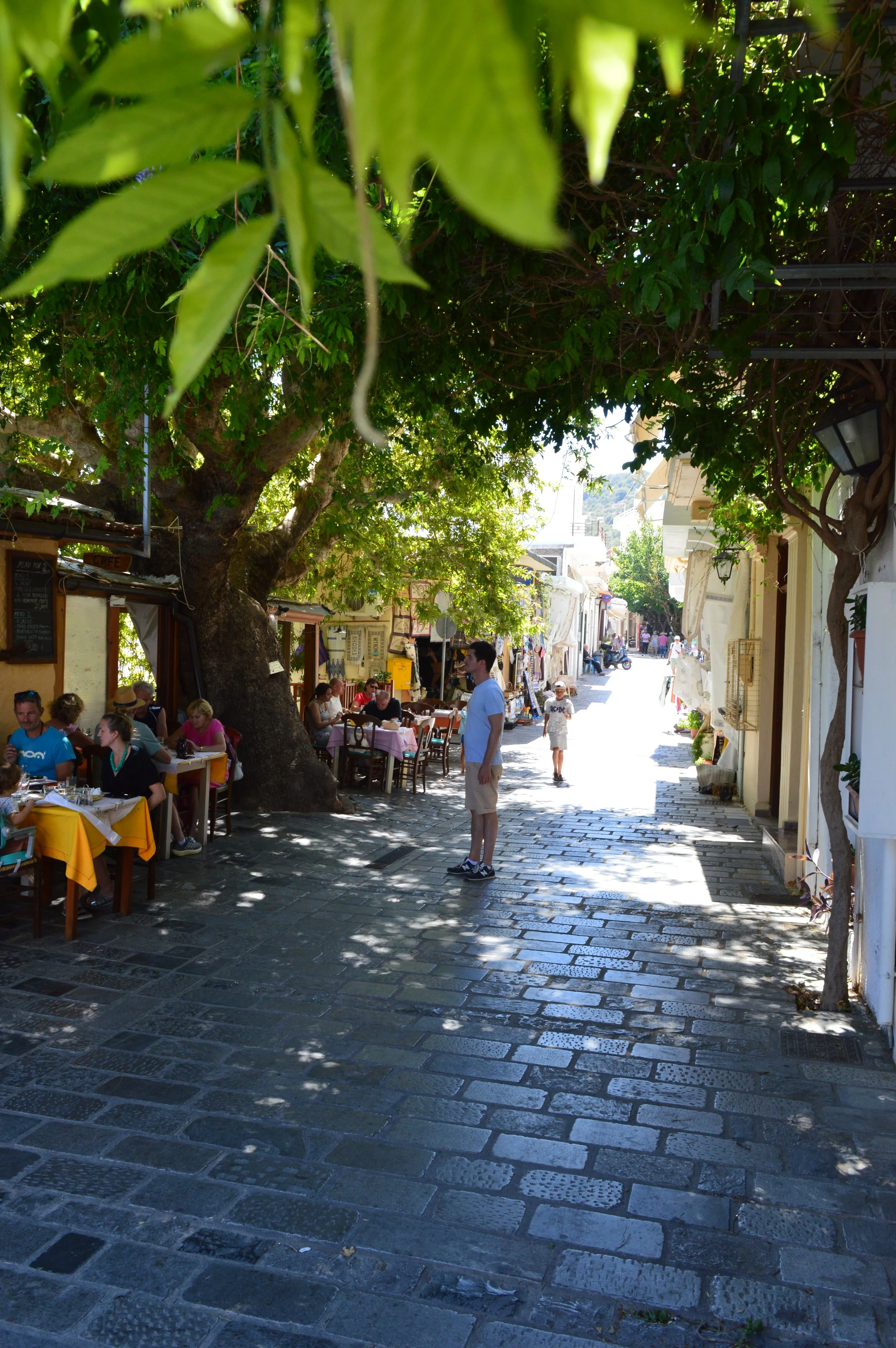
Located approximately 10 kilometres southwest of Agios Nikolaos, Kritsa is one of the most famous and historically important traditional villages in Eastern Crete.
Built amphitheatrically on the slopes of Mount Kastellos, the village is characterised by narrow streets, old stone houses, traditional courtyards and beautiful views across the surrounding olive groves and mountains.
Kritsa has a long history and a strong cultural identity. It is particularly well known for its traditional weaving and embroidery, with local shops displaying handmade textiles, tablecloths, lace and other crafts that reflect generations of Cretan craftsmanship.
Walking through the village is one of the best ways to experience its atmosphere. You can explore the small streets, visit local shops, enjoy a coffee in the village and taste traditional Cretan dishes in one of its tavernas.
Kritsa is also an excellent starting point for visiting important nearby attractions, including the Byzantine church of Panagia Kera, Ancient Lato and the beautiful Katharo Plateau.
For visitors interested in traditional Cretan culture, Kritsa is an essential stop.
2. Kroustas – Traditional Cretan Hospitality in the Mountains
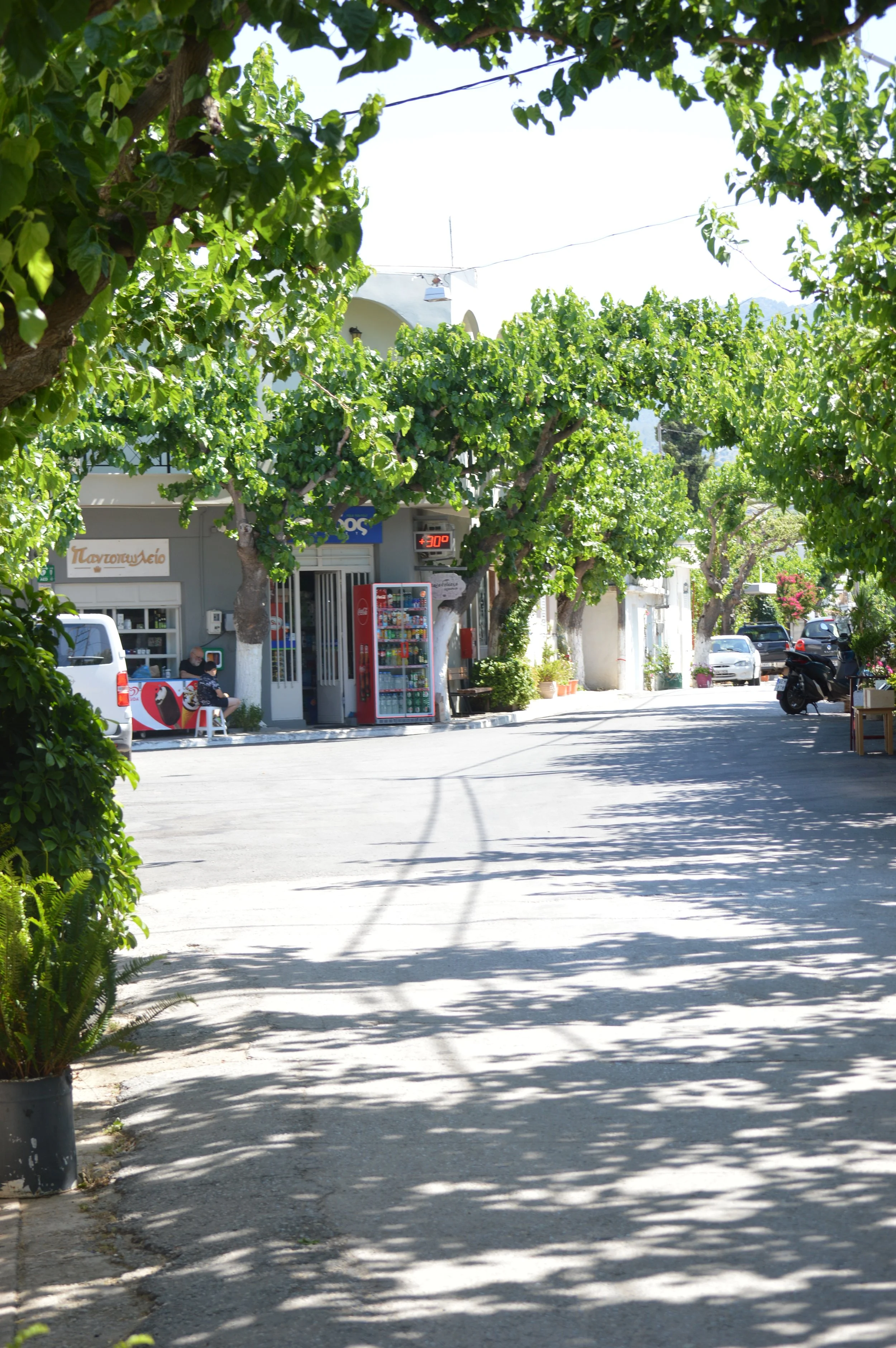
Kroustas is a traditional mountain village located south of Agios Nikolaos, surrounded by olive groves, pine forests and beautiful natural landscapes.
The village is known for its agricultural and livestock traditions, as well as its connection with traditional Cretan food. Its peaceful atmosphere and traditional character make it an excellent destination for visitors looking to experience everyday life in the Cretan countryside.
One of the reasons people visit Kroustas is its traditional tavernas, where visitors can enjoy local dishes prepared with fresh ingredients and traditional recipes. The village is particularly associated with antikristo, a traditional Cretan method of roasting lamb around an open fire.
Kroustas is also a pleasant place to explore on foot, with its traditional houses, quiet streets and views towards the surrounding mountains and Mirabello Bay.
The village can easily be combined with a visit to Kritsa, making both settlements an excellent excursion from Agios Nikolaos.
3. Vrachasi – A Picturesque Mountain Village with a Rich History
Vrachasi is one of the most charming traditional villages in the area between Agios Nikolaos and Sissi. Built on the slopes of the mountains, it offers beautiful views across the surrounding countryside and a peaceful atmosphere away from the busy coastal areas.
The village is characterised by traditional stone houses, narrow streets, old buildings and small courtyards that reflect its long history.
Vrachasi has preserved much of its traditional character and offers visitors the opportunity to experience a quieter side of Crete. Walking through its streets, you can discover traditional architecture and enjoy the atmosphere of a village where local life remains an important part of everyday life.
One of the most interesting features of the settlement is its traditional architecture and its historic buildings, which make it particularly appealing to visitors interested in the history of Cretan villages.
Vrachasi is also a convenient stop when exploring the northern part of the Lasithi region, especially if you are travelling towards Sissi or Milatos.
4. Neapoli – History, Architecture and Local Life
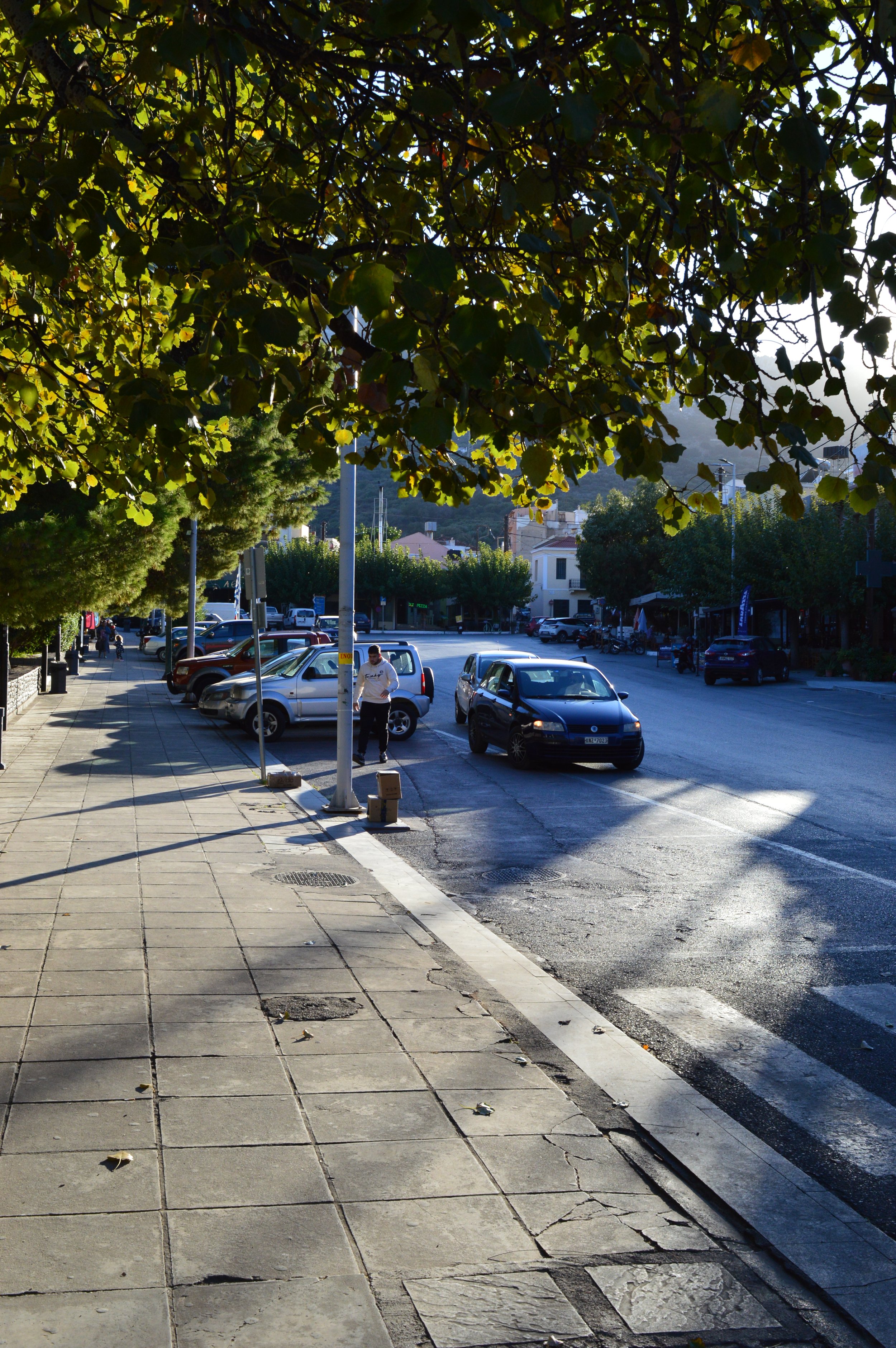
Neapoli is a historic town in the heart of the Lasithi region, located approximately 15 kilometres northwest of Agios Nikolaos.
Although larger than many of the surrounding villages, Neapoli has retained a traditional character and offers visitors an interesting combination of history, architecture and local life.
The town is known for its attractive central square, traditional buildings, narrow streets and historic churches. One of its most important landmarks is the Metropolitan Church of Megali Panagia, an impressive religious building that reflects the area's long-standing cultural and religious heritage.
Neapoli also has a strong connection with the history of the wider Mirabello region. Its streets and historic buildings provide a glimpse into the area's past, while its cafés and traditional establishments offer an opportunity to experience everyday Cretan life.
The town is also an excellent starting point for exploring nearby villages, monasteries and archaeological sites.
Visitors interested in local history should include Neapoli in their exploration of Eastern Crete.
5. Limnes – A Traditional Village Surrounded by Olive Groves
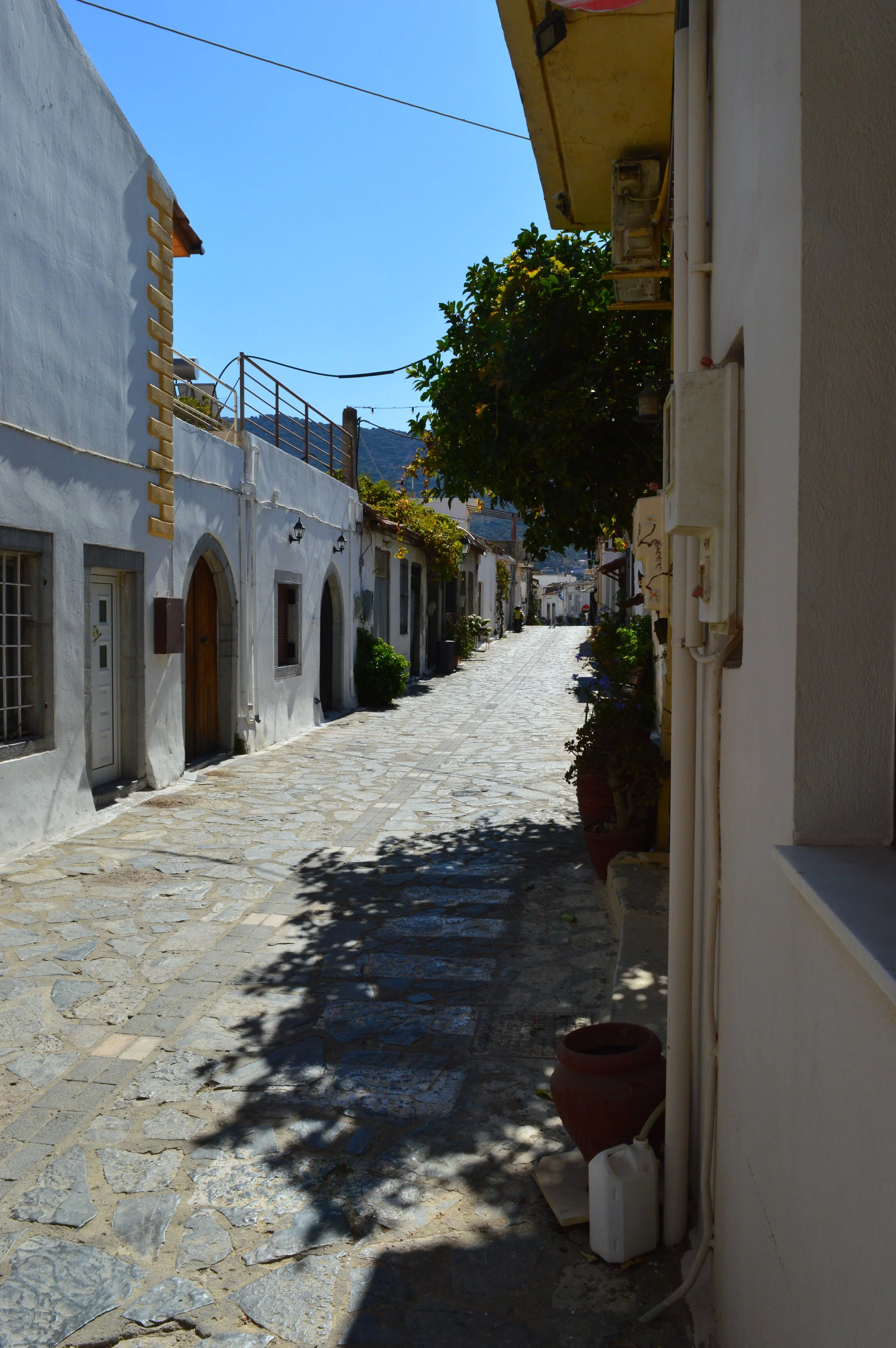
Limnes is a beautiful traditional village located north of Agios Nikolaos, close to Neapoli.
The settlement is known for its traditional architecture, peaceful atmosphere and agricultural surroundings. Olive groves and cultivated landscapes form an important part of the scenery, reflecting the traditional relationship between the local community and the land.
Limnes has a distinctive village character, with old houses, narrow streets and traditional buildings that make it a pleasant place to explore on foot.
The surrounding area is also historically interesting, with archaeological remains and important religious monuments located nearby.
One of the attractions associated with the wider area is Ancient Dreros, an important archaeological site situated above the village of Neapoli.
Limnes is a lovely destination for travellers who want to discover traditional Cretan settlements without the crowds of the more popular tourist destinations.
6. Houmeriakos – A Village of Churches and Traditional Architecture
Houmeriakos is a historic village located in the Neapoli area, surrounded by green landscapes, olive groves and the foothills of the surrounding mountains.
The village is particularly interesting for its religious heritage, as it is known for its numerous churches and chapels. Its architectural character reflects the long history of the settlement and the important role of religious traditions in Cretan village life.
Walking through Houmeriakos, visitors can discover traditional houses, old streets and historic religious buildings that give the village a distinctive atmosphere.
The settlement is also connected with the wider history of the Mirabello region, making it an interesting stop for travellers exploring the countryside around Neapoli.
Houmeriakos is an excellent destination for those who appreciate traditional architecture, religious heritage and quiet village environments.
7. Fourni – Discover the Traditional Countryside of Neapoli
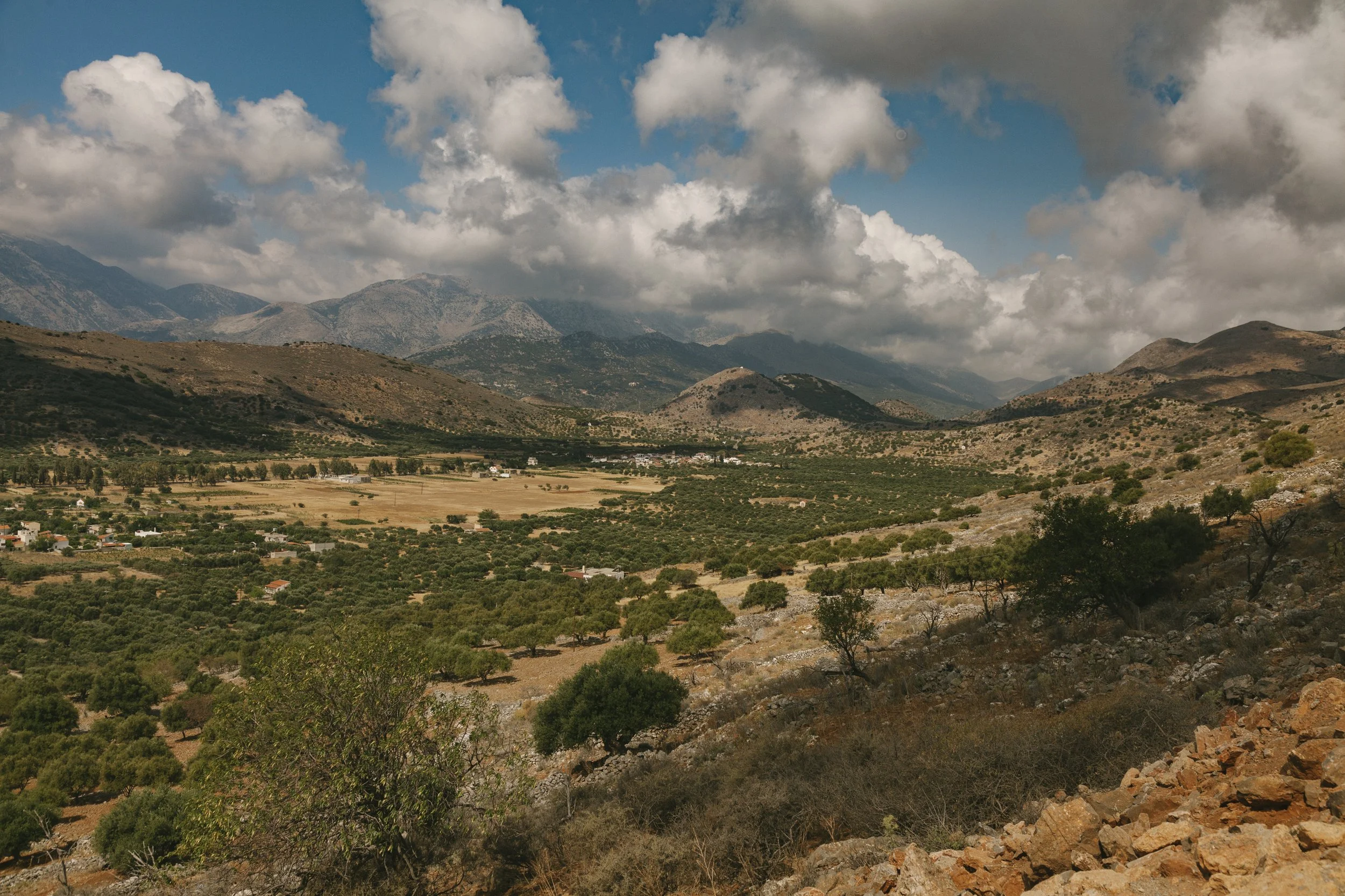
Fourni is a small traditional settlement in the countryside near Neapoli, in the northern part of the Mirabello region.
Together with neighbouring Kastelli, it forms part of an area with a strong agricultural and rural identity.
The village offers a quieter experience of Crete, away from the coastal resorts and busy tourist areas. Its traditional houses, small streets and surrounding countryside reflect the everyday life of the local community.
The area around Fourni is particularly interesting for visitors who enjoy exploring rural landscapes and discovering settlements that have retained their traditional character.
A visit can easily be combined with Neapoli, Limnes and Houmeriakos, making it part of a rewarding excursion through the inland villages of the region.
8. Mochlos – A Charming Fishing Village by the Sea
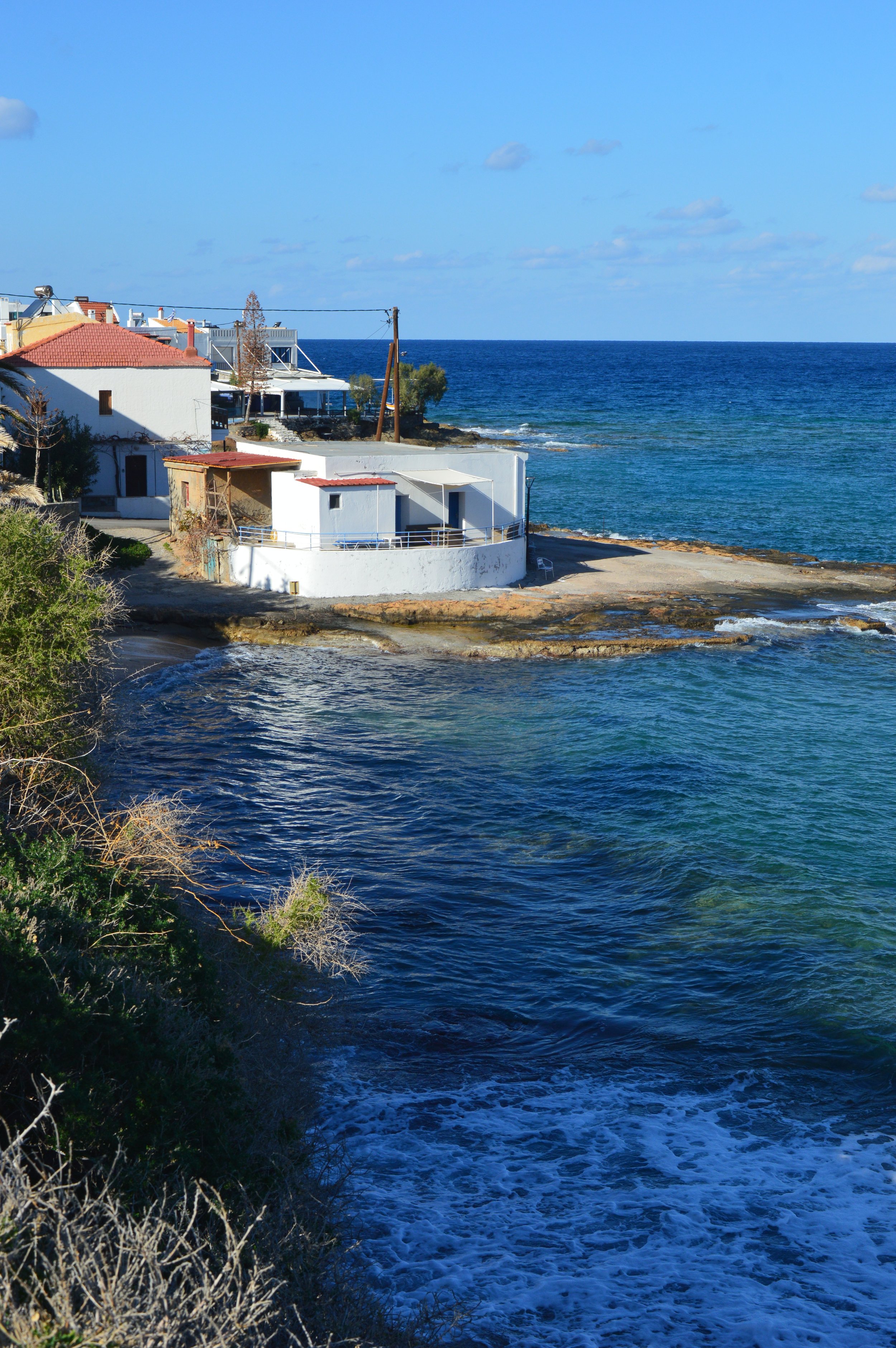
Mochlos is a small coastal village on the northern coast of Eastern Crete, between Agios Nikolaos and Sitia.
Unlike the mountain villages of the region, Mochlos is known for its beautiful seaside setting, peaceful harbour atmosphere and traditional fishing heritage.
The village is particularly famous for its waterfront tavernas, where visitors can enjoy fresh fish, seafood and traditional Cretan dishes while looking across the sea.
Directly opposite the village lies a small island containing the remains of an important Minoan settlement and cemetery. The archaeological discoveries in this area provide valuable information about the history of Minoan Crete and its maritime connections.
Mochlos is an excellent destination for a relaxing excursion, combining history, gastronomy and beautiful coastal scenery.
Visitors can enjoy a walk along the waterfront, have lunch beside the sea and explore the small beaches and coves around the village.
For those travelling between Agios Nikolaos and Sitia, Mochlos is well worth a stop.
9. Plaka – A Traditional Seaside Village Facing Spinalonga
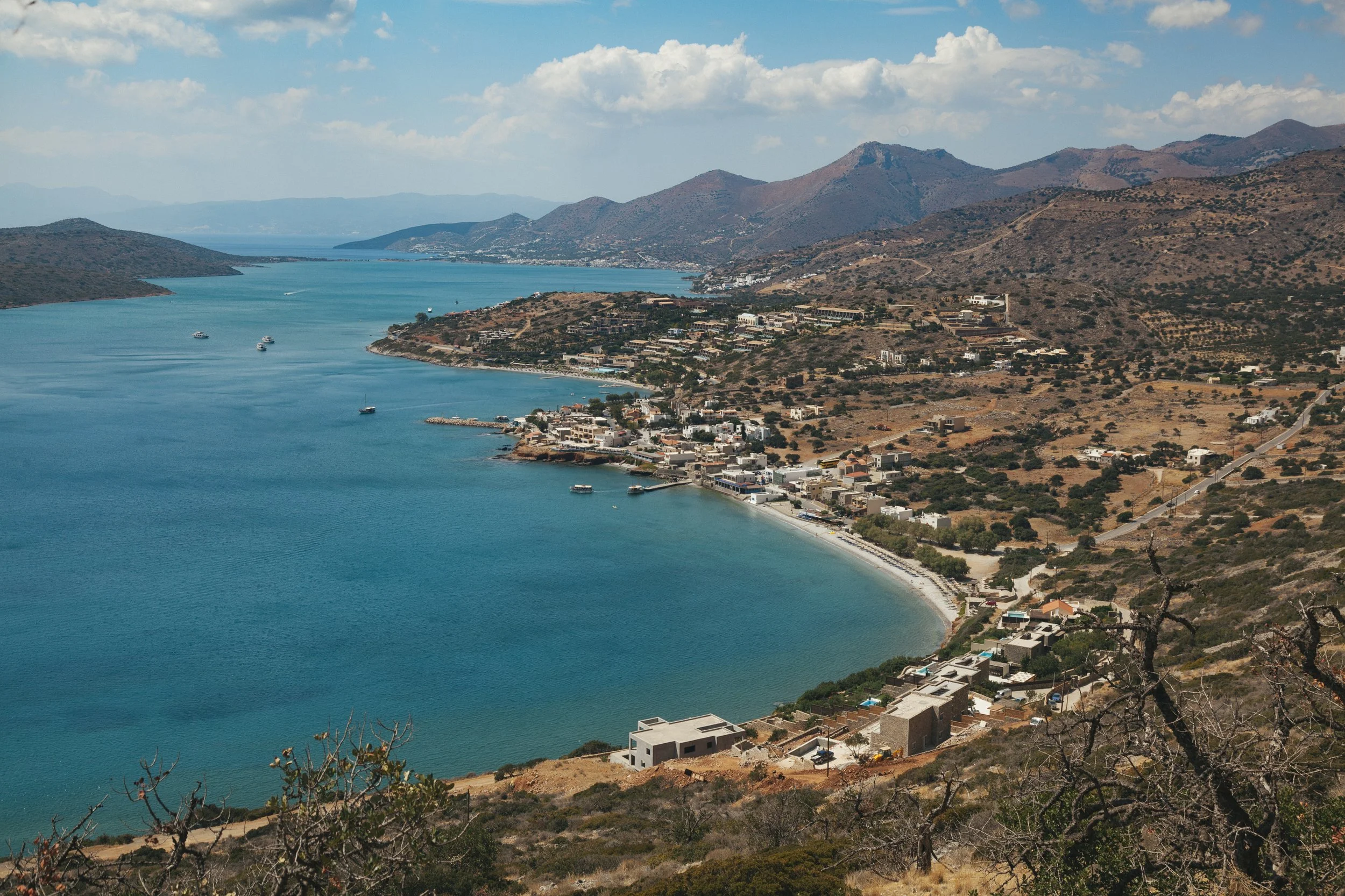
Plaka is a picturesque seaside settlement located north of Agios Nikolaos, directly opposite the historic island of Spinalonga.
The village is famous for its beautiful views towards the island, its traditional waterfront tavernas and its relaxed coastal atmosphere.
Historically connected with fishing and the sea, Plaka has developed into a popular destination for visitors exploring the Elounda area, while retaining much of its original seaside character.
One of the most enjoyable experiences is walking along the waterfront, where you can admire the clear waters of Mirabello Bay and the impressive Venetian fortress of Spinalonga.
Plaka is also an excellent place to enjoy fresh seafood and traditional Cretan cuisine. Many visitors combine lunch or dinner in the village with a boat excursion to Spinalonga.
Its location and beautiful surroundings make Plaka one of the most rewarding coastal destinations in the Agios Nikolaos area.
10. Vrouhas – Discover the Quiet Countryside Above Elounda
Vrouhas is a traditional settlement located in the countryside north of Elounda, offering a different perspective of the Mirabello region.
Away from the busy waterfront areas, the village provides a quieter experience of rural Crete, surrounded by open landscapes, olive groves and the characteristic dry Mediterranean scenery of the area.
The surrounding countryside offers beautiful views towards the coastline and the wider Mirabello Bay, making the journey to the village an interesting experience in itself.
Vrouhas is a good destination for travellers who enjoy exploring less-visited settlements and discovering the quieter parts of the Cretan countryside.
It can be combined with a visit to Plaka and Elounda, creating a varied excursion that includes traditional villages, coastal scenery and historical attractions.
Tips for Exploring the Traditional Villages of Eastern Crete
Rent a car for greater flexibility
Although some villages can be reached by public transport, having a car makes it much easier to explore the countryside and visit several settlements during the same day.
Take time to walk through the villages
The best way to experience traditional Cretan settlements is on foot. Explore the narrow streets, discover small churches, admire the old houses and enjoy the atmosphere of the village squares.
Try traditional Cretan food
Many villages have family-run tavernas where visitors can discover local recipes, seasonal ingredients and traditional cooking methods. Do not miss the opportunity to taste dishes prepared with local olive oil, vegetables, cheese and meat.
Respect local life and traditions
These are living communities, not open-air museums. Be respectful when photographing houses, residents and private properties, and remember that many villages maintain their traditional daily routines.
Combine several villages in one excursion
The villages around Agios Nikolaos are spread across different landscapes, but many can be visited together. For example, Kritsa and Kroustas make an excellent combination, while Neapoli, Limnes, Houmeriakos and Fourni can be explored during the same trip.
Discover the Authentic Side of Eastern Crete
Exploring traditional villages is one of the most rewarding ways to experience Eastern Crete. Beyond the beaches and popular coastal destinations, these settlements reveal the history, traditions, architecture and hospitality that make the island so special.
From the mountain landscapes of Kritsa and Kroustas to the historic streets of Neapoli and the seaside atmosphere of Mochlos and Plaka, each destination offers something different.
Whether you enjoy history, traditional architecture, local gastronomy or simply discovering beautiful places away from the crowds, the villages of Eastern Crete offer countless opportunities for exploration.
If you want to discover more about the region, explore our travel guides to find additional villages, historical monuments, natural landscapes and cultural attractions.
You can also join one of our cultural tours and local experiences to discover the traditions, stories and everyday life of Crete with people who know the area.
Explore Eastern Crete with Agios Nikolaos Travel Guide and discover the authentic character of the island.