North Coast Road Trip: Neapoli, Milatos beach & Vrachasi
North Coast Road Trip: Neapoli, Milatos Cave & Vrachasi
This road trip takes you through the villages and countryside north of Neapoli, combining traditional settlements, local landscapes, a historic cave and coastal stops. It is a route for visitors who want to explore beyond the main coastal resorts and discover some of the quieter places around Agios Nikolaos.
Starting from Agios Nikolaos, the route passes through Neapoli and the smaller villages of Latsida and Kounali before heading towards the area of Milatos Cave. Along the way, you can explore traditional villages, enjoy views across the countryside, visit the historic cave and finish with a stop by the sea before returning to Agios Nikolaos.
The route can be adapted according to how much time you have. You can make it a relaxed half-day trip or spend more time exploring the villages, cave and beaches along the way.
Road Trip Overview
Starting point: Agios Nikolaos
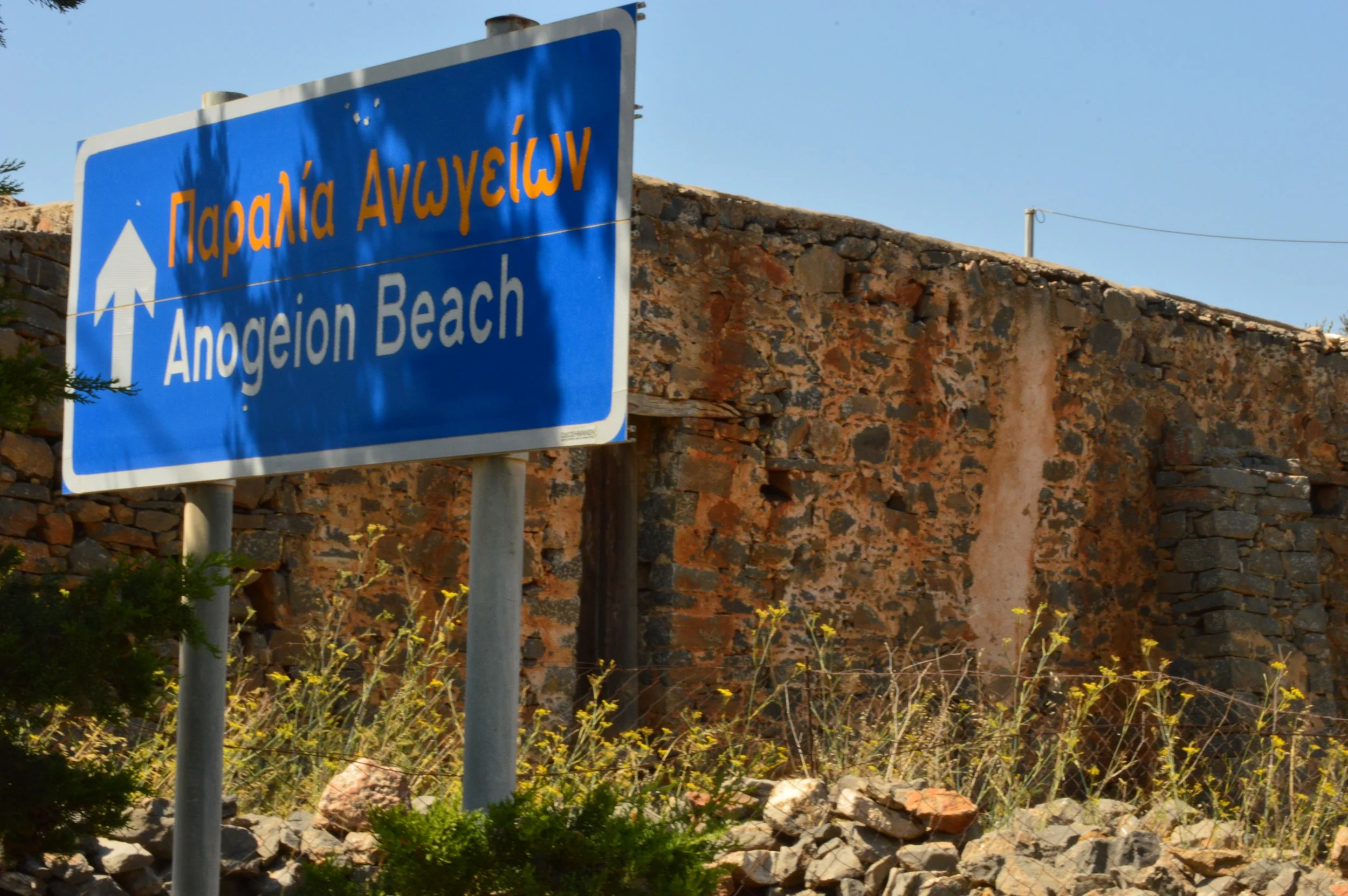
Route: Agios Nikolaos – Neapoli – Latsida – Kounali – Anogeia – Chochlakies Beach – Milatos Cave – Aspa Beach – Agios Nikolaos
Type of trip: Traditional villages, history, cave exploration and beaches
Transport: Car
Duration: Flexible, depending on the stops you choose
1. Neapoli
Neapoli is one of the most important towns in the wider area of Agios Nikolaos and a good first stop on this road trip. Located inland, it has a long history and retains a more traditional character than the coastal tourist destinations.
The town has a central square, traditional streets, cafés, shops and a number of historic buildings and churches. It is a pleasant place to take a walk, enjoy a coffee or explore the local atmosphere before continuing into the countryside.
One of the most important landmarks in Neapoli is the church of Megali Panagia, a large historic church located near the centre of the town. If you have time, it is worth including in your visit.
Neapoli is also a good starting point for exploring the villages around the area, as several roads lead into the countryside and towards the mountains and coast.
2. Latsida
Latsida is a small traditional village located south of Neapoli, surrounded by countryside and agricultural land. It is a quiet settlement where visitors can experience a more rural side of eastern Crete.
The village is a short stop along the route, but it offers a glimpse of the local landscape and the small communities that are scattered throughout the area. The surrounding countryside is characterised by olive groves, hills and traditional agricultural activity.
Latsida is also located near the entrance to the wider area of the Milatos Gorge, making it part of a landscape that connects inland villages with the coastal area of Milatos.
3. Kounali and the Surrounding Villages
Kounali is a small village in the countryside north of Neapoli, surrounded by hills, olive groves and rural landscapes. The drive through this area takes you away from the busier roads and into a quieter part of the region.
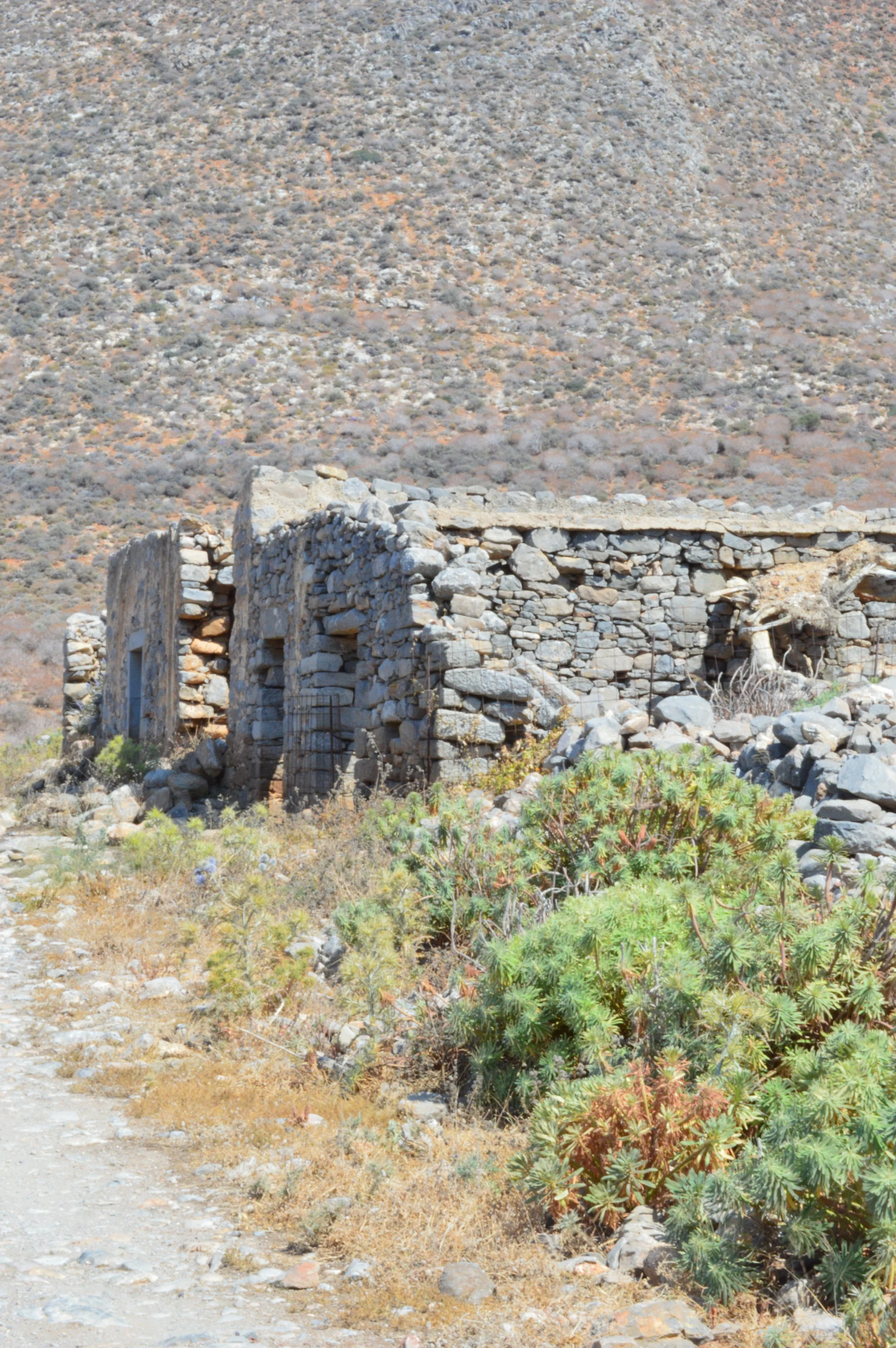
The villages along this route are relatively small, and their appeal is often in the landscape, the traditional character and the experience of driving through the countryside rather than in large sightseeing attractions.
As you continue towards the area of Milatos, the road passes through settlements and agricultural landscapes, offering a different perspective of the region between Neapoli and the coast.
4. Chochlakies Beach
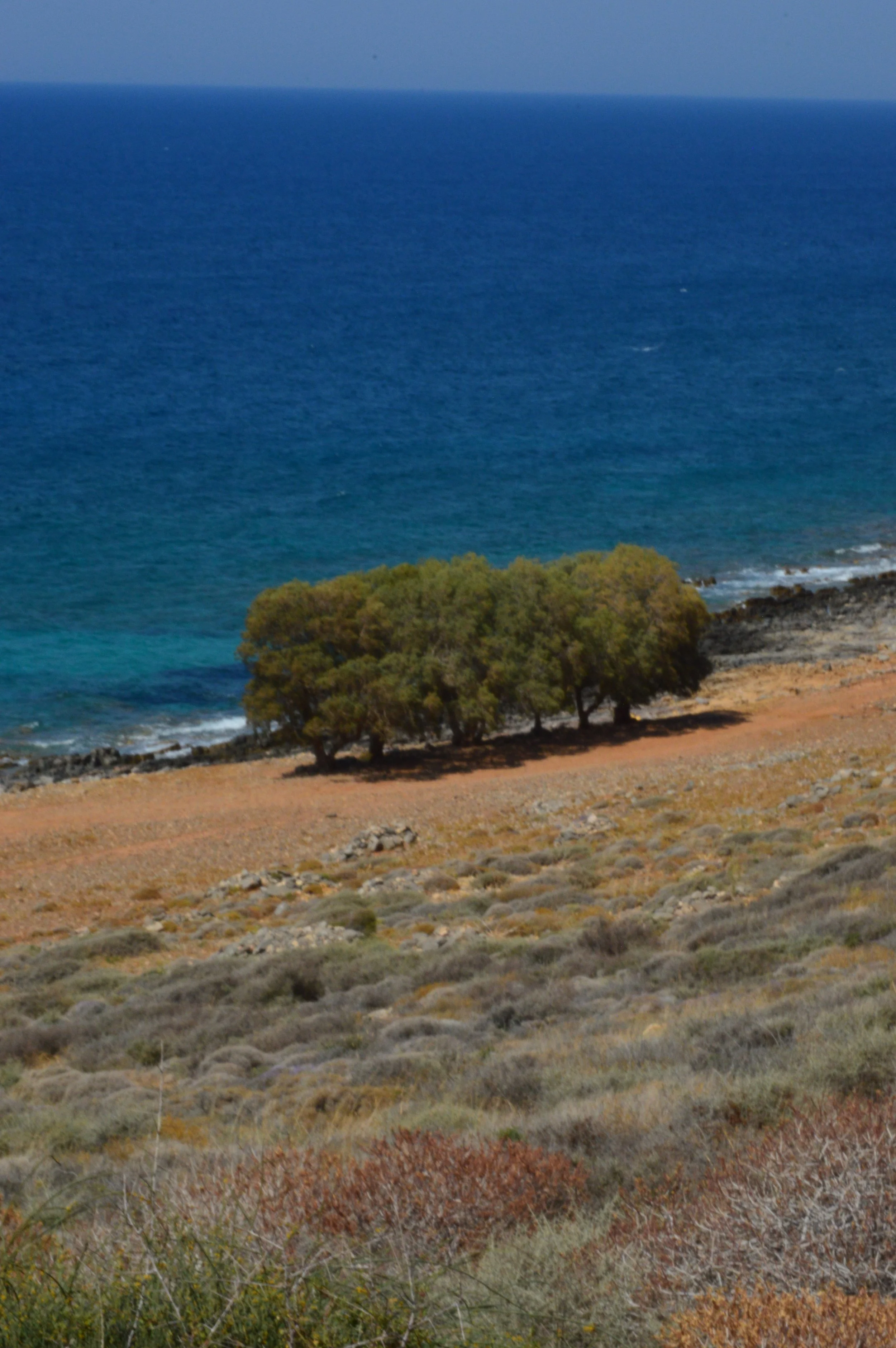
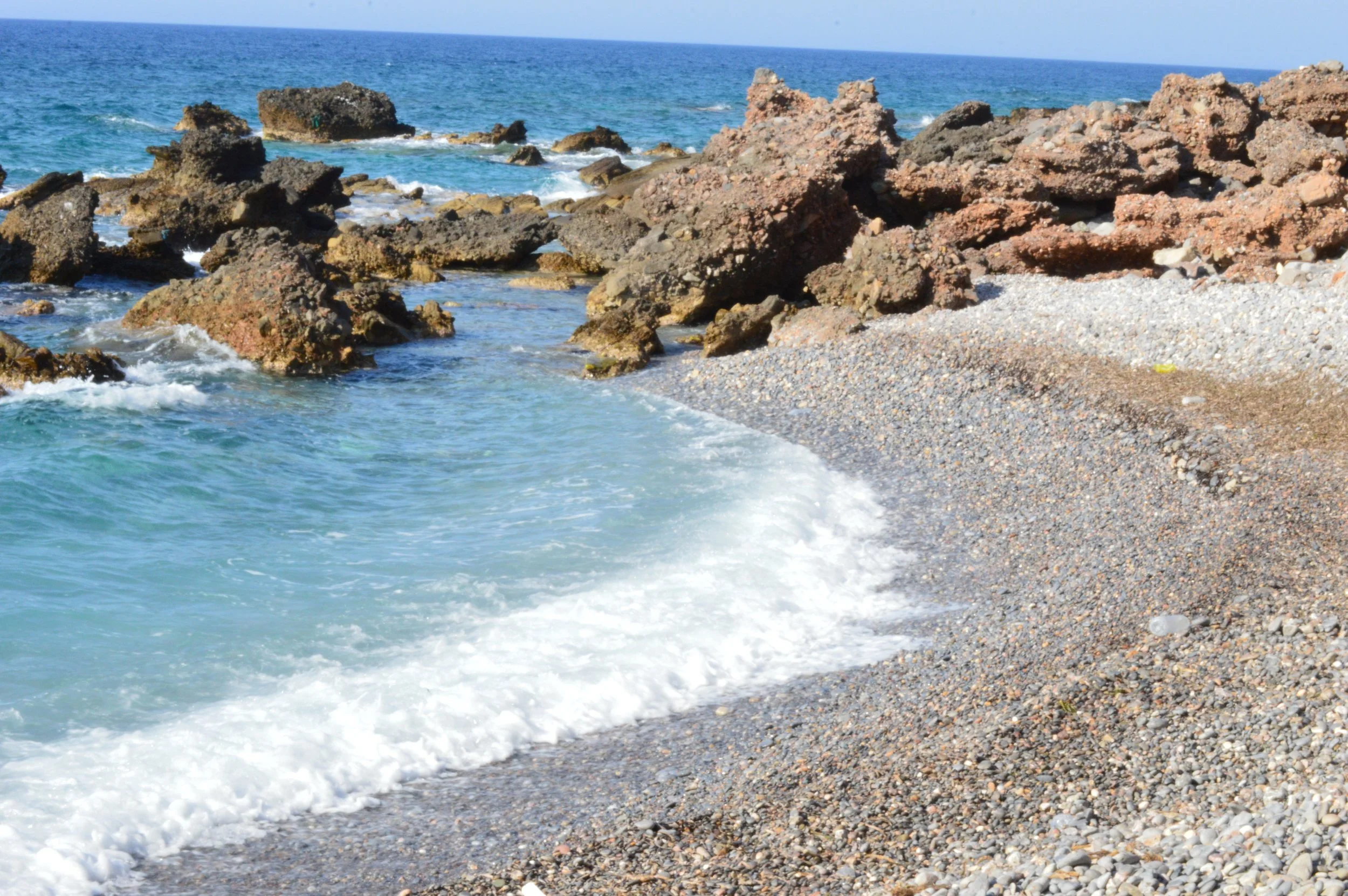
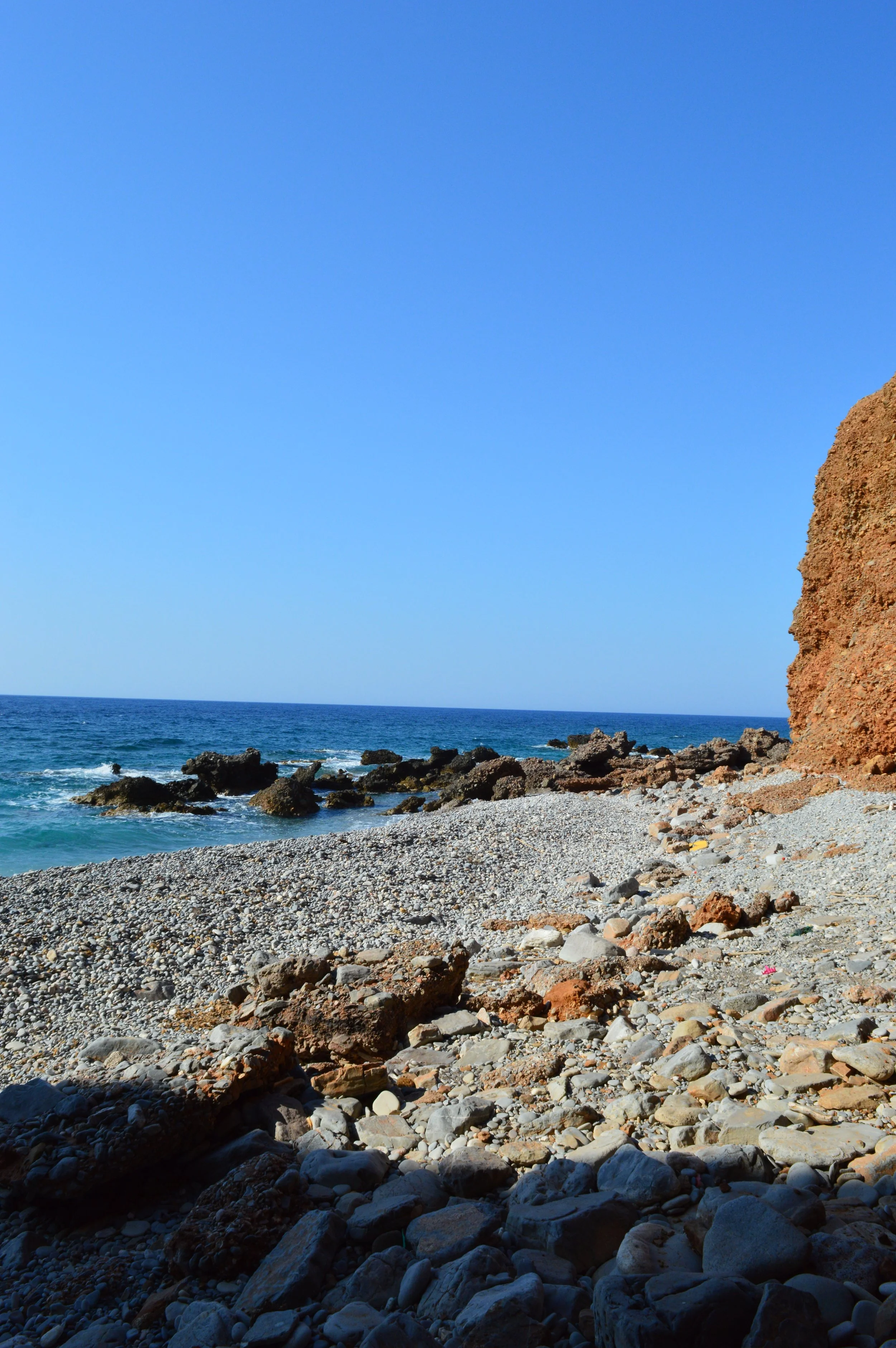
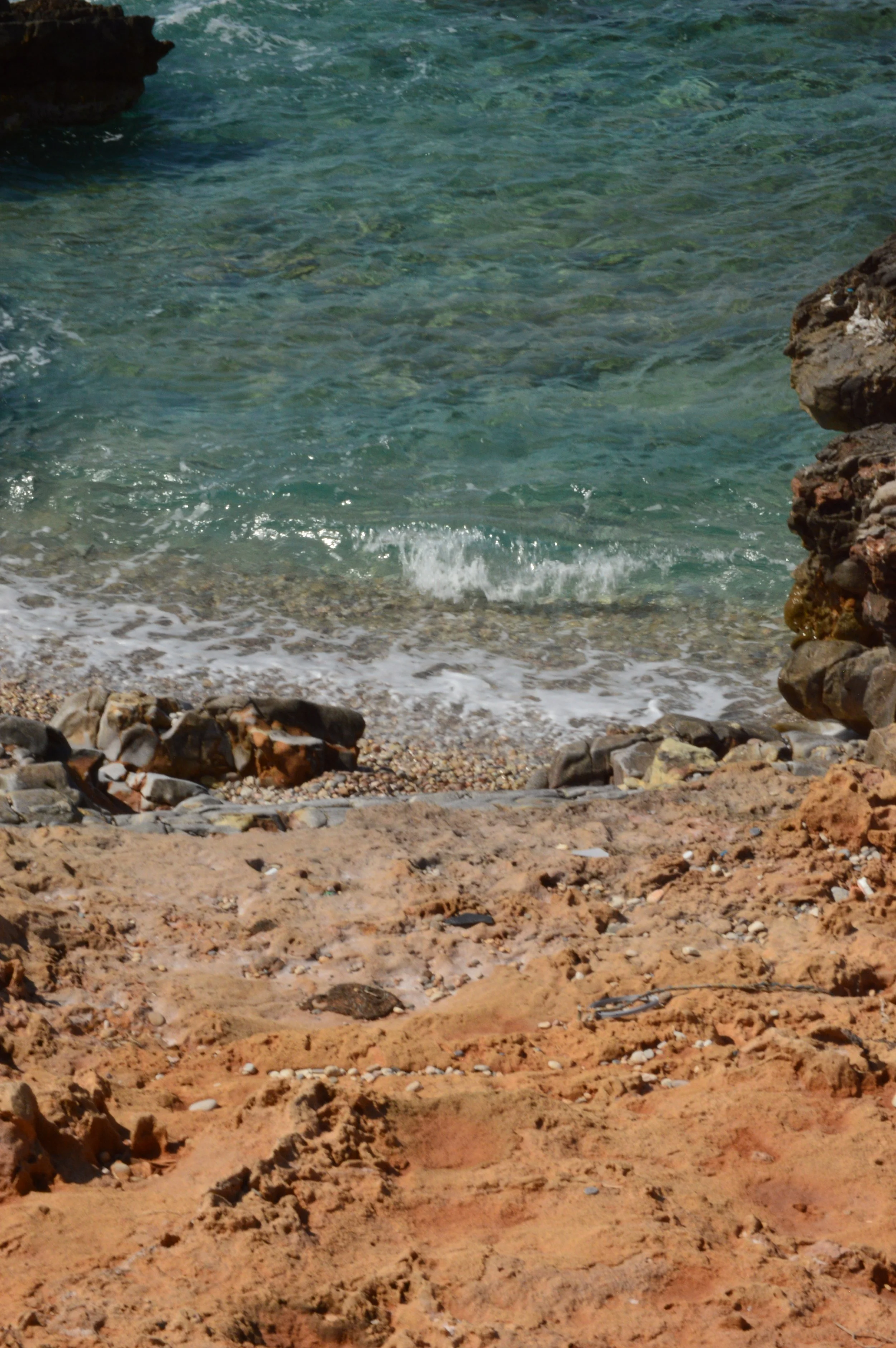
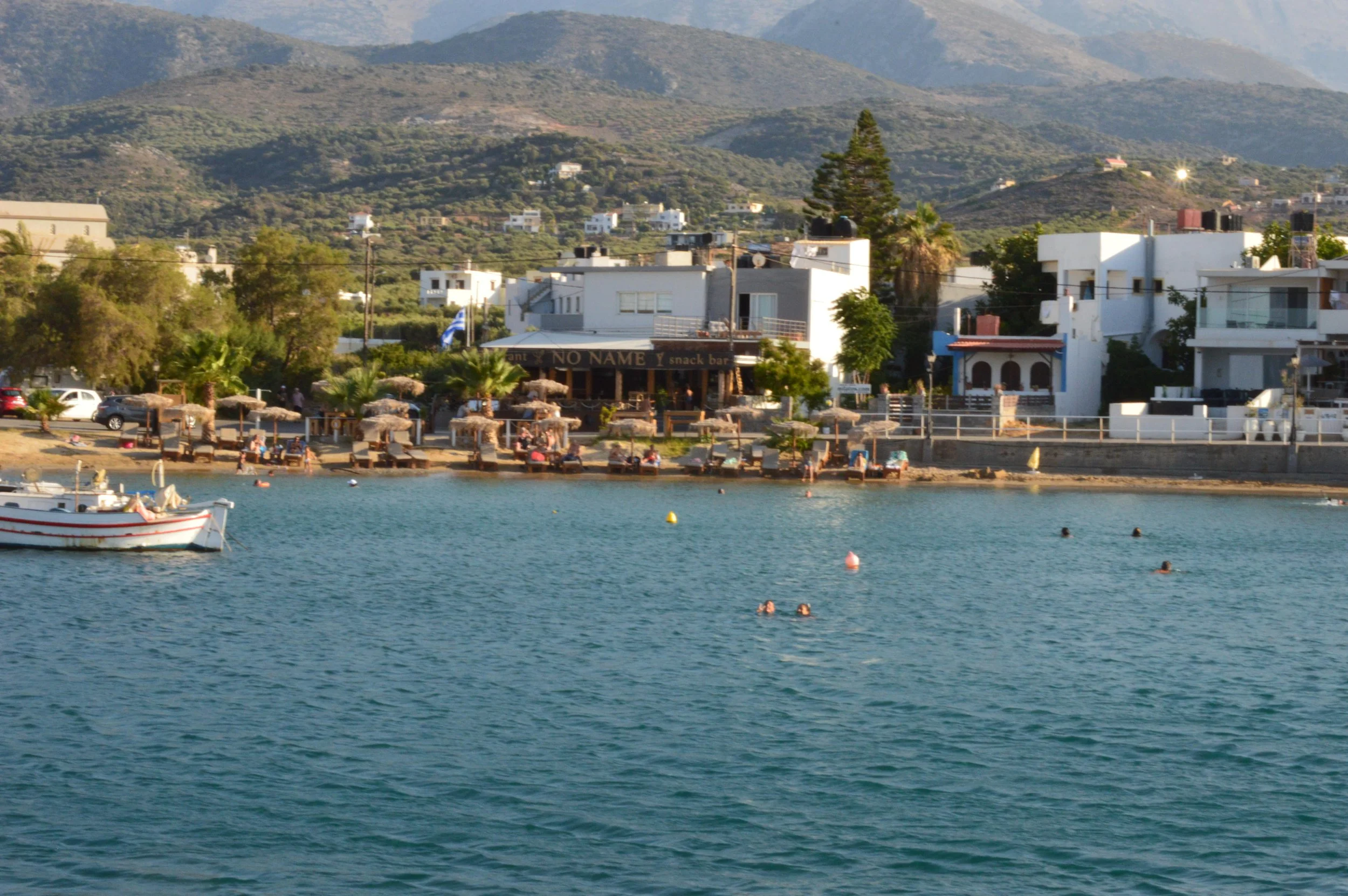
Chochlakies Beach is a coastal stop along this route, offering an opportunity to enjoy the sea before continuing towards Milatos Cave and the other stops.
The beach and the surrounding coastal landscape provide a contrast to the inland villages and countryside you have explored earlier in the trip. Depending on the season and weather, it can be a pleasant place for a short stop, a walk or a swim.
As with many smaller beaches in eastern Crete, conditions can vary depending on wind and sea conditions. It is worth checking the weather before deciding how much time to spend here.
5. Milatos Village & Cave
Milatos Cave is one of the most historically important places in this part of Crete. The cave became a refuge for thousands of people during the events of 1823, when local civilians and fighters sought shelter there during the conflict with Ottoman and Egyptian forces.
The siege and the tragic events that followed became an important part of the history of the region and of the Cretan struggle for freedom. The cave is remembered as a place where many people lost their lives, and today it remains a site of historical memory.
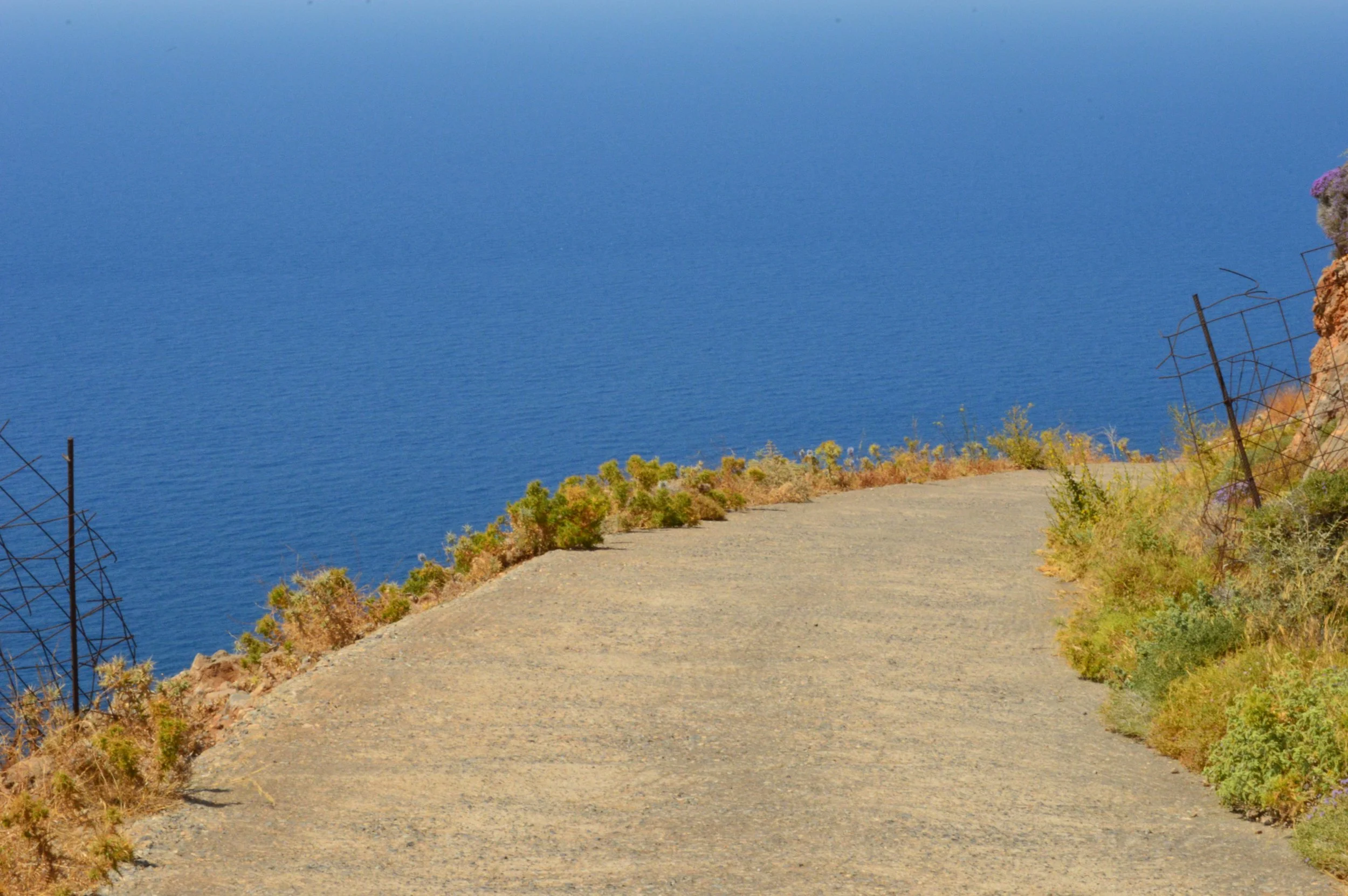
The cave is located in a rocky landscape above the surrounding countryside. Reaching the entrance involves a short walk along a path from the parking area, so comfortable shoes are recommended.
Inside the cave, visitors can explore its natural chambers and formations. A small church and memorial are located inside, commemorating the people who died during the events of 1823.
The cave is not simply a natural attraction. Its historical significance makes it an important place to visit if you want to understand more about the history of eastern Crete.
Bring a flashlight or use a reliable light source, as parts of the cave are dark, and be careful on the uneven ground. The approach path and cave interior may be unsuitable for visitors with limited mobility.
6. Aspa Beach
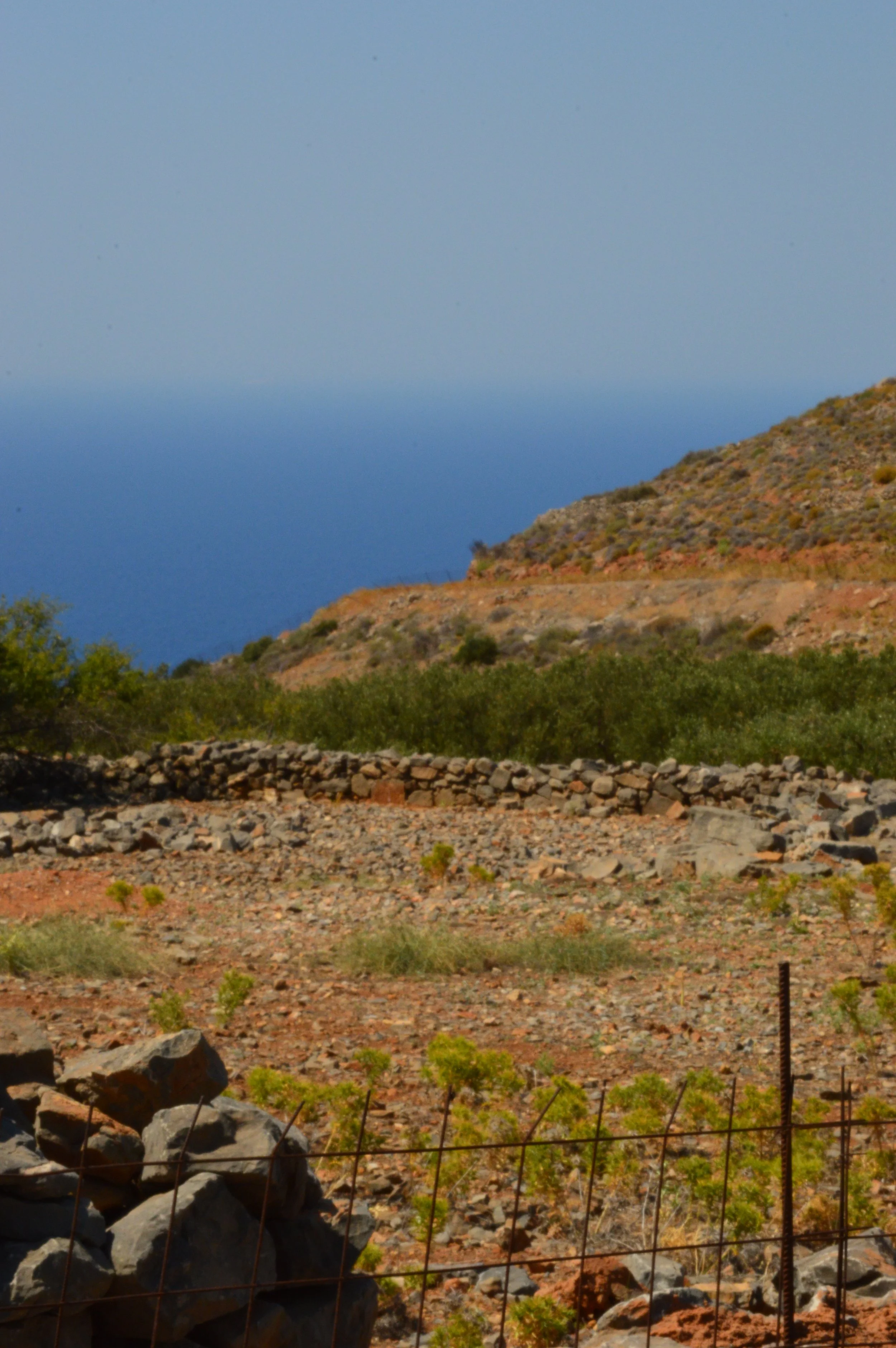
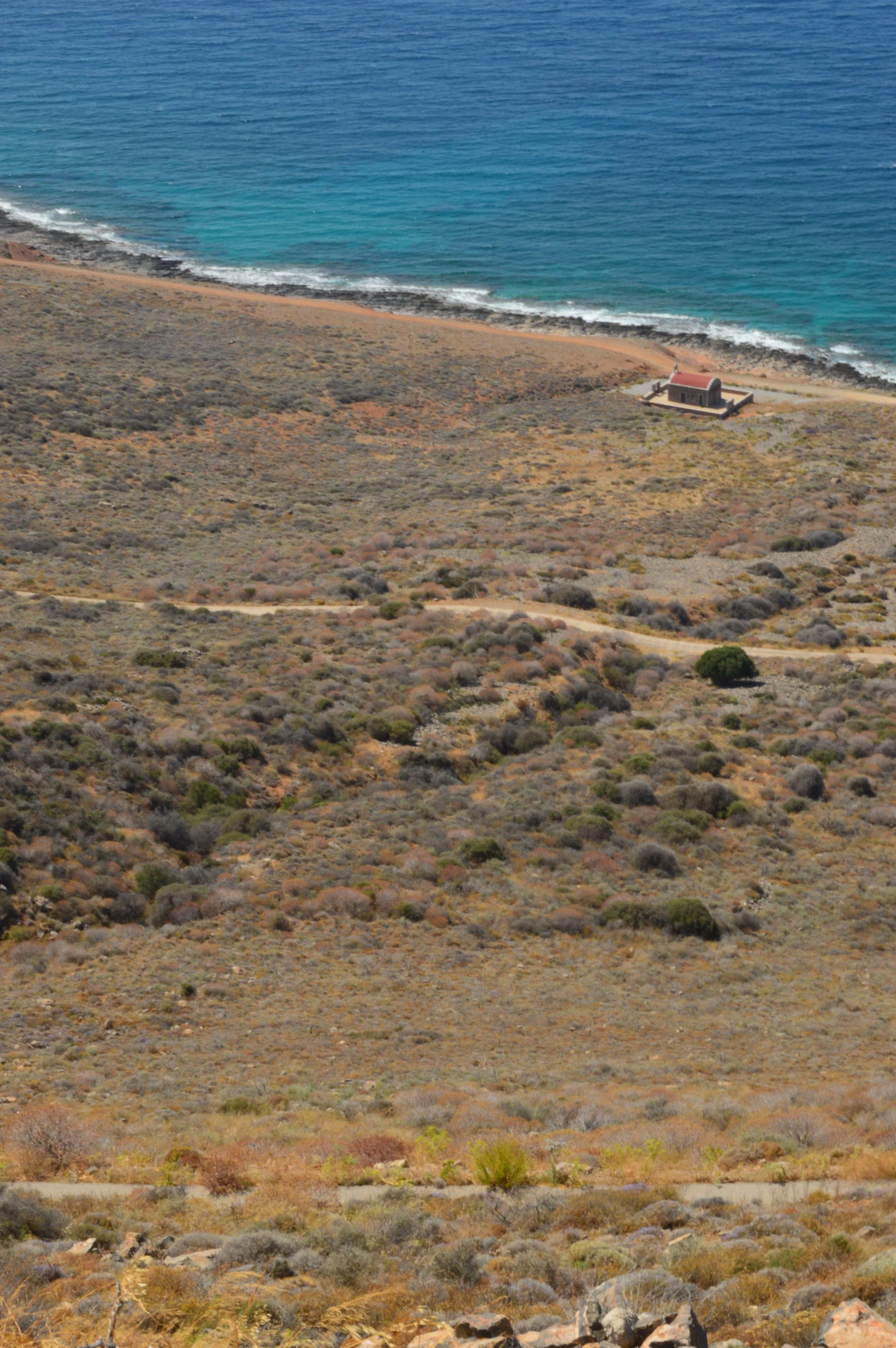
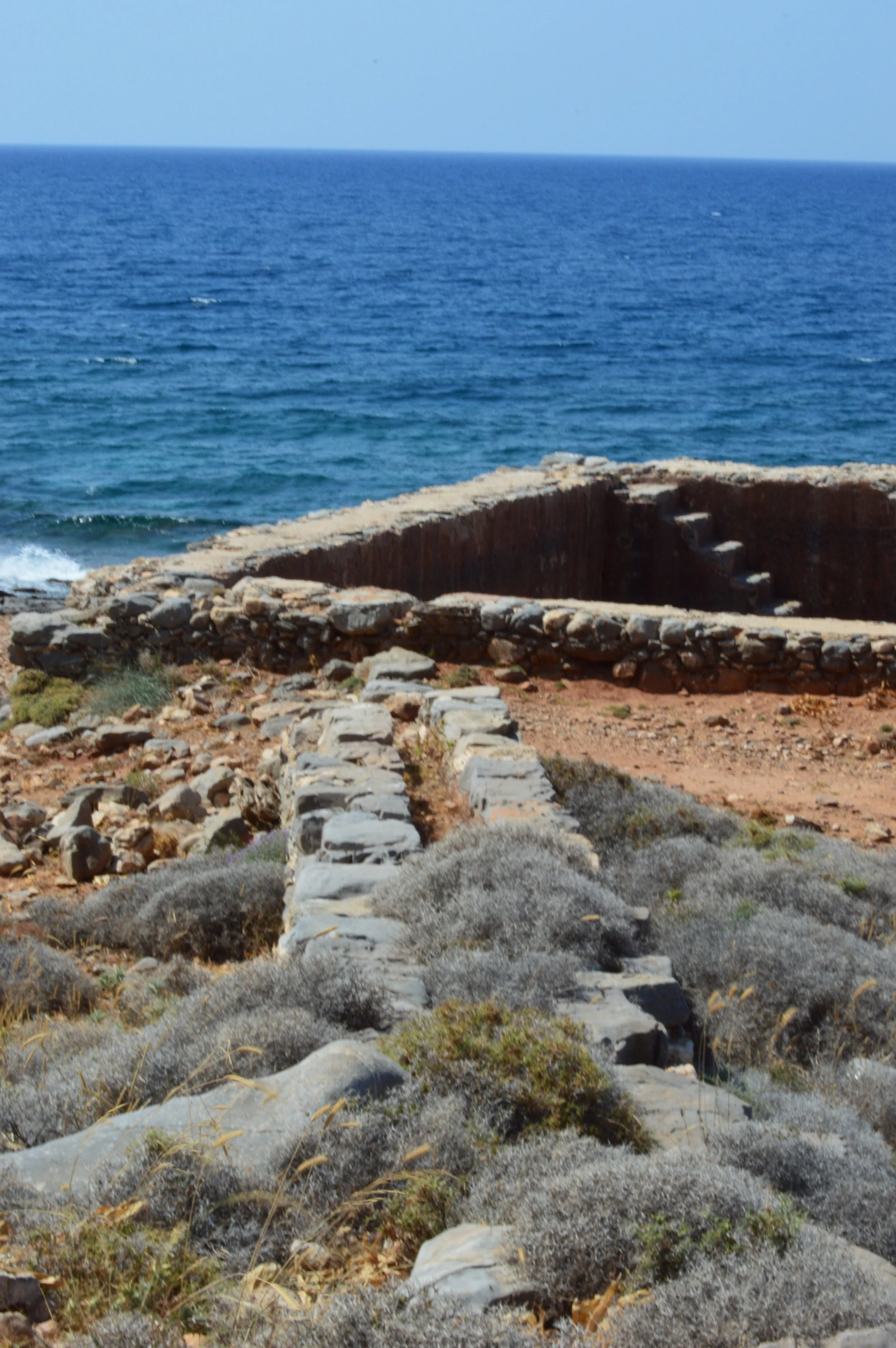
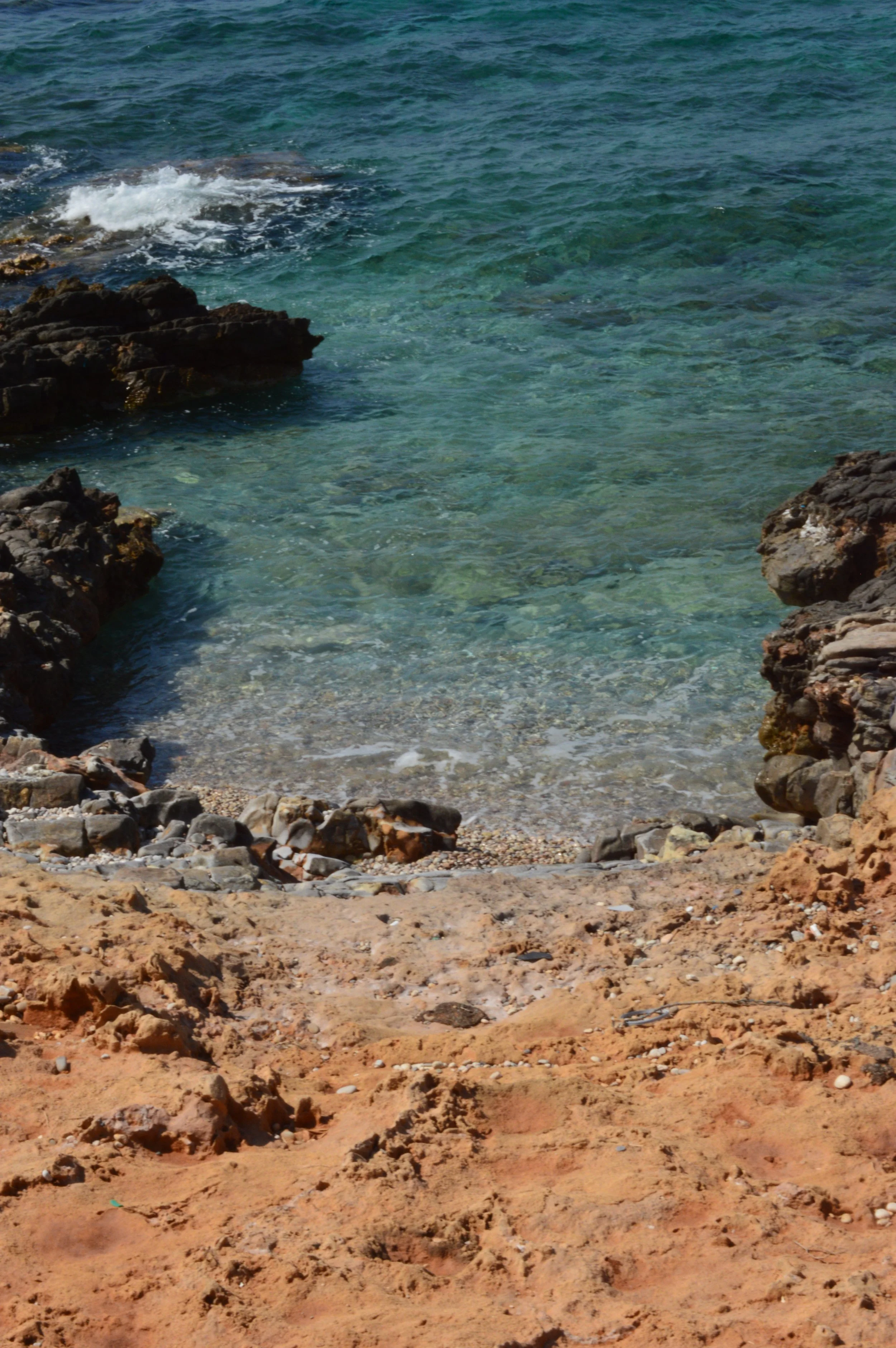
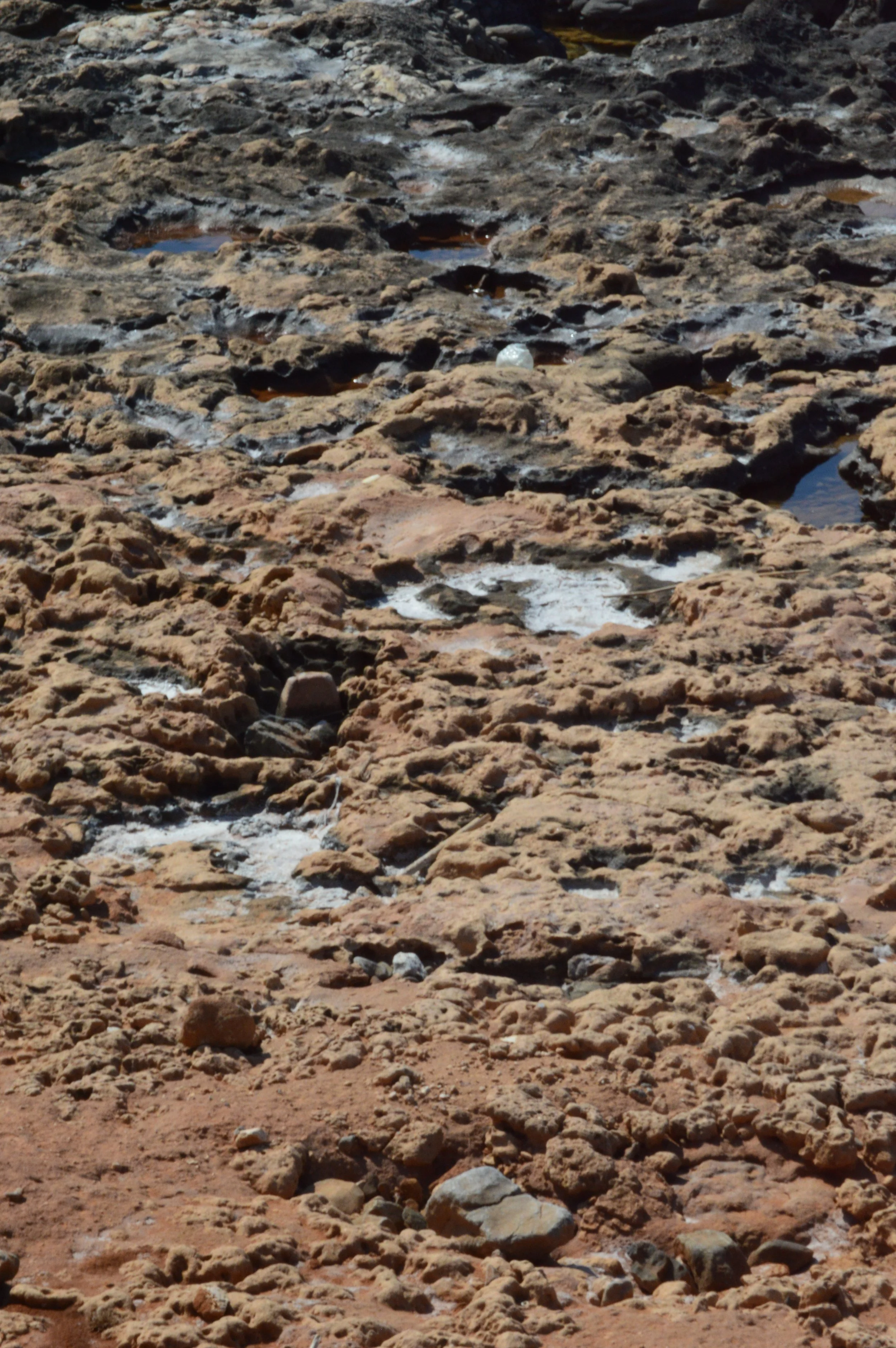
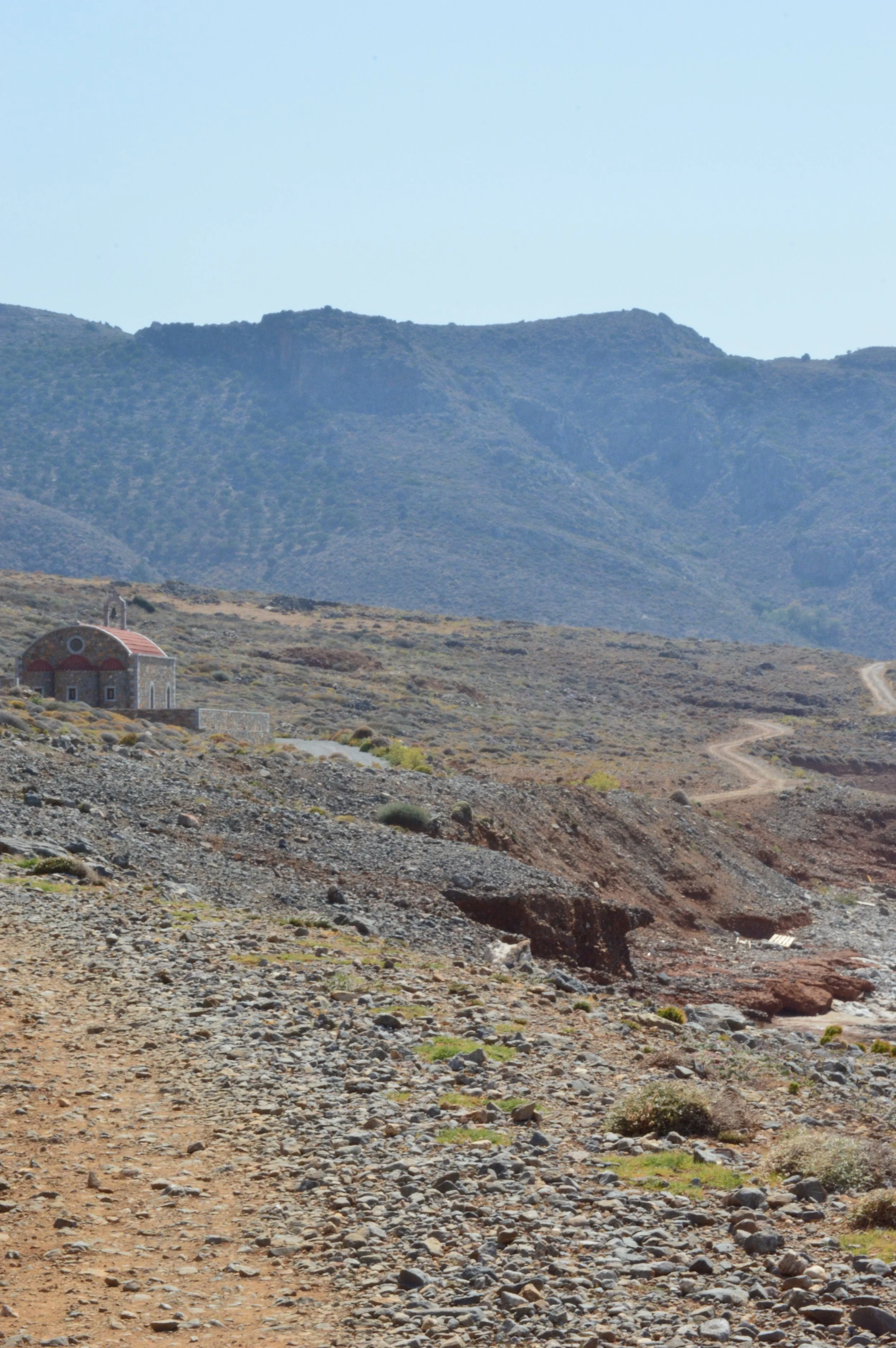
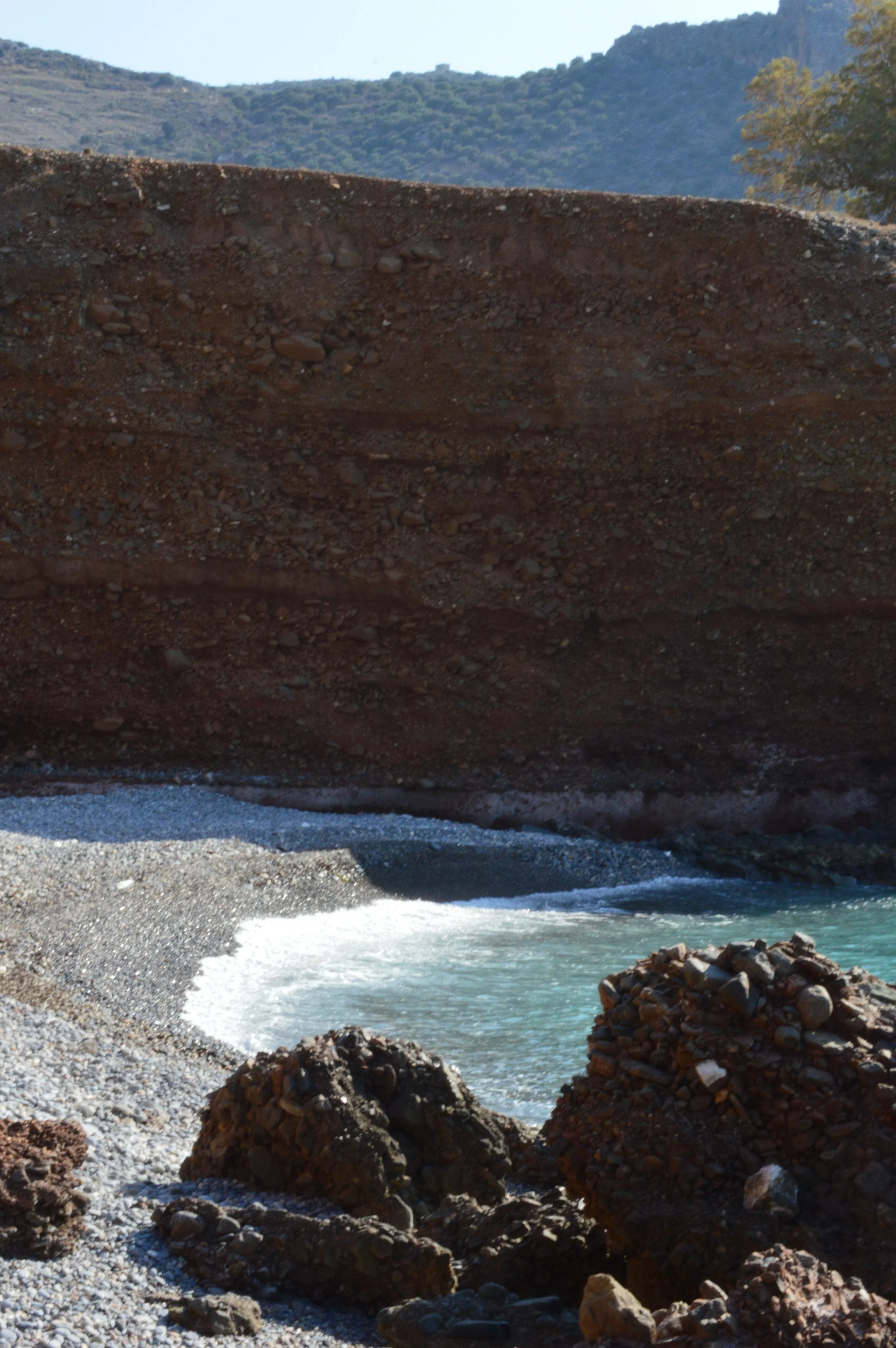
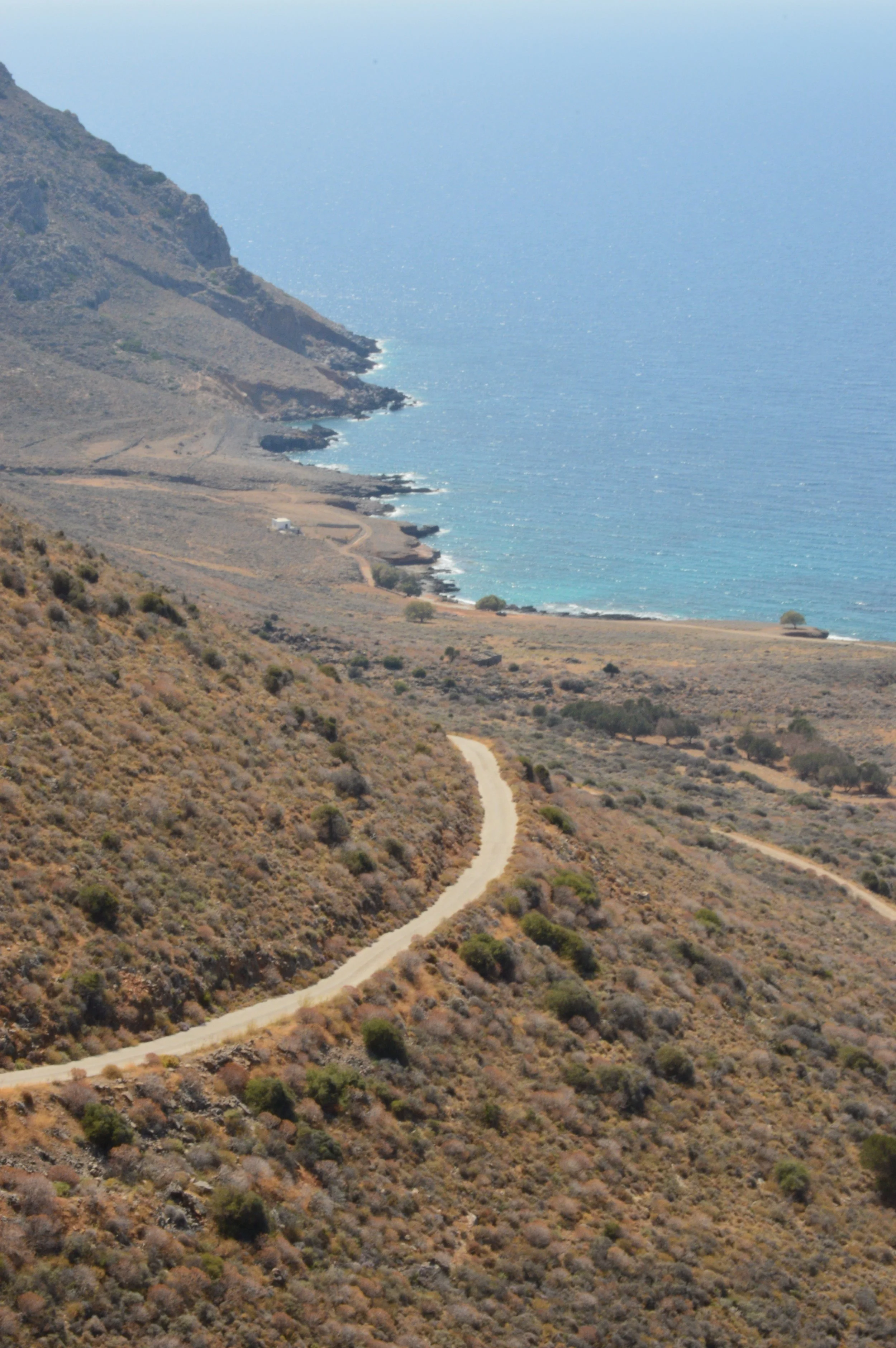
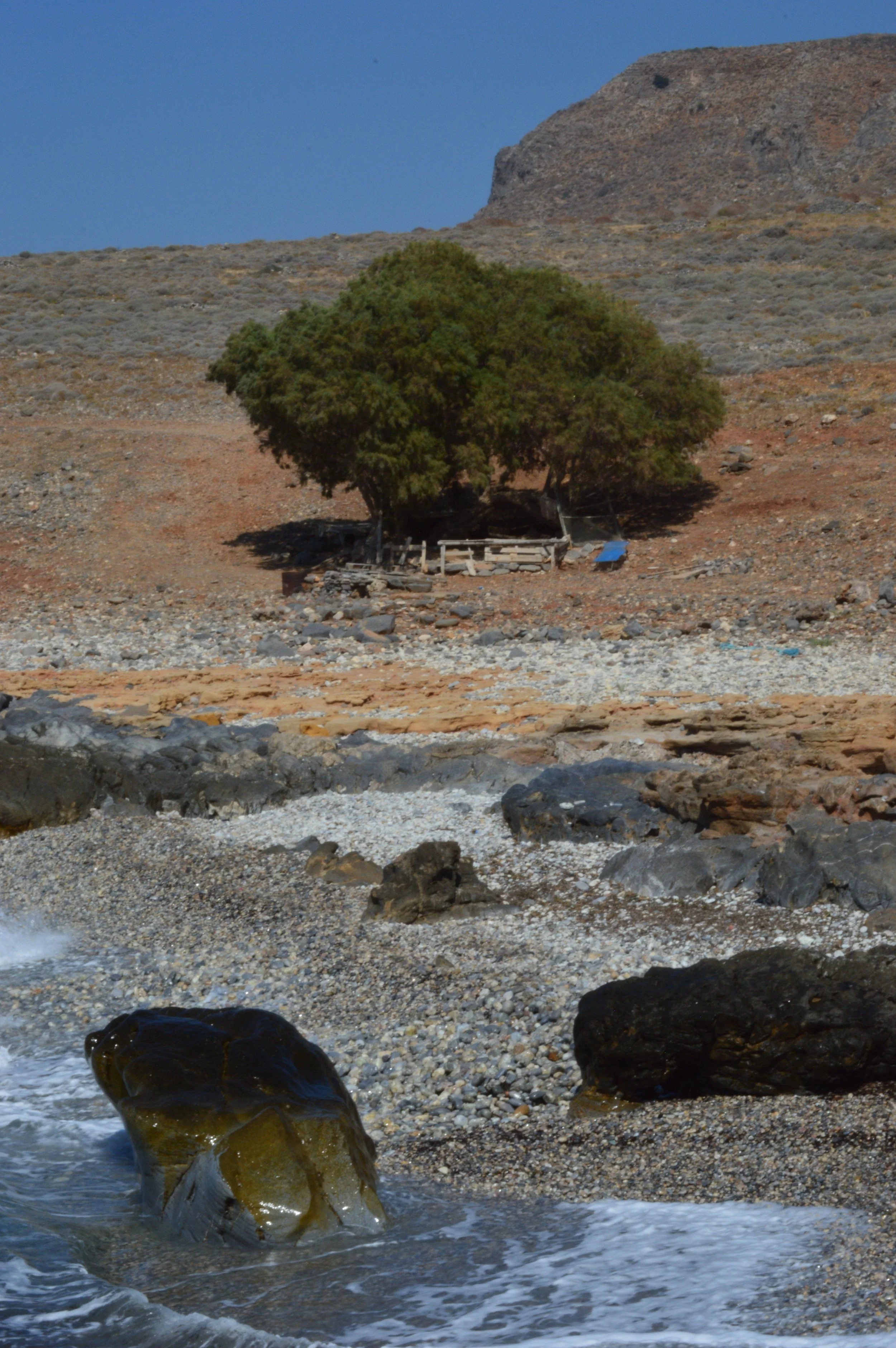
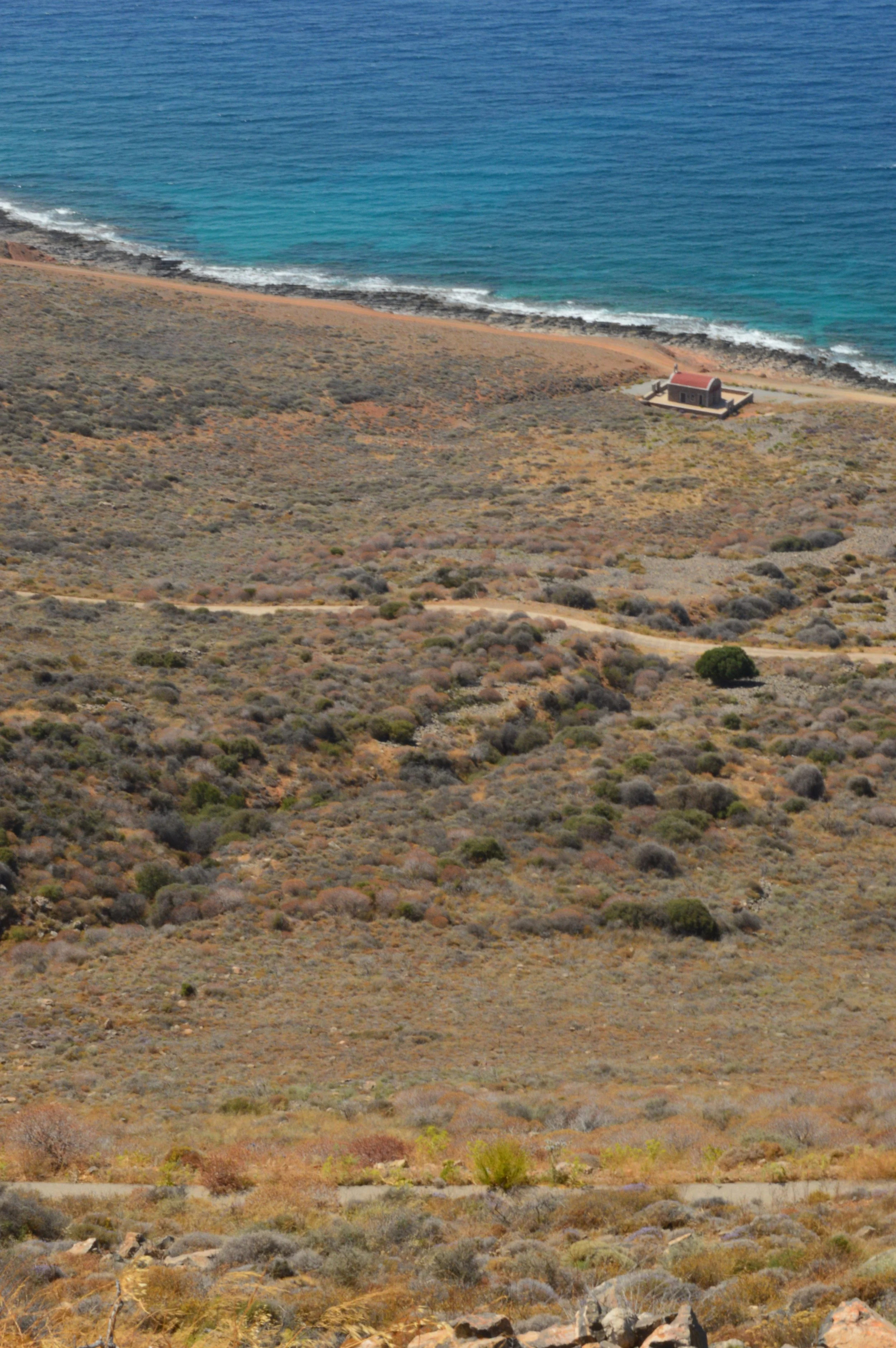
Aspa Beach, in the wider area of Vrachasi, is another possible stop on the route before returning to Agios Nikolaos.
This coastal area offers a quieter setting, away from some of the busier organised beaches. Depending on conditions, it can be a pleasant place to stop for a swim or enjoy the coastline.
Small beaches in this area can be affected by wind and sea conditions, so it is worth checking conditions before planning a longer beach stop.
You can make this your final stop before returning towards Agios Nikolaos, completing a road trip that combines villages, history and the coastline.
Practical Tips for This Road Trip
Allow time for Milatos Cave: The cave is one of the main highlights of the route, and the walk from the parking area and exploration inside require some time.
Bring a flashlight: Parts of Milatos Cave are dark, and a light source is useful for exploring safely.
Wear comfortable shoes: The path leading to the cave and the uneven ground inside make suitable footwear important.
Check the weather: Beach conditions can change depending on wind and sea conditions, particularly at smaller coastal stops.
Take your time in the villages: Neapoli and the smaller villages along the route are best explored without rushing.
Adapt the trip: You do not need to visit every stop. Choose the villages, cave and beach stops that interest you most.
Frequently Asked Questions
How long does this road trip take?
The route can be explored as a half-day or full-day trip. The amount of time depends on how long you spend in Neapoli, the villages, Milatos Cave and the beaches.
Is Milatos Cave worth visiting?
Yes. Milatos Cave is both a natural cave and an important historical site. It is associated with the tragic events of 1823, when local people took refuge there during the conflict with Ottoman and Egyptian forces. The cave contains a memorial and a small church.
Is Milatos Cave easy to access?
There is a road leading towards the cave, followed by a walk along a path to the entrance. The path and cave interior have uneven terrain, so comfortable shoes and a light source are recommended.
Can I swim during this road trip?
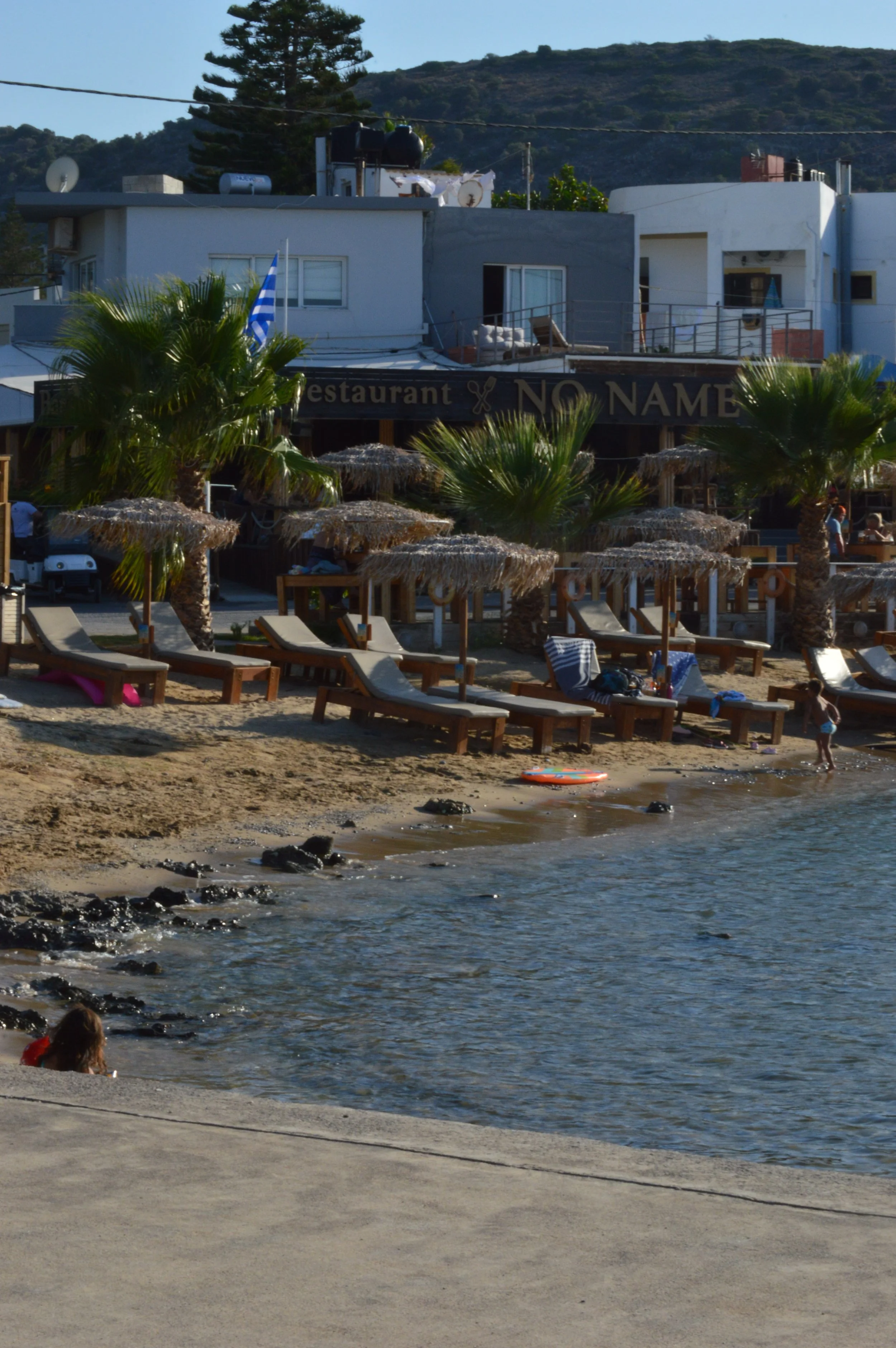
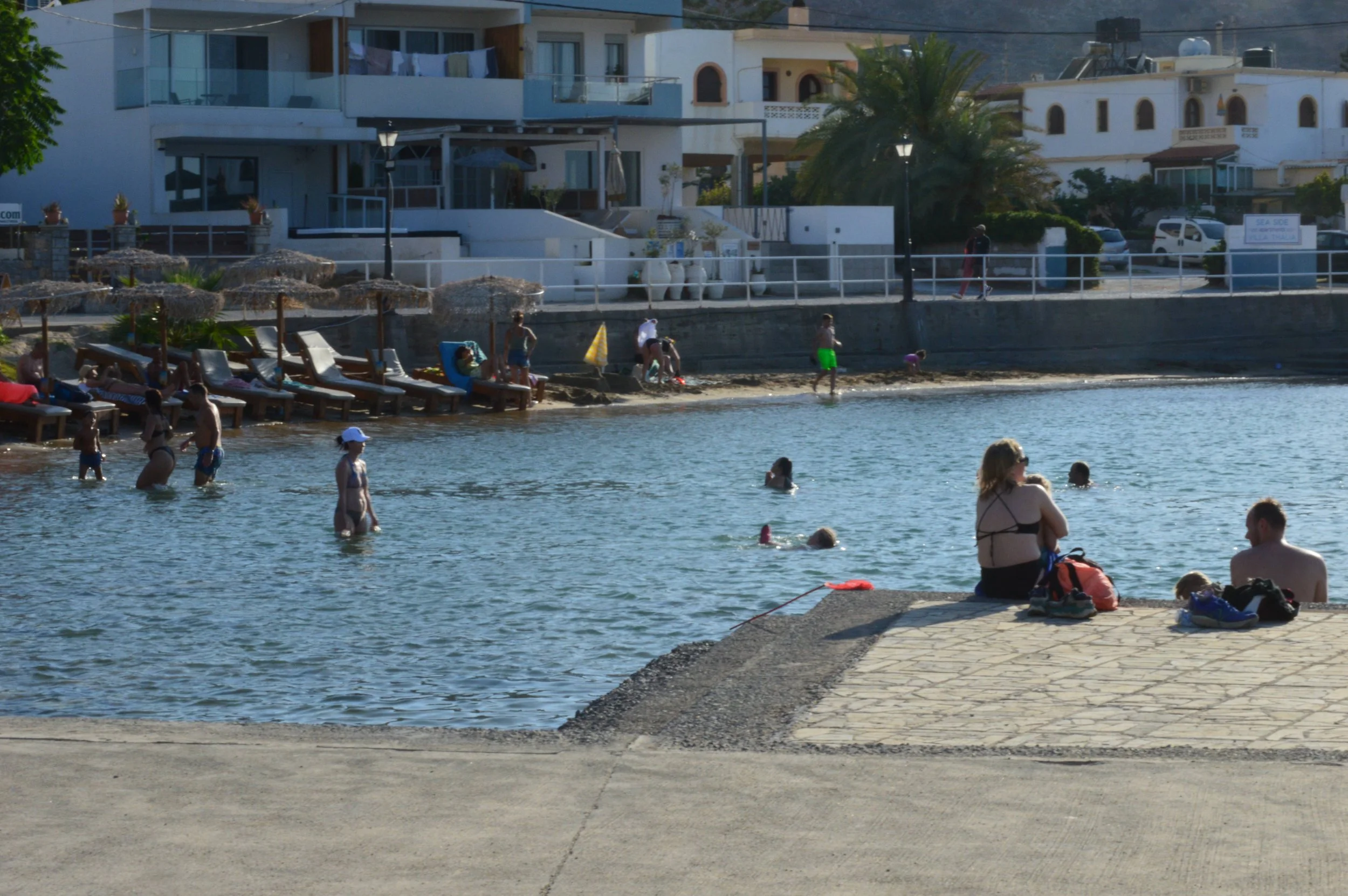
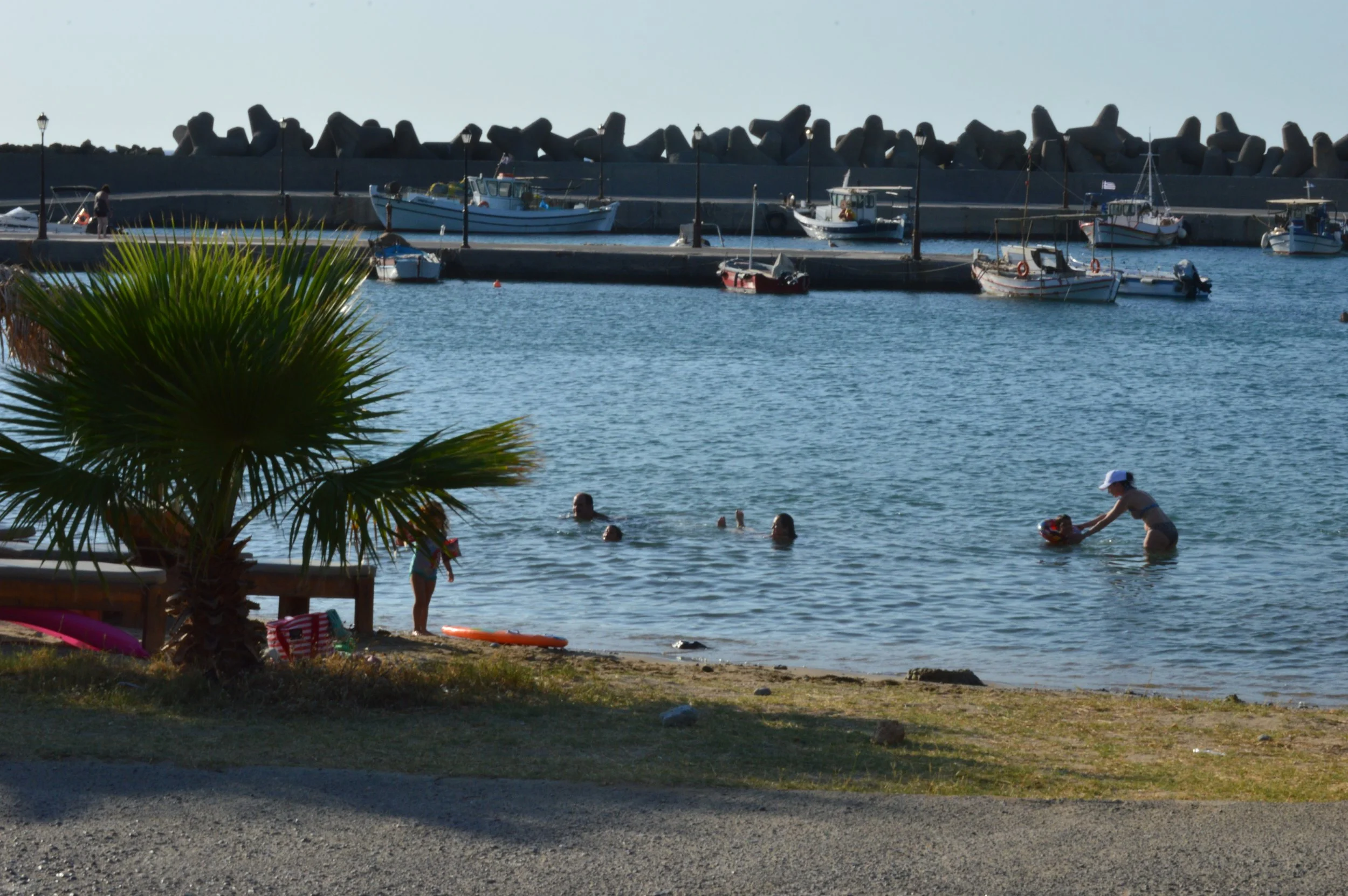
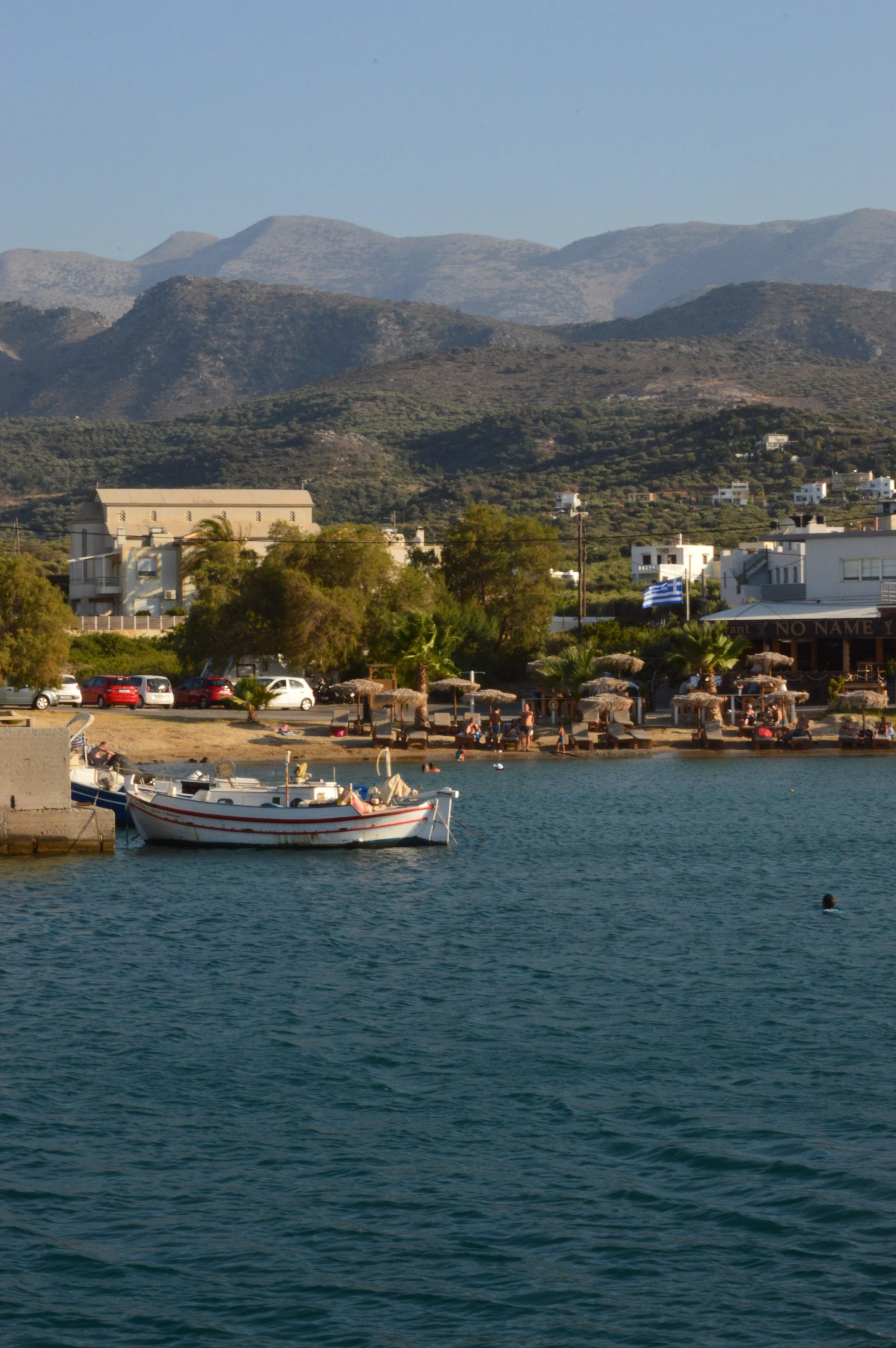
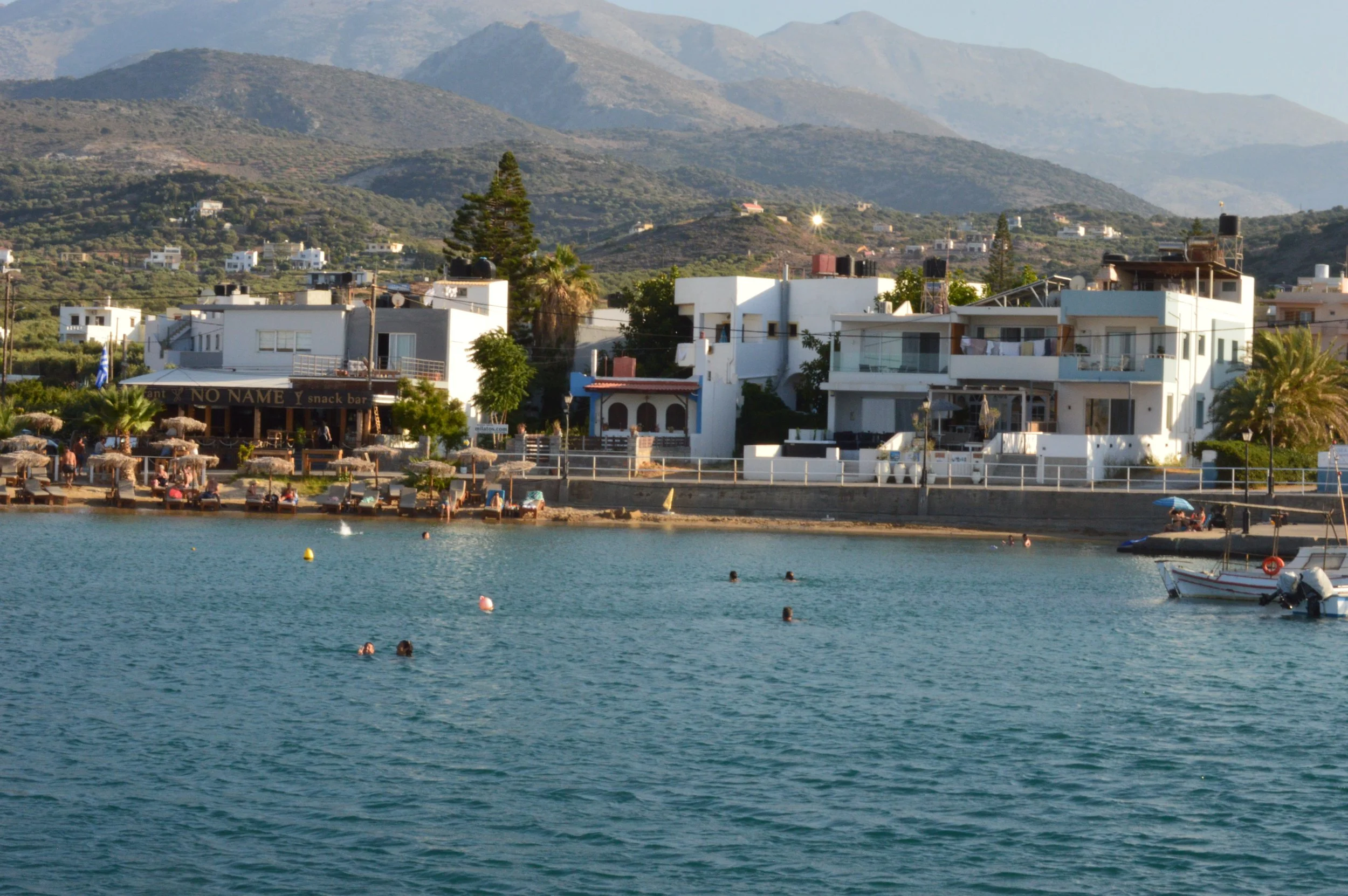
Yes. The route includes coastal stops such as Chochlakies Beach and Aspa Beach, where you may be able to swim depending on weather and sea conditions. In Milatos port beach you will be able to swim for sure, it is protected.
Is this road trip suitable for families?
The driving route and village stops are generally suitable for families. However, the walk to Milatos Cave and the uneven ground inside require care, especially with young children. Beach conditions should also be checked before swimming.
Can I skip some stops along the route?
Yes. This is a flexible road trip, and you can choose to visit only the places that interest you. Neapoli, Milatos Cave and one of the coastal stops can form a shorter outing, while adding the villages along the way makes the trip more complete.