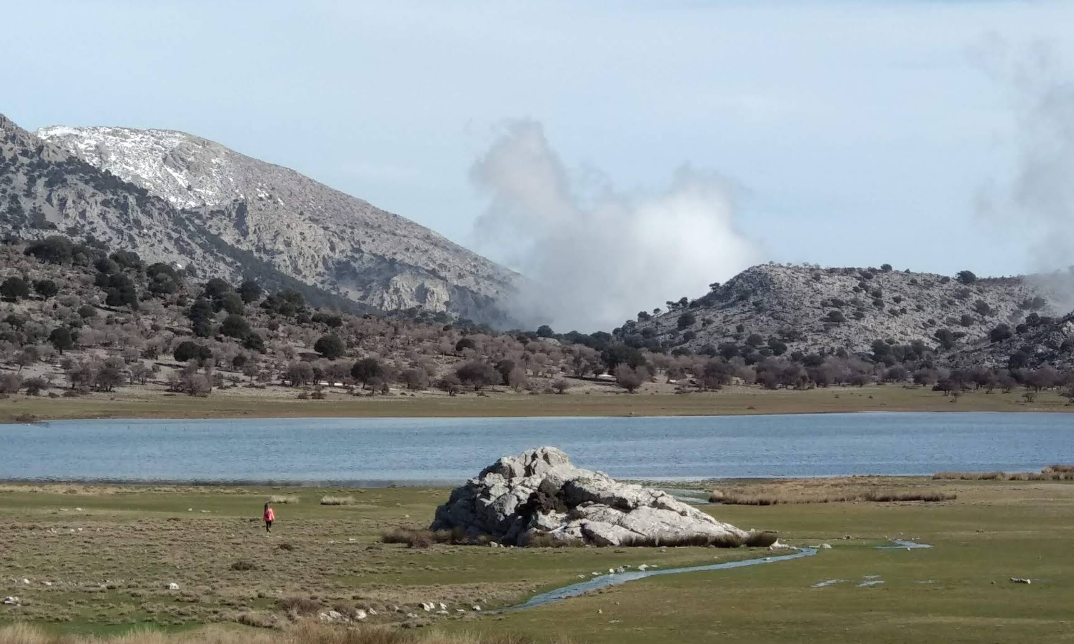
Omalos Viannou Plateau, Crete
Omalos Viannou Plateau, Crete – Mountain Landscapes & Seasonal Lake
Introduction
Hidden high in the southern Dikti mountain range, Omalos Viannou Plateau is one of the most impressive and lesser-known mountain landscapes in Eastern Crete. Located in the municipality of Viannos, in the Heraklion regional unit, this remote plateau lies at approximately 1,350 metres above sea level and is surrounded by some of the highest peaks of the Dikti Mountains.
Unlike the more famous Omalos Plateau in western Crete, near the Samaria Gorge, Omalos Viannou offers a quieter and more secluded mountain experience. Its wide open basin, surrounding peaks, pine-covered slopes and seasonal lake create a landscape that changes dramatically throughout the year.
During winter and spring, rainfall and melting snow can transform the centre of the plateau into a shallow lake. As summer approaches, the water gradually disappears, revealing open grassland and a landscape traditionally connected with mountain grazing and shepherding.
For visitors interested in discovering the less familiar landscapes of Crete, Omalos Viannou is a remarkable destination combining nature, mountain scenery and local heritage.
The Mountain Landscape of Omalos Viannou
Omalos Viannou forms part of the southern Dikti mountain range, an extensive mountainous area that dominates the landscape of southern Lasithi and eastern Heraklion.
The plateau sits at approximately 1,350 metres and stretches for around 4.5 kilometres, with a relatively narrow width of up to 600 metres. It is surrounded by imposing mountain peaks, including Afendi Christou, which rises to approximately 2,025 metres, as well as the neighbouring summits of the Dikti range.
The enclosed shape of the plateau creates a distinctive natural environment. Instead of the steep slopes and narrow valleys found in many parts of Crete, visitors encounter a broad mountain basin surrounded by high rocky ridges.
The landscape changes with the seasons. In winter, snow can cover the surrounding mountains and occasionally reach the plateau itself. During spring, the area becomes greener, with wildflowers appearing across the open ground. By summer, the vegetation becomes drier and the landscape takes on the characteristic colours of the Cretan highlands.
This combination of open mountain scenery, seasonal water and surrounding forests makes Omalos Viannou one of the most distinctive natural areas in southern Crete.
The Seasonal Lake of Omalos
One of the most remarkable features of Omalos Viannou is its seasonal lake.
During the winter months, rainfall and water from melting snow collect in the central part of the plateau, creating a shallow temporary lake. The underlying geological layers restrict the drainage of water, allowing it to remain on the surface for part of the year.
As temperatures rise and the drier months approach, the water gradually drains through a natural sinkhole, and much of the lake disappears.
The seasonal wetland is an important ecological feature of the plateau. The temporary lake and surrounding habitats support a variety of plant and animal life adapted to this high-altitude environment. It is recognised as a significant seasonal wetland in the Greek island landscape, situated at approximately 1,300 metres above sea level.
The appearance of the lake is not guaranteed throughout the year. Its size and duration depend on rainfall, snowmelt and the conditions of each winter. Visitors hoping to see it should generally consider late winter or spring, while checking recent local conditions before travelling.
Flora and Wildlife of the Dikti Mountains
The wider Omalos Viannou area is recognised for its ecological importance and forms part of the Natura 2000 protected network.
Its natural habitats include pine woodland, Mediterranean scrub, rocky limestone slopes, seasonal streams and temporary wetlands. The vegetation changes according to altitude, exposure and water availability, creating a variety of habitats within the same mountain landscape.
The region is home to several endemic plant species of Crete, including Origanum dictamnus, commonly known as dittany of Crete, a plant traditionally associated with the island's mountain landscapes.
The surrounding mountains also provide habitat for important wildlife. Birds of prey recorded in the wider protected area include the bearded vulture, griffon vulture, golden eagle and peregrine falcon. Other endemic and protected species are also associated with the area's natural habitats.
The ecological value of the region makes responsible exploration particularly important. Visitors should remain on appropriate routes, avoid disturbing wildlife and take all rubbish with them.
The Chapel of Agios Pneumatos
On the western side of the plateau stands the small chapel of Agios Pneumatos, dedicated to the Holy Spirit.
The chapel is an important local landmark and forms part of the traditional religious and pastoral history of Omalos. A natural spring inside the chapel area has historically provided water for shepherds and people working in the mountains.
According to historical accounts, the chapel was built during the final years of Ottoman rule. It is also associated with the local resistance, as the surrounding area served as a refuge and operational base for Cretan fighters.
The chapel adds a cultural dimension to the landscape, connecting the natural environment with the history of the communities that lived and worked in these mountains.
The Feast of the Holy Spirit is celebrated around the chapel, bringing local people together in this remote mountain setting.
Traditional Shepherding and Mountain Life
Omalos Viannou has long been associated with traditional pastoral life. Its open grasslands and surrounding mountain slopes have provided grazing grounds for livestock, while the natural spring has been an important resource for shepherds.
Even today, visitors may encounter livestock and local shepherds working in the area. Traditional mountain activities remain part of the character of the plateau, offering a glimpse into a way of life closely connected with the seasons and the natural environment.
Small pastoral structures and simple shelters reflect the practical needs of people who spent long periods in the mountains.
The plateau is not a developed tourist destination, and its appeal lies partly in this simplicity. It offers an opportunity to experience a quieter part of Crete, far from the coastal resorts and busy visitor routes.
Hiking and Exploring Omalos Viannou
The wider mountain area around Omalos Viannou offers opportunities for walking and hiking, with routes connecting the plateau to nearby villages and surrounding peaks.
The open landscape allows visitors to appreciate the scale of the Dikti Mountains, while the surrounding forested slopes and rocky terrain offer a more varied mountain environment.
Routes can approach the plateau from different directions, including the areas around Kato Symi, Ano Viannos and Miliarades. Some routes are established local approaches, while others require good navigation and knowledge of the mountain terrain.
Hiking conditions depend heavily on the season. During winter, snow, low temperatures and poor visibility can make mountain routes difficult. In spring, the landscape is generally more inviting, although muddy ground may remain around the seasonal lake. During summer, the exposed sections can become hot, even at this altitude.
Visitors planning a longer hike should check the route, weather and access conditions beforehand. Those unfamiliar with the area should consider exploring with an experienced local guide.
The Ancient Sanctuary of Hermes and Aphrodite at Krya Vrysi
One of the most interesting cultural attractions on the approach to Omalos Viannou is the ancient sanctuary of Hermes and Aphrodite at Krya Vrysi, near Kato Symi.
The sanctuary is considered one of the important ancient religious sites in the region. Archaeological evidence indicates that worship at the site continued for approximately 2,700 years, making it an exceptional example of long-lasting religious activity in Crete.
Its location within the mountainous landscape reflects the historical importance of the area and the connections between ancient communities, mountain routes and religious traditions.
Visitors approaching the plateau from Kato Symi can combine the journey with a stop at the archaeological site, adding an important cultural dimension to their visit.
The sanctuary is a separate archaeological attraction, so visitors should check the current access arrangements and respect any restrictions at the site.
Best Time to Visit Omalos Viannou Plateau
Omalos Viannou can be visited in different seasons, but the experience changes considerably throughout the year.
Late winter and spring are particularly interesting for visitors who want to see the seasonal lake and the surrounding landscape at its greenest. Snow may remain on the higher peaks, while wildflowers and fresh vegetation appear across the plateau.
Summer offers clearer weather and generally better conditions for reaching the mountain area, although temperatures and exposure should still be considered when planning walks.
Autumn brings a quieter atmosphere and cooler temperatures, making it a pleasant period for exploring the surrounding countryside.
Winter visits require more preparation. Snow, ice, fog and poor road conditions can make access difficult, and visitors should not assume that the approach roads remain suitable for ordinary vehicles throughout the season.
Practical Information Before Visiting
Omalos Viannou is a remote mountain destination with limited visitor facilities. There are no developed tourist services on the plateau, so visitors should plan their journey carefully.
Important things to consider:
Check road and weather conditions before setting out.
Carry sufficient drinking water and food.
Wear suitable footwear if exploring the plateau on foot.
Bring warm clothing, even during warmer months, as mountain weather can change quickly.
Use an appropriate vehicle for the condition of the access road.
Download an offline map before travelling, as mobile coverage may be limited in some sections.
Respect the seasonal wetland, local livestock and surrounding natural habitats.
The plateau can be reached using different mountain approaches, but some access roads are unpaved and their condition can vary. Do not assume that every route is suitable for a standard rental car. If you are unfamiliar with the area, ask locally about the best approach before driving.
How to Get to Omalos Viannou Plateau
Omalos Viannou is located in the southern Dikti Mountains, above the villages of the Viannos region in Heraklion.
There are several possible approaches:
From Kato Symi: One of the commonly used approaches begins near Kato Symi. The route passes through the mountain landscape and pine woodland before continuing towards the plateau. The journey includes unpaved road sections.
From Ano Viannos: Another approach connects the wider Viannos area with the plateau through mountain roads.
From Miliarades and Emparos: Routes from the western side provide alternative access, although some sections may be rough and require a suitable vehicle.
The route from Kato Symi is particularly scenic, passing through the mountain woodland and the archaeological area of Krya Vrysi. However, road conditions should always be checked before travelling, as unpaved sections can change considerably after winter weather.
A suitable vehicle and careful route planning are recommended. Visitors should not rely exclusively on standard navigation applications when exploring remote mountain roads.
Places to Discover Near Omalos Viannou
A visit to the plateau can be combined with several traditional villages, historical landmarks and natural attractions in southern Crete.
Kato Symi
A traditional mountain village surrounded by woodland and agricultural landscapes. It is one of the main starting points for exploring Omalos Viannou and the nearby archaeological sanctuary.
Ano Viannos
The historic settlement of Ano Viannos is known for its traditional architecture, local culture and important history during the Second World War. Its museums and surrounding villages provide a deeper understanding of the region.
Krya Vrysi Archaeological Sanctuary
Located near Kato Symi, this ancient sanctuary dedicated to Hermes and Aphrodite is an important archaeological landmark. It is particularly interesting for visitors who want to combine natural exploration with the ancient history of southern Crete.
Selakano Forest
One of the most important natural woodland areas of the Dikti Mountains, Selakano Forest is known for its extensive pine woodland, mountain scenery and traditional beekeeping. It is another excellent destination for visitors interested in the natural landscapes of Eastern Crete.
Arvi Gorge and Waterfall
Further south, Arvi Gorge offers a dramatic landscape of steep rocky walls and natural formations. The surrounding area also includes the coastal settlement of Arvi, known for its agricultural production and seaside character.
Keratokampos and Keratokampos Beach
A quiet coastal destination on the southern coast of Crete, with beaches, small tavernas and views across the Libyan Sea. It offers a complete contrast to the mountain environment of Omalos.
Discover the Mountain Landscapes of Southern Crete
Omalos Viannou Plateau is one of the most distinctive natural destinations in the southern Dikti Mountains. Its seasonal lake, open mountain basin, surrounding peaks and traditional pastoral character create a landscape that is very different from the coastal scenery for which Crete is widely known.
Beyond its natural beauty, the plateau also preserves traces of the region's religious, historical and agricultural heritage. From the chapel of Agios Pneumatos to the ancient sanctuary of Hermes and Aphrodite, the wider area offers several reasons to explore beyond the main plateau.
For visitors willing to travel into the mountains, Omalos Viannou provides an opportunity to discover a quieter and less familiar side of Crete, where nature, history and traditional mountain life remain closely connected.