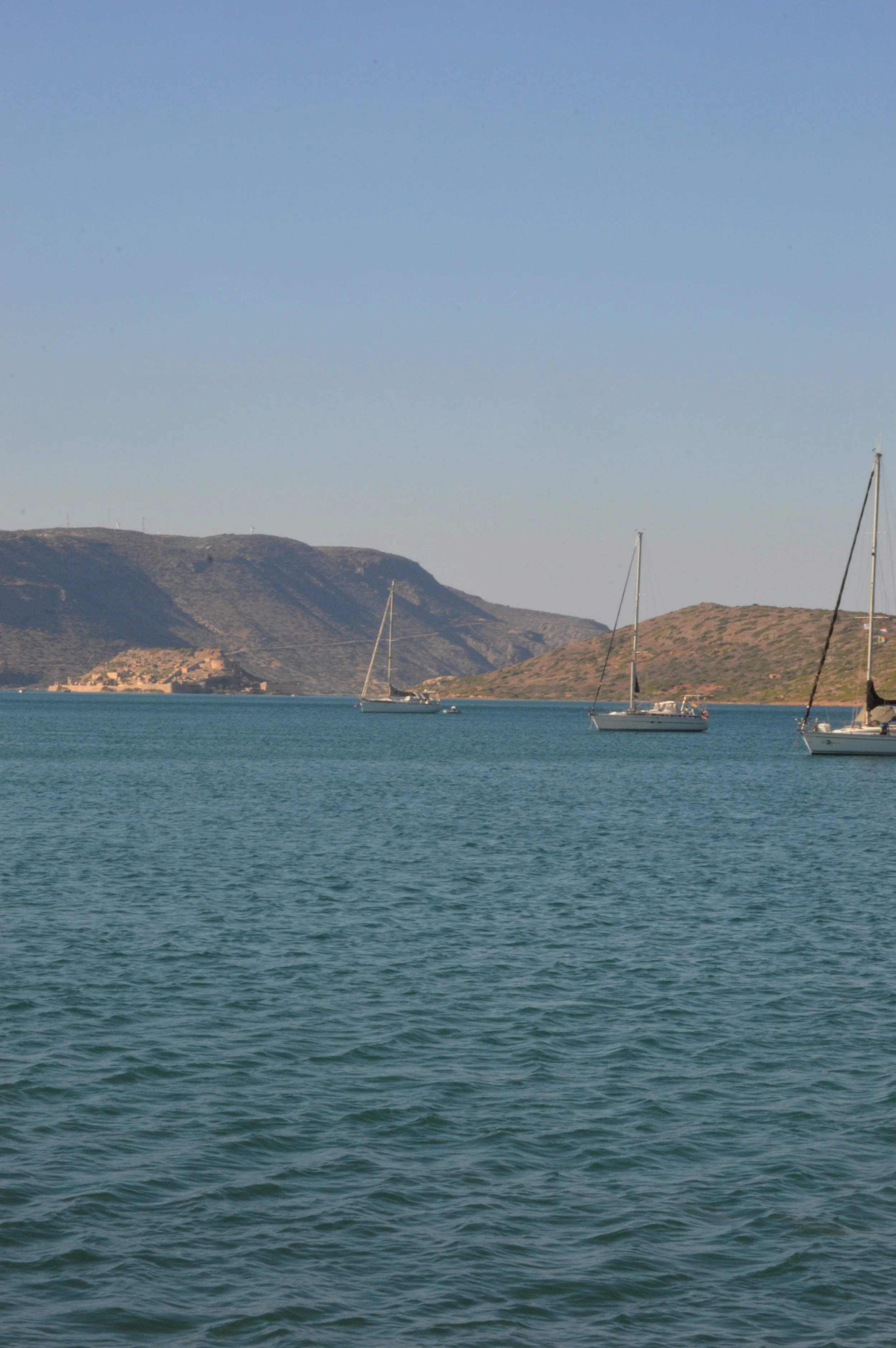
Spinalonga, Crete
Venetian Fortress, History & Archaeological Heritage
Spinalonga, Crete – Venetian Fortress, History & Archaeological Heritage
Spinalonga is one of the most remarkable historical sites in Crete. Located at the entrance of Elounda Bay, in Mirabello Gulf, this small fortified island has witnessed several centuries of history, from ancient defensive settlements to Venetian military architecture, Ottoman life and its time as a leprosy colony.
The island is particularly famous for its impressive Venetian fortress, built during the 16th century to protect the strategic harbour of Elounda. However, its history goes much further back. Today, visitors can walk along its stone pathways, explore the remains of the old settlement, discover historic buildings and enjoy beautiful views across the surrounding coastline.
Ancient Origins – The Island of Kalydon
Before becoming known as Spinalonga, the islet was associated with the ancient name Kalydon. Its strategic position at the entrance of Elounda's natural harbour made it important for the defence of the ancient city of Olous, which was located on the nearby coast.
Evidence of earlier fortifications has been recorded on the island, indicating that its defensive importance existed long before the Venetians arrived.
The ancient city of Olous was an important coastal settlement in the region, with maritime and commercial connections. Its remains can still be found around the area of present-day Elounda, including submerged archaeological remains along the coastline.
The Venetian Fortress
The most recognisable feature of Spinalonga is its impressive Venetian fortress.
The Venetians began constructing the fortifications in 1579, developing one of the most important sea fortresses in the Mediterranean. Its purpose was to protect the natural harbour of Elounda, control maritime access and defend the valuable salt-producing areas of the region.
The fortress was designed according to the bastion system of military architecture, with strong defensive walls, strategically positioned bastions and artillery positions adapted to the rocky landscape.
Its location and powerful fortifications allowed Spinalonga to remain under Venetian control even after much of Crete had fallen to the Ottomans. Following the surrender of Heraklion in 1669, the island remained a Venetian stronghold until 1715, when it was finally surrendered to Ottoman forces after a siege.
Life During the Ottoman Period
After the Ottoman conquest in 1715, Spinalonga gradually developed into a permanent settlement.
Muslim families established homes and businesses on the island, using existing Venetian structures and building new houses. During the 19th century, the settlement grew into an important commercial community within the Mirabello region.
The remains of traditional houses, shops and narrow streets still reflect this period of the island's history. They provide a different perspective on Spinalonga, showing that it was not only a military fortress but also a place where people lived, worked and developed a community.
Spinalonga as a Leprosy Colony
One of the most significant and emotional chapters in Spinalonga's history began in the early 20th century.
In 1903, the Cretan State decided to establish a leprosy colony on the island. People affected by Hansen's disease, commonly known as leprosy, were sent there and isolated from the rest of society. The settlement later received patients from other parts of Greece.
Life on the island was difficult, particularly during the early years. Despite isolation and social stigma, the residents developed their own community, with homes, shops, a school, religious spaces and everyday social activities.
The colony officially closed in 1957, marking the end of a chapter that profoundly shaped the island's identity.
Today, the remains of the settlement serve as an important place of historical memory, helping visitors understand the experiences of the people who lived there.
Exploring Spinalonga Today
Walking around Spinalonga allows visitors to discover the different historical periods that shaped the island.
Among the main features are:
The Venetian Fortress: Impressive defensive walls, bastions and military structures surrounding the island.
The Old Settlement: Houses and narrow streets that reveal the island's Ottoman and later residential history.
The Leprosy Colony Buildings: Remains of homes and public facilities connected with the island's 20th-century community.
The Churches: Religious buildings that reflect different periods of the island's history.
The Historic Harbour: The small harbour area through which generations of inhabitants and visitors arrived.
One of the most recognisable entrances to the former settlement is known as Dante's Gate. The path around the island offers an opportunity to explore its historic buildings while enjoying views towards Plaka, Elounda and the wider Mirabello Gulf.
Visiting Spinalonga
Spinalonga can be visited by boat from several coastal locations, with the shortest crossing departing from Plaka, directly opposite the island.
Once on the island, visitors can follow the walking paths and explore the fortress and settlement at their own pace. Allow approximately 1.5–2 hours for a comfortable visit, depending on how much time you wish to spend exploring the historical remains.
The terrain includes uneven stone pathways, slopes and steps. Comfortable walking shoes, drinking water and sun protection are recommended, particularly during summer.
Spinalonga is an archaeological site, and visitors should respect the historic structures and avoid entering restricted or unstable buildings.
Best Time to Visit
Spring and autumn are particularly pleasant seasons to visit Spinalonga, with milder temperatures and generally more comfortable conditions for walking around the island.
During July and August, the island can become busy, especially around midday. An early morning or later afternoon visit can offer a more relaxed experience.
Boat services and archaeological site opening hours vary according to the season, so it is advisable to check arrangements before travelling.
Practical Information
Location: Entrance of Elounda Bay, Mirabello Gulf, Eastern Crete.
Historical periods: Ancient, Venetian, Ottoman and modern periods.
Main attraction: Venetian fortress and historic settlement.
Access: By boat from Plaka, Elounda or Agios Nikolaos.
Boat crossing: Approximately 5 minutes from Plaka and around 10 minutes from Elounda, depending on the service.
Visit duration: Approximately 1.5–2 hours.
Terrain: Uneven stone paths, steps and sloping sections.
Facilities: Toilets, café/restaurant and visitor facilities are available on the island.
Admission to the archaeological site and the boat transfer are separate expenses. Ticket prices, opening hours and boat schedules can change, so check the official Hellenic Heritage website before your visit.
How to Get to Spinalonga
The easiest way to reach Spinalonga is by boat from Plaka, a small coastal village located directly opposite the island. The crossing takes approximately five minutes.
Boats also depart from Elounda, while organised boat excursions are available from Agios Nikolaos. Travelling by car from Agios Nikolaos takes approximately 20 minutes to Plaka or 15 minutes to Elounda, depending on traffic.
The short journey from the mainland makes Spinalonga an ideal destination for a half-day excursion, which can easily be combined with a visit to Plaka or Elounda.
Places to Discover Nearby
Plaka: A traditional coastal village directly opposite Spinalonga, known for its waterfront tavernas and beautiful views of the island.
Elounda: A popular seaside destination with a picturesque harbour, restaurants and access to several coastal excursions.
Kolokytha Peninsula: A beautiful coastal area known for its clear waters, small coves and natural scenery.
Ancient Olous: The remains of an important ancient city near present-day Elounda, with archaeological structures partly submerged along the coast.
Agios Nikolaos: The main town of the Mirabello region, known for Lake Voulismeni, its harbour, museums and lively waterfront.
Discover the History of Spinalonga
Spinalonga is much more than a Venetian fortress or a former leprosy colony. It is a place where different civilisations, communities and historical periods have left their mark.
From its ancient defensive role and impressive Venetian fortifications to the lives of the people who inhabited the island during the Ottoman period and the 20th century, Spinalonga offers one of the most fascinating historical experiences in Eastern Crete.