Ancient Olive Tree of Kavousi, Crete
A Living Monument Over 3,000 Years Old
Ancient Olive Tree of Kavousi, Crete – A Living Monument Over 3,000 Years Old
Introduction
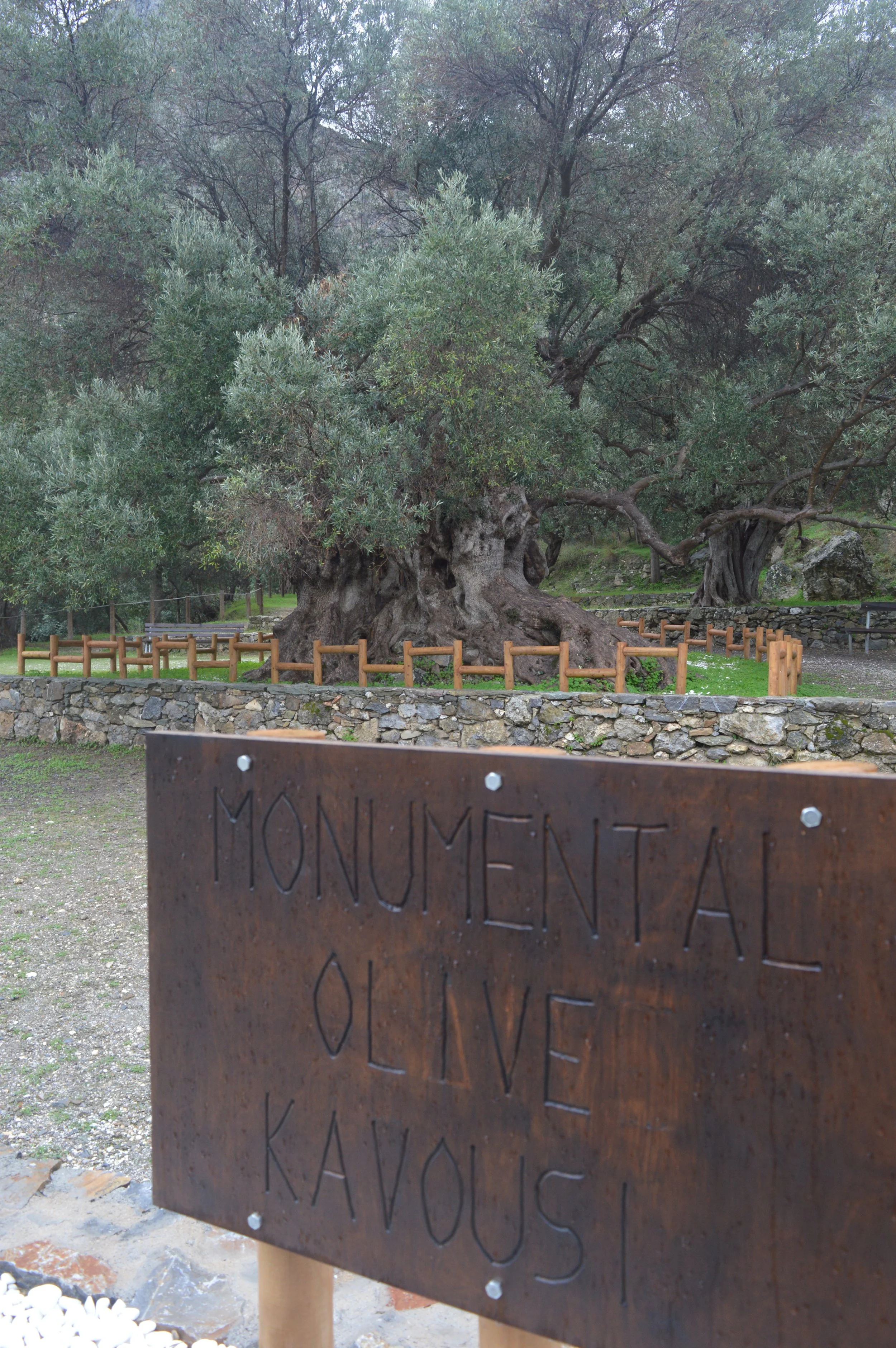
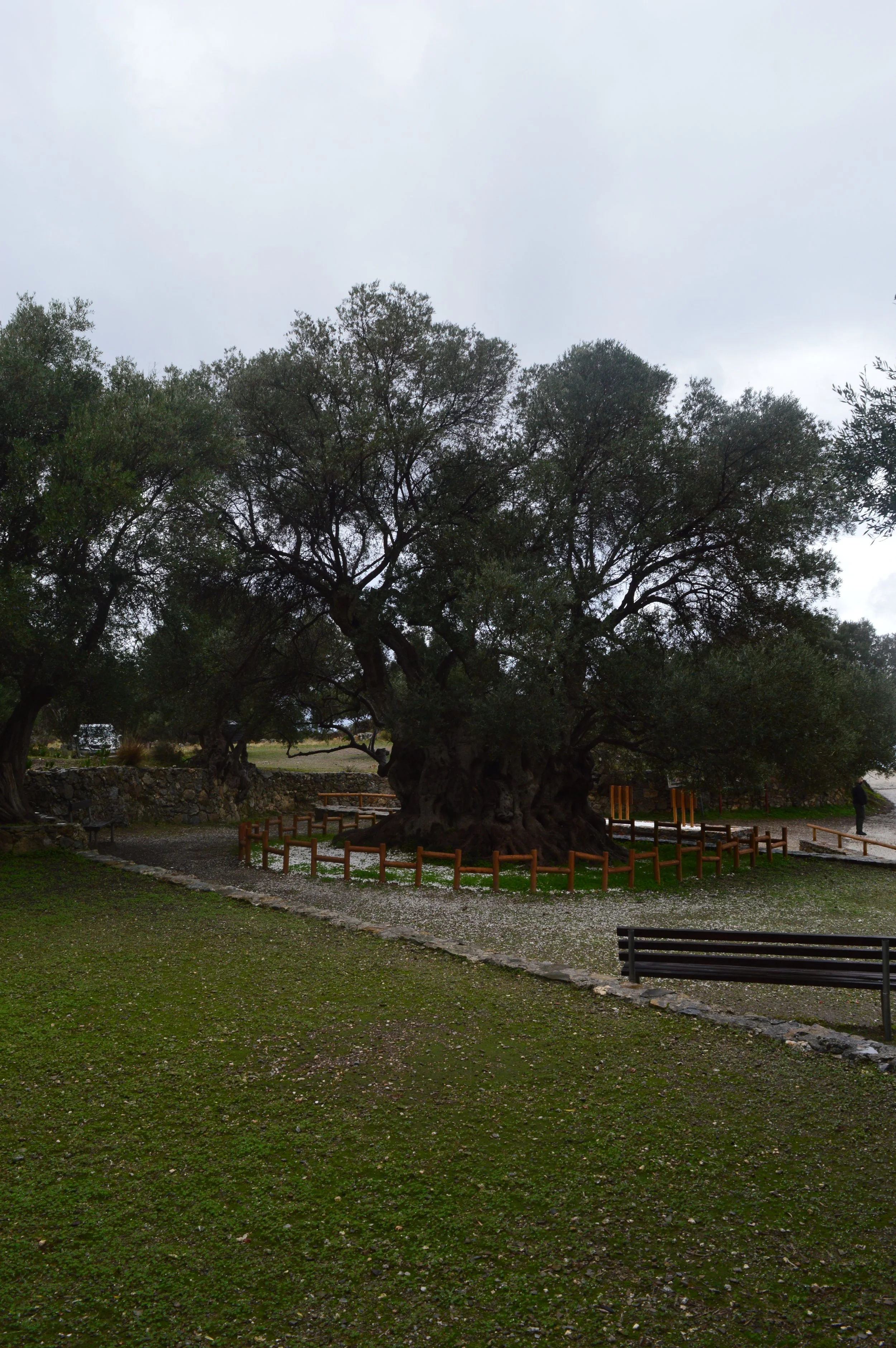
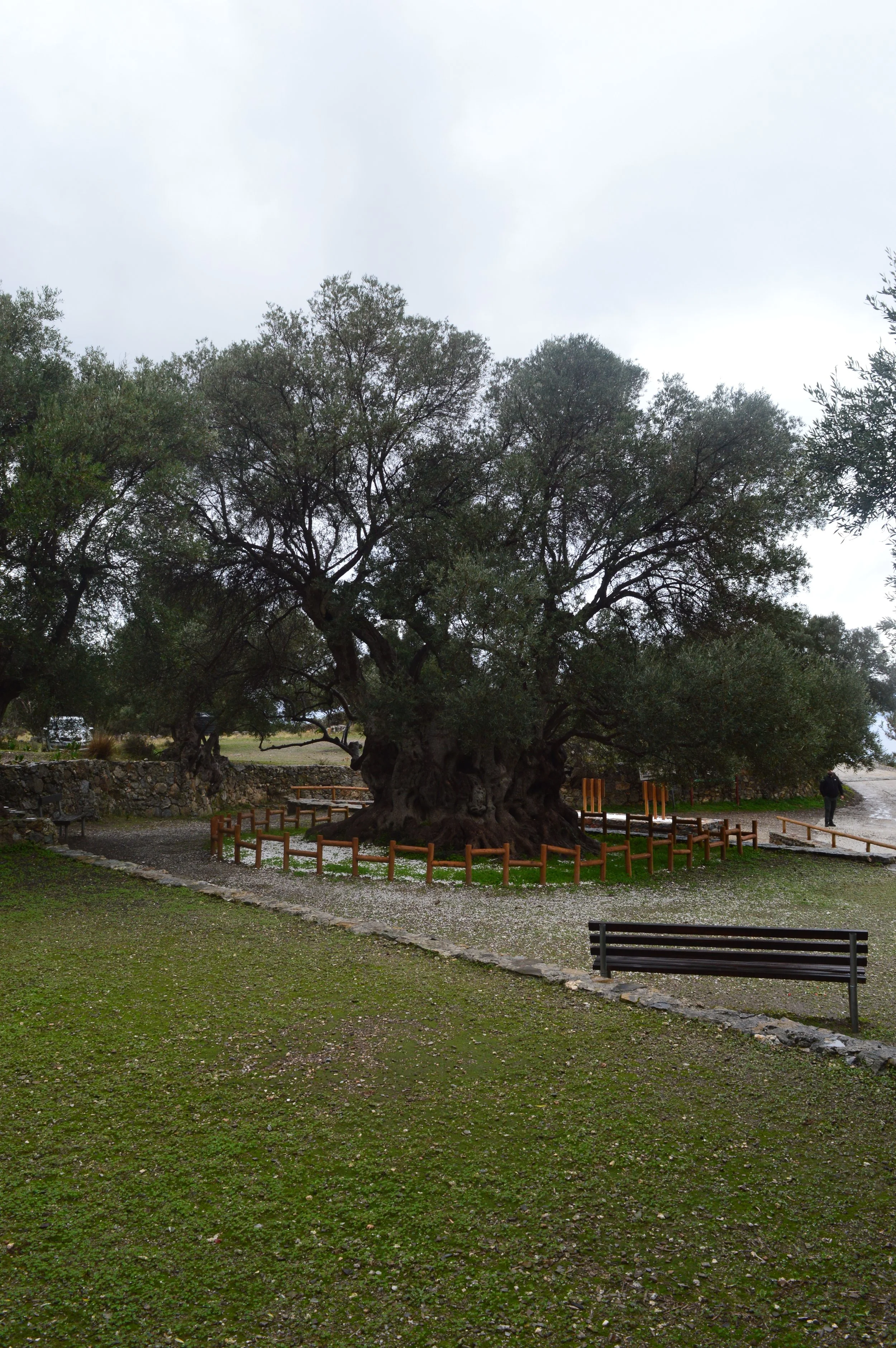
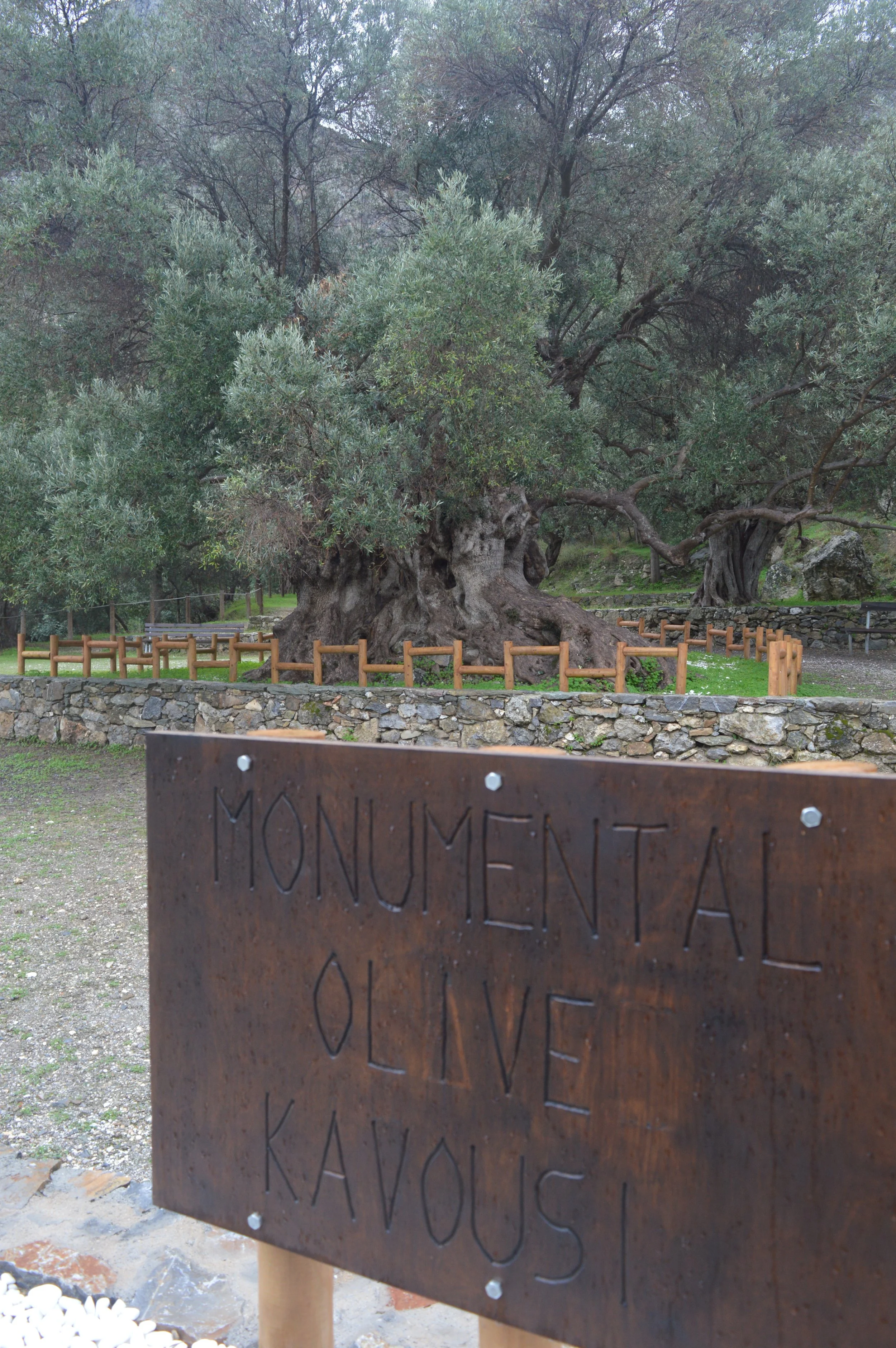
In the countryside south of Kavousi village, in eastern Lasithi, stands one of the most extraordinary natural monuments in Crete: the Ancient Olive Tree of Kavousi, also known as the Olive Tree of Azoria.
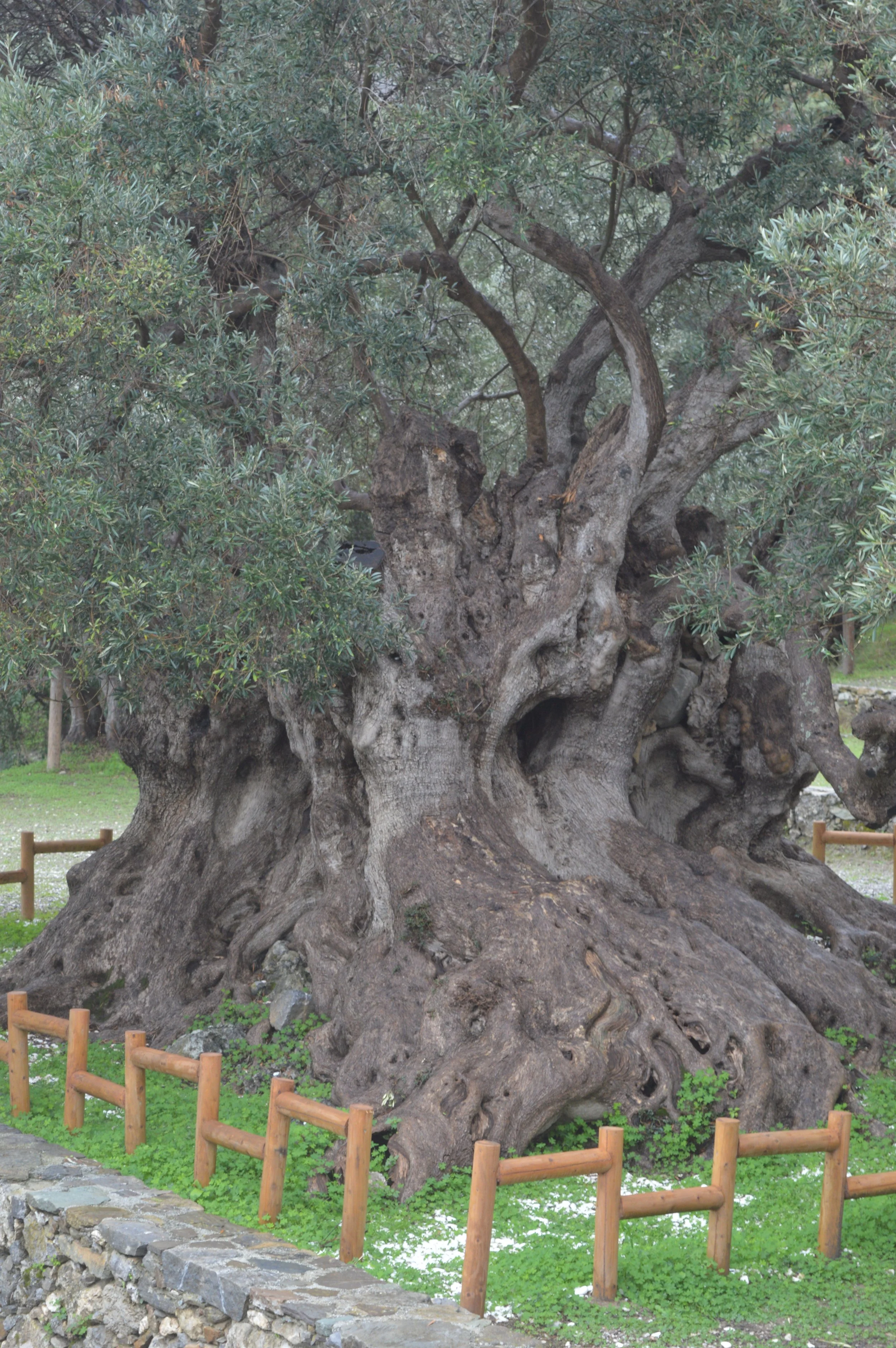
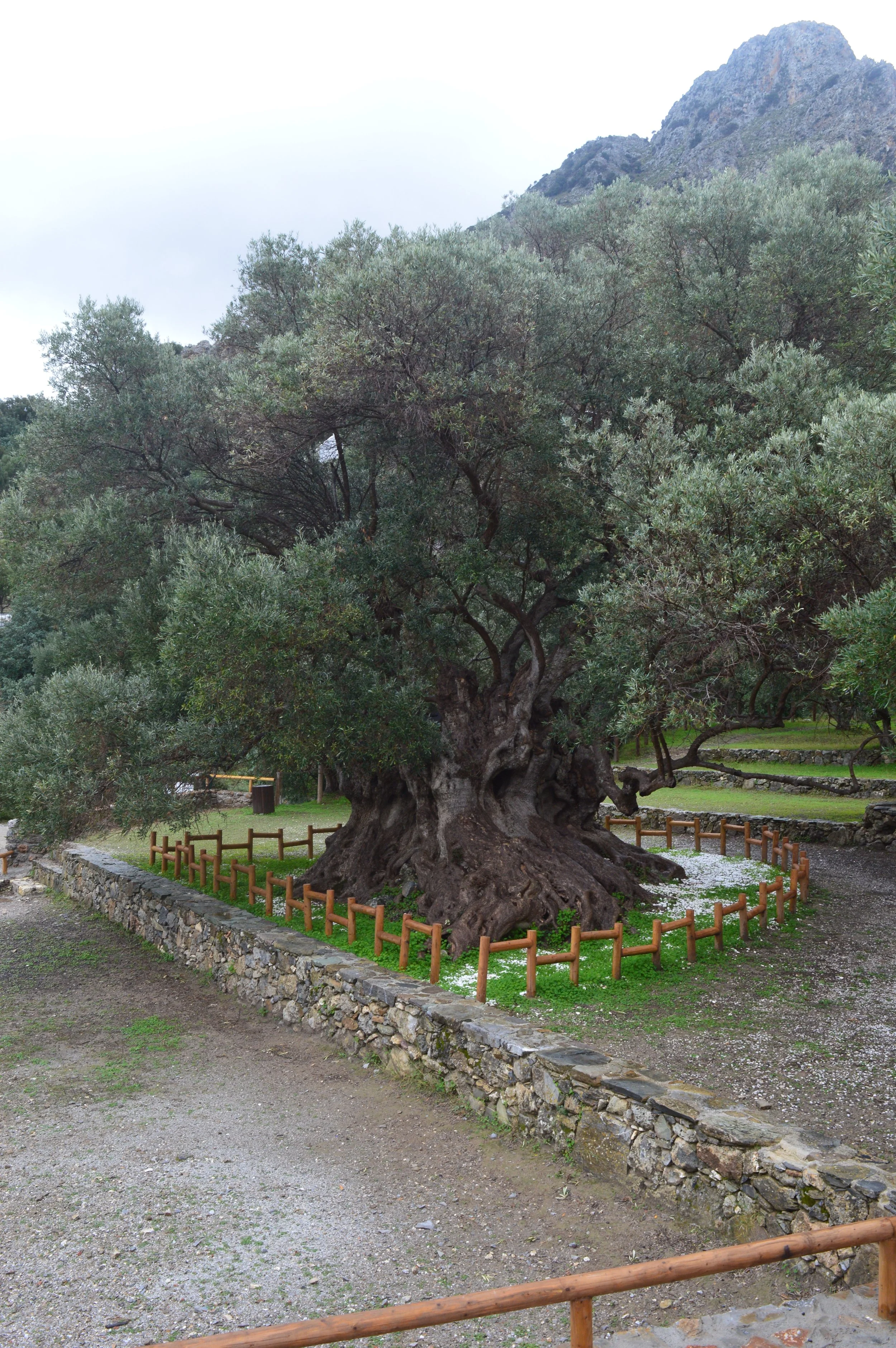
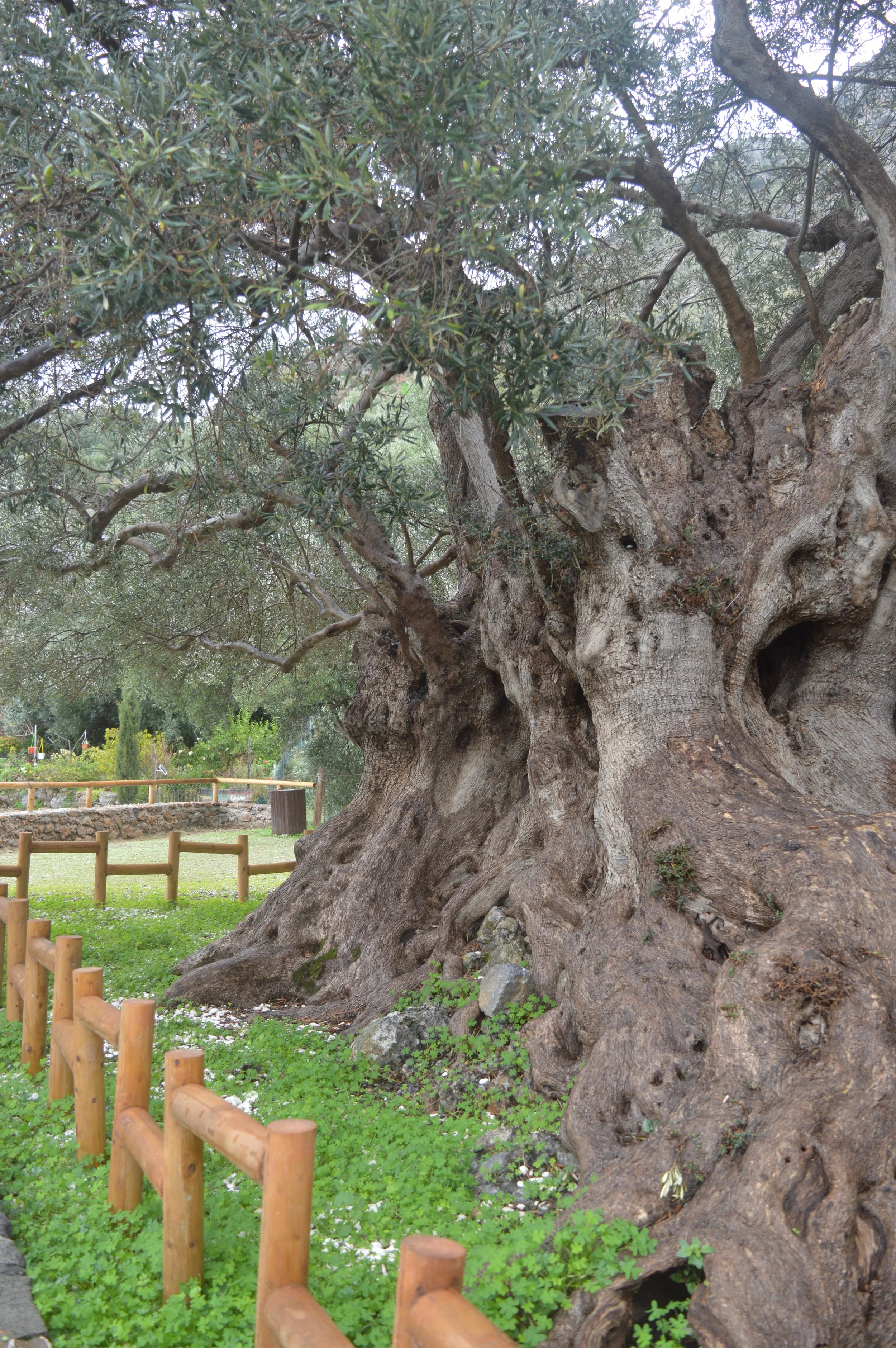
With an estimated age of approximately 3,250 years, this monumental tree has survived through different periods of Cretan history, from the Late Minoan era to the present day. Its enormous, sculptured trunk and distinctive branches make it an impressive sight, while its location near important archaeological settlements gives it particular historical significance.
The tree is not simply an example of the remarkable longevity of the olive. It represents the deep relationship between Crete, olive cultivation and the communities that have depended on this valuable tree for thousands of years.
A Tree That Has Witnessed More Than Three Millennia
The age of the Ancient Olive Tree of Kavousi is generally estimated at around 3,250 years, placing its origins approximately between 1350 and 1100 BC, during the Late Minoan period.
Estimating the age of an ancient olive tree is not straightforward. Olive trunks grow irregularly, often become hollow and can develop new growth around older sections. For this reason, the age of the Kavousi tree has been estimated through its trunk measurements and a method based on the approximate growth rate of the species.
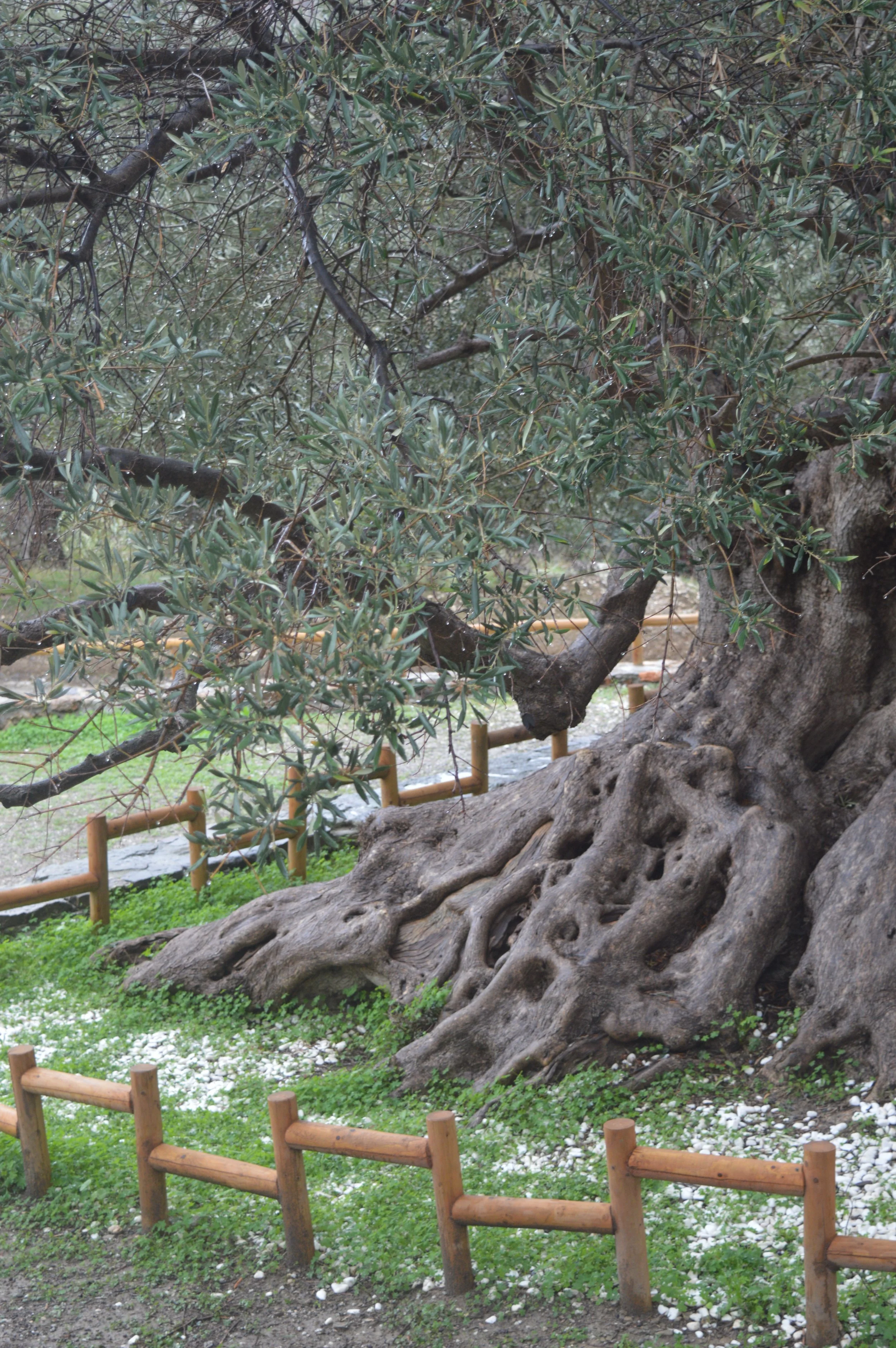
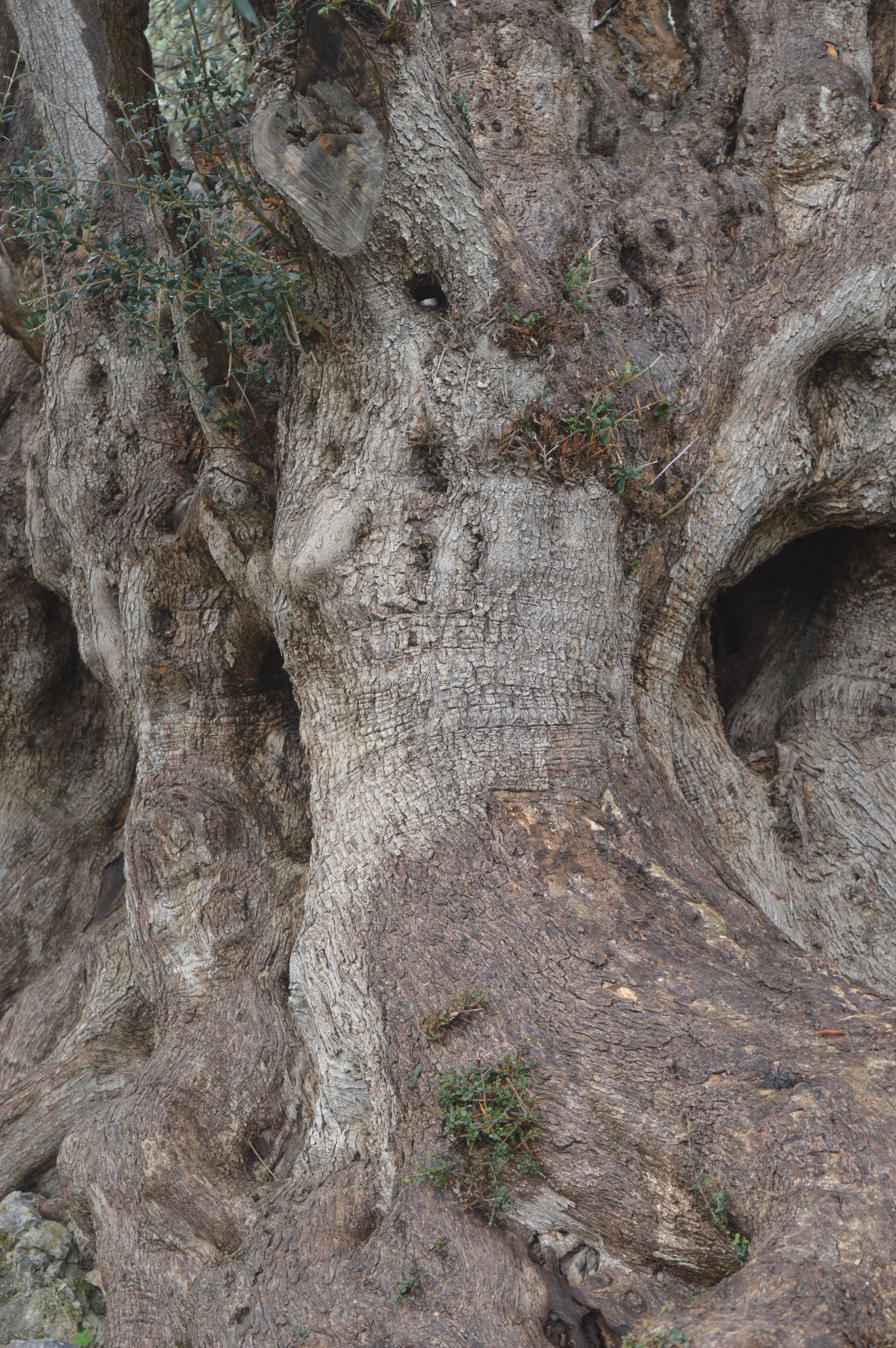
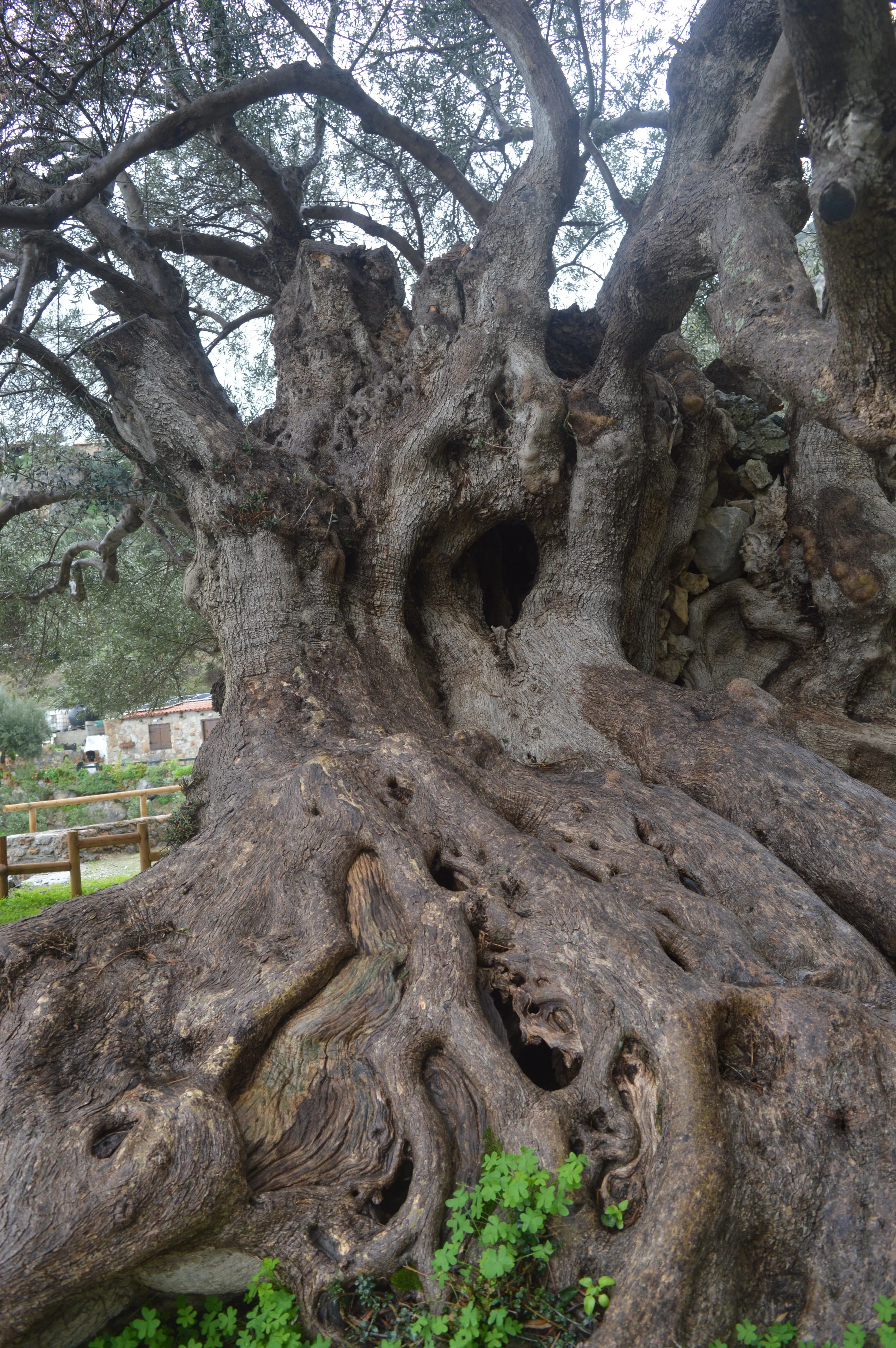
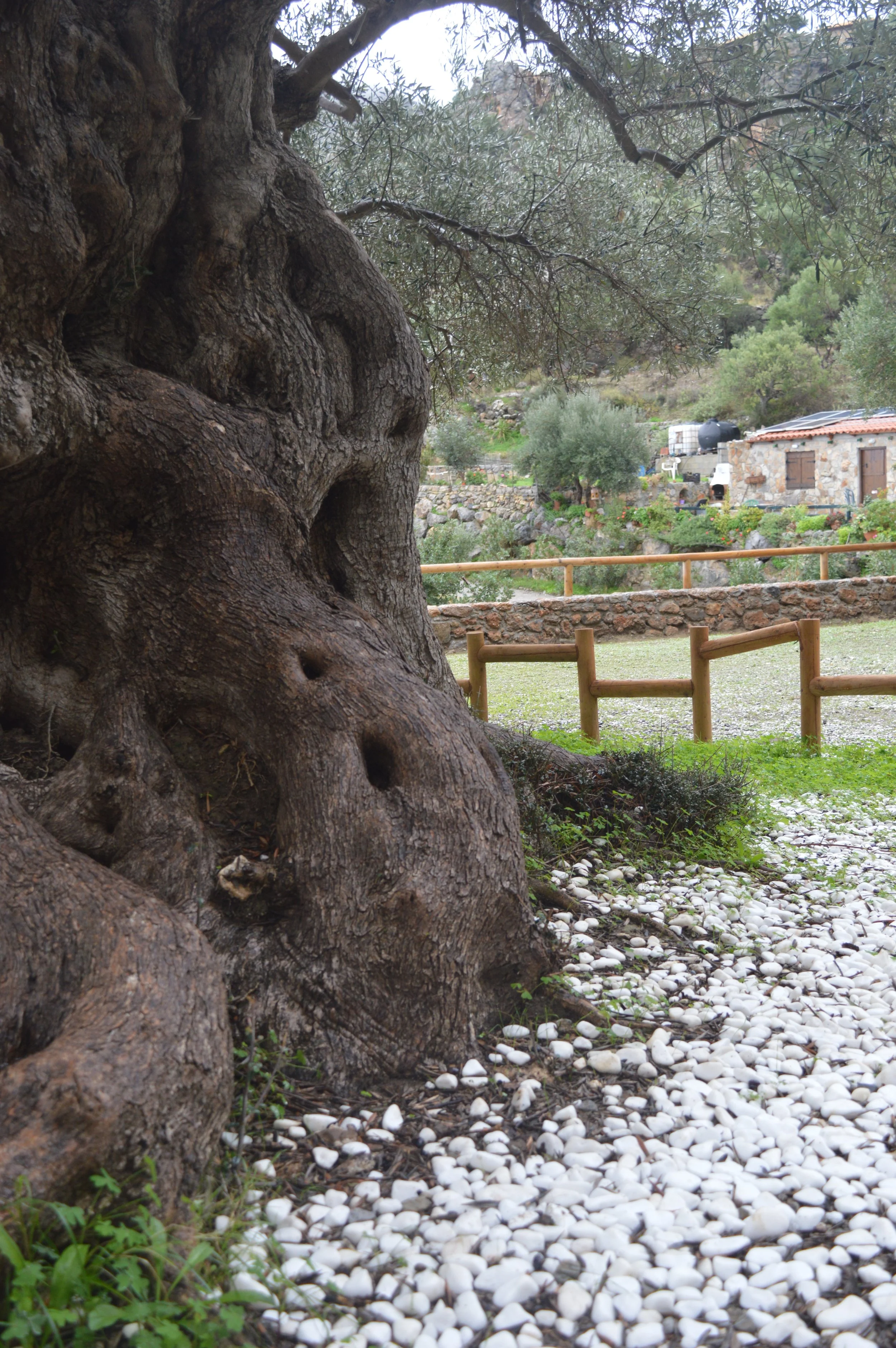
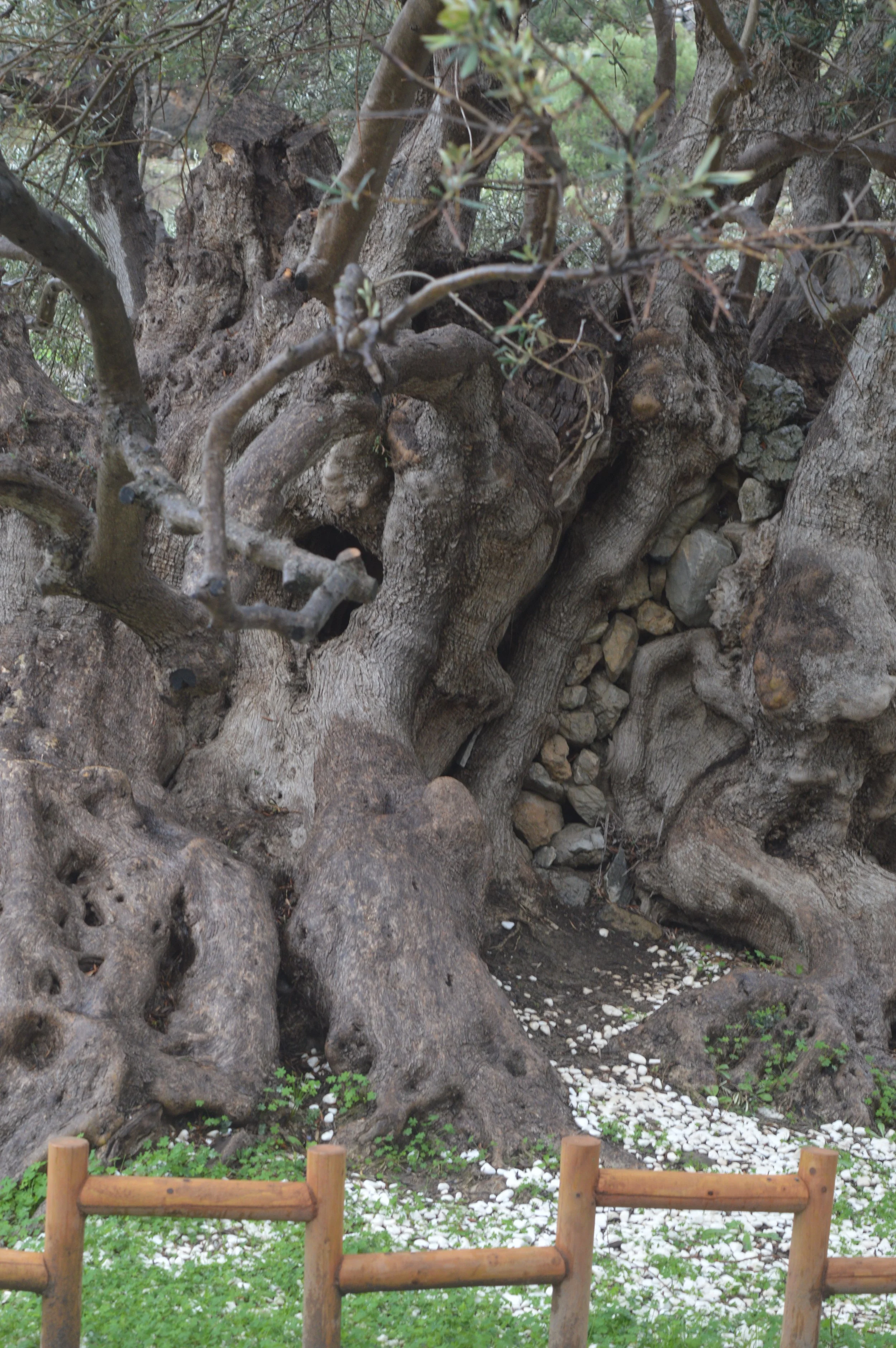
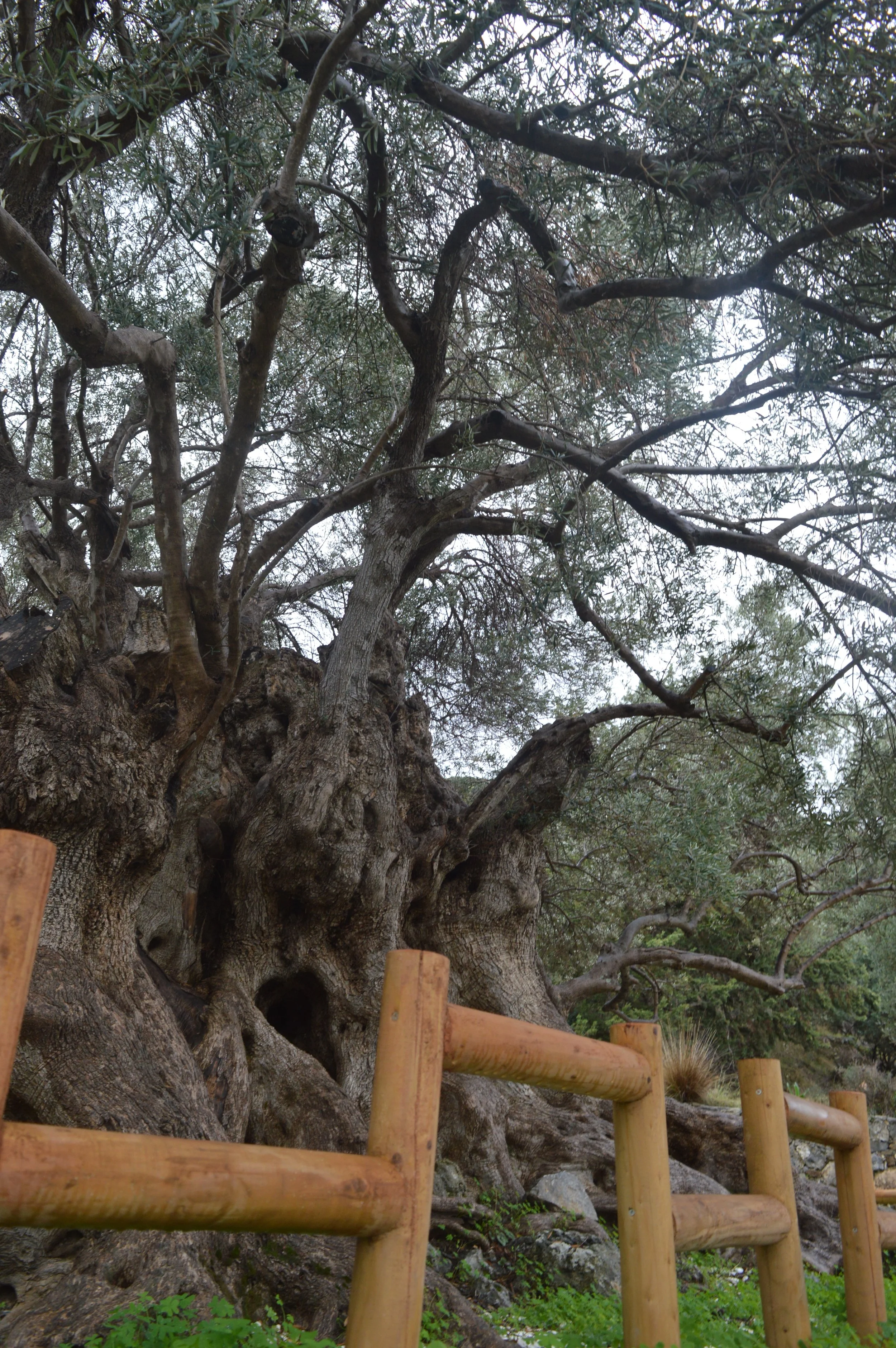
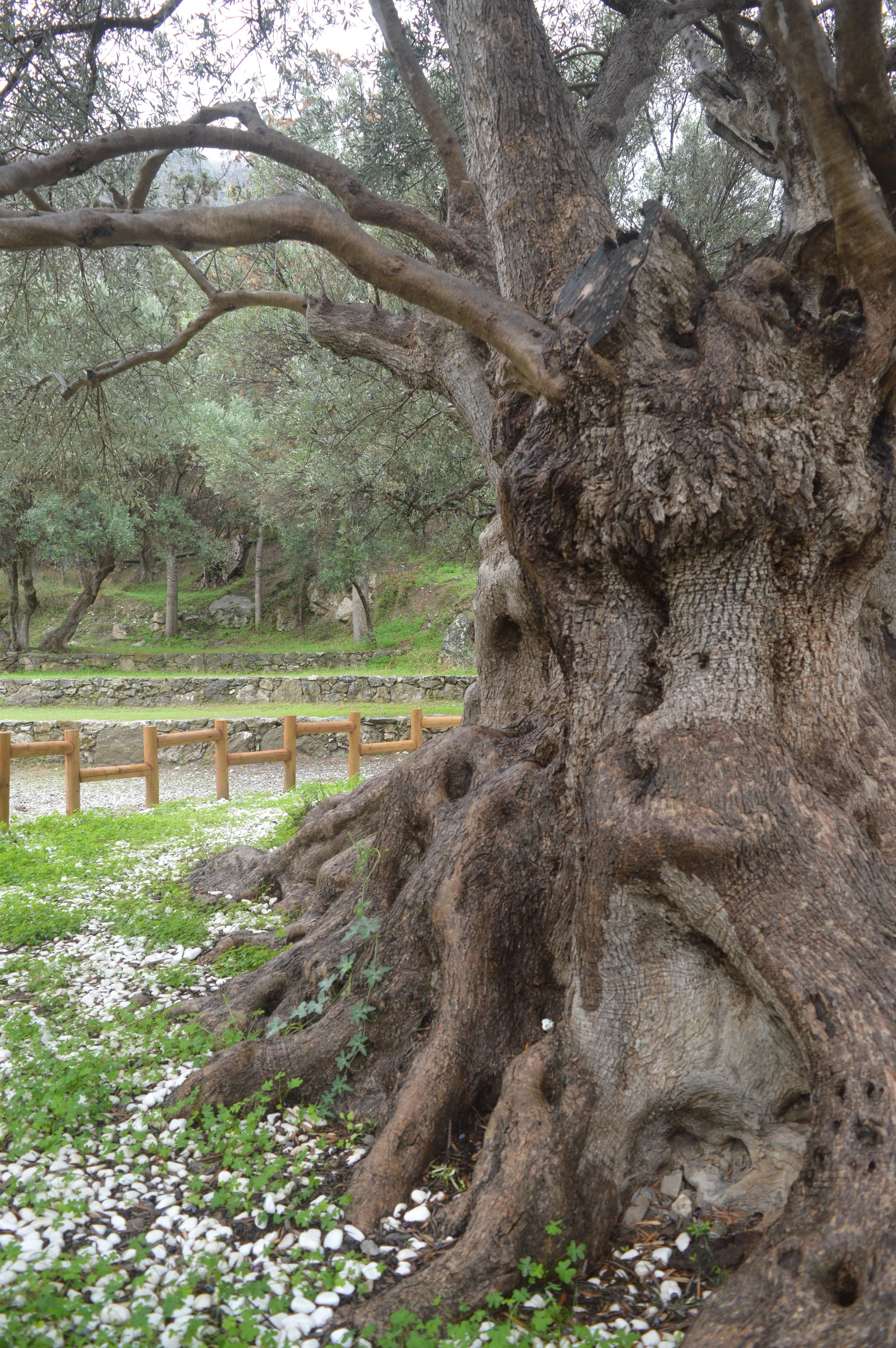
The tree has a particularly impressive trunk. At approximately 80 centimetres above ground level, its circumference measures around 14.20 metres, while its base reaches approximately 22.10 metres in circumference.
Its enormous shape reflects centuries of growth, regeneration and adaptation to the surrounding environment.
The Unique Structure of the Olive Tree
The tree belongs to the local olive variety known as Mouratolia, a form of the Mastoidis variety, grafted onto an older wild olive rootstock.
This grafting technique is particularly interesting because it illustrates how people in ancient times improved and cultivated wild olive trees to produce varieties with desirable characteristics.
The visible differences between the older rootstock and the cultivated upper part make the tree an important example of traditional olive cultivation. Its unusual structure also contributes to its monumental appearance, with a broad, irregular trunk that has developed into a natural sculpture.
The tree continues to produce olives, demonstrating the remarkable resilience of this species and its ability to survive over many centuries.
The Connection with the Ancient Settlements of Azoria, Vronda and Kastro
The location of the olive tree is especially significant because it stands close to several important archaeological sites: Azoria, Vronda and Kastro.
These ancient settlements provide evidence of human activity in the Kavousi area over a long period, from the Late Minoan era through the Archaic period.
Archaeological discoveries in the surrounding area include pottery, tools and other objects associated with olive processing and agricultural production. They reveal the importance of the olive in the economic and everyday life of ancient communities.
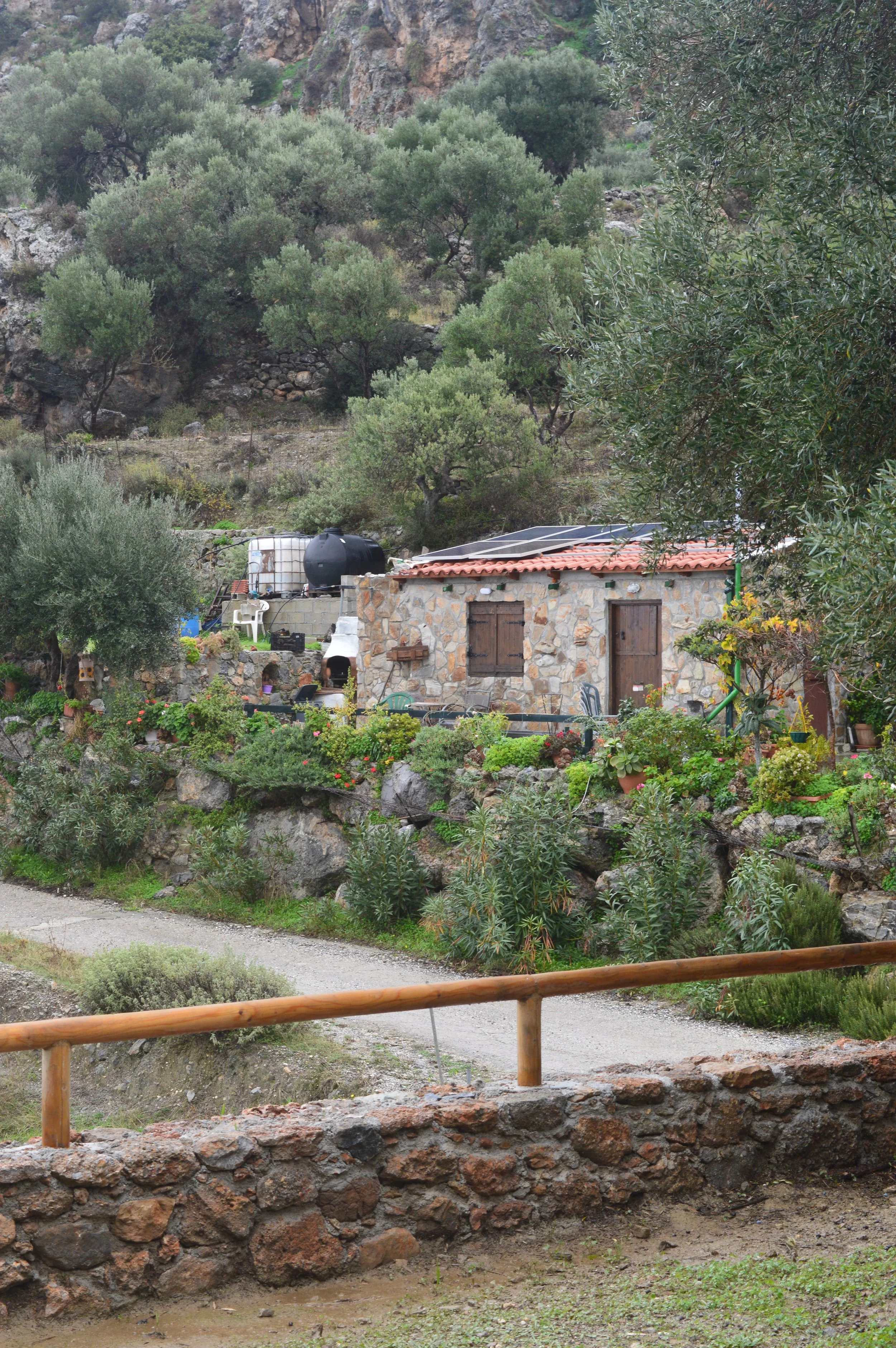
The landscape around the tree therefore offers more than a natural attraction. It provides an opportunity to explore the historical relationship between the people of Crete and olive cultivation, a tradition that remains central to the island's identity today.
The Olive Tree and the Athens Olympic Games of 2004
One of the most memorable moments in the modern history of the Kavousi olive tree took place during the Athens Olympic Games in 2004.
Branches from the tree were used to create the olive wreath presented to the winner of the women's marathon, an event that connected this ancient Cretan landmark with one of the most important international sporting occasions.
The olive wreath has deep roots in ancient Greek tradition, where it symbolised victory and honour. Using branches from a tree believed to have existed since the Minoan period gave the ceremony a particularly meaningful connection with Greece's ancient heritage.
This story has helped introduce the Olive Tree of Kavousi to visitors from around the world.
The Cultural Importance of the Olive in Crete
Olive cultivation has shaped the landscape, economy and traditions of Crete for thousands of years. Across the island, olive groves surround villages, cover hillsides and form an essential part of the rural environment.
Olive oil has traditionally been used in cooking, religious ceremonies, medicine and everyday household life. The olive tree itself has become a symbol of continuity, prosperity and resilience.
The Ancient Olive Tree of Kavousi represents this long-standing relationship particularly well. Its survival through different historical periods offers a tangible connection between the agricultural practices of ancient communities and the olive-growing traditions that continue in Crete today.
Visiting the Ancient Olive Tree of Kavousi
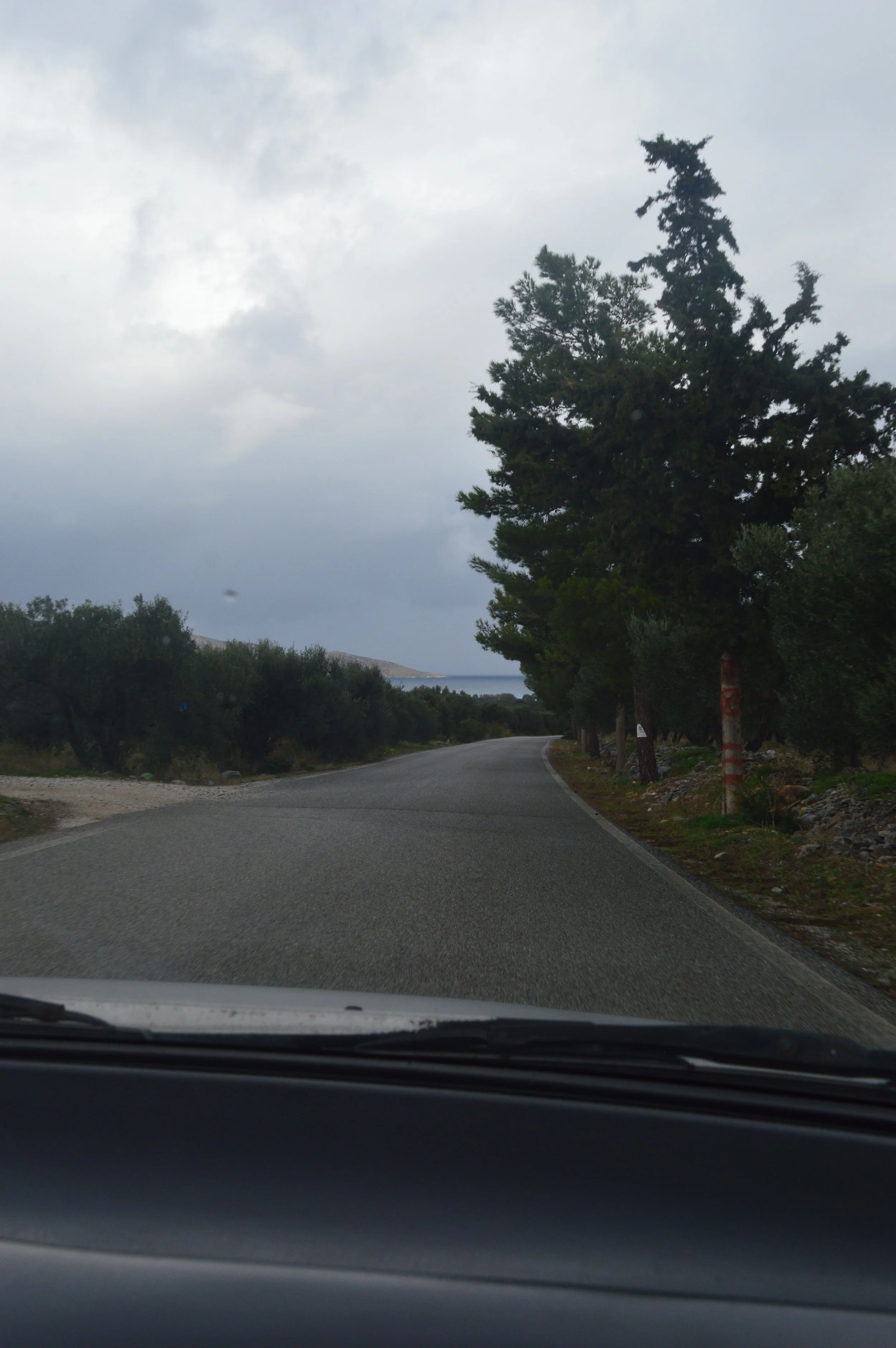
The tree is located in the area of Azoria, approximately one kilometre south of Kavousi village, along the road towards the small settlement of Avgo.
It is relatively easy to reach by car, and the visit can be combined with a walk around the surrounding archaeological landscape.
The tree is an outdoor natural monument rather than a conventional museum attraction. Visitors can approach it and appreciate its impressive dimensions, although its protected status means that it should be treated with care.
Take time to observe the structure of the trunk and the surrounding olive groves. The landscape is particularly interesting because it brings together the natural environment, traditional agriculture and the remains of ancient settlements.
Visitors should respect the tree and its surroundings, avoid damaging its branches or trunk, and follow any information or instructions displayed at the site.
Best Time to Visit the Ancient Olive Tree
The olive tree can be visited throughout the year, as the site is outdoors and does not depend on seasonal opening hours.
Spring: The surrounding countryside is often greener, with pleasant temperatures for exploring the archaeological area and nearby walking routes.
Summer: A visit is possible throughout the day, but the area offers limited shade beyond the tree itself. It is best to avoid the hottest hours and bring drinking water.
Autumn: A particularly interesting season for visitors interested in olive cultivation, as it coincides with the beginning of the olive-harvesting period in many parts of Crete.
Winter: The landscape can be quieter, and the surrounding countryside takes on a different character after rainfall. Check road and weather conditions before visiting.
Spring and autumn are especially pleasant for combining the olive tree with other outdoor and cultural attractions in the Kavousi area.
Practical Information Before Visiting
A visit to the Ancient Olive Tree of Kavousi does not require a demanding hike and can be included in a wider excursion through eastern Lasithi.
The tree is approximately one kilometre south of Kavousi village.
It is located beside the road towards Avgo, near the archaeological site of Azoria.
A car is the most convenient way to reach the location.
Wear comfortable shoes if you plan to explore the surrounding archaeological landscape.
Bring drinking water, particularly during summer.
Respect the tree and avoid touching, climbing or damaging its branches and trunk.
Allow additional time if you intend to visit the nearby archaeological sites and gorges.
How to Get to the Ancient Olive Tree of Kavousi
The Ancient Olive Tree is located near Kavousi village, in the municipality of Ierapetra, eastern Lasithi.
From Agios Nikolaos, follow the main road east towards Istron, Pachia Ammos and Kavousi. After reaching Kavousi, follow the local signs for the Old Olive Tree and continue south towards Azoria and Avgo.
The journey from Agios Nikolaos takes approximately one hour by car, depending on traffic and the chosen route. From Ierapetra, the journey is generally shorter.
The tree is also close to the archaeological site of Azoria, making it easy to combine the two places during the same visit.
Places to Discover Nearby
The Ancient Olive Tree is an excellent starting point for exploring the natural and archaeological attractions around Kavousi.
Azoria Archaeological Site: Located close to the olive tree, Azoria is an important archaeological site with remains of an ancient settlement dating mainly to the Archaic period. Excavations have revealed buildings, public spaces and evidence of food production and storage.
Ancient Settlement of Vronda: Situated on a hillside above the Kavousi plain, Vronda contains the remains of a Late Minoan settlement and cemetery. It offers an insight into the area's prehistoric communities.
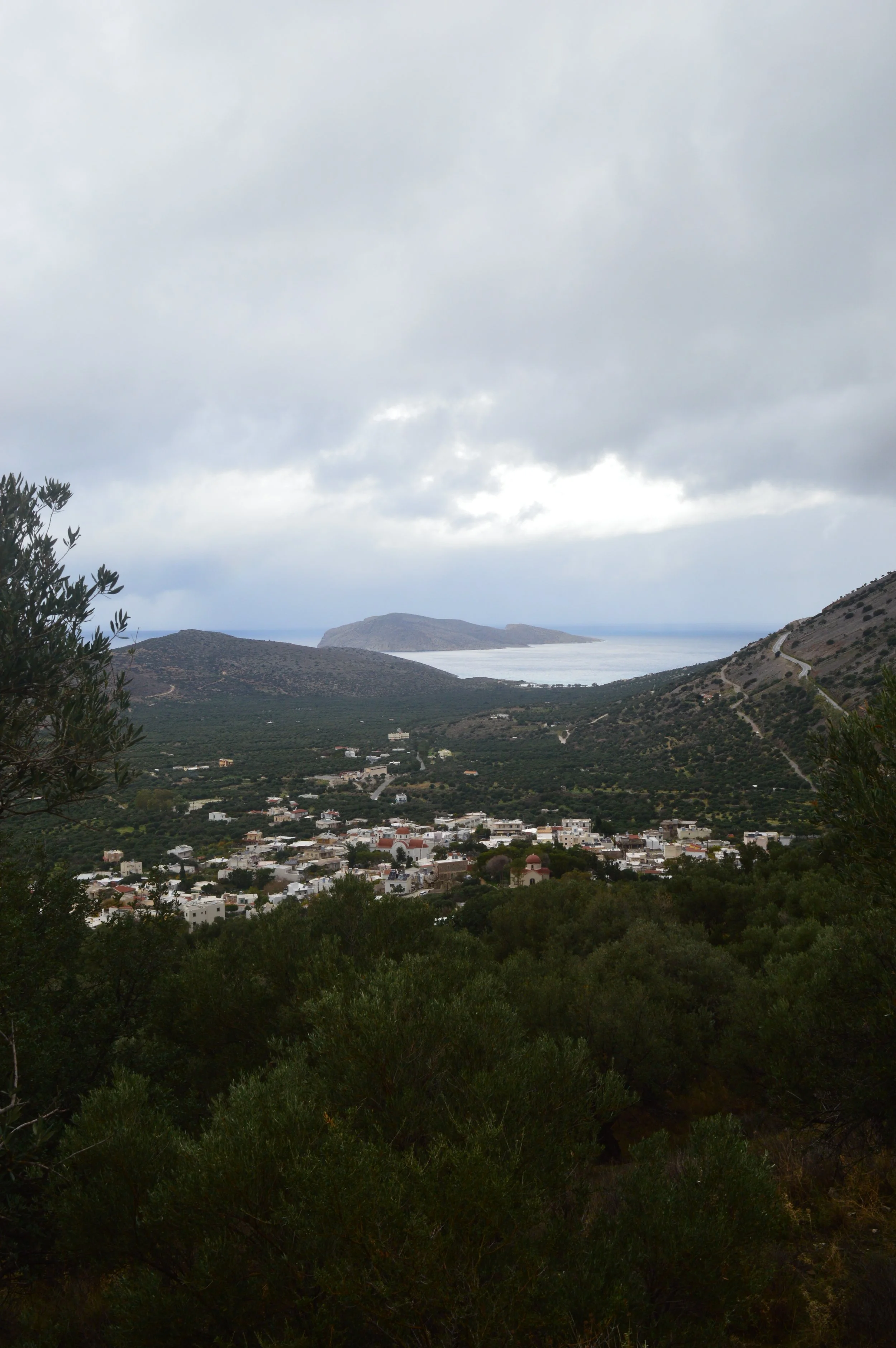
Kavousi Village: A traditional settlement surrounded by olive groves and mountains, known for its agricultural heritage and access to several important natural and archaeological attractions.
Havgas Gorge: A scenic gorge near Kavousi, offering an opportunity to explore the rocky landscape and natural formations of the area.
Mesonas Gorge: Another impressive natural route in the mountains above Kavousi, known for its rugged terrain and dramatic scenery.
Tholos Beach: A beautiful coastal area near Kavousi, ideal for relaxing by the sea after exploring the archaeological and natural attractions inland.
Mochlos: A picturesque seaside village further east, known for its traditional tavernas, coastal scenery and the nearby archaeological remains of the Minoan settlement on Mochlos islet.
Discover the Living Heritage of Eastern Crete
The Ancient Olive Tree of Kavousi is much more than an impressive tree. It is a living connection to the agricultural traditions, history and cultural identity of Crete.
Standing for more than three millennia in a landscape filled with archaeological remains and traditional olive groves, it offers visitors a rare opportunity to encounter the island's history through nature itself.
Combined with the archaeological sites of Azoria and Vronda, the nearby gorges and the traditional villages of eastern Lasithi, a visit to the tree provides a rewarding experience for anyone interested in discovering the deeper history and natural heritage of Crete.