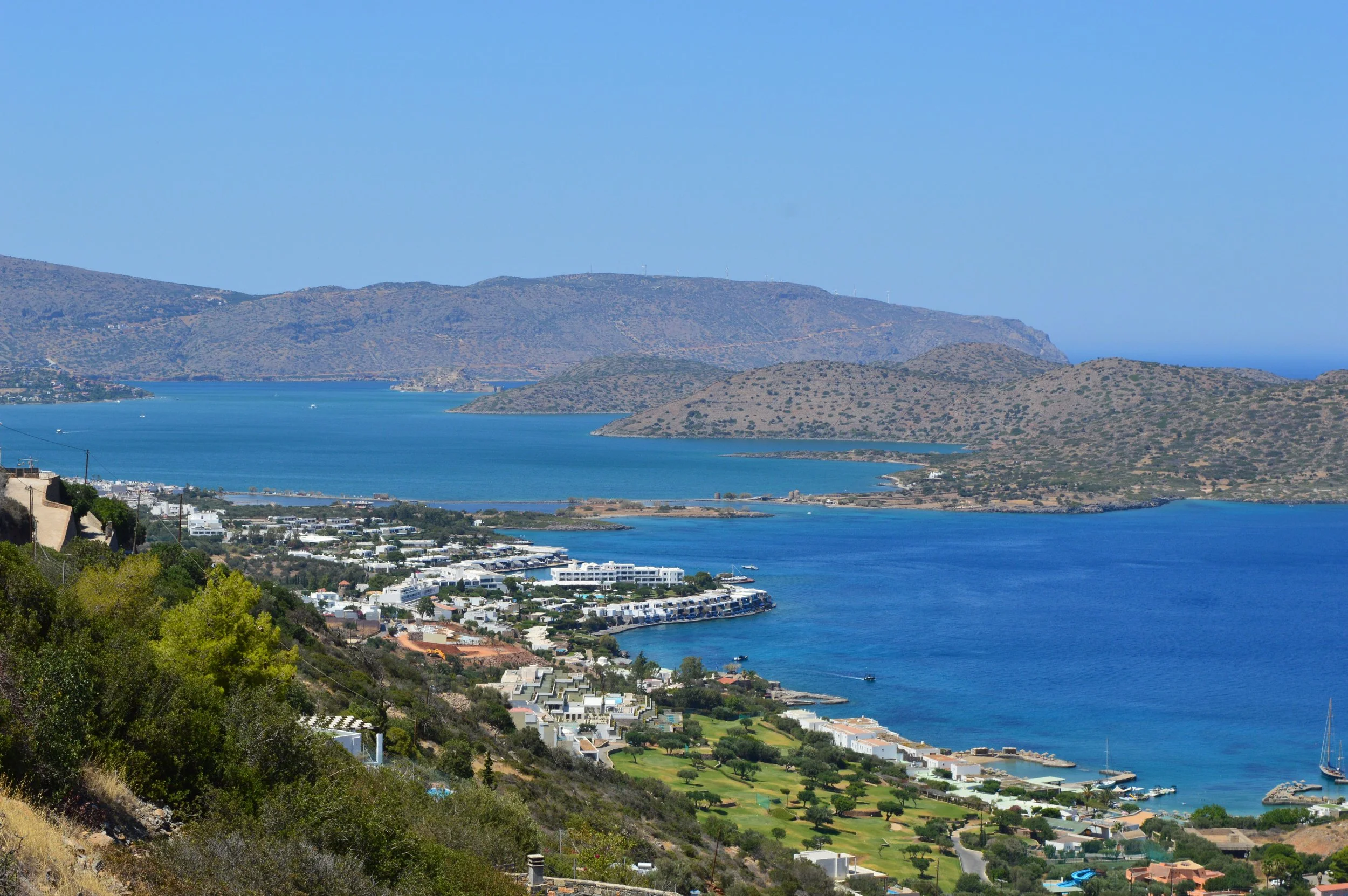
Elounda cove
When Is the Best Time to Visit Agios Nikolaos and Eastern Crete?
Agios Nikolaos and Eastern Crete are beautiful destinations throughout the year, but the experience can be quite different depending on the season. Summer brings long sunny days, warm seas and lively coastal towns, while spring and autumn are ideal for exploring traditional villages, archaeological sites and the region's natural landscapes.
The best time to visit depends on what you want from your holiday. If you are looking for a combination of pleasant temperatures, swimming opportunities and fewer crowds, May, June, September and October are particularly attractive months. July and August are ideal for visitors who enjoy the full summer atmosphere, while spring and autumn are especially rewarding for hiking and cultural experiences.
In this guide, we explain what to expect during each season and help you decide when to visit Agios Nikolaos, Elounda, Plaka, Ierapetra, Sitia, the Lasithi Plateau and the surrounding areas.
What Is the Best Month to Visit Agios Nikolaos?
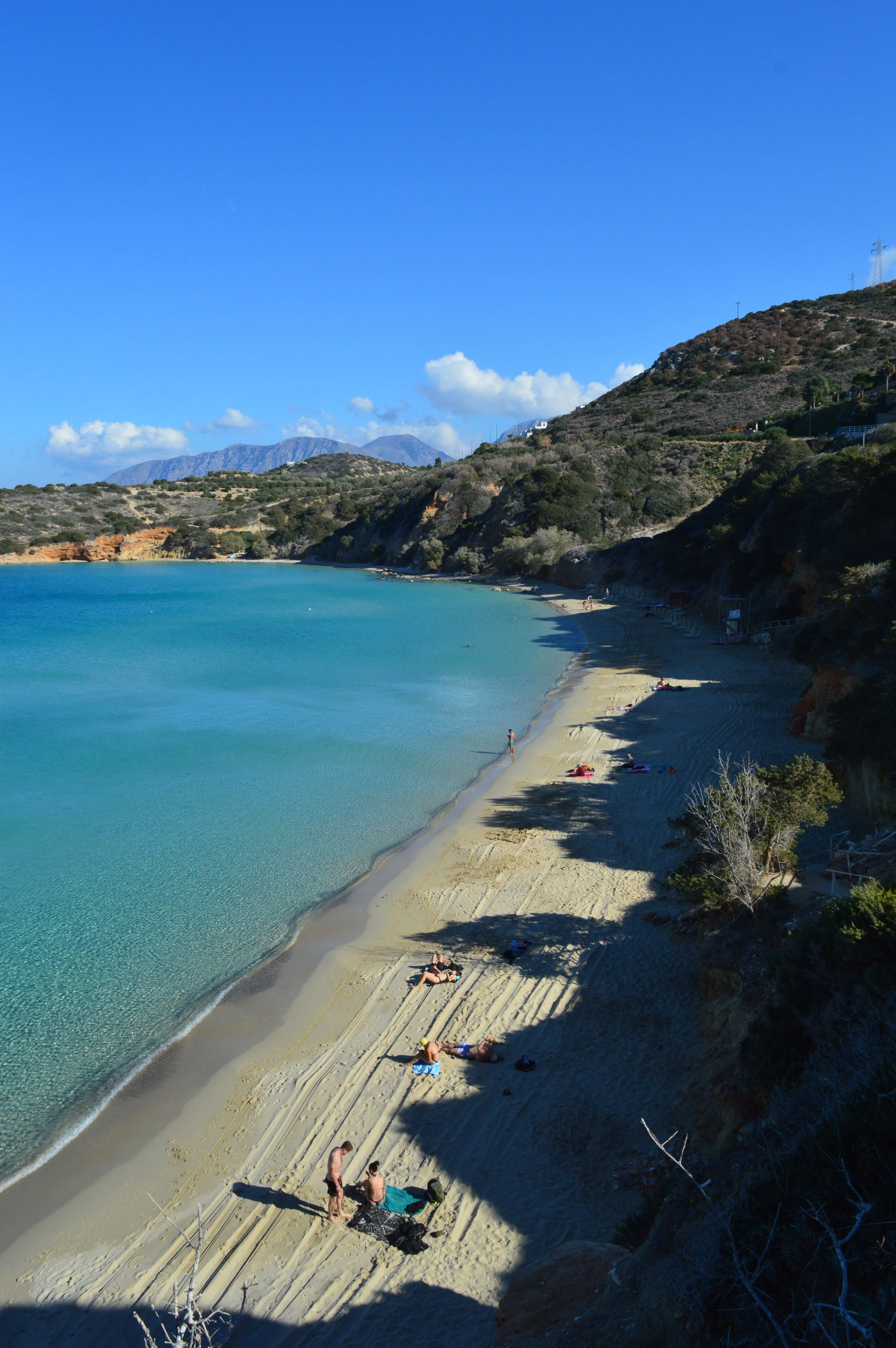
Voulisma beach in November
For most visitors, May, June, September and October offer the best balance between weather, sightseeing conditions and visitor numbers.
May: Pleasant temperatures, green landscapes and excellent conditions for exploring villages and archaeological sites. The sea is still relatively cool.
June: Warm weather, long days and increasingly comfortable sea temperatures, usually before the busiest part of summer.
July and August: The hottest and busiest months, with excellent conditions for swimming, boat trips and a lively summer atmosphere.
September: One of the best months for a holiday, with warm sea temperatures, plenty of sunshine and fewer crowds than in August.
October: A good choice for sightseeing, walking and enjoying the coast at a slower pace. Swimming is often still possible, although the chance of rain increases.
If you are planning your first visit and want to combine beaches, local culture, sightseeing and excursions, late May, June or September are particularly good choices.
Visiting Agios Nikolaos and Eastern Crete in Spring (March–May)
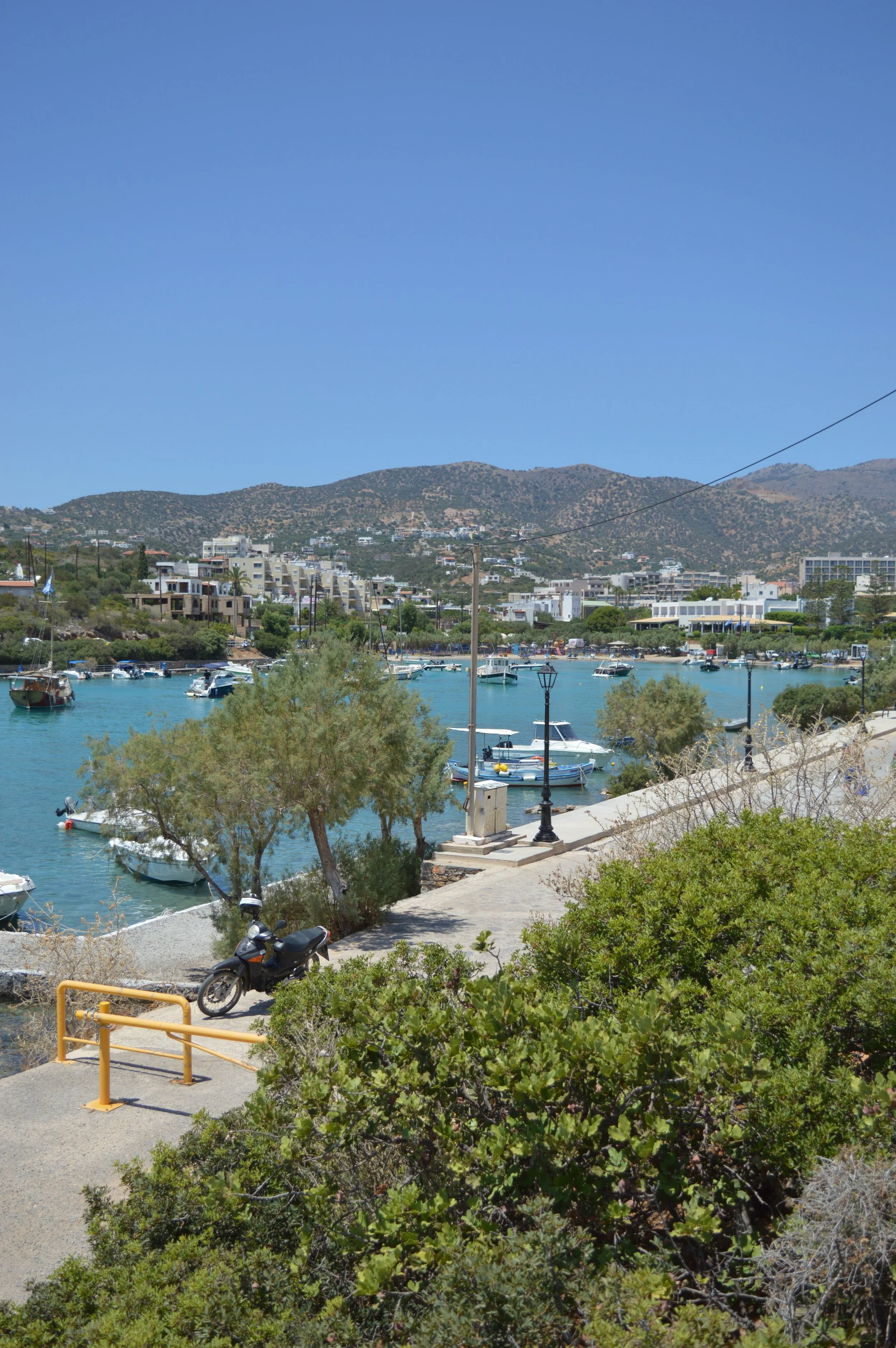
Spring is one of the most beautiful seasons to discover the countryside of Eastern Crete. After the winter rains, the landscape becomes greener, wildflowers appear across the hillsides and traditional villages offer a quieter atmosphere.
Temperatures gradually rise throughout the season. March can still bring cool days and occasional rain, while April and May are generally more comfortable for outdoor activities.
Spring is particularly suitable for:
Exploring traditional villages such as Kritsa, Kroustas, Vrachasi and Neapoli.
Visiting archaeological sites such as Ancient Lato, Gournia and Spinalonga.
Discovering monasteries and historic churches.
Hiking through gorges and mountain landscapes.
Exploring the Lasithi Plateau and the surrounding villages.
Enjoying local food and experiencing everyday life away from the busiest tourist areas.
May is especially attractive because the weather is usually warm enough for spending time outdoors, while the countryside still has much of its spring character.
Is spring a good time for swimming?
Swimming is possible in spring, particularly towards the end of May, but the sea is generally cooler than during the summer months. Visitors mainly interested in beach holidays may prefer June or later.
Spring is also a good time to explore the mountains. However, higher areas such as the Lasithi Plateau and the Dikti Mountains can remain considerably cooler than the coast. Always check local weather conditions before planning a mountain excursion.
Visiting Agios Nikolaos and Eastern Crete in Early Summer (June)
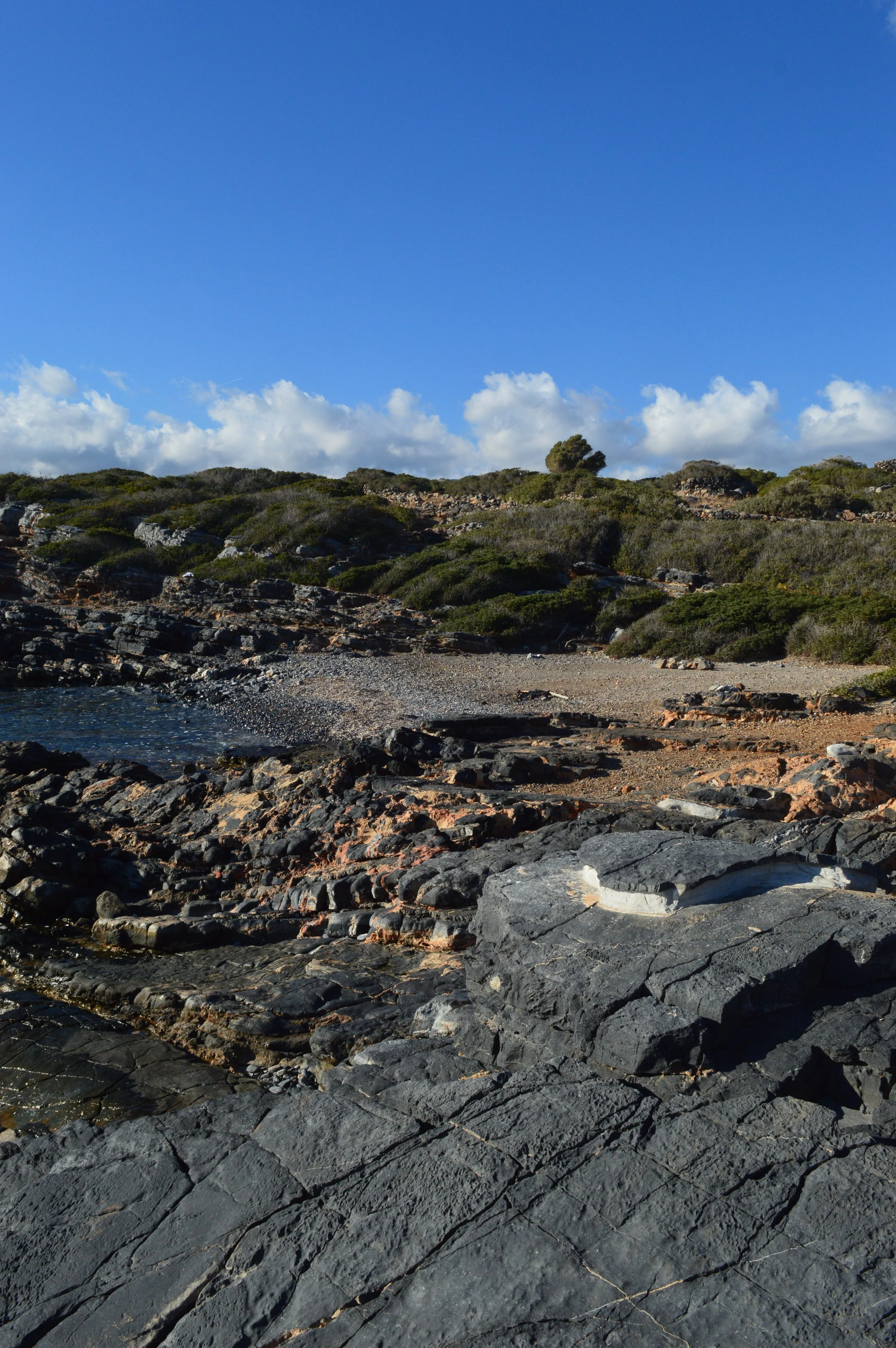
Dianiskari beach
June is one of the best months to visit Agios Nikolaos and the wider Lasithi region.
The weather is generally warm and sunny, the days are long and the sea becomes increasingly comfortable for swimming. At the same time, the busiest weeks of the summer season have not yet reached their peak.
It is an excellent month for combining different activities during your holiday.
You can spend the morning swimming at Voulisma Beach or exploring the coastline around Elounda, visit Spinalonga in the afternoon, and enjoy dinner at a traditional taverna in a nearby village.
June is particularly suitable for:
Swimming and relaxing at the beaches around Mirabello Bay.
Boat excursions to Spinalonga.
Exploring Elounda, Plaka and the surrounding coastline.
Visiting traditional villages and archaeological sites.
Hiking and outdoor activities, preferably during the cooler hours.
Discovering local food, culture and traditions.
For visitors who want a summer holiday without the busiest atmosphere of July and August, June is an excellent choice.
Visiting Agios Nikolaos and Eastern Crete in Summer (July–August)
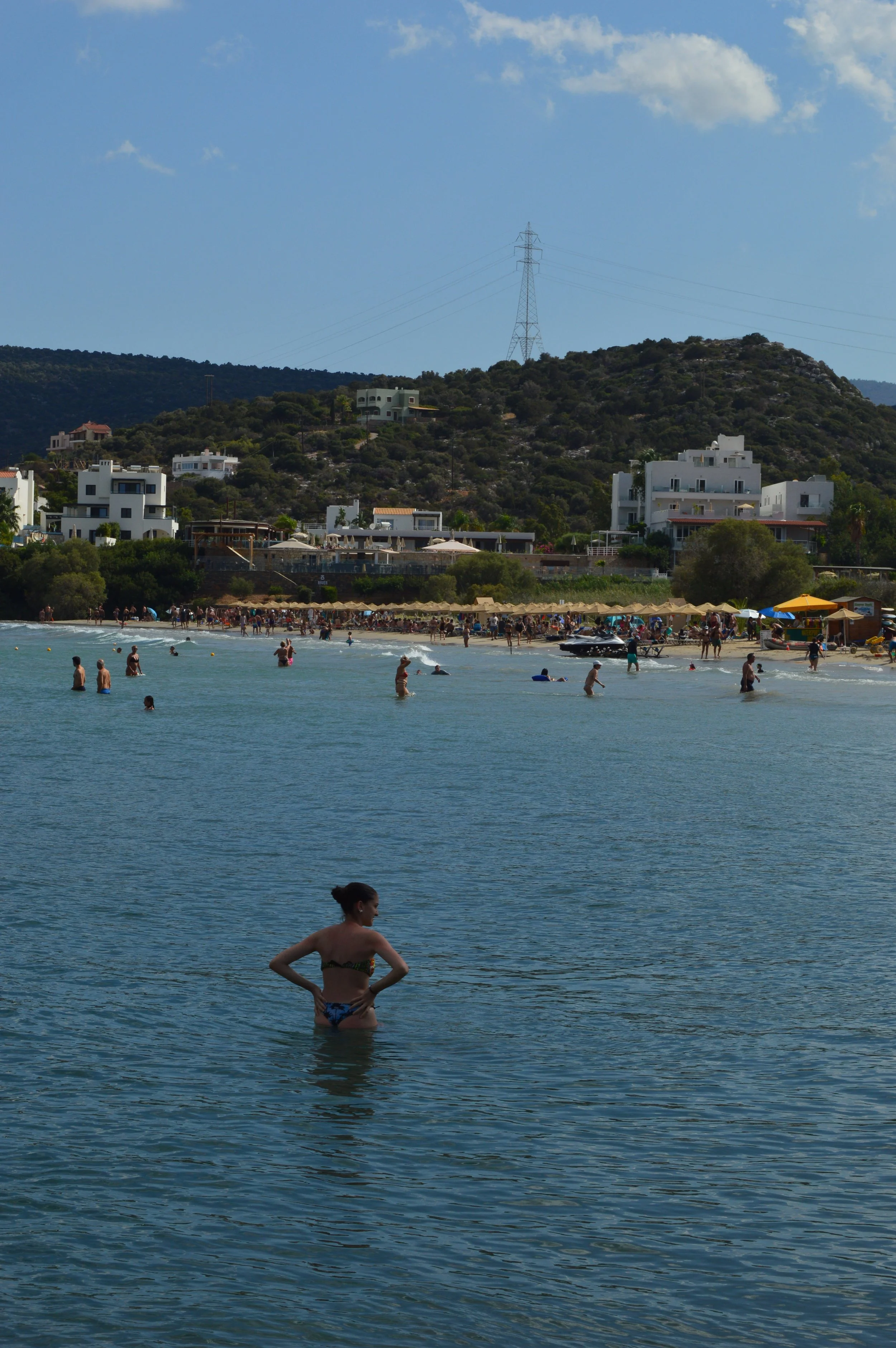
Almyros beach
July and August are the peak summer months in Eastern Crete. Agios Nikolaos becomes lively, restaurants and cafés are busy, beaches are full of visitors and the region offers its widest range of seasonal tourist activities.
The weather is generally hot, dry and sunny, with very little rainfall. Temperatures can become particularly high during heatwaves, so visitors should plan outdoor activities carefully.
Popular destinations such as Agios Nikolaos, Elounda, Plaka, Voulisma Beach and Spinalonga can become busy, especially during the middle of the day.
Summer is the best season for visitors who want:
Long days at the beach.
Warm sea temperatures.
Boat trips and coastal excursions.
A lively atmosphere in Agios Nikolaos and Elounda.
Open restaurants, beach facilities and seasonal tourist services.
Evening walks, outdoor dining and nightlife.
Is July or August too hot for sightseeing?
Not necessarily, but it is important to organise your day around the heat.
Visit archaeological sites and traditional villages early in the morning, take a break during the hottest hours and continue exploring later in the afternoon. Hiking in gorges or exposed mountain areas during midday summer heat is not recommended.
If you are planning to visit places such as Kritsa Gorge, Sarakina Gorge or the Lasithi Plateau, check the conditions and choose suitable times for your excursion.
A practical tip: July and August are the busiest months for accommodation and car rental. It is advisable to organise your accommodation, rental car and any popular excursions in advance.
Visiting Agios Nikolaos and Eastern Crete in Autumn (September–November)
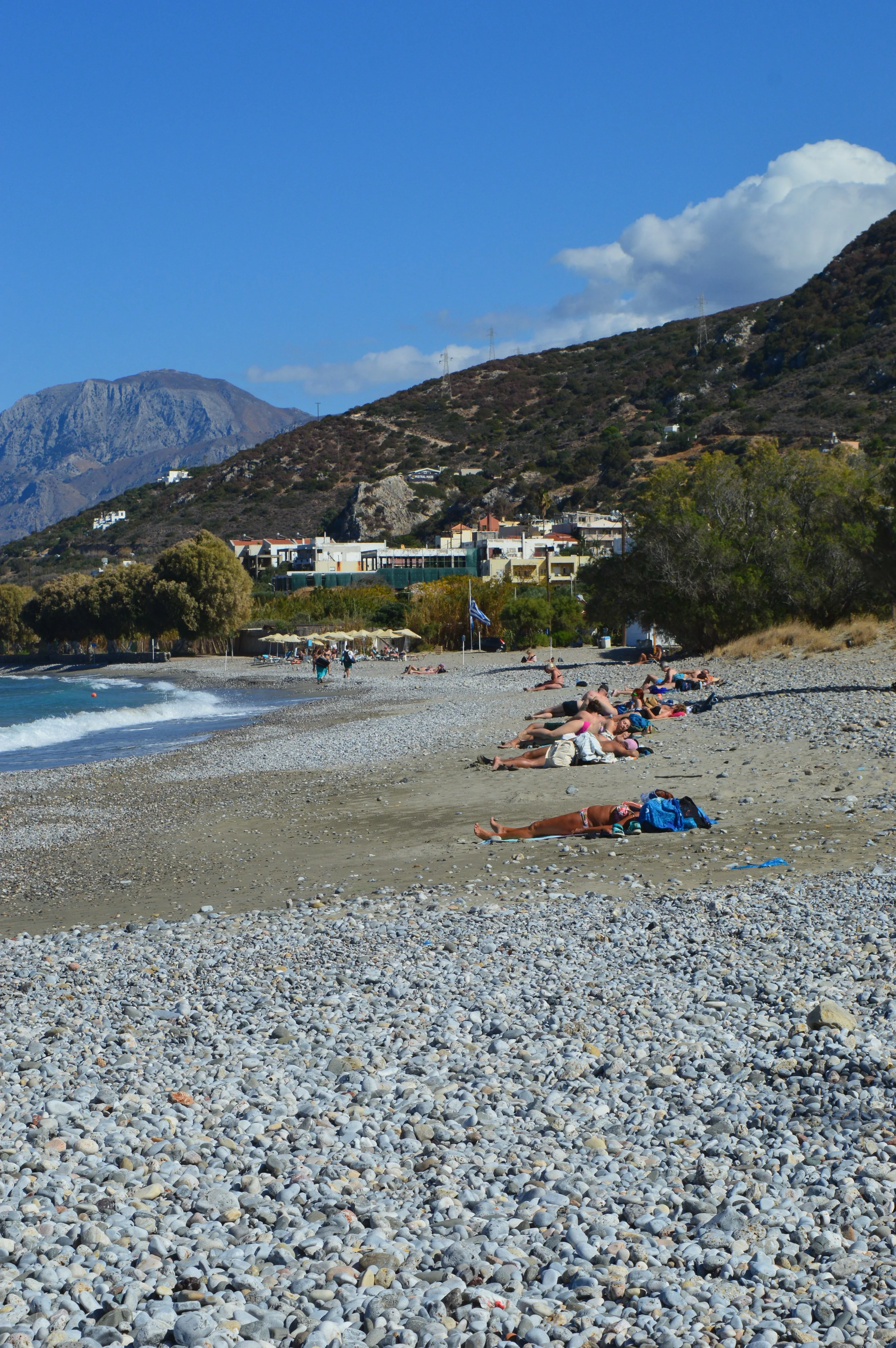
Agios Panteleimonas beach
Autumn is another excellent season to discover Eastern Crete. September and October, in particular, offer a wonderful combination of warm weather, comfortable temperatures and a more relaxed atmosphere.
The sea retains much of the warmth accumulated during summer, making September and often October suitable for swimming. At the same time, the cooler air makes exploring villages, archaeological sites and natural landscapes more enjoyable.
Autumn is particularly rewarding for visitors interested in experiencing a more authentic side of Crete.
September
September is one of the best months for a holiday in Agios Nikolaos.
The weather is usually still very warm, the sea is comfortable for swimming and the busiest summer crowds begin to decrease. Most seasonal tourist facilities continue operating, making it easy to organise beach days, boat trips and excursions.
It is an excellent month for exploring:
Agios Nikolaos and Mirabello Bay.
Elounda, Plaka and Spinalonga.
Voulisma and the beaches around Istron.
Traditional villages and local tavernas.
Gorges, forests and mountain landscapes.
October
October offers a slower and more relaxed experience.
The temperatures are generally pleasant for sightseeing and walking, while the sea can remain warm enough for swimming, especially during the first part of the month.
It is a particularly good time to explore the villages of Eastern Crete, discover local traditions and enjoy the countryside without the summer crowds.
Visitors should keep in mind that rainfall becomes more likely during October and some seasonal hotels, restaurants and tourist services may begin reducing their operating schedules towards the end of the month.
November
November marks the transition towards winter. The weather becomes more changeable, with cooler days and a greater chance of rain.
Agios Nikolaos and the larger towns continue to have local life throughout the year, but many seasonal resorts and tourist services operate on reduced schedules or close for the winter.
November can still be a good month for cultural visits, village exploration and sightseeing, provided you are flexible with your plans.
Visiting Agios Nikolaos and Eastern Crete in Winter (December–February)
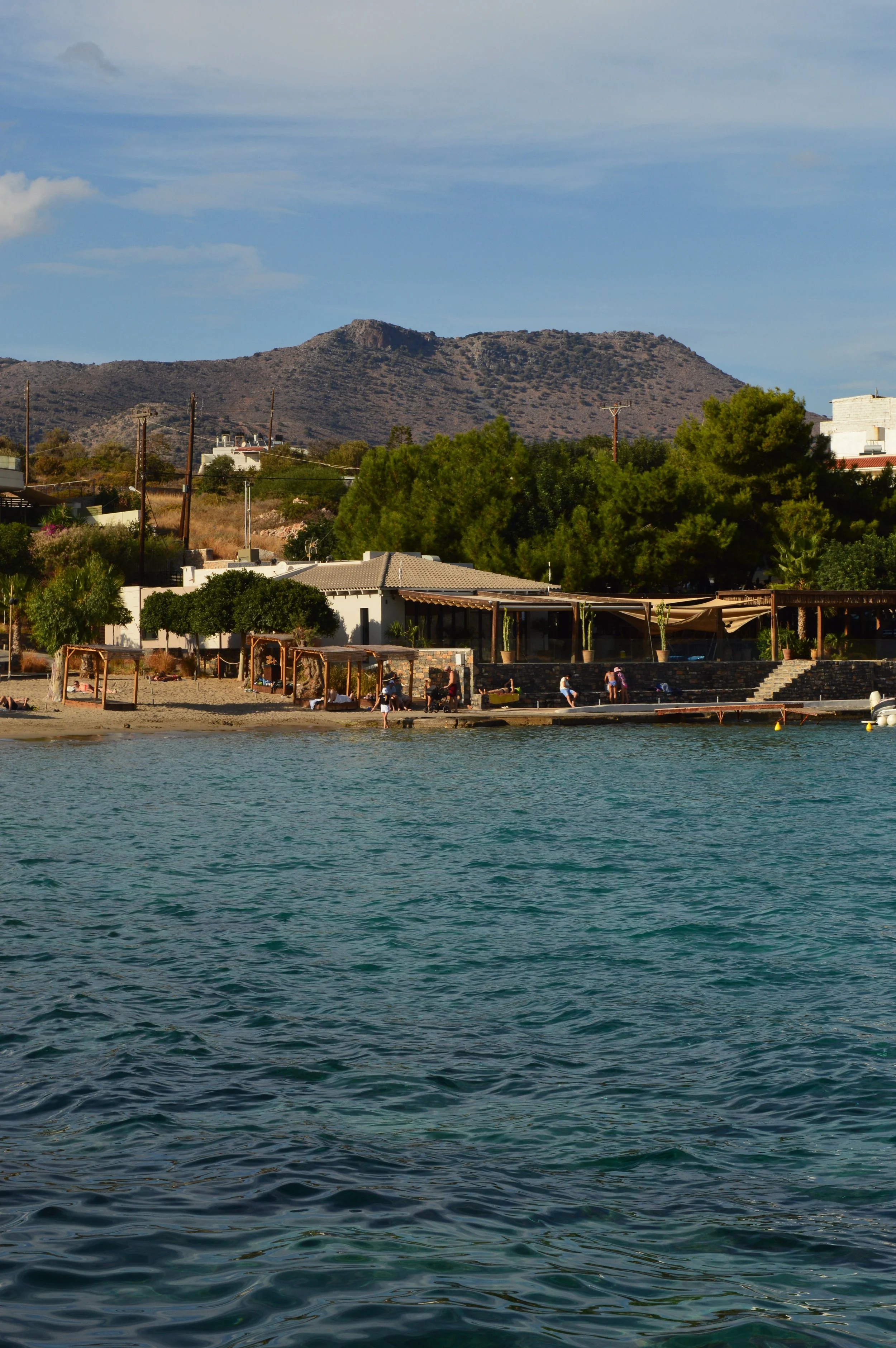
Winter swimming in Ammoudi beach - The most warm beach through winter
Winter is the quietest season in Eastern Crete. It is very different from the summer holiday experience, but it can be rewarding for visitors who want to discover the region beyond its beaches and resorts.
Agios Nikolaos is a year-round town, so visitors can still enjoy its harbour, Lake Voulismeni, cafés, restaurants and local neighbourhoods. Traditional villages also continue their everyday life, offering a different perspective on Cretan culture.
Winter is suitable for:
Exploring Agios Nikolaos and its historic centre.
Visiting museums, archaeological sites and churches, subject to opening hours.
Discovering traditional villages.
Enjoying local food and seasonal Cretan dishes.
Experiencing a quieter side of the region.
The weather is generally mild compared with much of northern Europe, but winter brings cooler temperatures, rain and occasional strong winds.
The mountains offer a very different landscape during this period. Snow can appear in the Dikti Mountains and around the higher parts of the Lasithi Plateau, while the coastal areas may remain relatively mild.
Some hotels, restaurants, boat services and tourist attractions operate seasonally, so it is important to check availability before travelling.
Is Agios Nikolaos worth visiting in winter?
Yes, especially if you are interested in local culture, food, history and everyday Cretan life. However, if your main reason for visiting is swimming, beach activities and boat excursions, the summer season or early autumn is a better choice.
Best Time to Visit Eastern Crete Depending on Your Interests
The ideal time to visit also depends on the activities you want to include in your holiday.
For Beaches and Swimming
Best months: June, July, August and September. October is also often suitable.
The sea becomes warmer as summer progresses and generally remains pleasant into early autumn.
If you want to explore the beaches around Agios Nikolaos, Istron, Elounda and Plaka, June and September are particularly good choices. They offer excellent beach conditions without always having the crowds of peak summer.
Explore our guide to the best beaches near Agios Nikolaos.
For Hiking and Nature
Best months: March, April, May, October and November.
Spring and autumn generally offer more comfortable temperatures for walking and exploring the countryside.
These months are ideal for discovering places such as Richtis Gorge, Kritsa Gorge, Sarakina Gorge, the Selakano Forest and the mountain landscapes around the Lasithi Plateau.
Always check weather conditions before entering a gorge. Heavy rainfall can make some routes dangerous or impassable, and mountain conditions can change quickly.
For Traditional Villages and Cretan Culture
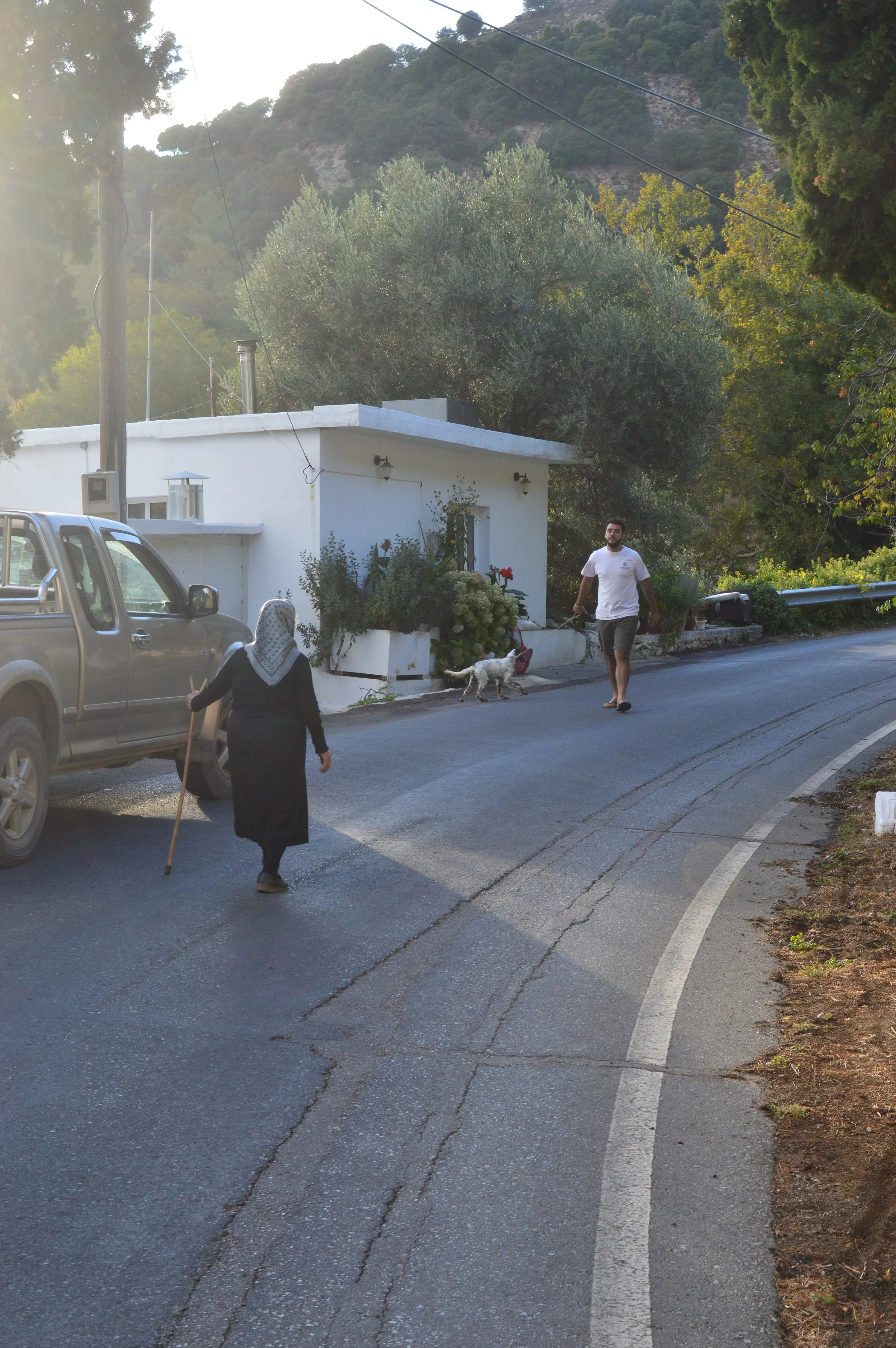
Best months: April, May, June, September and October.
These months are excellent for discovering the traditional villages of Eastern Crete.
You can explore places such as Kritsa, Kroustas, Vrachasi, Neapoli, Mochlos and the villages of the Lasithi Plateau, enjoy traditional food and learn more about local customs and everyday life.
Cultural experiences and guided village visits are also a wonderful way to understand the history and traditions of the region.
For Archaeological Sites and History
Best months: March, April, May, September and October.
The cooler temperatures make these months more comfortable for visiting archaeological sites and historic landmarks.
You can explore Spinalonga, Ancient Lato, Gournia, Ancient Dreros and other important historical places throughout Eastern Crete.
Always check the official opening hours before visiting, as some sites may have seasonal schedules.
For Families
Best months: June and September.
These months offer a good balance of warm weather, swimming opportunities and a more relaxed atmosphere than the busiest weeks of summer.
Families travelling in July or August can also enjoy excellent beach conditions, but should plan around the heat and busy tourist areas.
For a Quiet and More Affordable Holiday
Best months: April, May, October and November.
Travelling outside the peak summer season can offer a quieter experience and, in some cases, lower accommodation prices.
However, some seasonal businesses and tourist services may not be operating, particularly in April and November. Check availability before making your reservations.
Month-by-Month Guide to Visiting Agios Nikolaos
The following table gives a general overview of what to expect throughout the year.
MonthWeather and atmosphereBest forJanuaryCool, quiet and sometimes rainyLocal culture and sightseeingFebruaryCool with changeable weatherVillages and cultural visitsMarchMild days, spring beginsHiking and countrysideAprilPleasant temperatures and greener landscapesSightseeing, villages and natureMayWarm and increasingly sunnyExploring, walking and early beach daysJuneWarm, sunny and less crowded than peak summerBeaches, swimming and excursionsJulyHot, dry and busySwimming, boat trips and summer holidaysAugustVery hot and busiest seasonBeaches and lively coastal townsSeptemberWarm weather and sea, fewer crowdsBeaches, swimming and sightseeingOctoberMild temperatures and a quieter atmosphereVillages, hiking and sightseeingNovemberCooler, with more chance of rainCulture and local experiencesDecemberQuiet winter atmosphereTowns, food and cultural visits
These are general seasonal patterns, not a daily forecast. Actual conditions vary from year to year.
An Important Difference: The Coast and the Mountains
One thing visitors should understand when travelling around Eastern Crete is that the weather can be quite different between coastal areas and mountain regions.
Agios Nikolaos, Elounda and Ierapetra are coastal destinations where the weather is generally milder. Higher areas, such as the Lasithi Plateau, Katharo Plateau and the Dikti Mountains, can be considerably cooler, particularly during spring, autumn and winter.
For example, you might enjoy warm sunshine by the sea in Agios Nikolaos while the Lasithi Plateau is much cooler or experiencing different weather conditions.
If you are planning to visit mountain villages, gorges or remote natural areas, bring suitable clothing and check the local forecast before setting off.
This is especially important for visitors planning to explore places such as Havgas Gorge, Limnakaro Plateau or the more remote mountain landscapes of Eastern Crete.
Practical Tips for Planning Your Trip
Regardless of when you visit, a little planning can help you enjoy the region more comfortably.
1. Consider renting a car
A rental car gives you much greater freedom to explore Eastern Crete. Many traditional villages, beaches, archaeological sites and natural attractions are spread across the region and are not always easy to reach by public transport.
2. Book early for July and August
If you plan to travel during peak summer, organise your accommodation and rental car in advance. Popular excursions and boat trips can also become busy.
3. Check seasonal opening hours
Museums, archaeological sites, monasteries, boat services and other attractions may have different opening schedules depending on the season.
4. Plan outdoor activities around the weather
During summer, start hiking and sightseeing early in the morning. During spring and autumn, check for rain and changing mountain conditions before exploring gorges or remote areas.
5. Explore beyond the coast
Do not spend your entire holiday at the beach. Eastern Crete has traditional villages, archaeological sites, monasteries, forests, plateaus and beautiful mountain landscapes that offer a completely different experience of the island.
6. Leave time for local experiences
Visit a traditional village, enjoy a meal at a local taverna, discover Cretan products and learn about the customs of the region. These experiences can make your holiday much more memorable.
Final Thoughts: When Should You Visit Agios Nikolaos and Eastern Crete?
There is no single perfect month for everyone, but May, June, September and October are among the best periods for discovering Agios Nikolaos and Eastern Crete.
May and June are excellent for exploring the countryside, visiting villages and enjoying the beginning of the summer season. September combines warm sea temperatures with more comfortable sightseeing conditions, while October is particularly attractive for visitors interested in nature, culture and a slower pace of travel.
July and August remain the best months for a traditional summer holiday, with long sunny days, warm seas and a lively atmosphere.
Whenever you decide to visit, take the opportunity to explore beyond the well-known coastal destinations. The villages, landscapes, history and traditions of Eastern Crete are an important part of what makes this region special.
If you would like to discover the area with a local perspective, explore the tours and experiences available in Agios Nikolaos. From traditional villages and Cretan culture to nature and local food, guided experiences can help you discover places and stories you might otherwise miss.
Frequently Asked Questions
What is the best month to visit Agios Nikolaos, Crete?
May, June, September and October are excellent months to visit Agios Nikolaos. They offer a good combination of pleasant weather, sightseeing opportunities and fewer crowds than the peak summer months.
Can you swim in Agios Nikolaos in October?
Yes. Swimming is often possible in October because the sea retains much of its summer warmth. However, the weather becomes more changeable, especially towards the end of the month.
Is Agios Nikolaos very hot in August?
August is usually one of the hottest months of the year. Visitors can expect high temperatures and strong sunshine, so it is important to use sun protection and avoid strenuous outdoor activities during the hottest part of the day.
Is Eastern Crete worth visiting in winter?
Yes. Winter is a good season for discovering traditional villages, local food, museums and the everyday life of the region. However, many seasonal tourist facilities and boat excursions may not operate, and the weather is less suitable for a conventional beach holiday.
When is the best time for hiking in Eastern Crete?
Spring and autumn are generally the best seasons for hiking. March to May and October to November often provide more comfortable temperatures than the summer months. Always check local weather and trail conditions, particularly before entering gorges.
How many days should I spend in Agios Nikolaos and Eastern Crete?
A stay of at least five to seven days is a good starting point for exploring Agios Nikolaos and several destinations across Eastern Crete. A week allows time for beaches, traditional villages, archaeological sites, nature and local experiences without rushing.