Katharo Plateau
A Remote Mountain Landscape Above Kritsa
Katharo Plateau – A Remote Mountain Landscape Above Kritsa
Katharo Plateau deserves its own character in the guide. Unlike the more developed Lasithi Plateau, Katharo is a quieter, more secluded mountain landscape, known for its rugged surroundings, traditional agricultural activity and peaceful atmosphere.
I will focus on its natural environment, connection with Kritsa, mountain scenery and the experience of visiting this less-explored part of Eastern Crete.
Katharo Plateau – A Quiet Mountain Retreat Above Kritsa
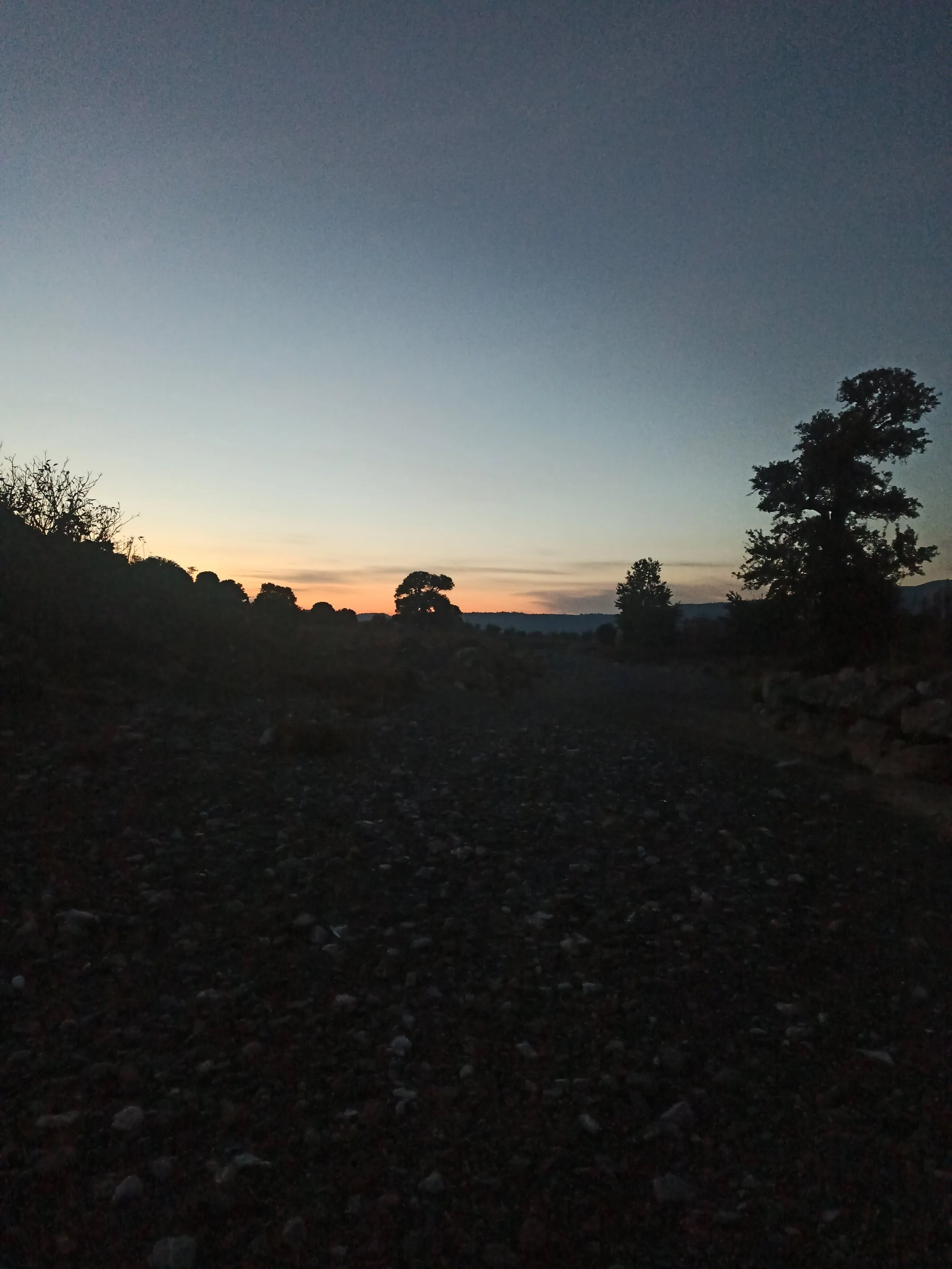
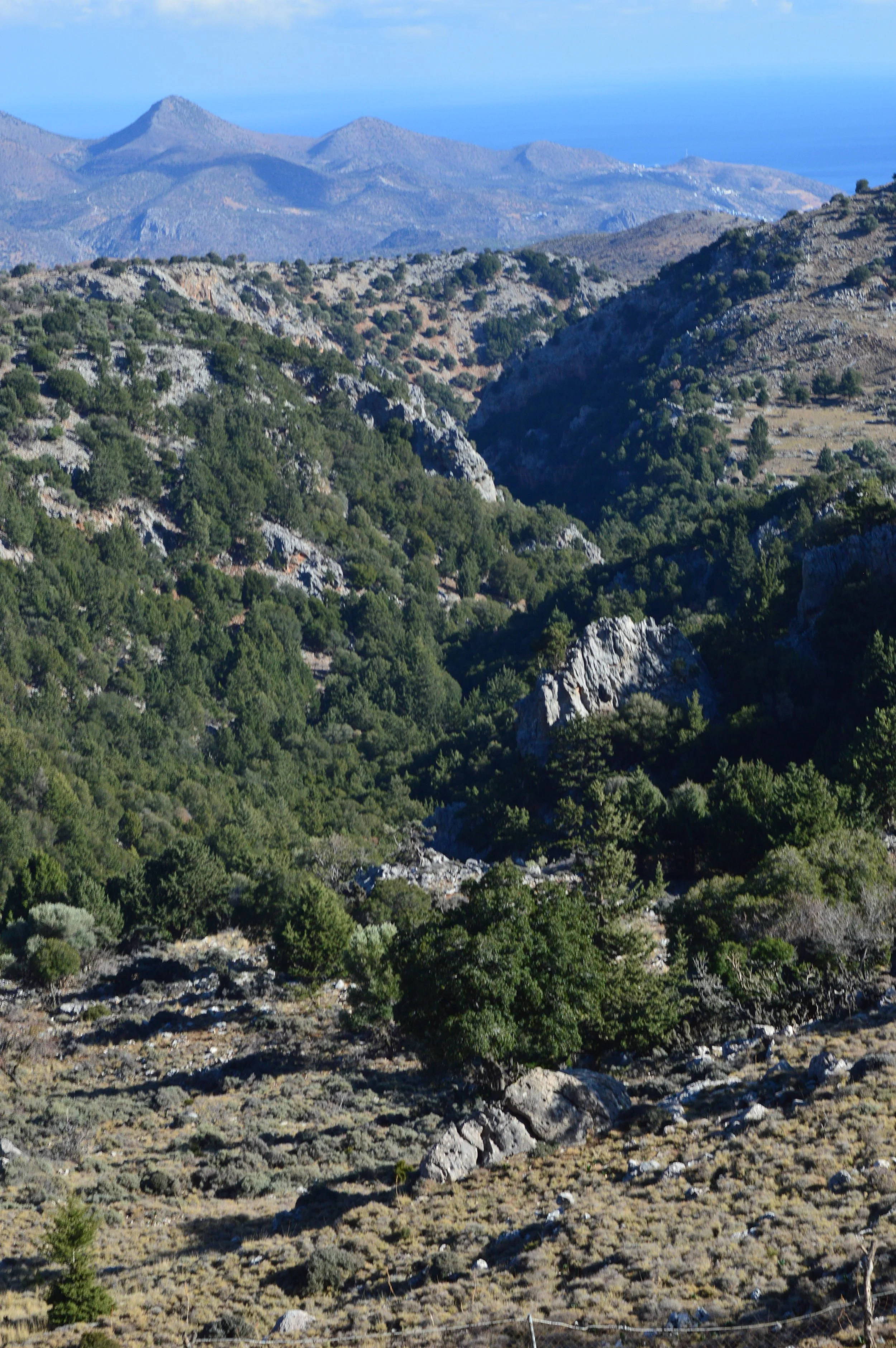
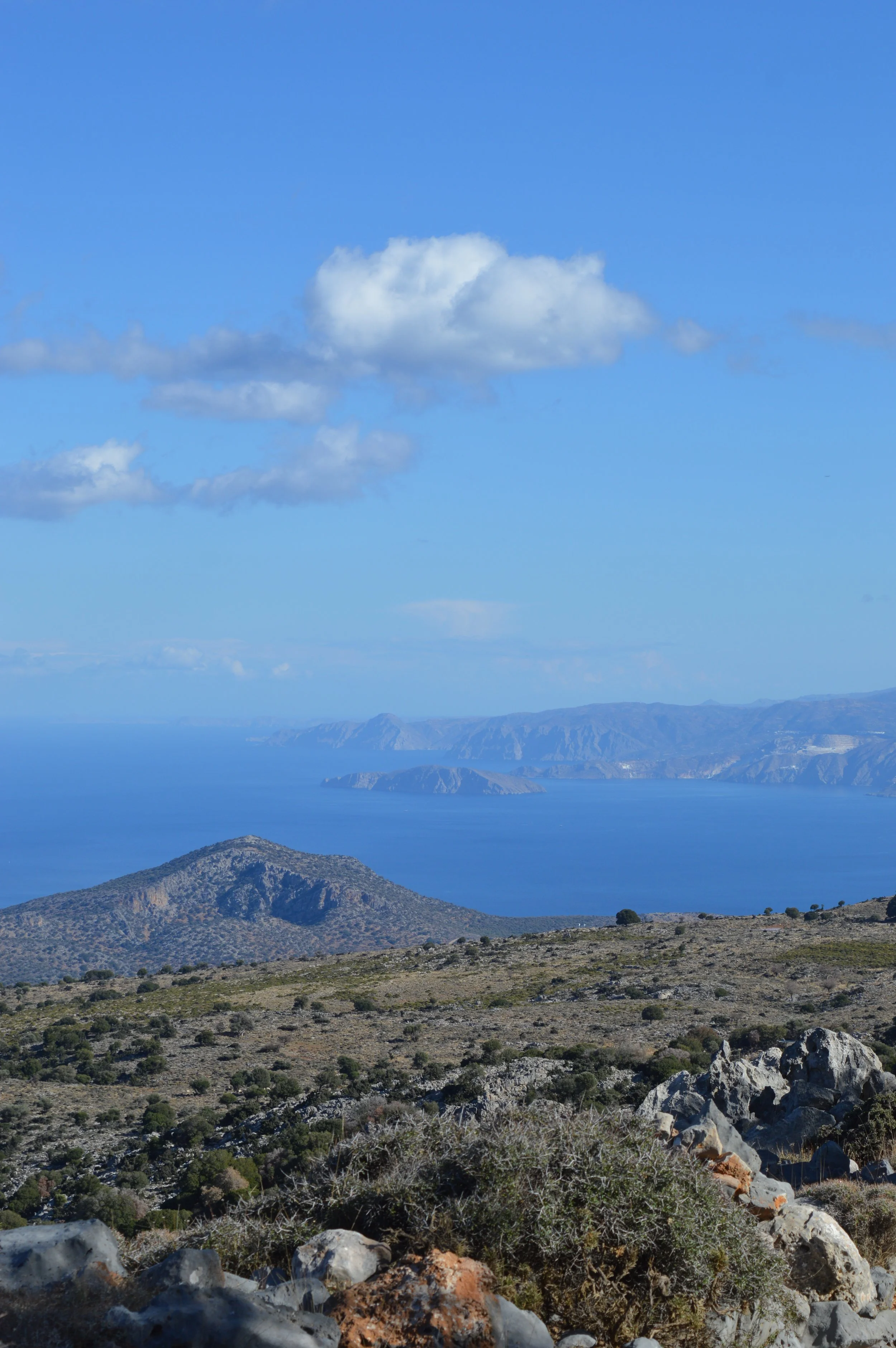
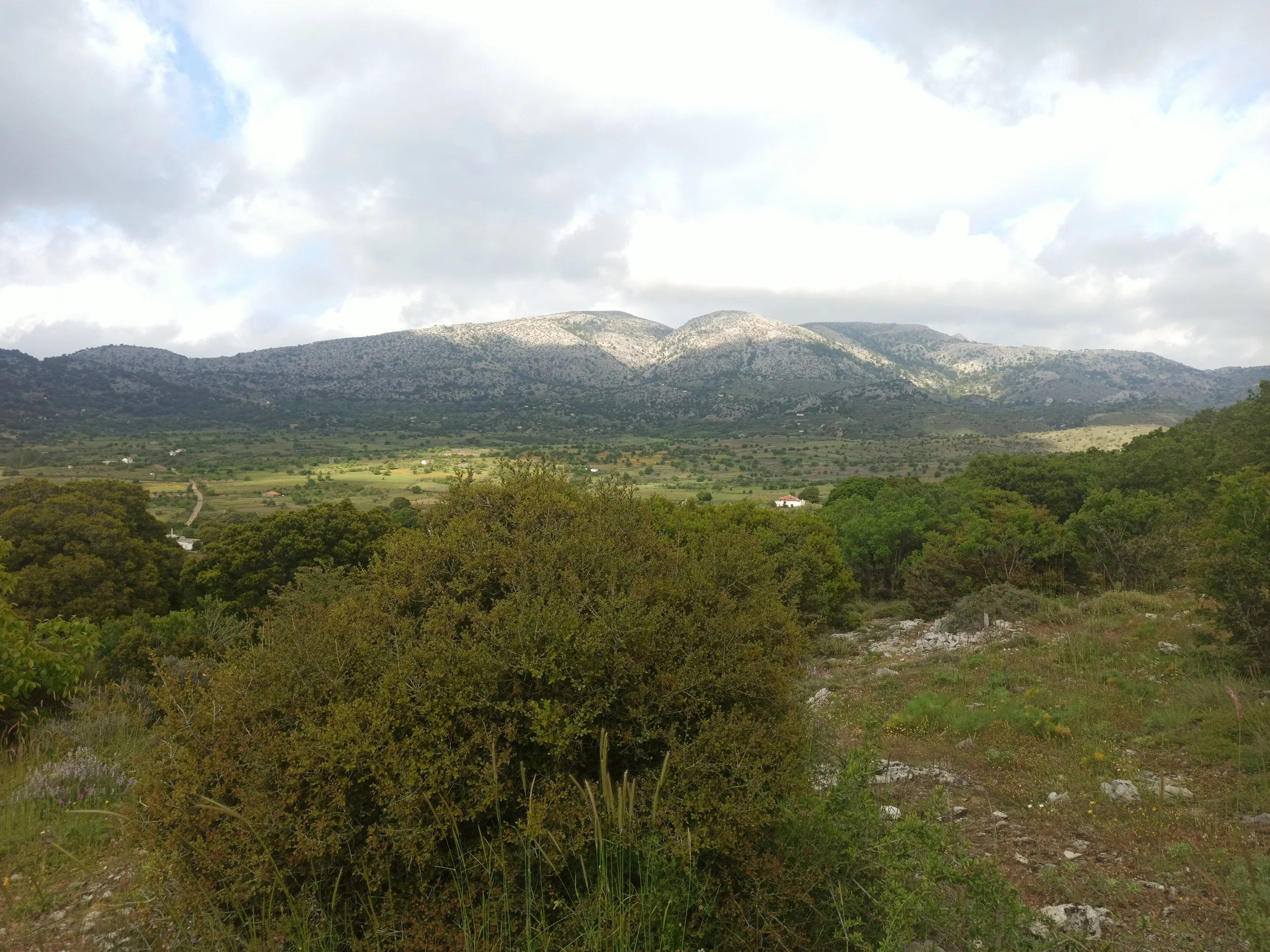
Situated in the Dikti mountain range of Eastern Crete, Katharo Plateau is one of the region's most secluded and distinctive mountain landscapes. At an altitude of approximately 1,150 metres, this remote plateau lies above the traditional village of Kritsa, offering a completely different atmosphere from the coastal areas around Agios Nikolaos.
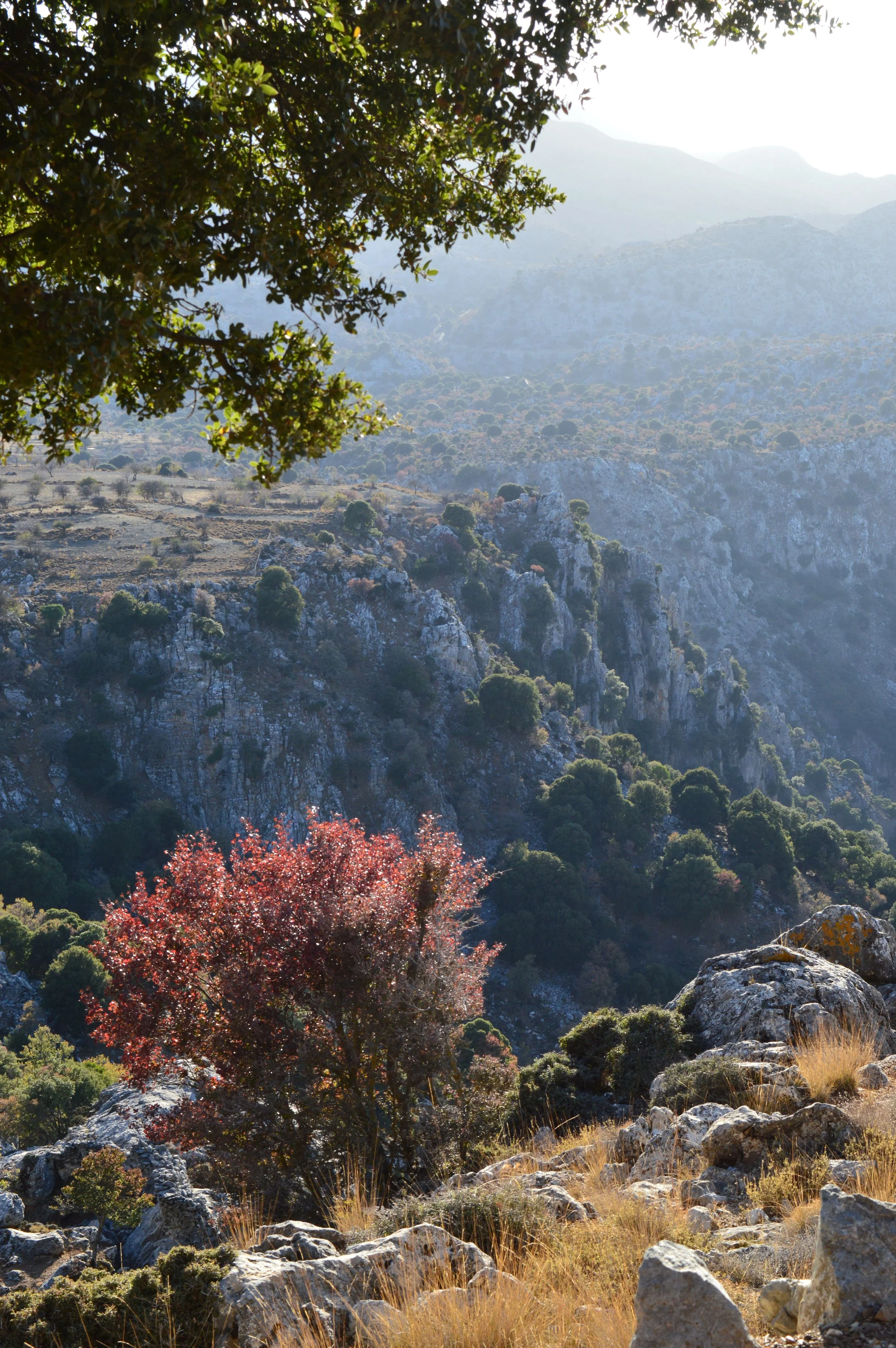
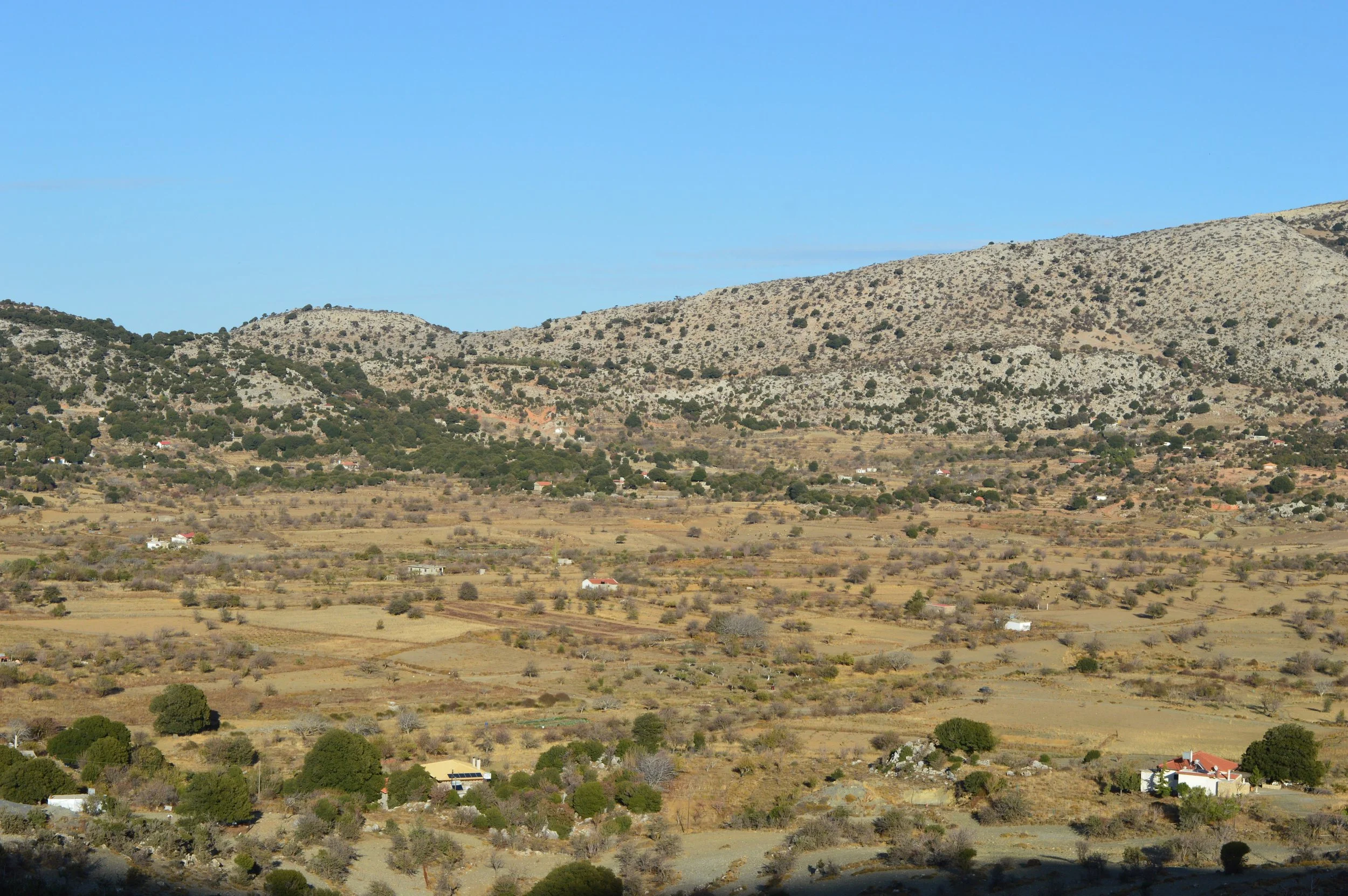
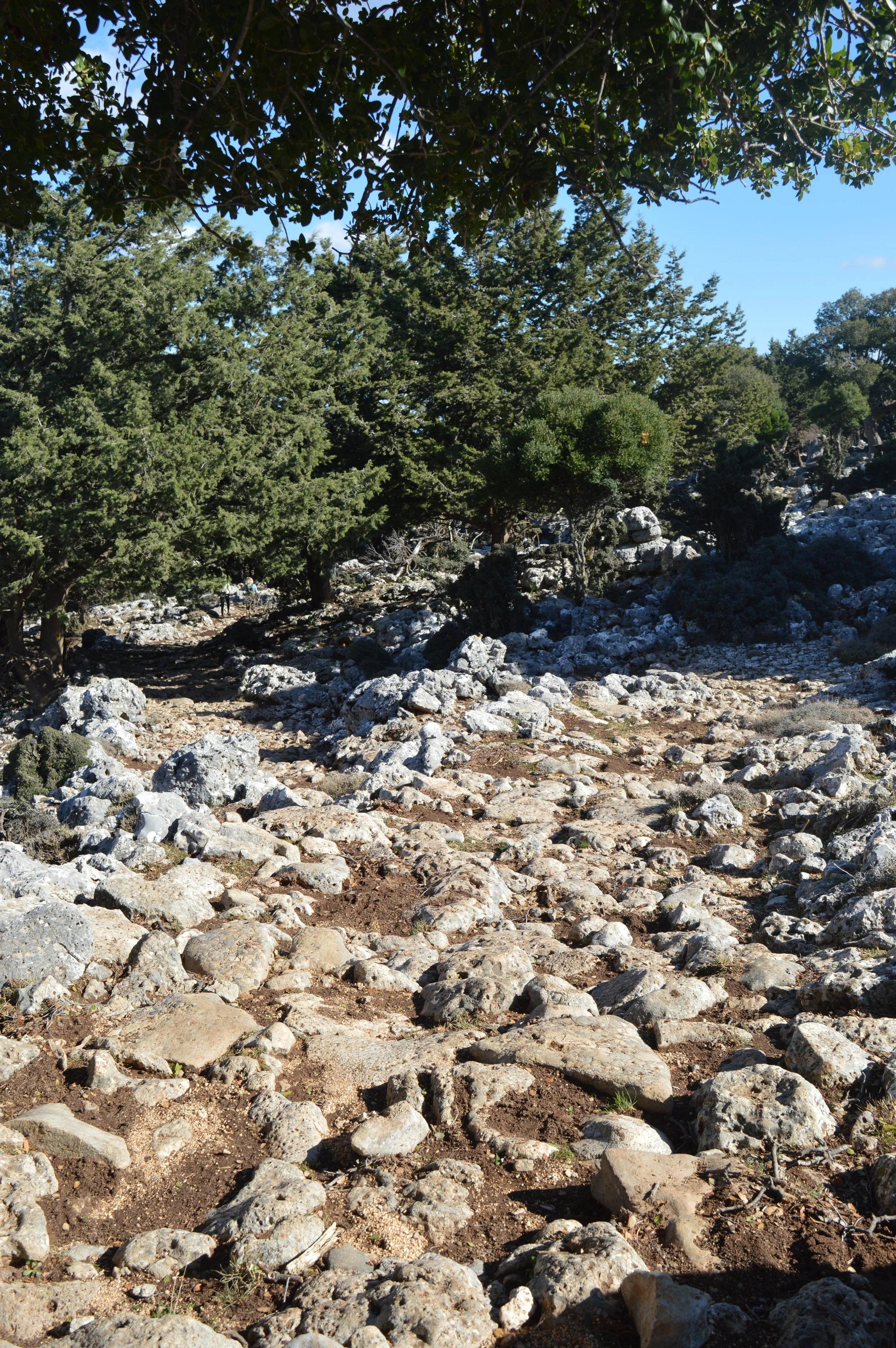
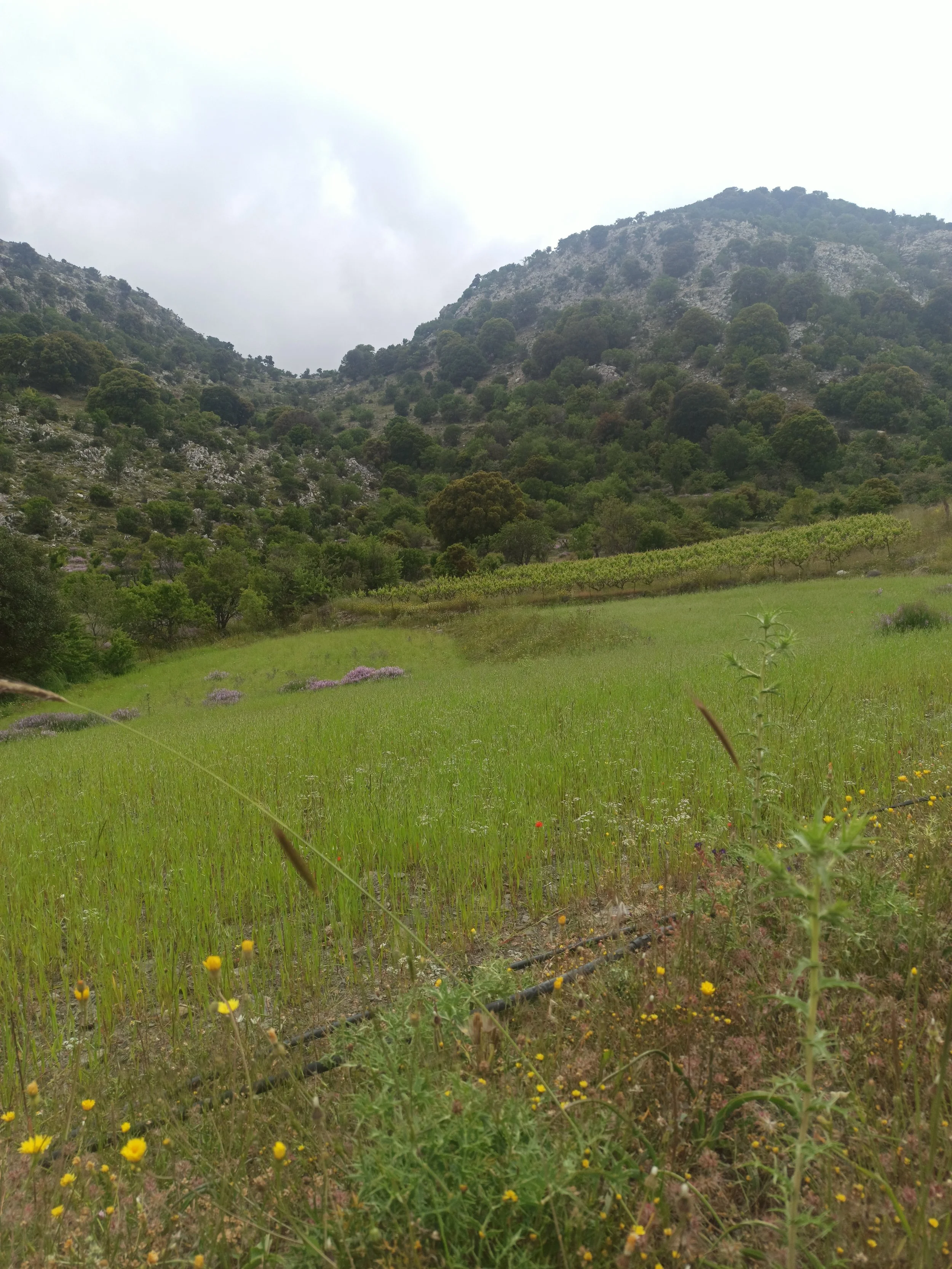
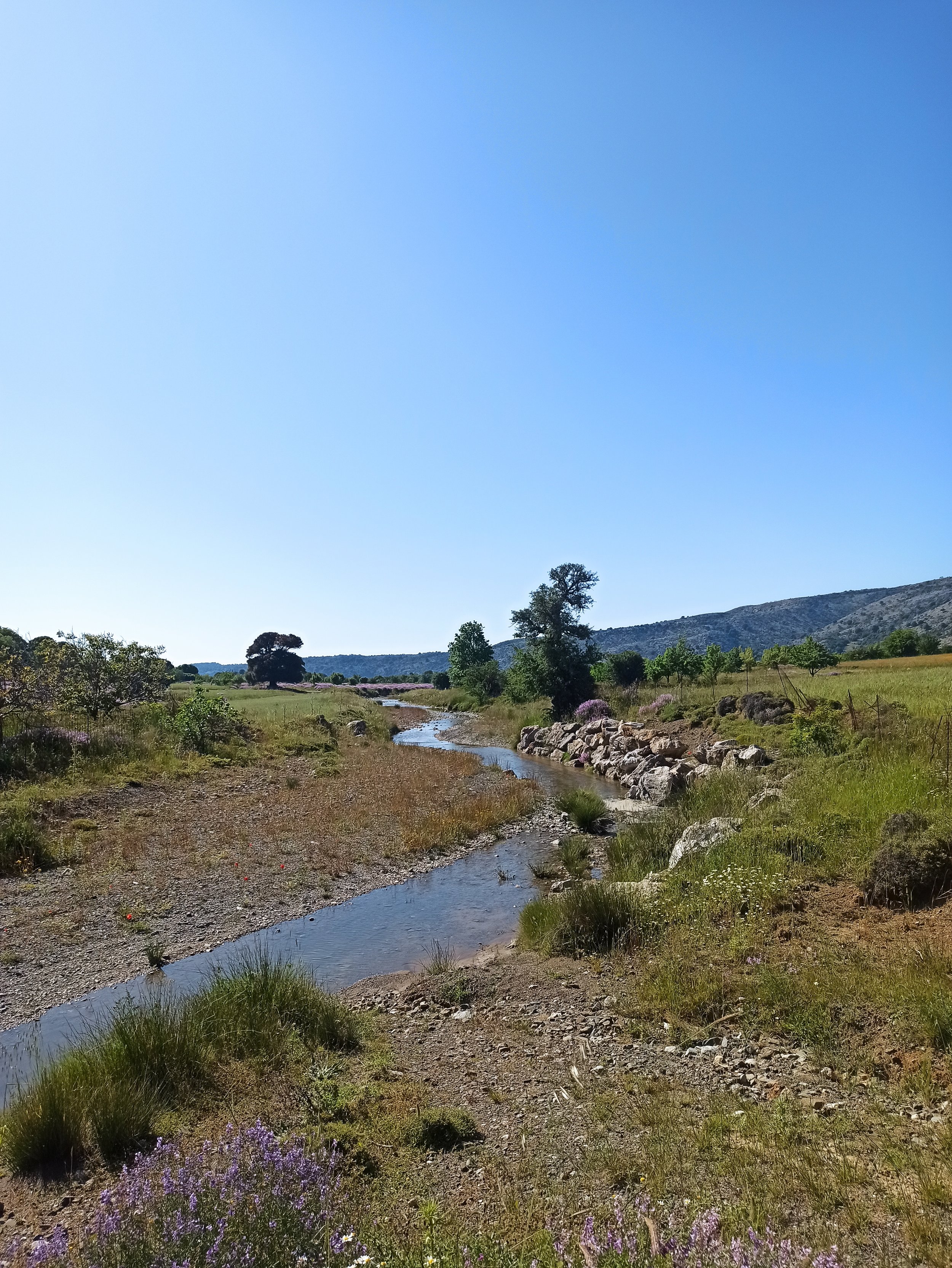
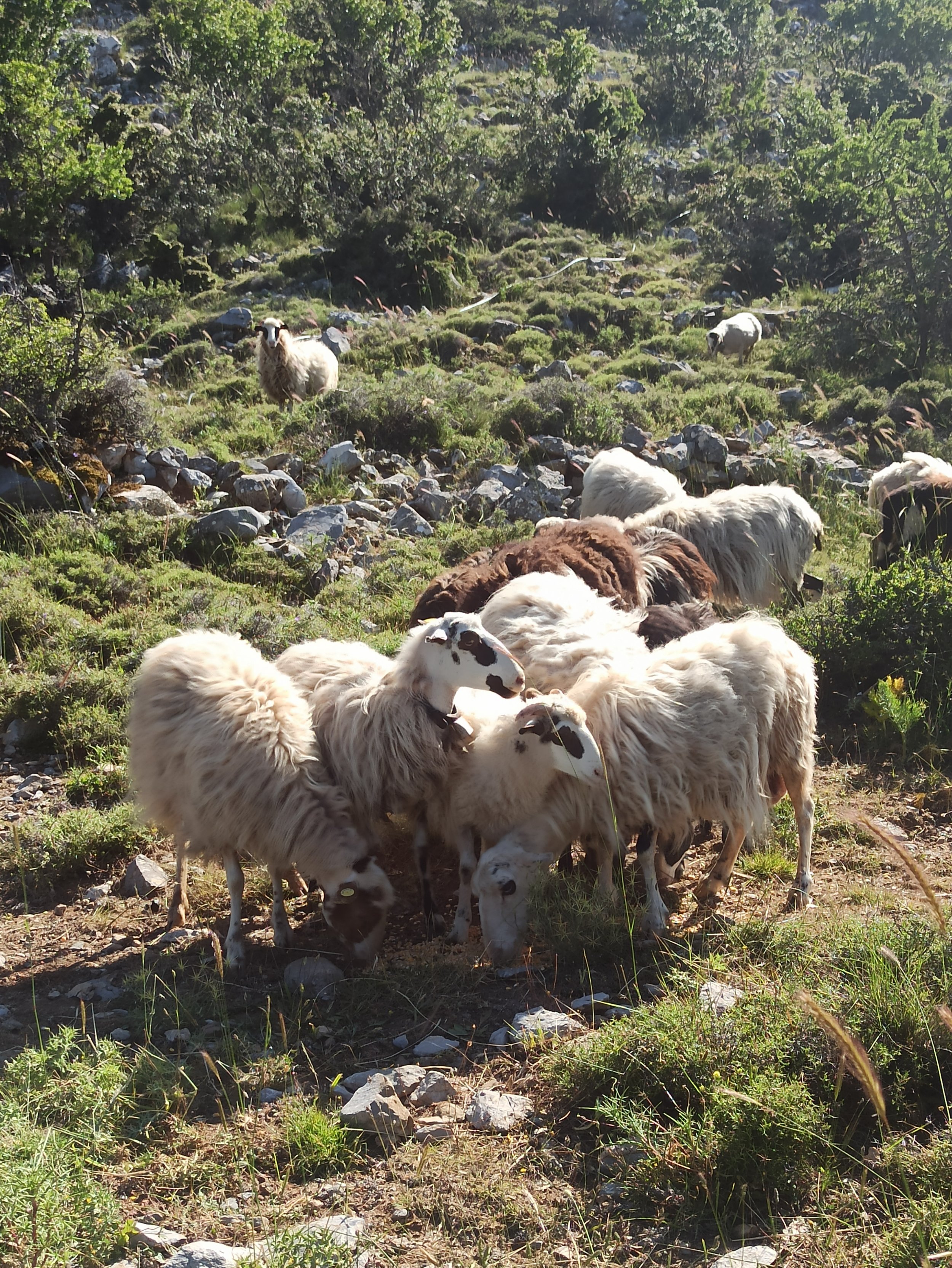
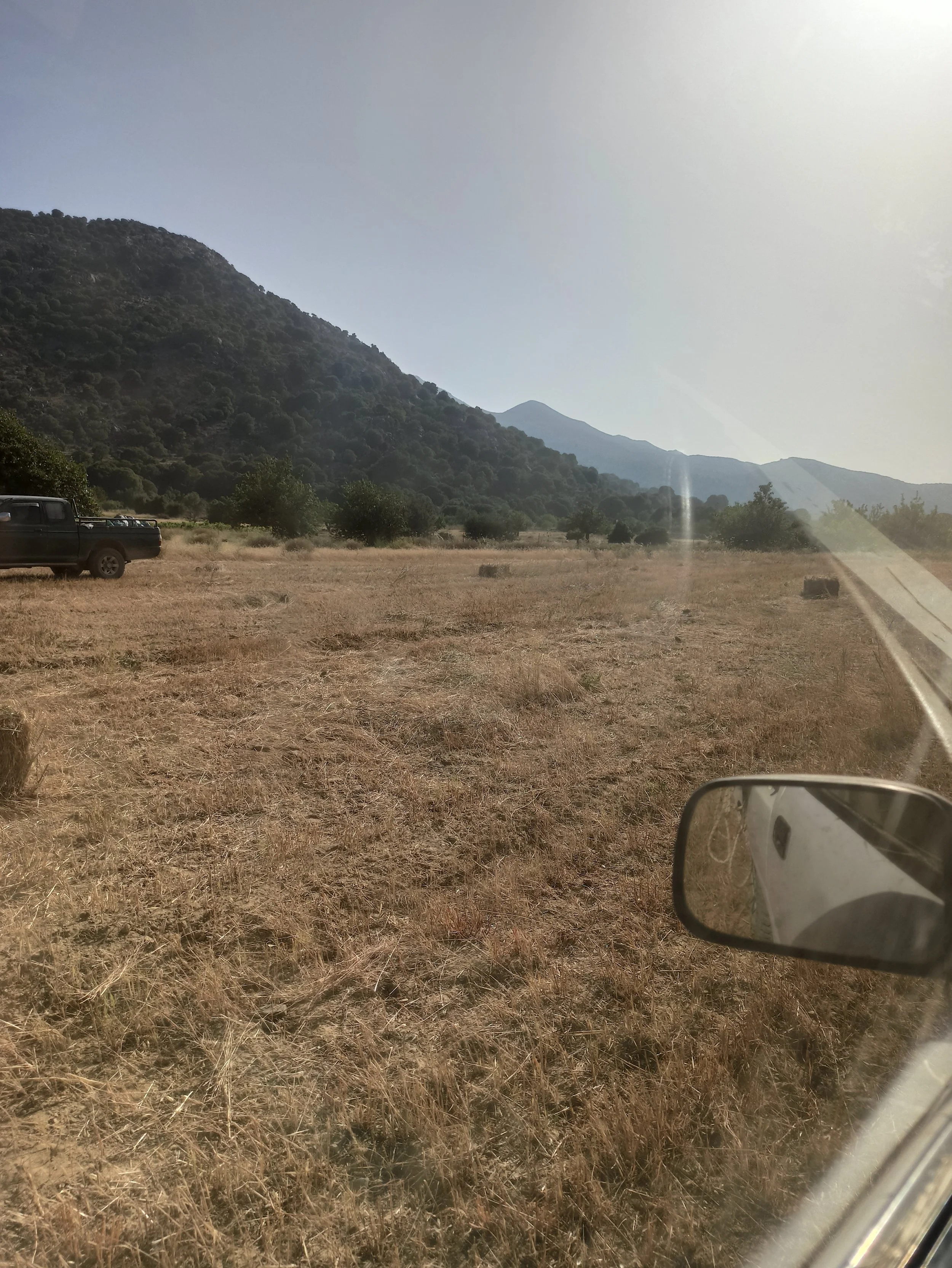
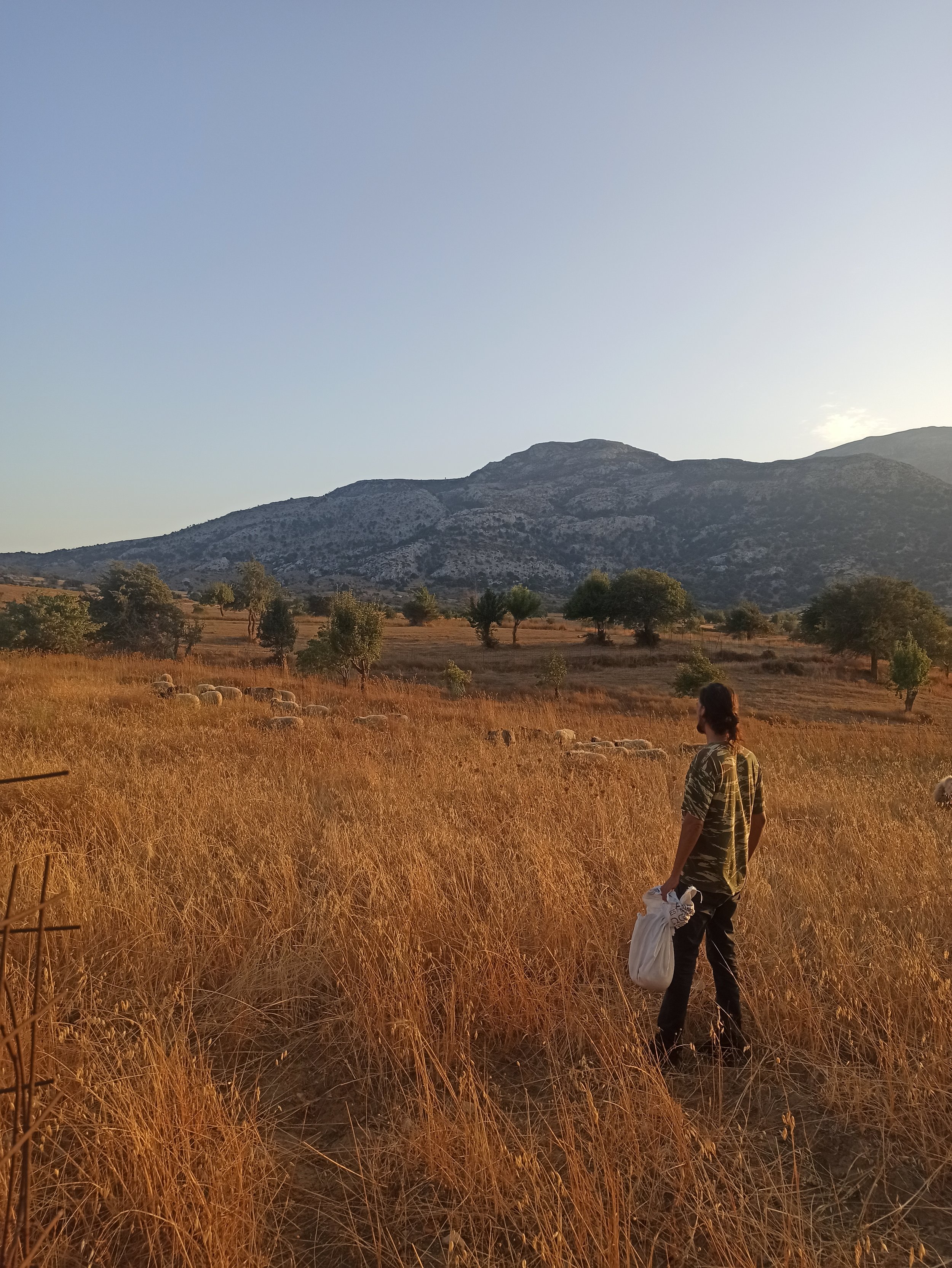
Surrounded by rugged mountain peaks, ancient oak trees and open countryside, Katharo is a place where nature and traditional rural life remain closely connected. Its landscape is characterised by small cultivated fields, stone walls, scattered farm buildings and grazing sheep and goats. Unlike the more developed Lasithi Plateau, Katharo retains a quieter and more untouched character, making it an appealing destination for visitors seeking to explore the mountainous interior of Crete.
Located approximately 26 kilometres from Agios Nikolaos, Katharo Plateau is an excellent destination for a scenic mountain excursion, combining beautiful landscapes, traditional agricultural heritage, hiking opportunities and fascinating geological history.
The Landscape and Traditional Life of Katharo
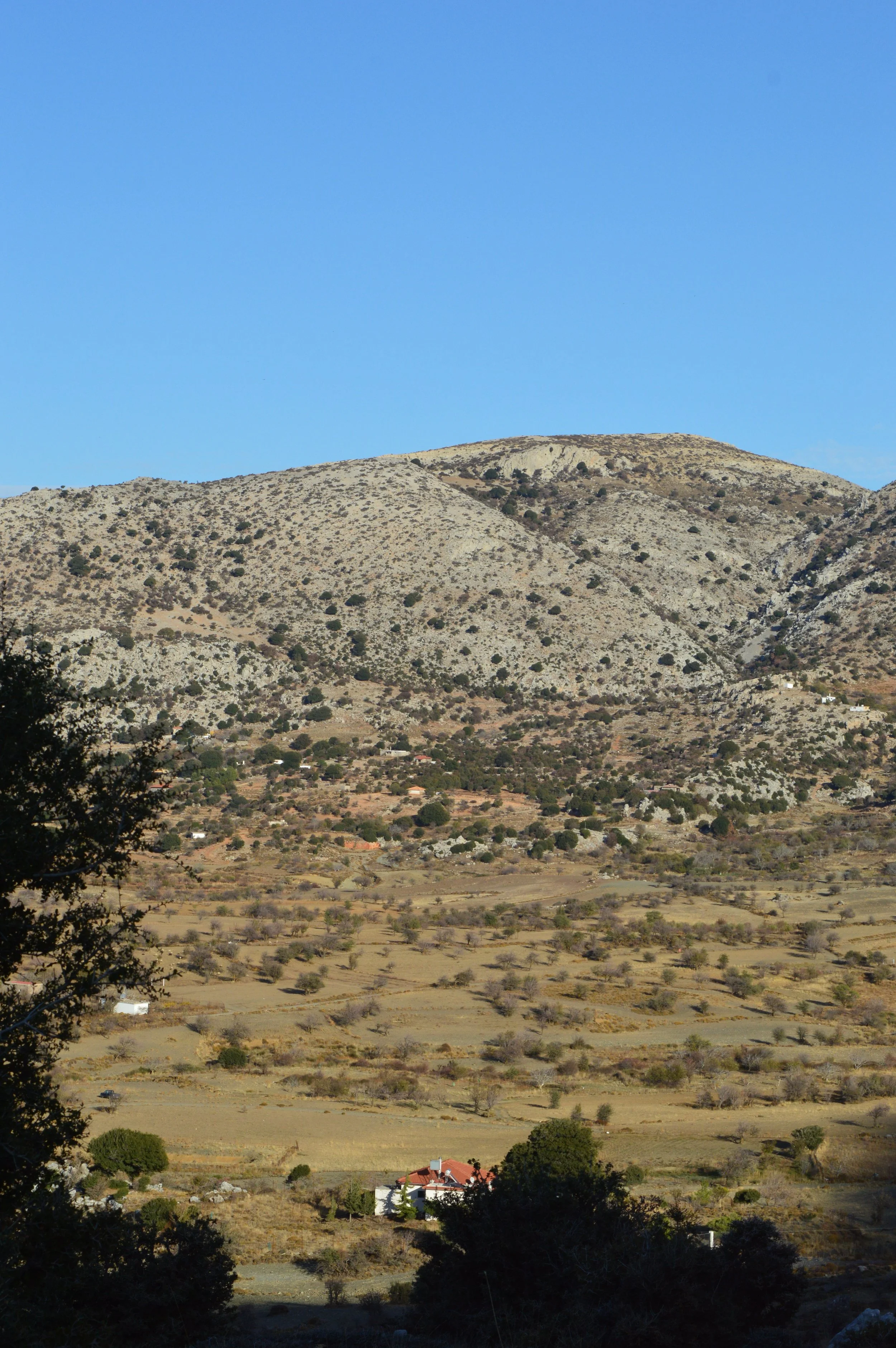
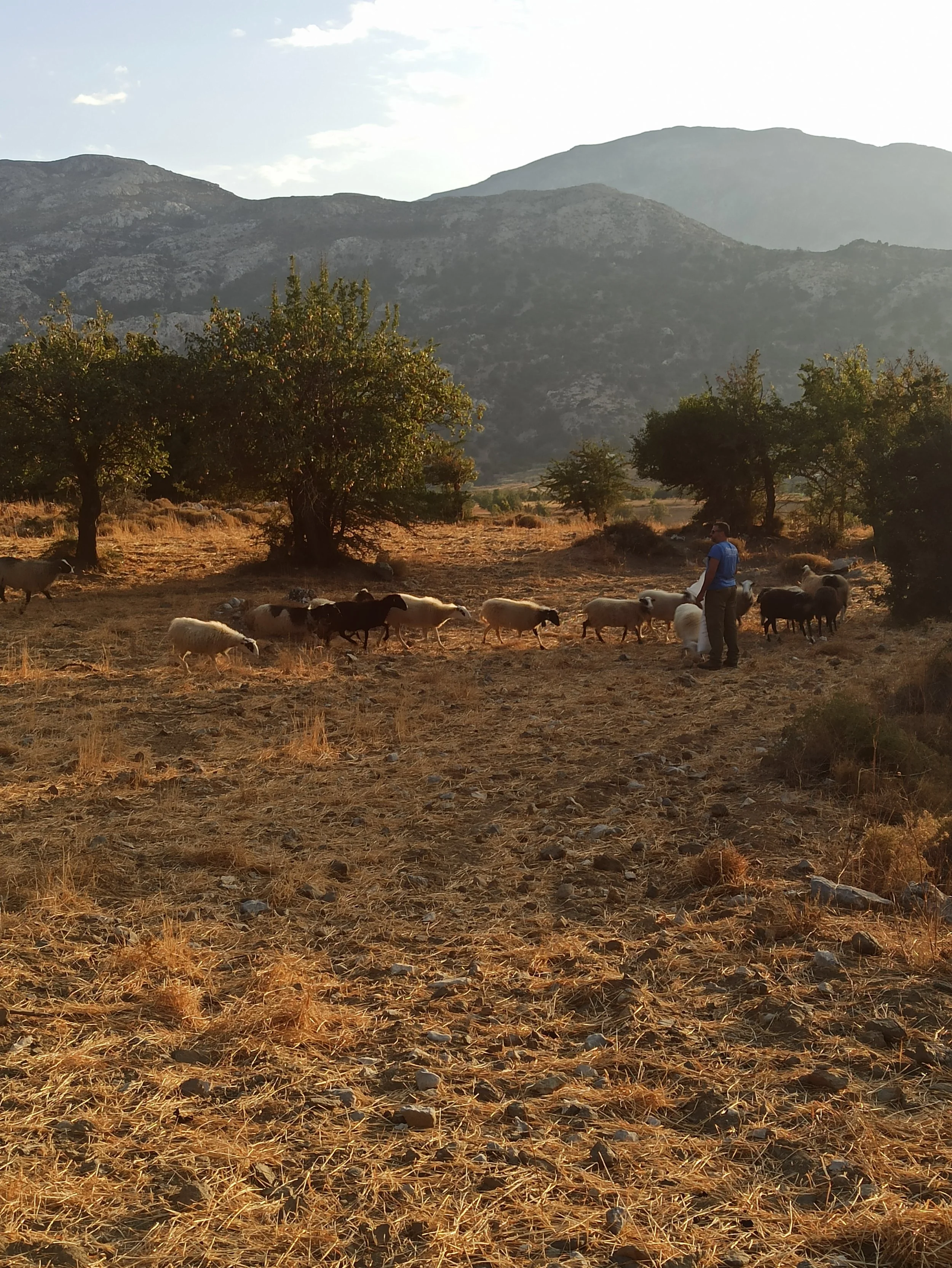
Katharo is a high mountain plain surrounded by the peaks of the Dikti range. Its relatively isolated position and elevation have shaped the traditional way of life in the area, which remains strongly connected to livestock farming and seasonal agriculture.
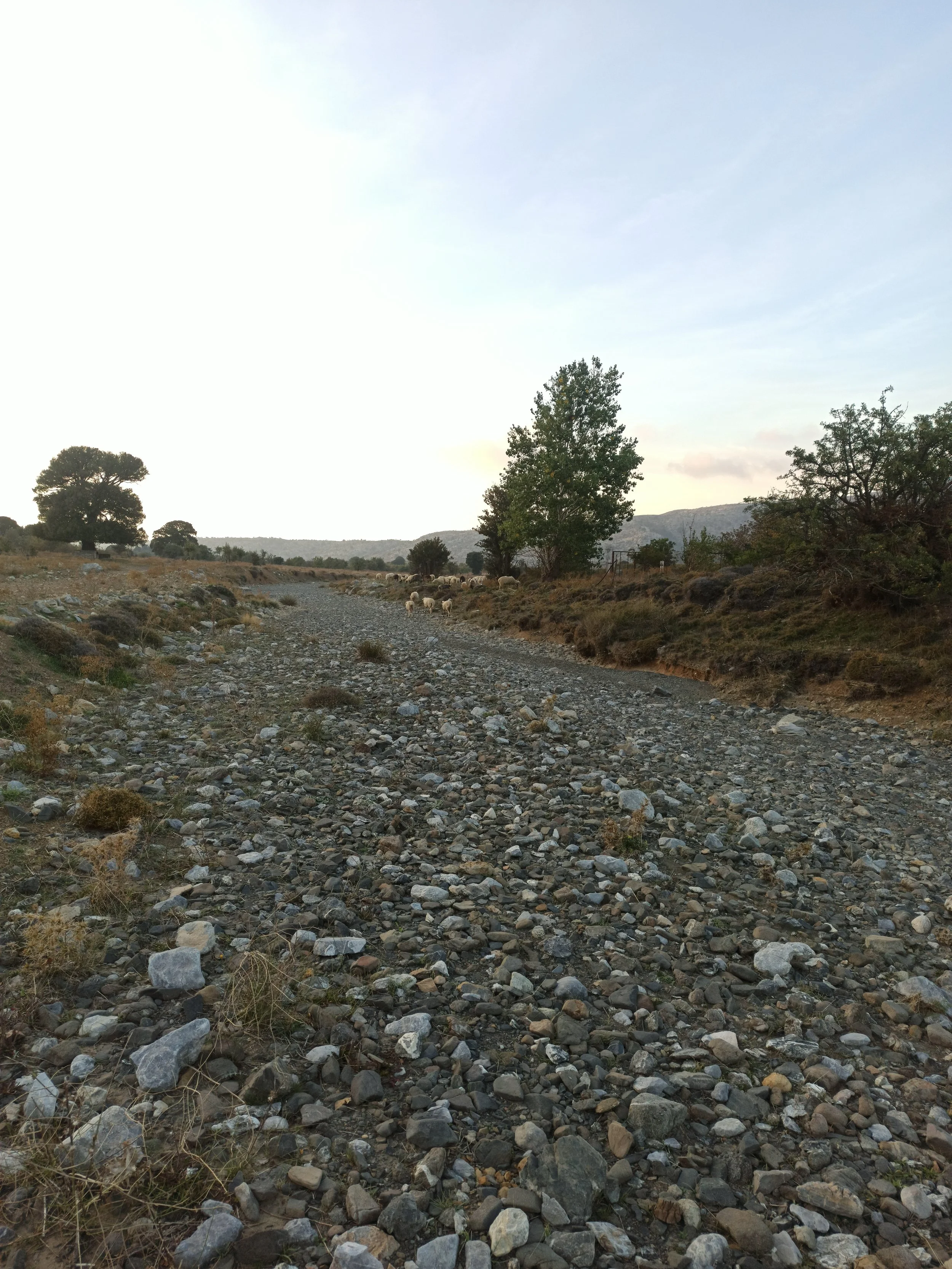
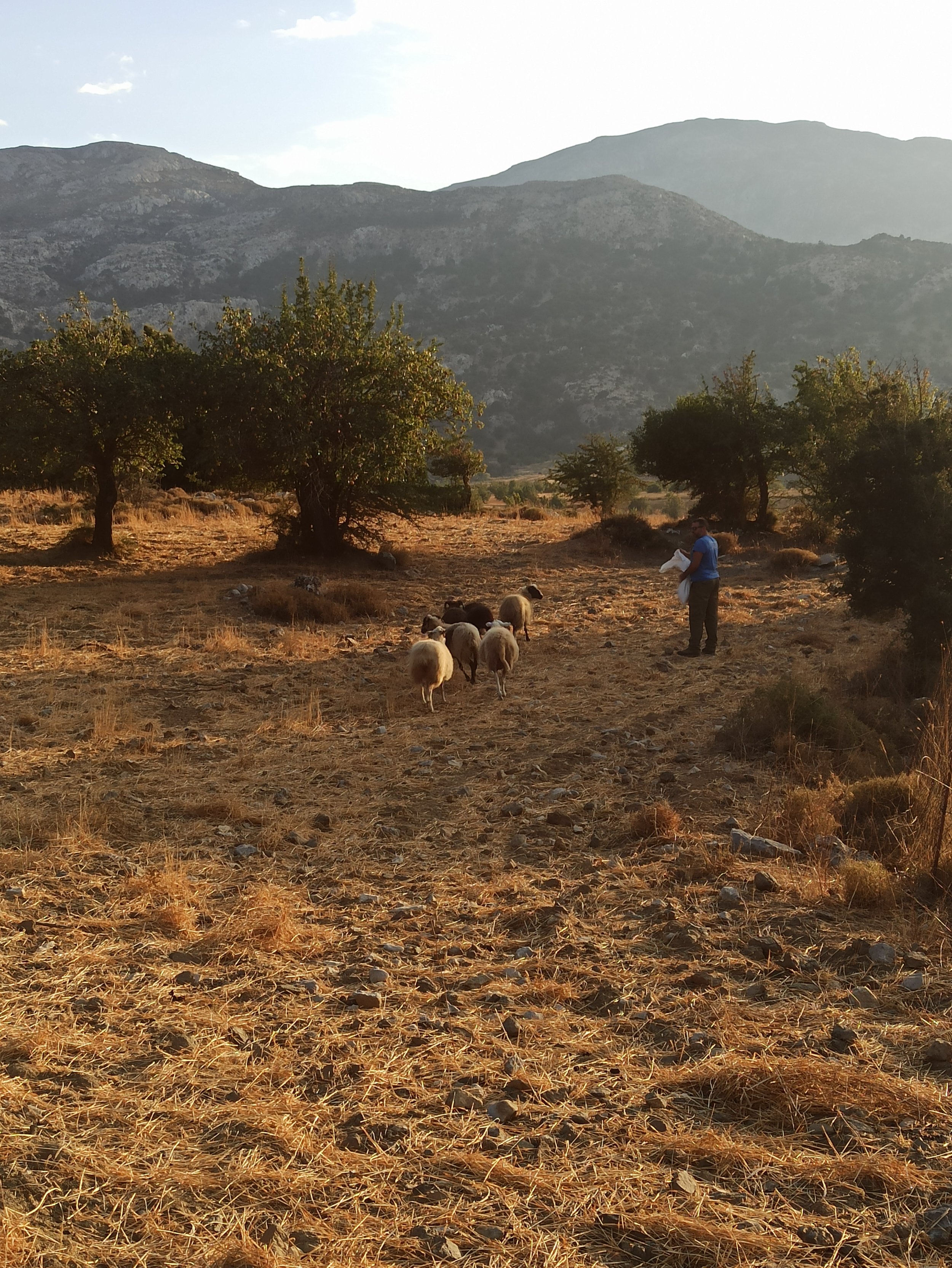
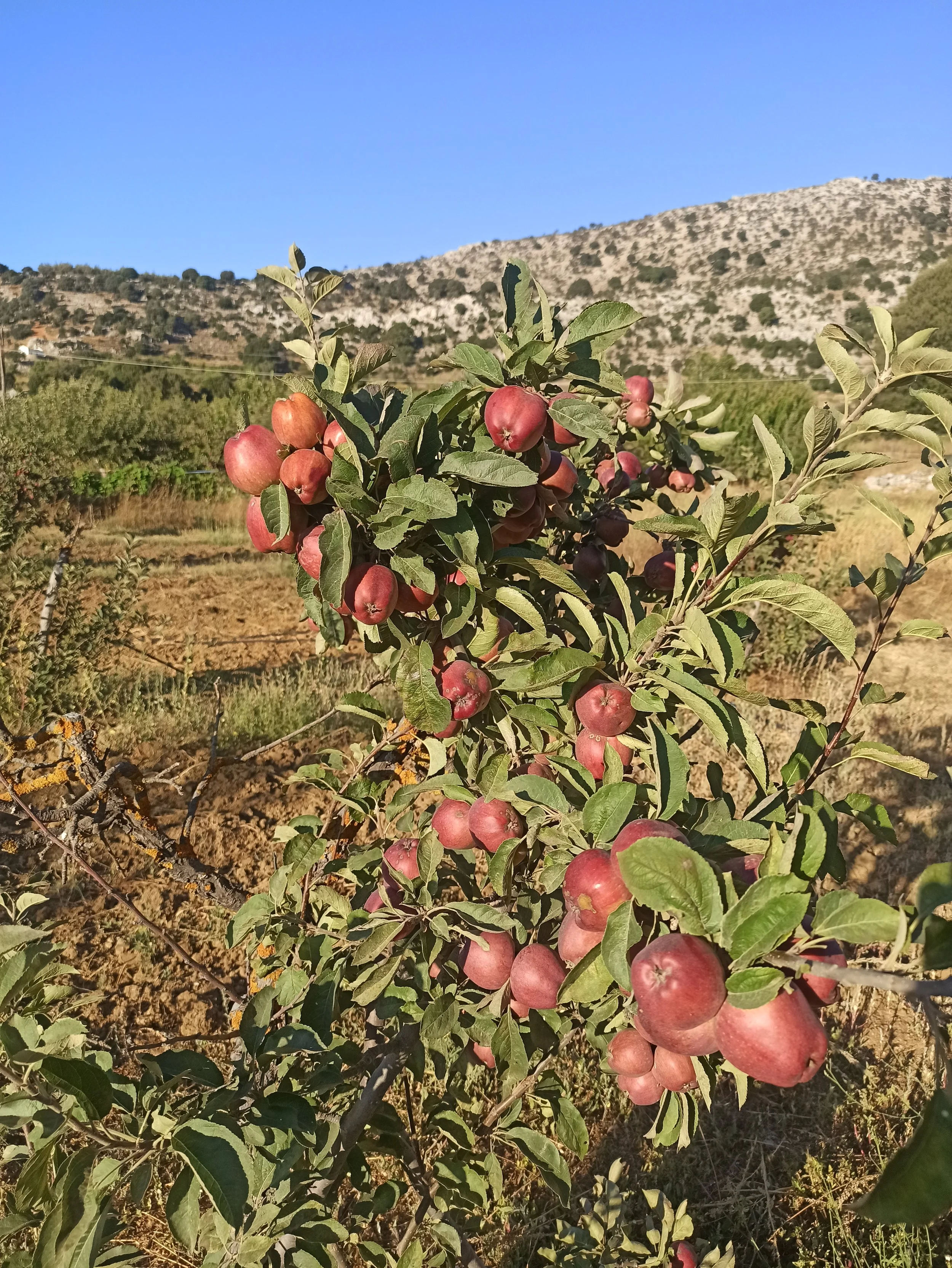
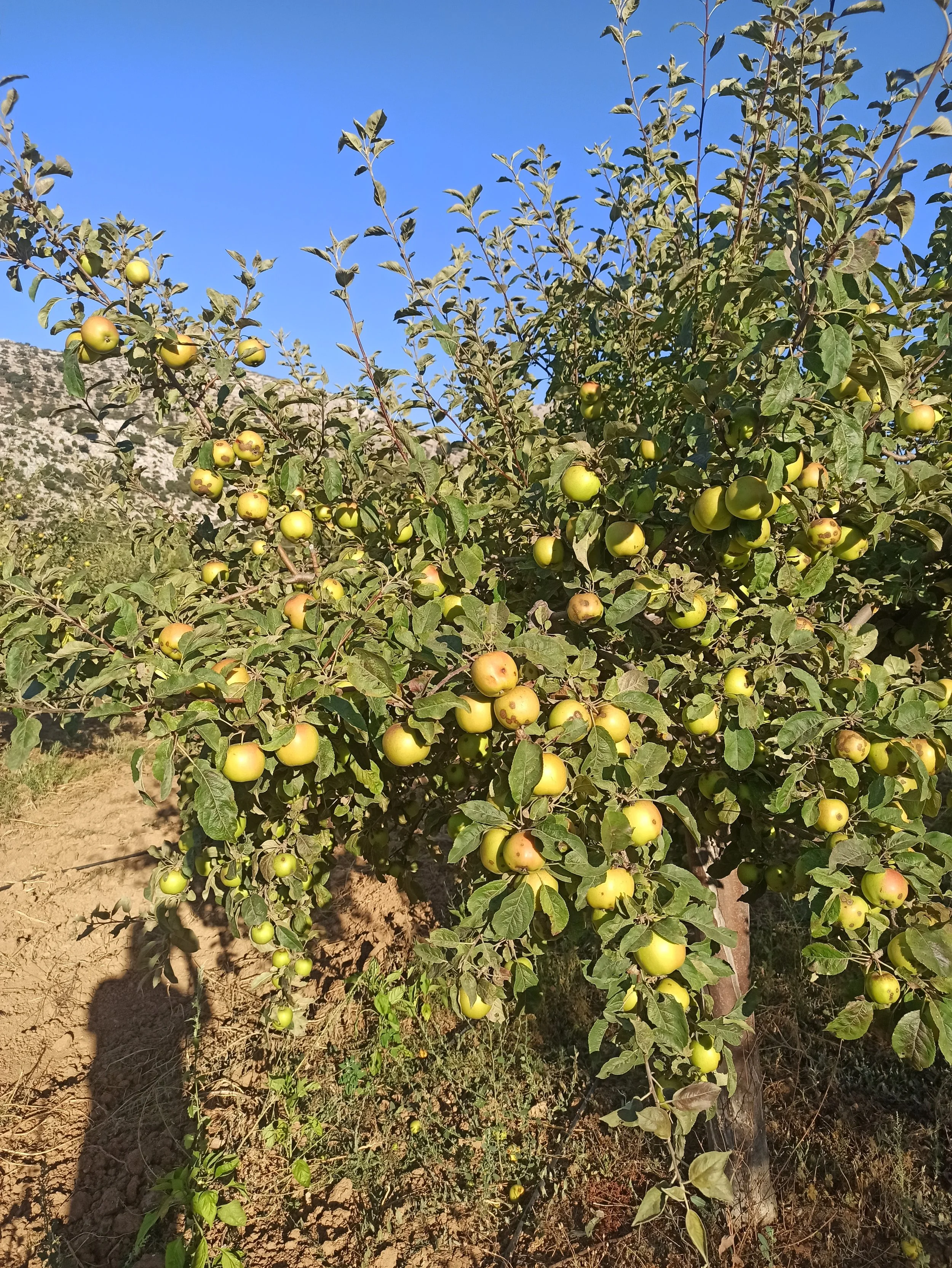
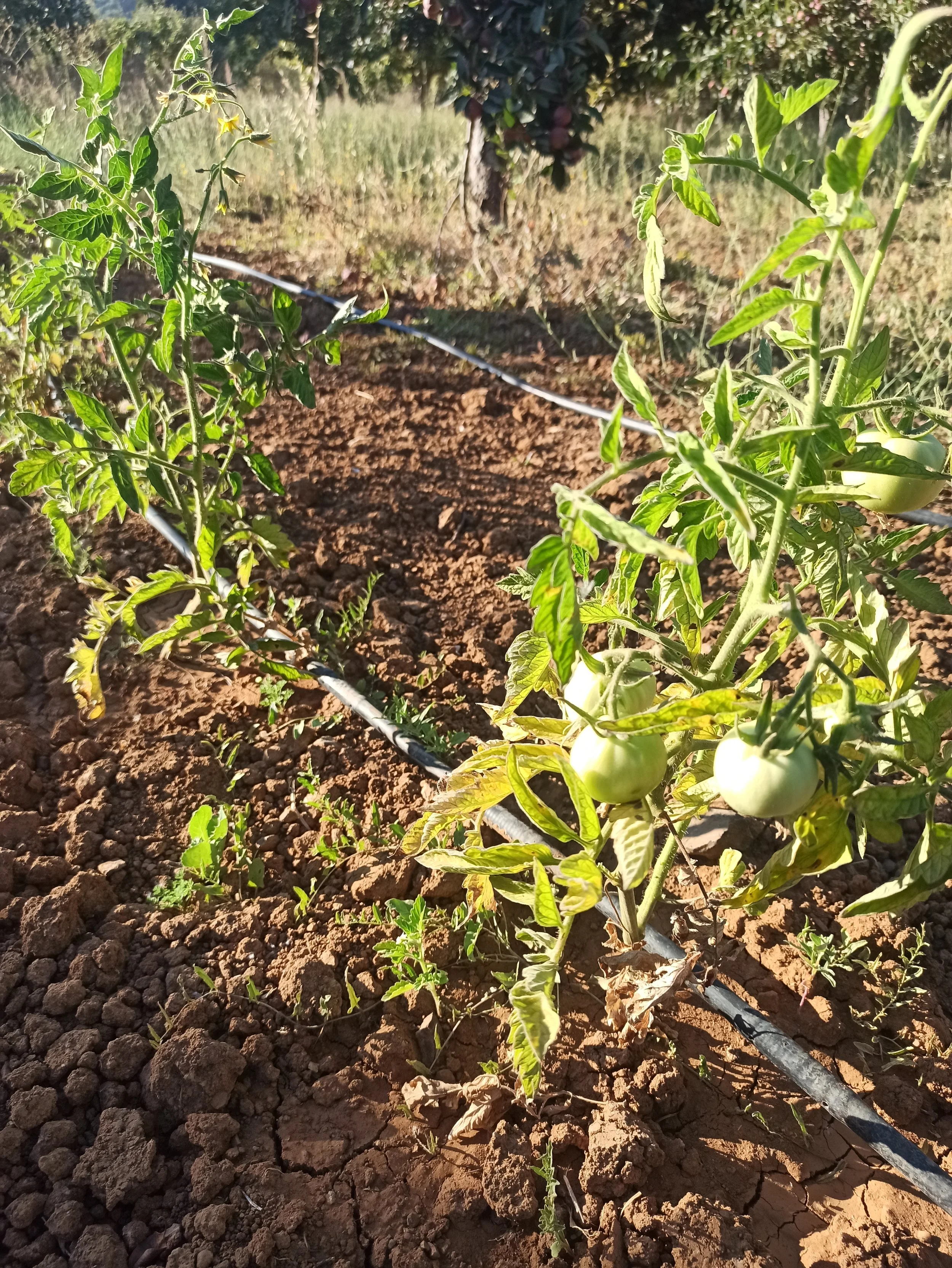
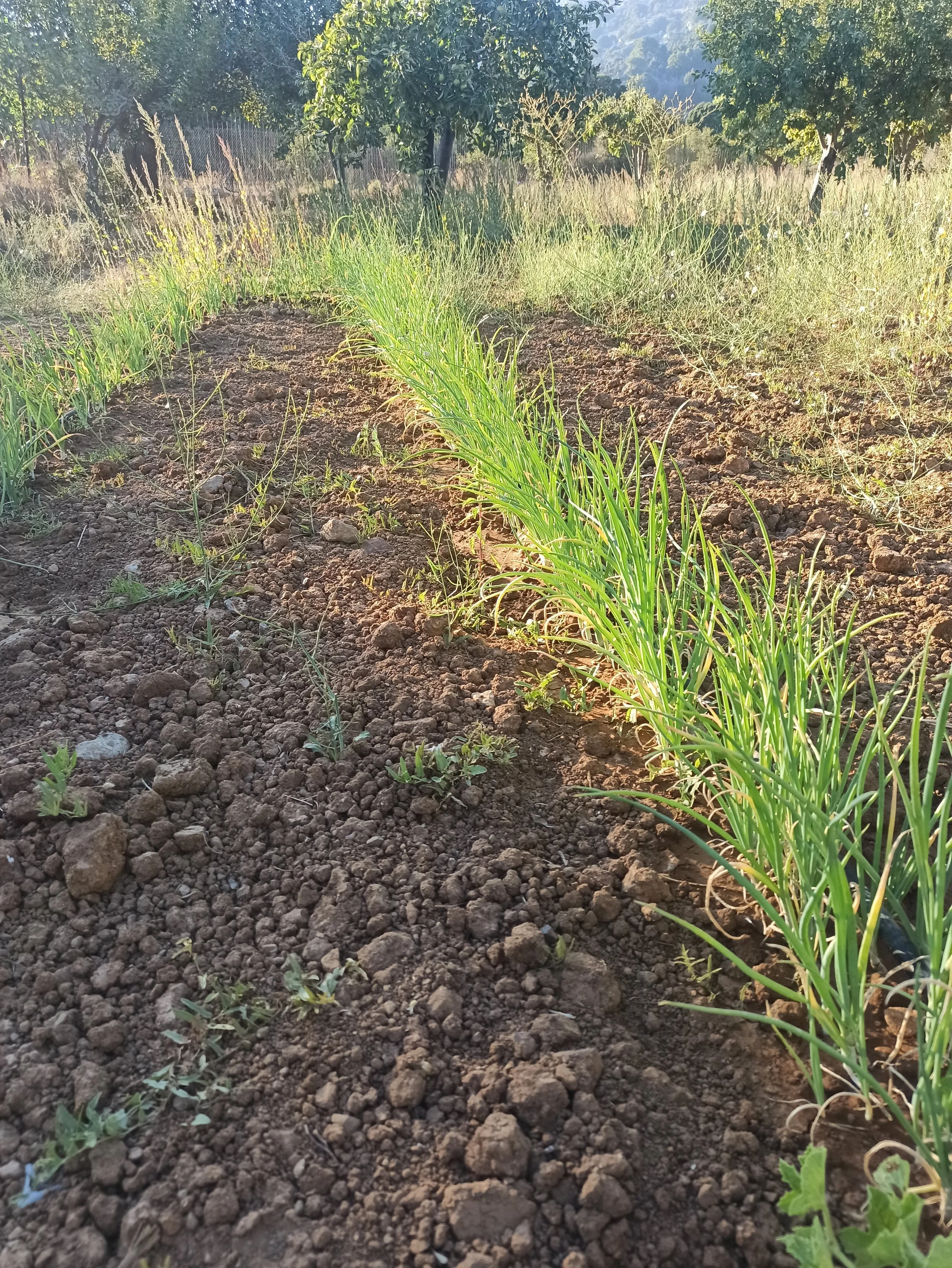
The plateau is almost uninhabited, with scattered farmhouses and agricultural buildings mainly associated with the community of Kritsa. Small cultivated plots produce potatoes, apples, grapes and other seasonal crops, while sheep and goats graze across the surrounding slopes.
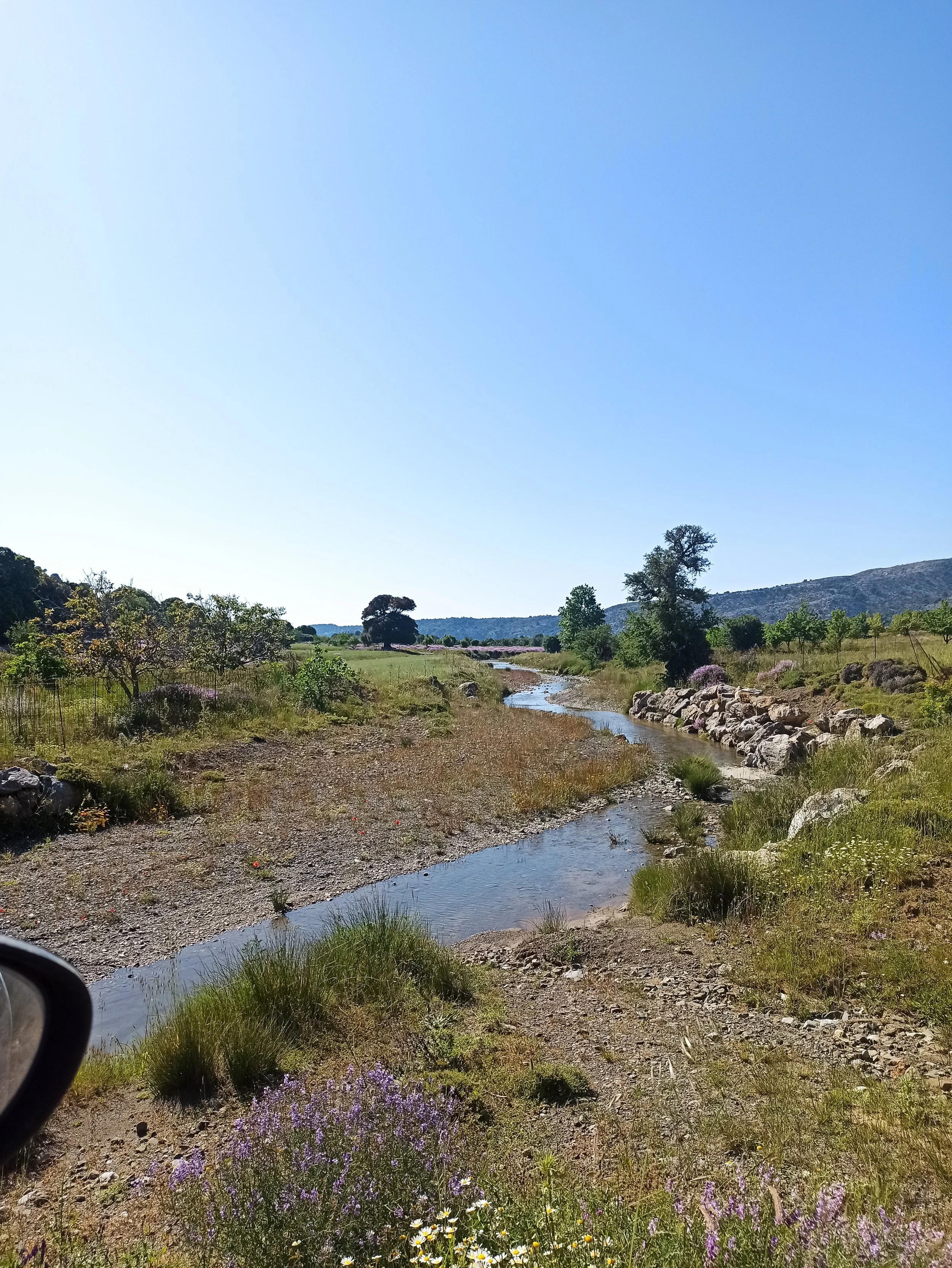
The landscape changes throughout the year. During spring, the countryside becomes greener, with vegetation and wildflowers adding colour to the mountain scenery. Summer brings a quieter agricultural atmosphere, while autumn and winter transform the plateau with cooler temperatures, changing colours and occasional snowfall.
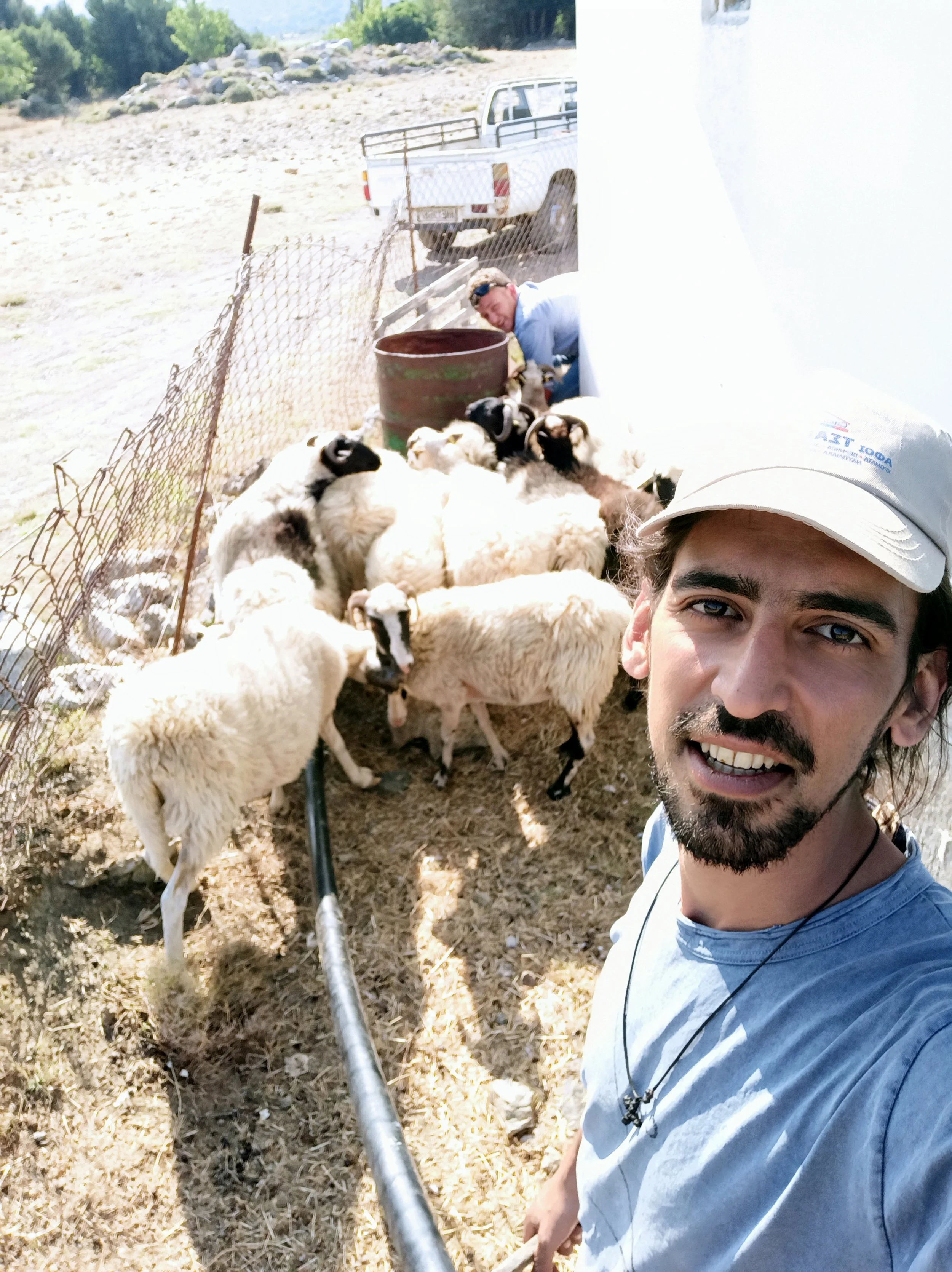
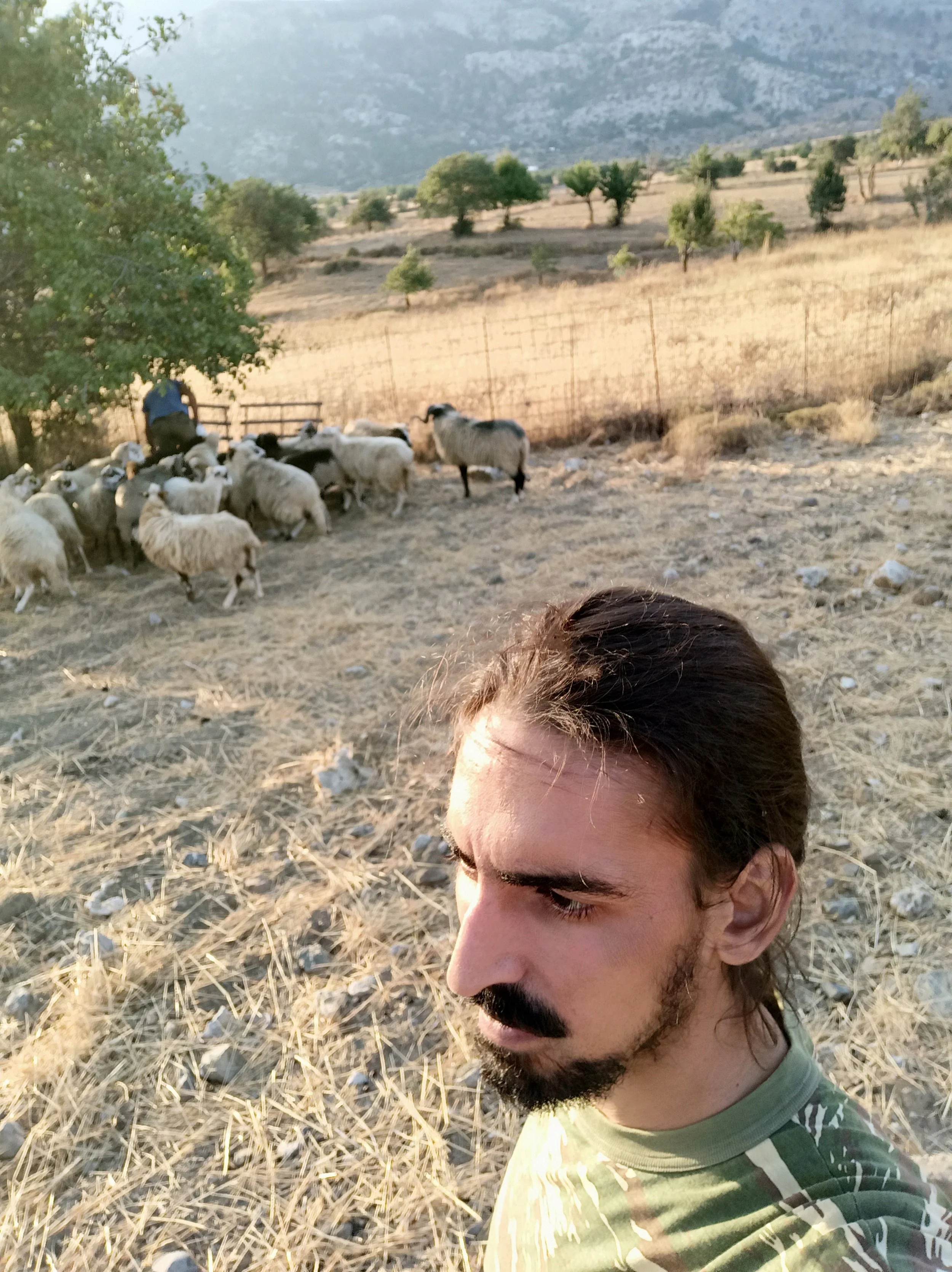
The presence of shepherds, traditional stone structures and small agricultural properties gives Katharo a distinctive rural character that is increasingly difficult to find in more developed parts of Crete.
A Landscape of Geological and Paleontological Importance
One of the most fascinating aspects of Katharo Plateau is its geological history. Scientific research and paleontological discoveries have revealed that the area was once covered by a lake during the Pleistocene period.
Fossils discovered in the region include remains of dwarf elephants and hippopotamuses, offering valuable evidence of the prehistoric wildlife that once inhabited Crete.
These discoveries are particularly interesting because Crete's geographical isolation contributed to the evolution of distinctive animal species over thousands of years. The remains found around Katharo provide an insight into the island's ancient natural environment and its geological development.
Today, the plateau remains an area of scientific interest, attracting attention from researchers studying the prehistoric landscapes and fauna of the island.
Hiking and Exploring the Surrounding Mountains
Katharo Plateau is an appealing destination for visitors interested in hiking and exploring the mountainous landscapes of Eastern Crete.
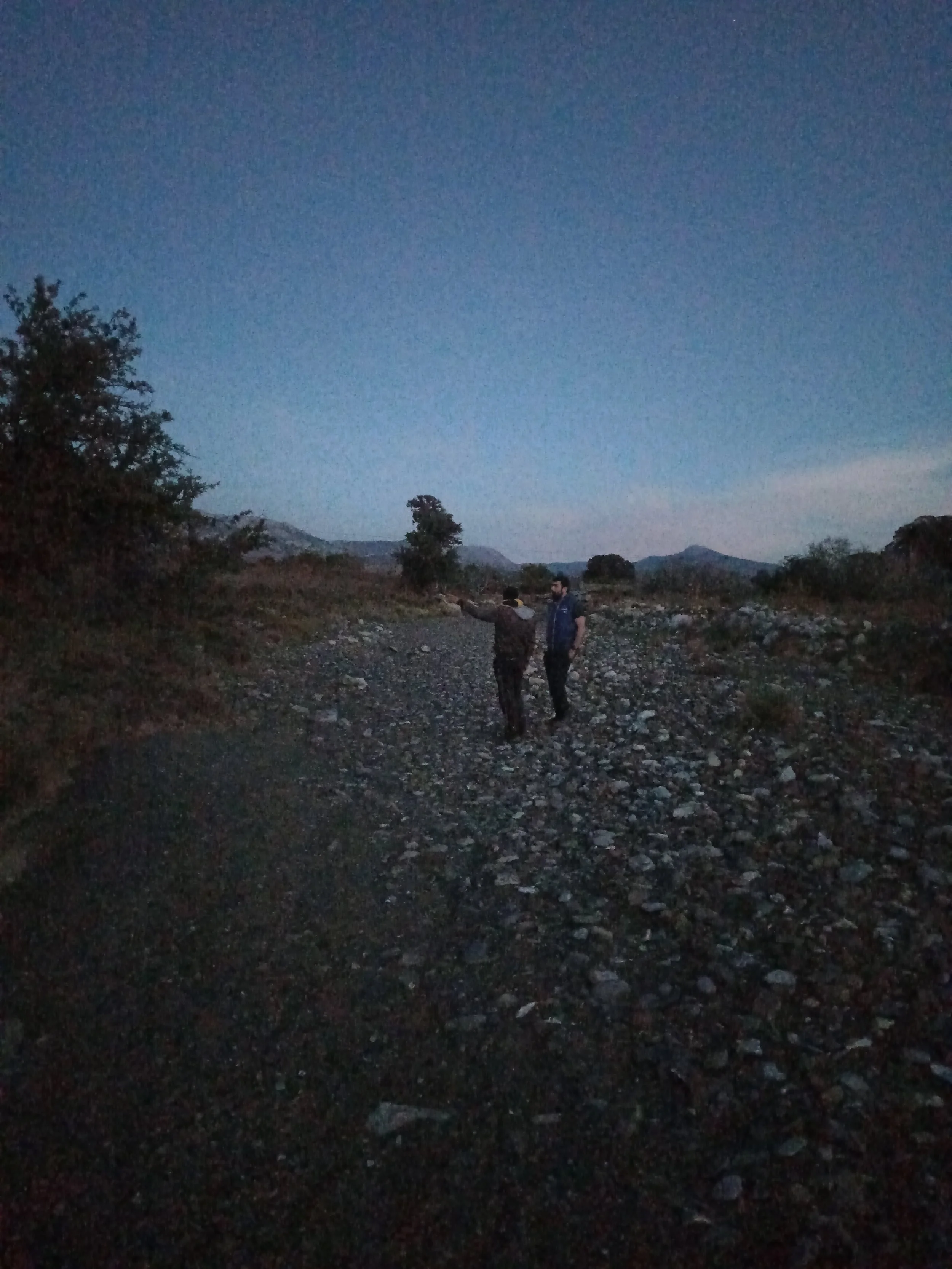
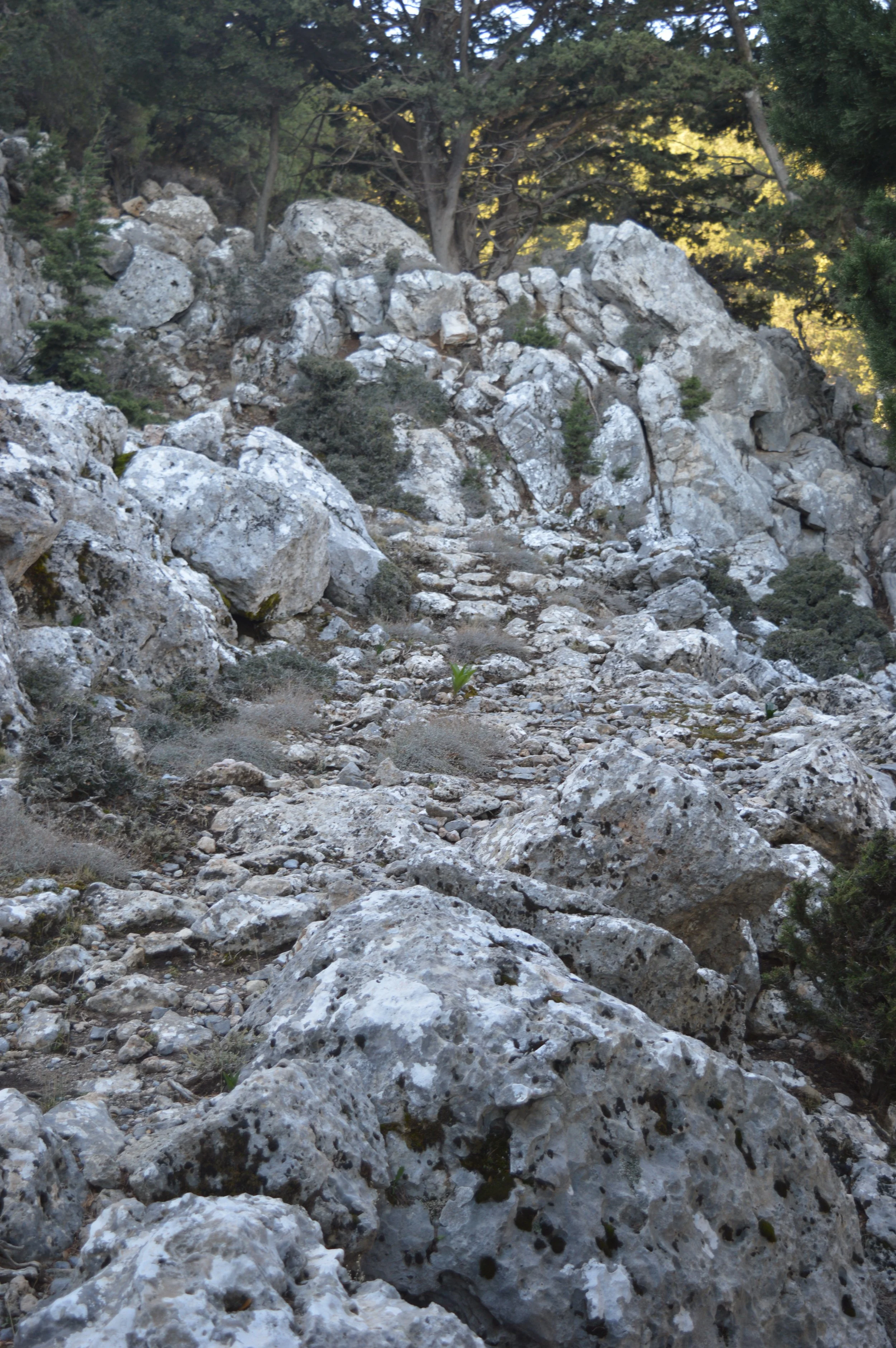
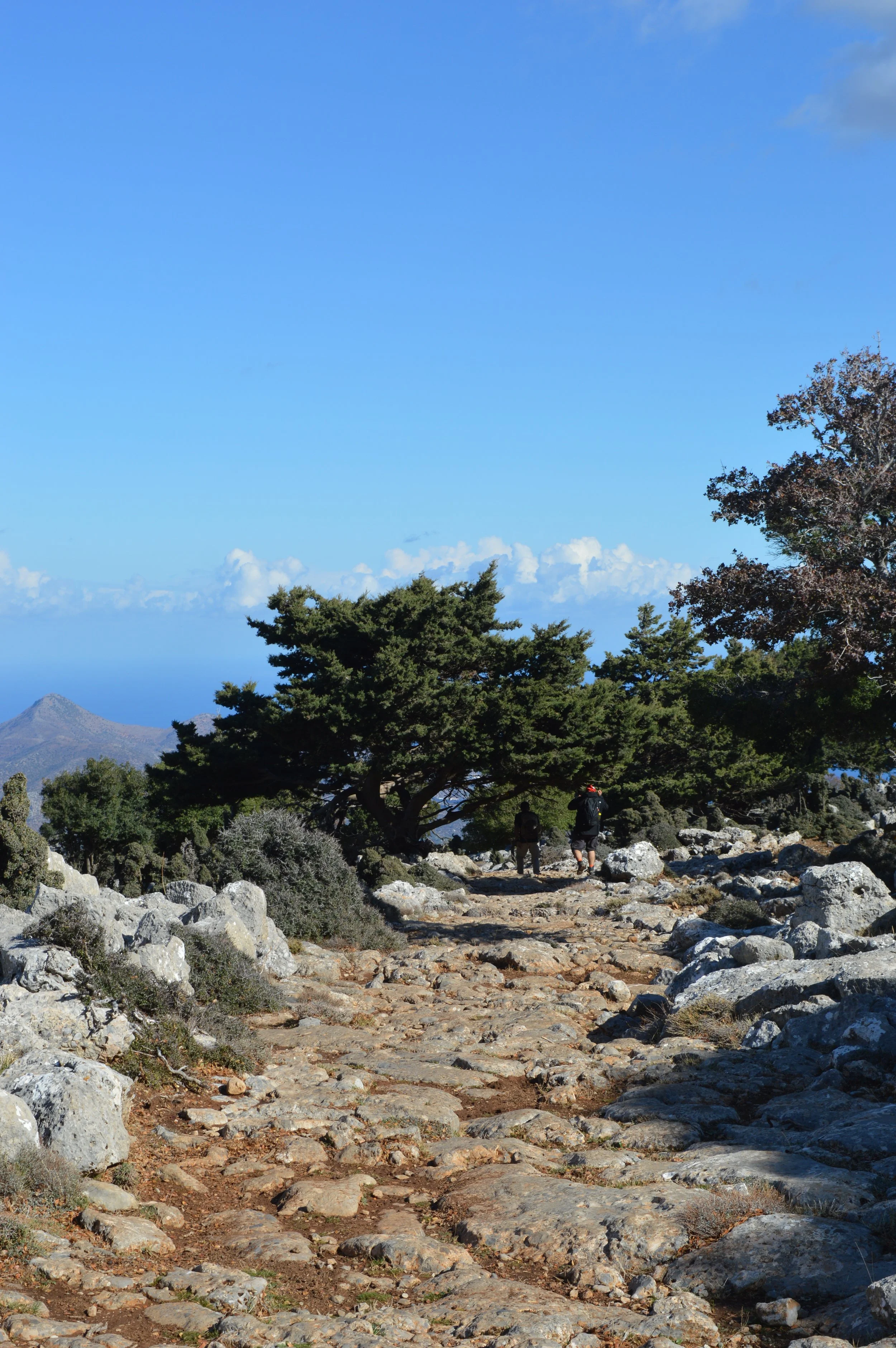
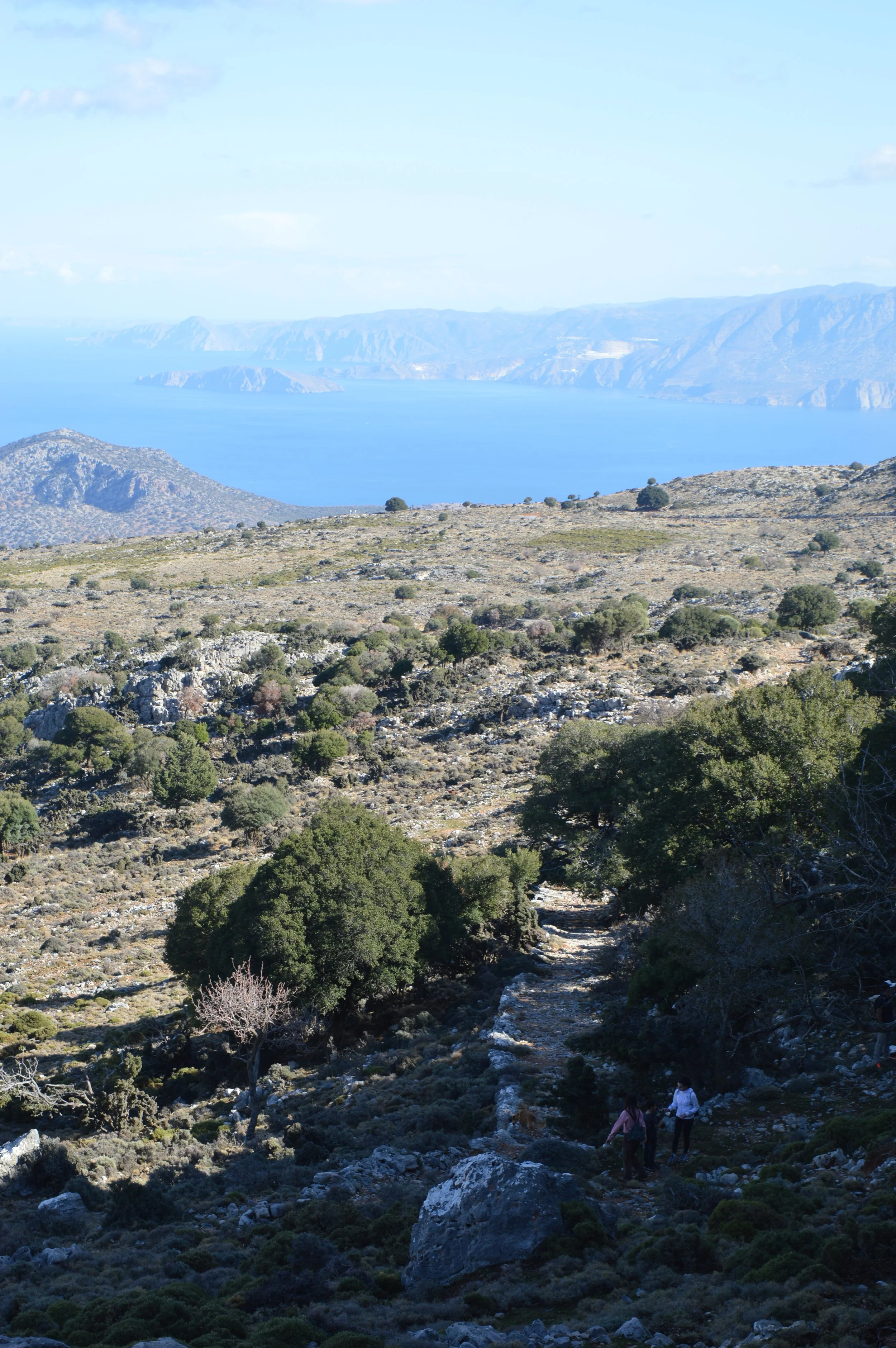
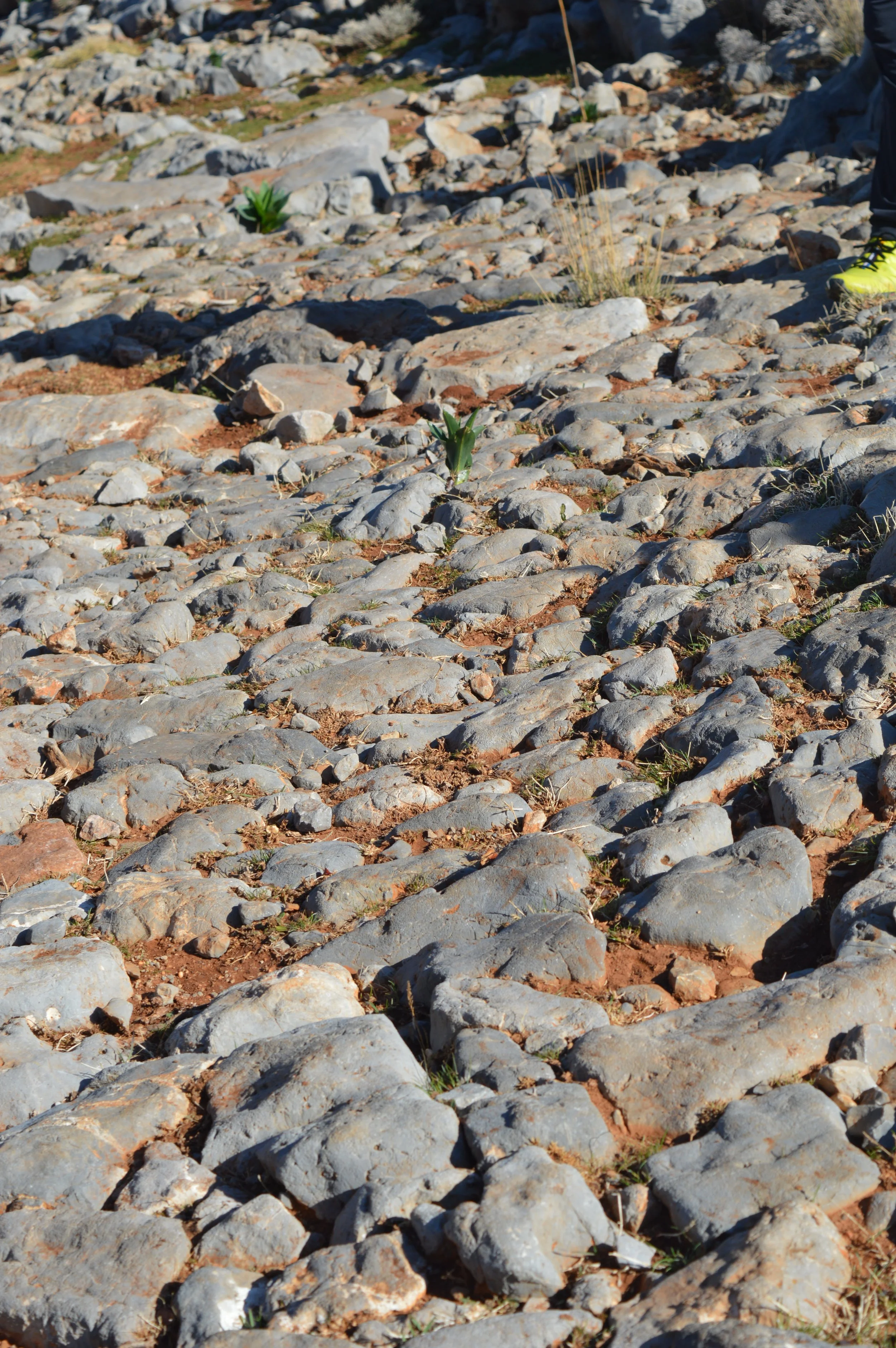
The surrounding area features old rural paths, mountain tracks and sections of the European E4 long-distance walking route. These routes connect Katharo with neighbouring mountain areas, including the Lasithi Plateau and Selakano.
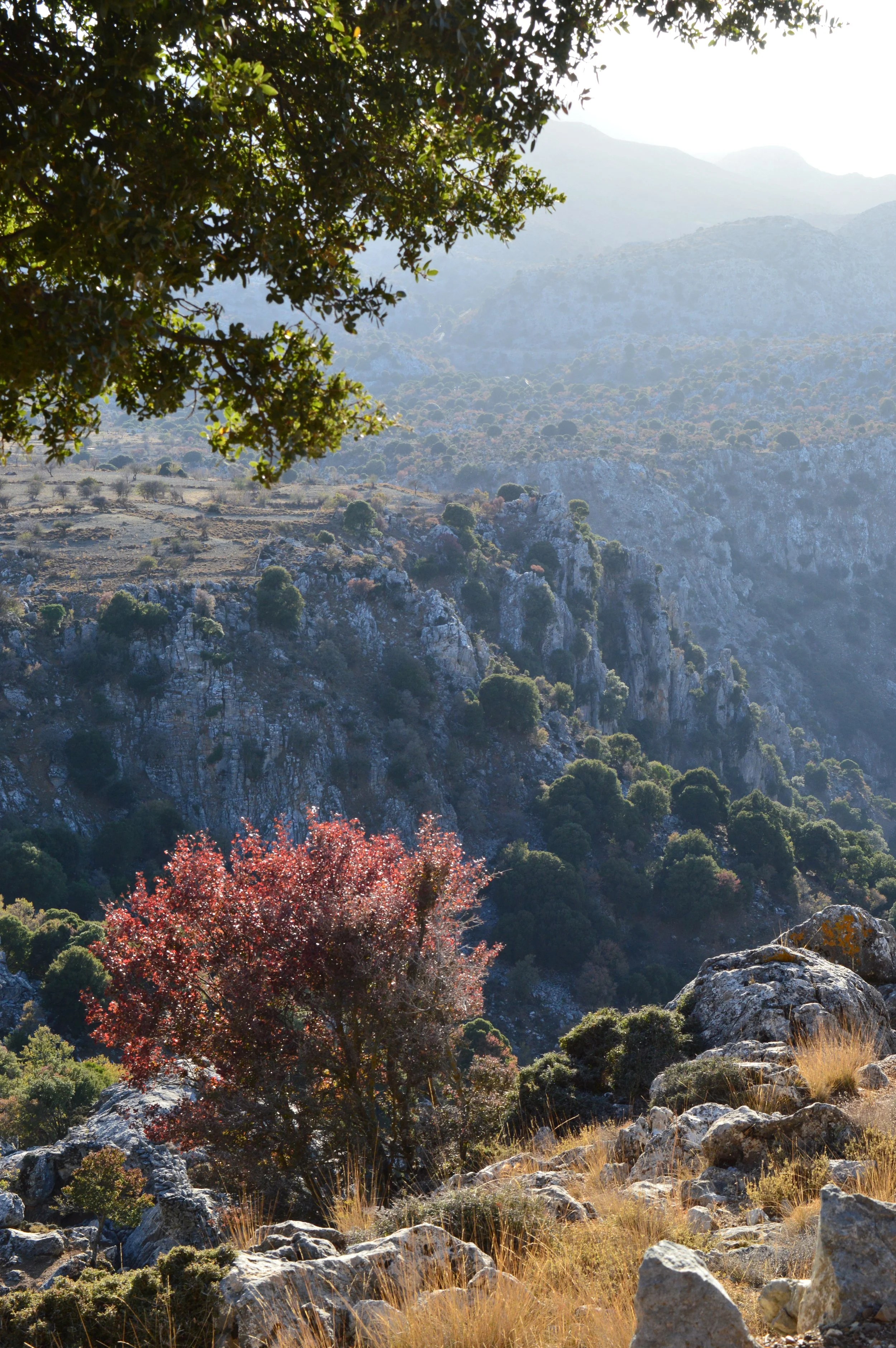
Walking around the plateau offers opportunities to discover its natural vegetation, oak-covered slopes, traditional agricultural properties and impressive views of the surrounding mountains.
The route connecting Kritsa with Katharo is particularly interesting for hikers who want to experience the landscape gradually, following the mountain terrain from the village towards the higher plateau.
For more experienced walkers, the wider Dikti mountain range offers additional routes and opportunities to explore less-visited parts of the region. Hiking conditions can vary considerably depending on the season, and visitors should use suitable footwear, carry sufficient water and check route conditions before setting out.
The Connection Between Katharo and Lasithi Plateau
An interesting natural feature of Katharo is its connection with the larger Lasithi Plateau through the Havgas Gorge.
Water collected in the Katharo basin drains through the surrounding streams and the Havgas gorge towards the Lasithi plain. This natural drainage system connects two distinct mountain landscapes and illustrates the geographical relationship between the different plateaus of the Dikti range.
The surrounding area also contains caves, sinkholes and interesting geological formations, reflecting the complex natural structure of the mountains.
For visitors interested in exploring more of the region, Katharo can be combined with a visit to Lasithi Plateau, creating a scenic journey through some of the most impressive inland landscapes of Eastern Crete.
The Road from Kritsa to Katharo
One of the highlights of visiting Katharo is the drive from Kritsa village.
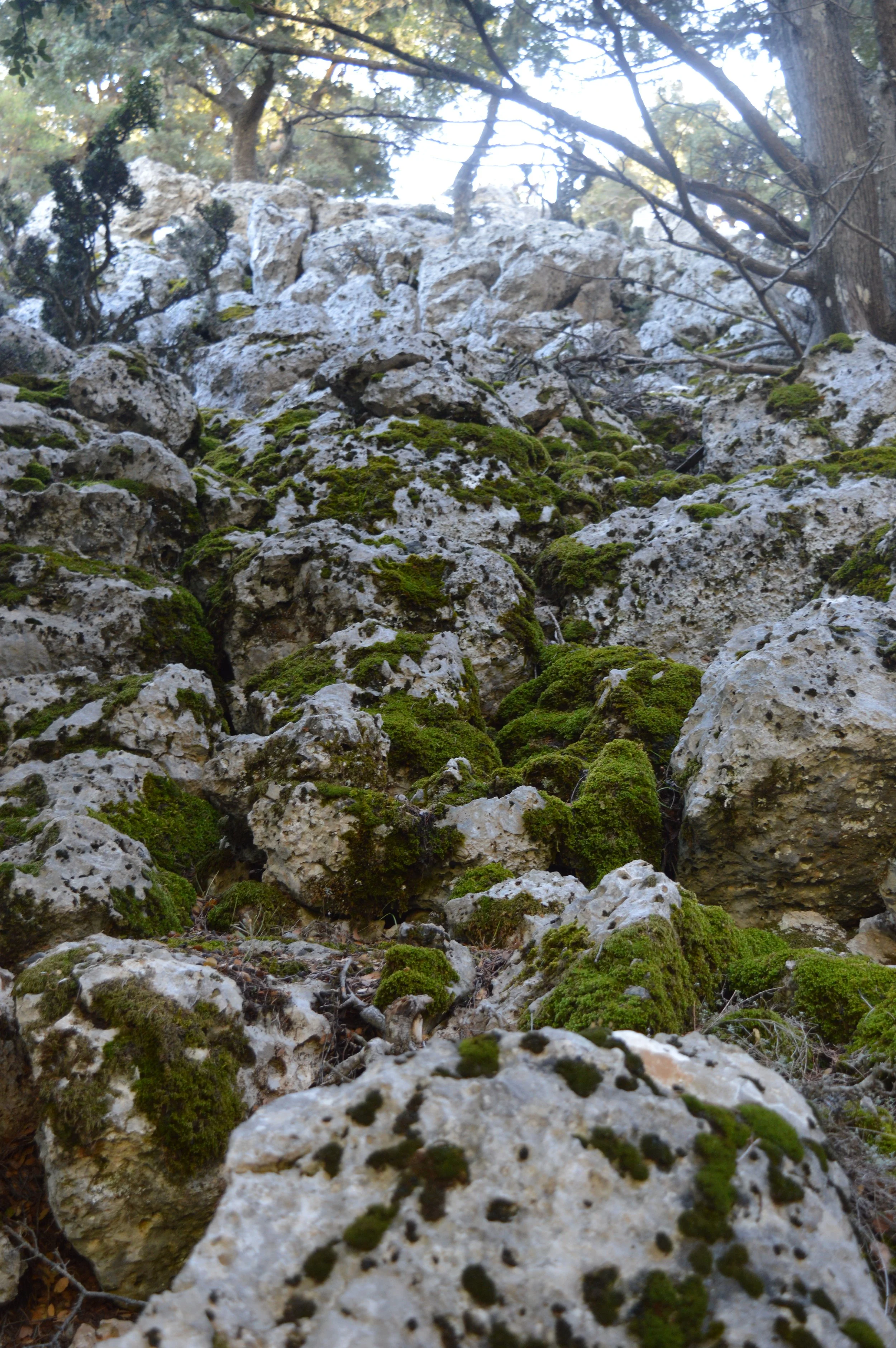
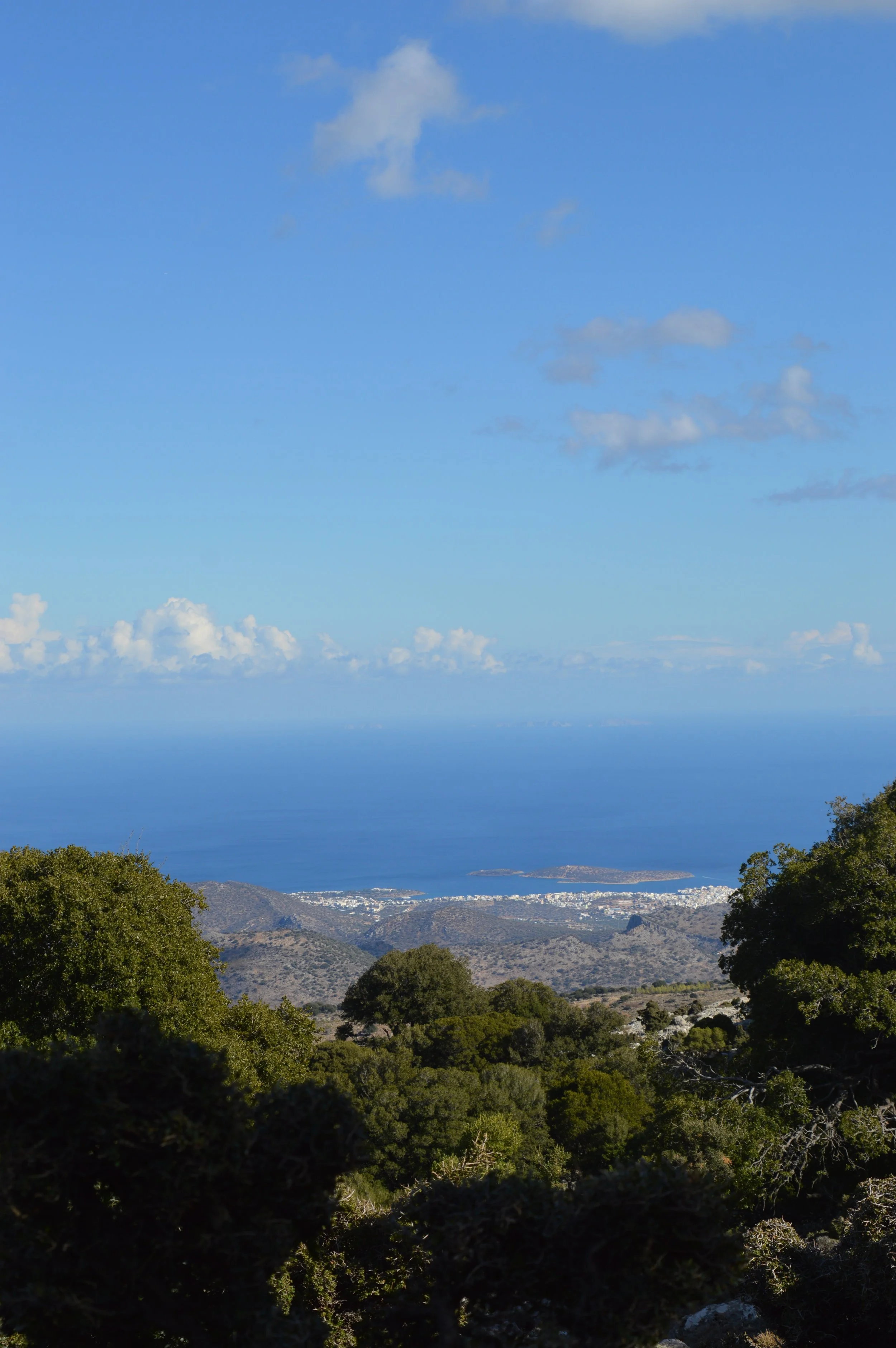
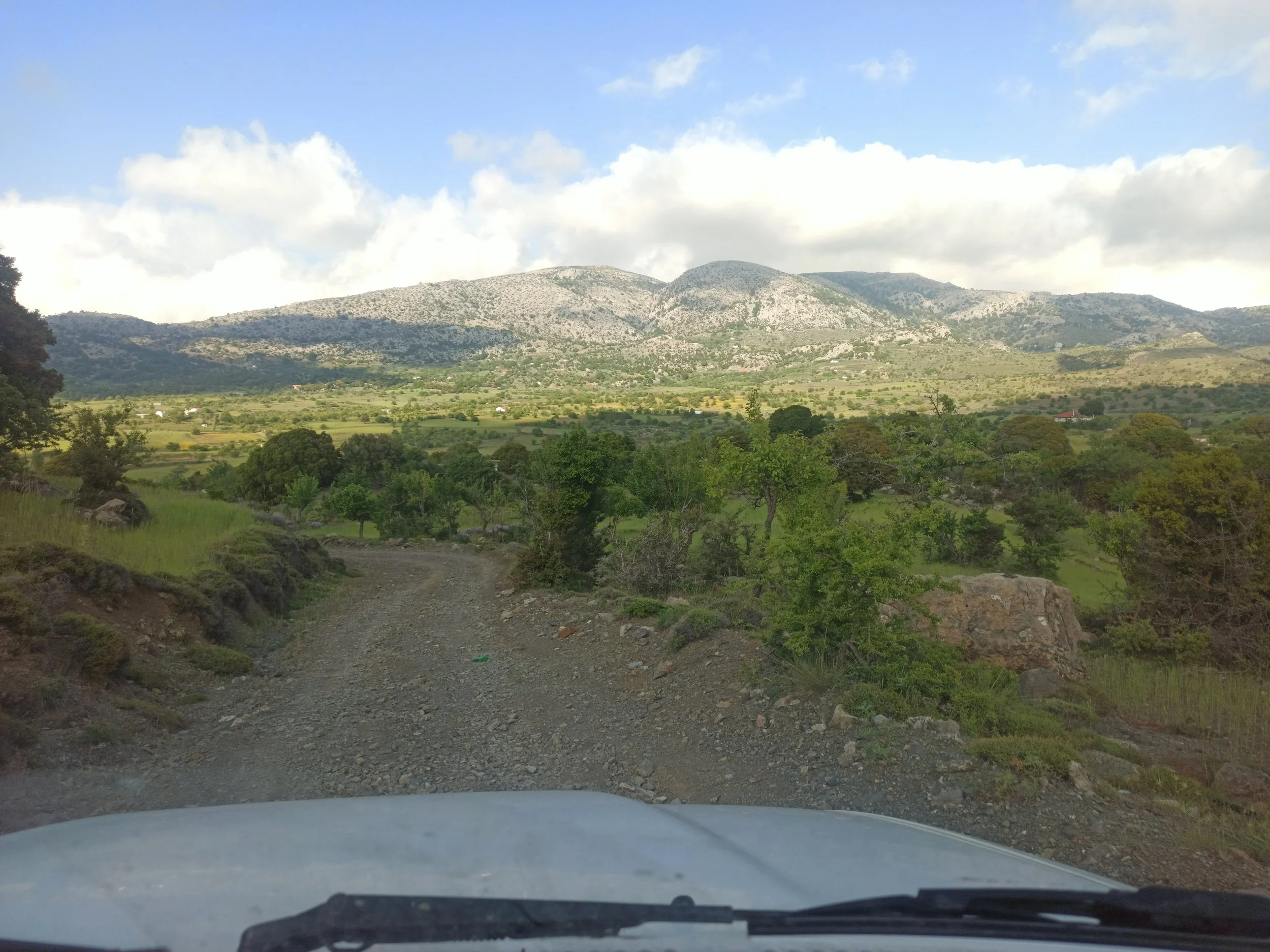
The mountain road gradually climbs away from the village, passing through impressive natural surroundings, rocky slopes and sections of woodland dominated by oak trees. As the elevation increases, the views open towards the surrounding mountains and the wider landscape of Eastern Crete.
The journey takes approximately 30–45 minutes from Kritsa, depending on driving conditions and stops along the way.
The main access road from Kritsa is paved, although it is narrow and winding in places. Visitors should drive carefully, particularly around bends and during winter weather.
There are also rougher mountain tracks connecting Katharo with other parts of the Dikti range. These should not be confused with the main paved access road, and their condition should be checked locally before attempting them.
Local Food and Traditional Hospitality
Despite its remote location, Katharo has a connection with the traditional food culture of the surrounding mountain villages.
A small number of seasonal tavernas operate in the area, particularly during the warmer months and periods when visitors and local shepherds spend time on the plateau.
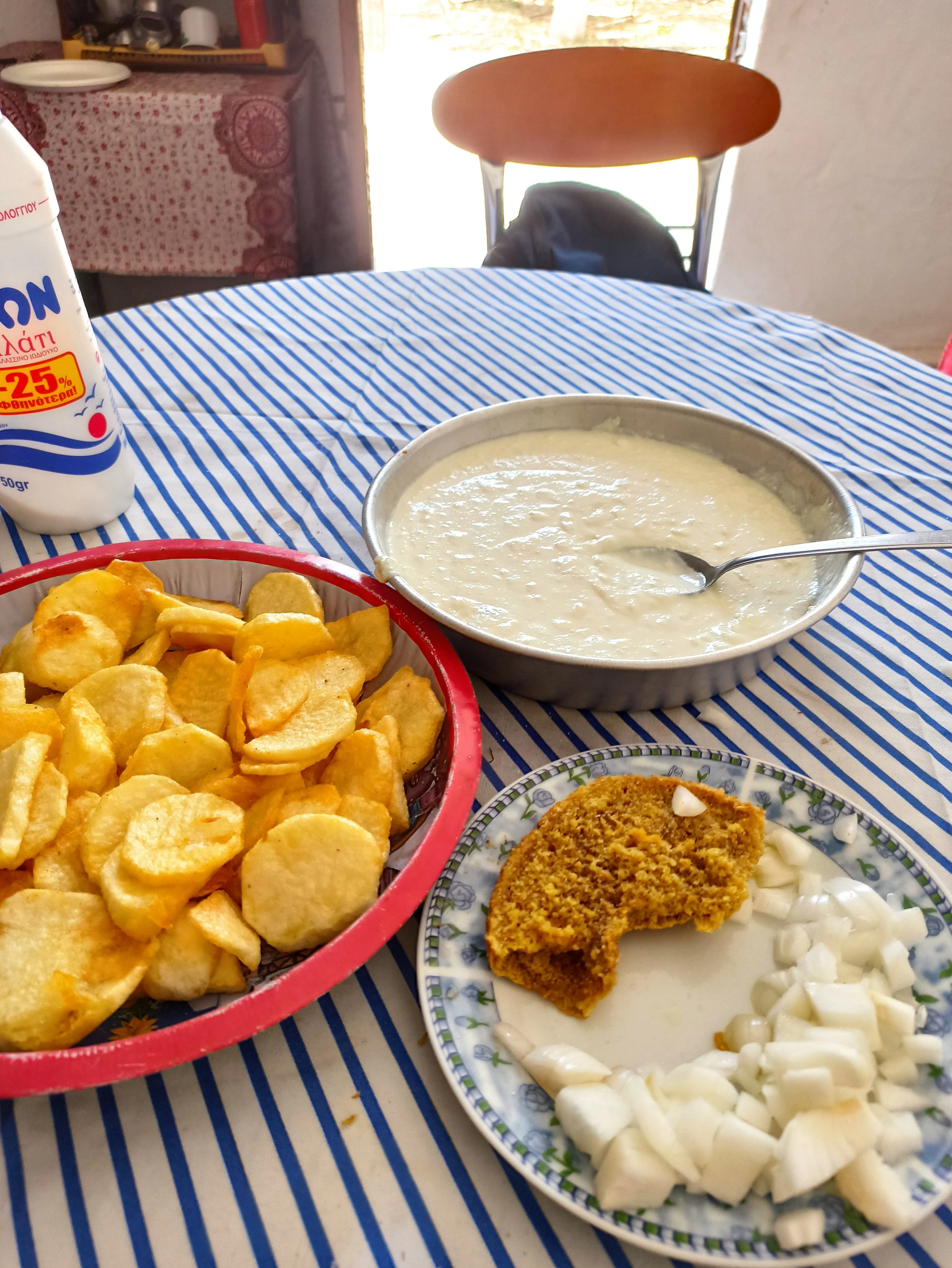
The food reflects the agricultural and pastoral traditions of the region, with locally produced dairy products, meat, seasonal ingredients and traditional Cretan dishes often forming part of the experience.
For visitors exploring the plateau, stopping at a local taverna offers an opportunity to enjoy the quieter atmosphere of the mountains and experience a different side of Cretan hospitality.
Opening periods can vary according to the season and weather, so it is advisable to check availability before visiting.
Best Time to Visit Katharo Plateau
Katharo Plateau offers a different experience throughout the year, depending on weather conditions and the surrounding natural environment.
Spring: One of the most attractive seasons for visiting. The landscape becomes greener, wildflowers appear and the cooler mountain temperatures create pleasant conditions for walking and exploring.
Summer: A good escape from the coastal heat, thanks to the plateau's higher elevation. The area is particularly suitable for scenic drives, countryside walks and enjoying the traditional mountain atmosphere.
Autumn: A quieter period with changing colours and pleasant conditions for exploring the surrounding countryside and mountain routes.
Winter: The plateau can experience cold temperatures, rain and snowfall. The surrounding mountains may become snow-covered, creating impressive scenery, but road access can be affected by weather conditions.
How to Get to Katharo Plateau
Katharo Plateau is located approximately 26 kilometres from Agios Nikolaos and around 16 kilometres from Kritsa village.
The most straightforward access is by car from Agios Nikolaos, following the road towards Kritsa and continuing uphill towards the plateau. The journey offers beautiful views of the surrounding countryside and takes approximately 45 minutes from Agios Nikolaos, depending on traffic and road conditions.
A car is recommended for reaching the plateau and exploring the surrounding area, as public transport options are limited.
Visitors should allow additional time to enjoy the mountain scenery, stop at viewpoints and explore the agricultural landscape along the way.
Places to Discover Nearby
Katharo Plateau can be combined with several interesting destinations in the surrounding area, making it a rewarding excursion through the mountainous interior of Eastern Crete.
Kritsa Village: One of the most historic traditional villages in the region, known for its architecture, narrow streets and local handicrafts.
Kritsa Gorge: A beautiful natural landscape with rocky formations, vegetation and opportunities for hiking.
Ancient Lato: An important ancient Dorian city located above the Mirabello region, offering fascinating archaeological remains and panoramic views.
Kroustas Forest: A beautiful woodland area with walking opportunities and a distinctive natural environment.
Lasithi Plateau: A larger mountain plain known for its traditional villages, agricultural landscapes and historic windmills.
Katharo Plateau offers a different perspective on Eastern Crete, far from the busy coastal resorts and familiar tourist routes. Its rugged mountain scenery, traditional pastoral life and remarkable prehistoric history make it a rewarding destination for nature lovers, hikers and travellers who want to discover the quieter and more authentic landscapes of the island.
For a deeper understanding of the region, visitors can also explore Katharo Plateau through the cultural tours organised by Manolis through Agios Nikolaos Travel Guide. These experiences offer an opportunity to discover the area's local heritage, traditional way of life, history and hidden stories, while exploring one of the most distinctive mountain landscapes of Crete.