Kritsa Cypress Forest, Crete
Ancient Trees, Hiking & History
Kritsa Cypress Forest, Crete – Ancient Trees, Hiking & History
Introduction
Hidden in the mountains above Kritsa village, approximately 10 kilometres to the west, lies one of the most distinctive woodland landscapes in Eastern Crete: Kritsa Cypress Forest, also known as Kritsa Cypress Wood.
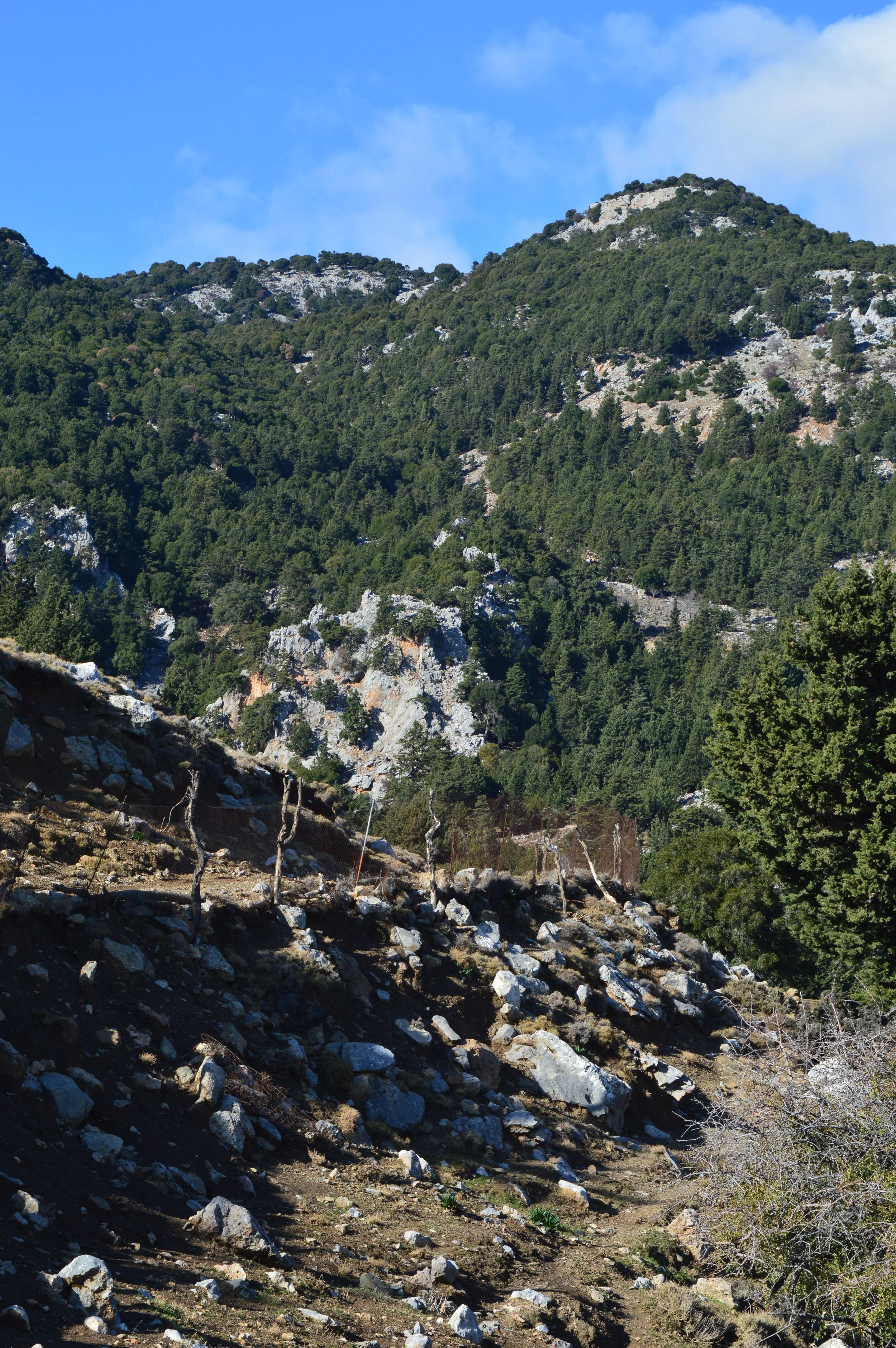
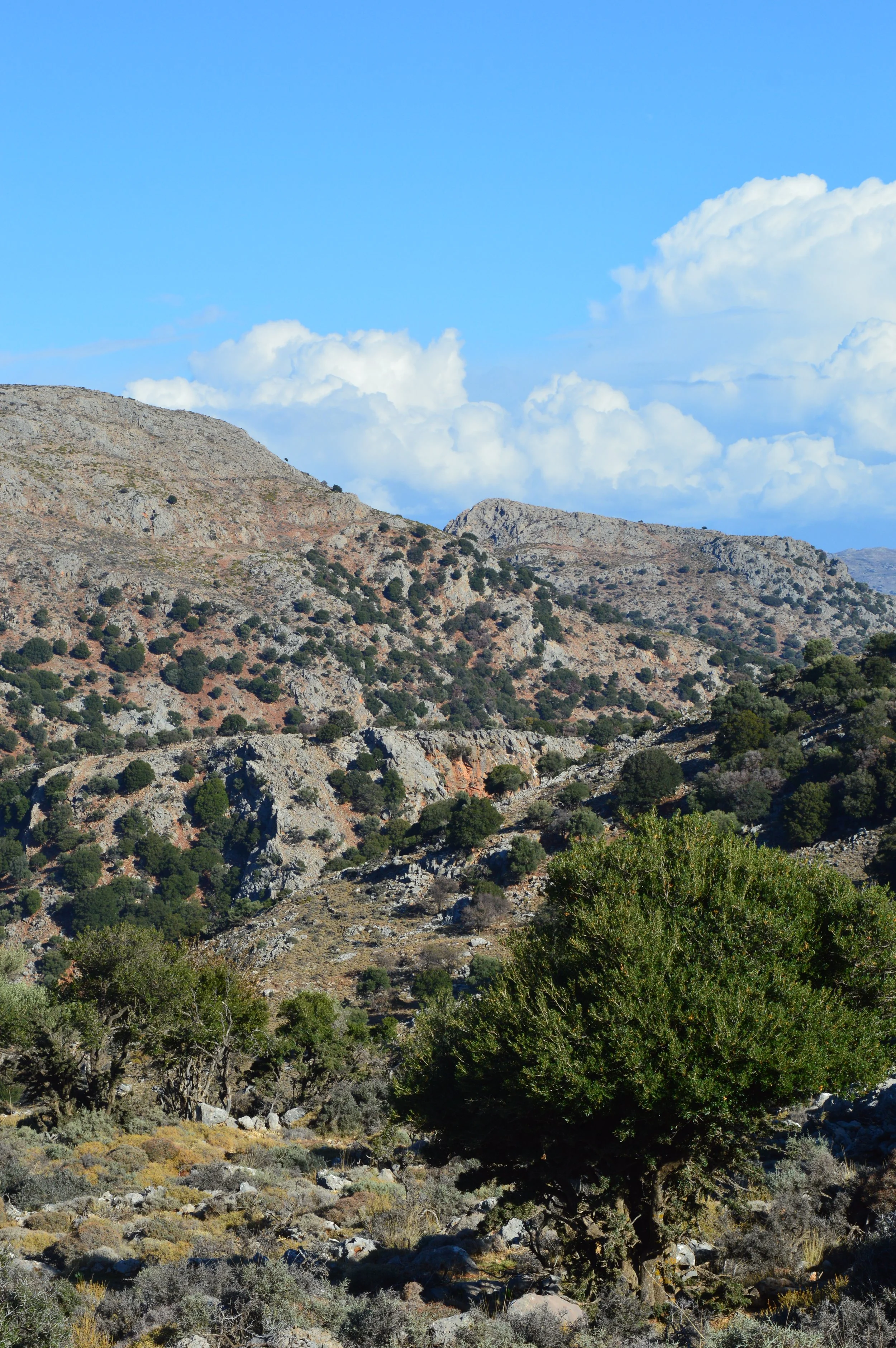
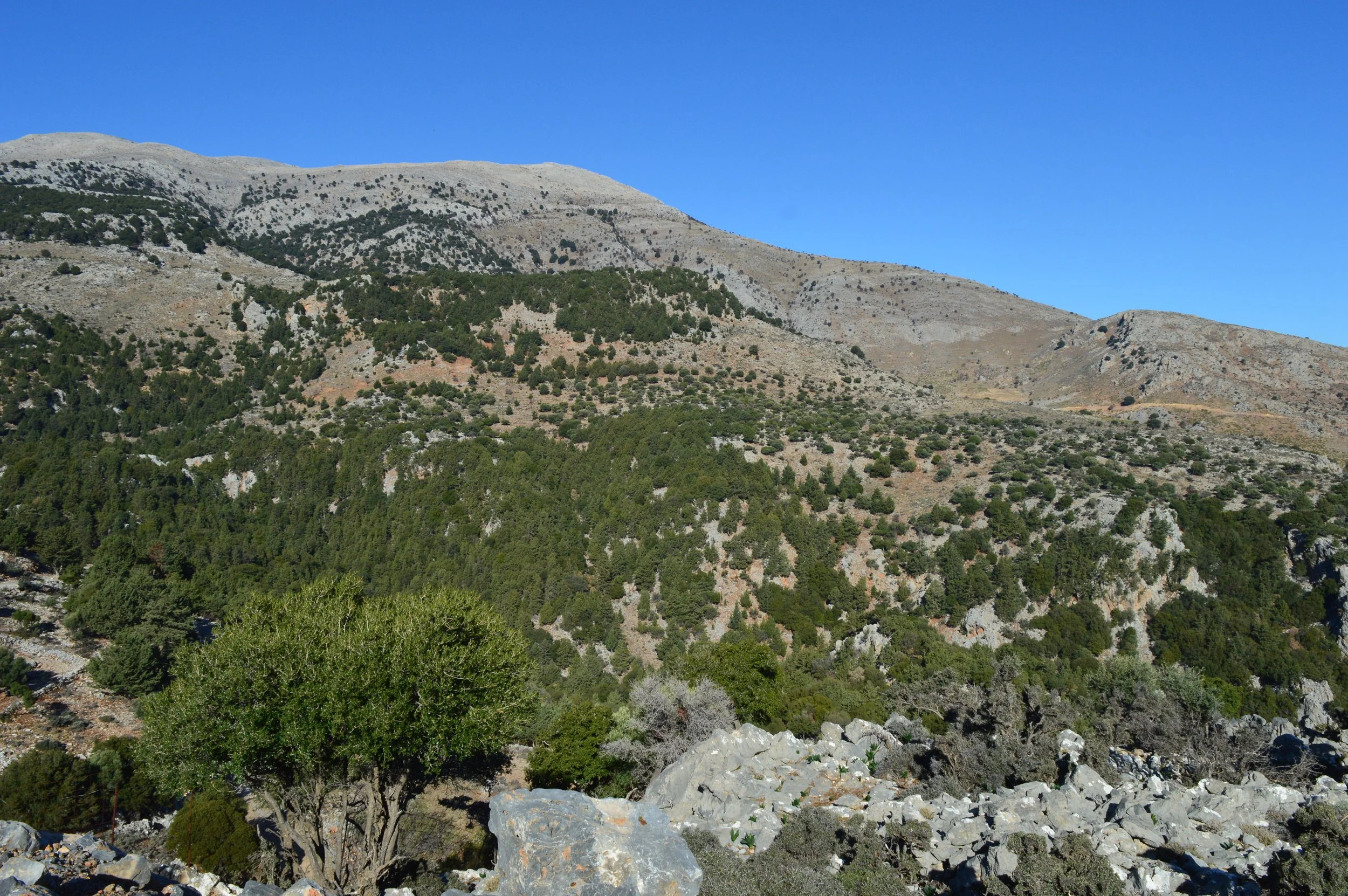
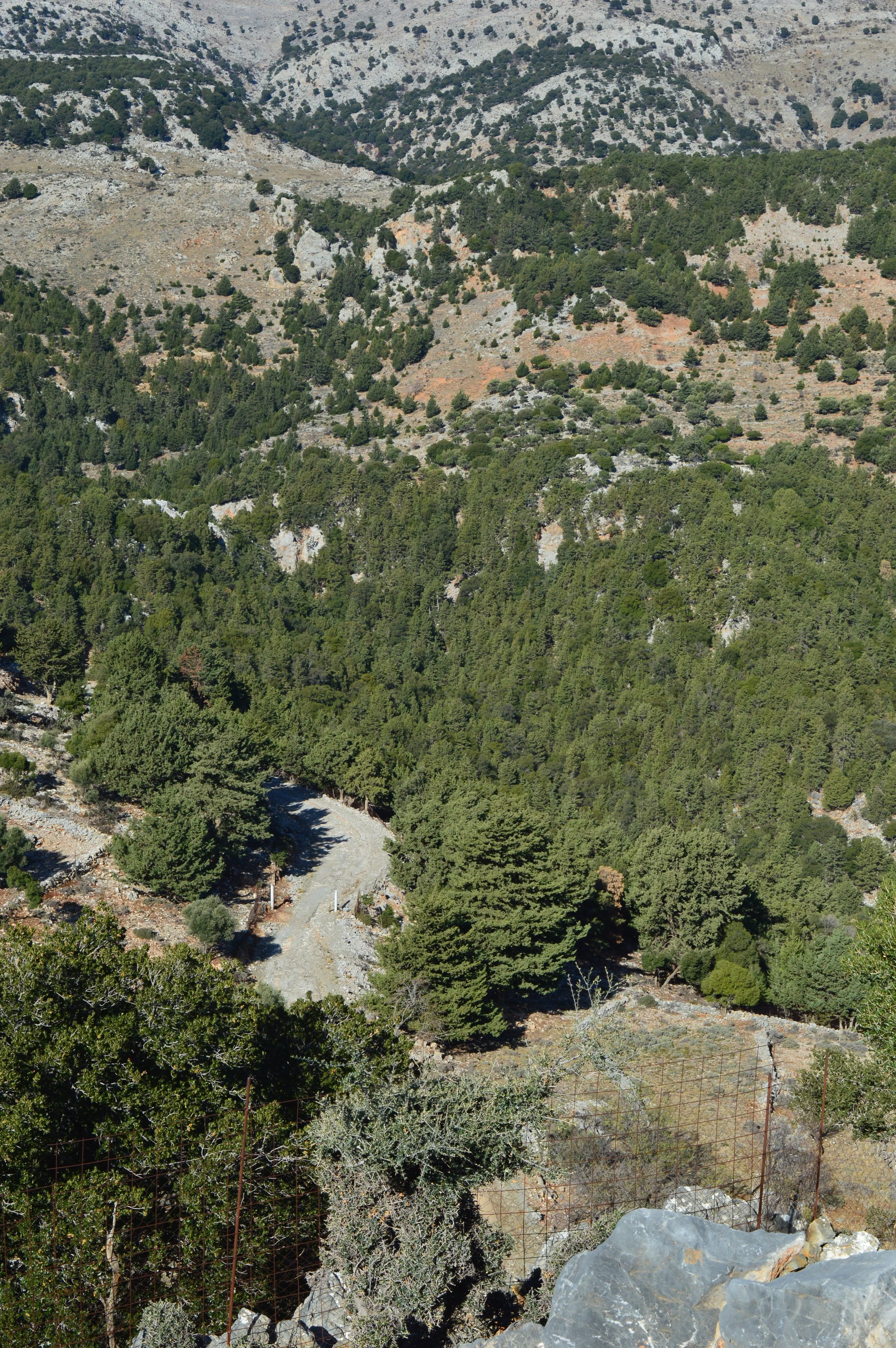
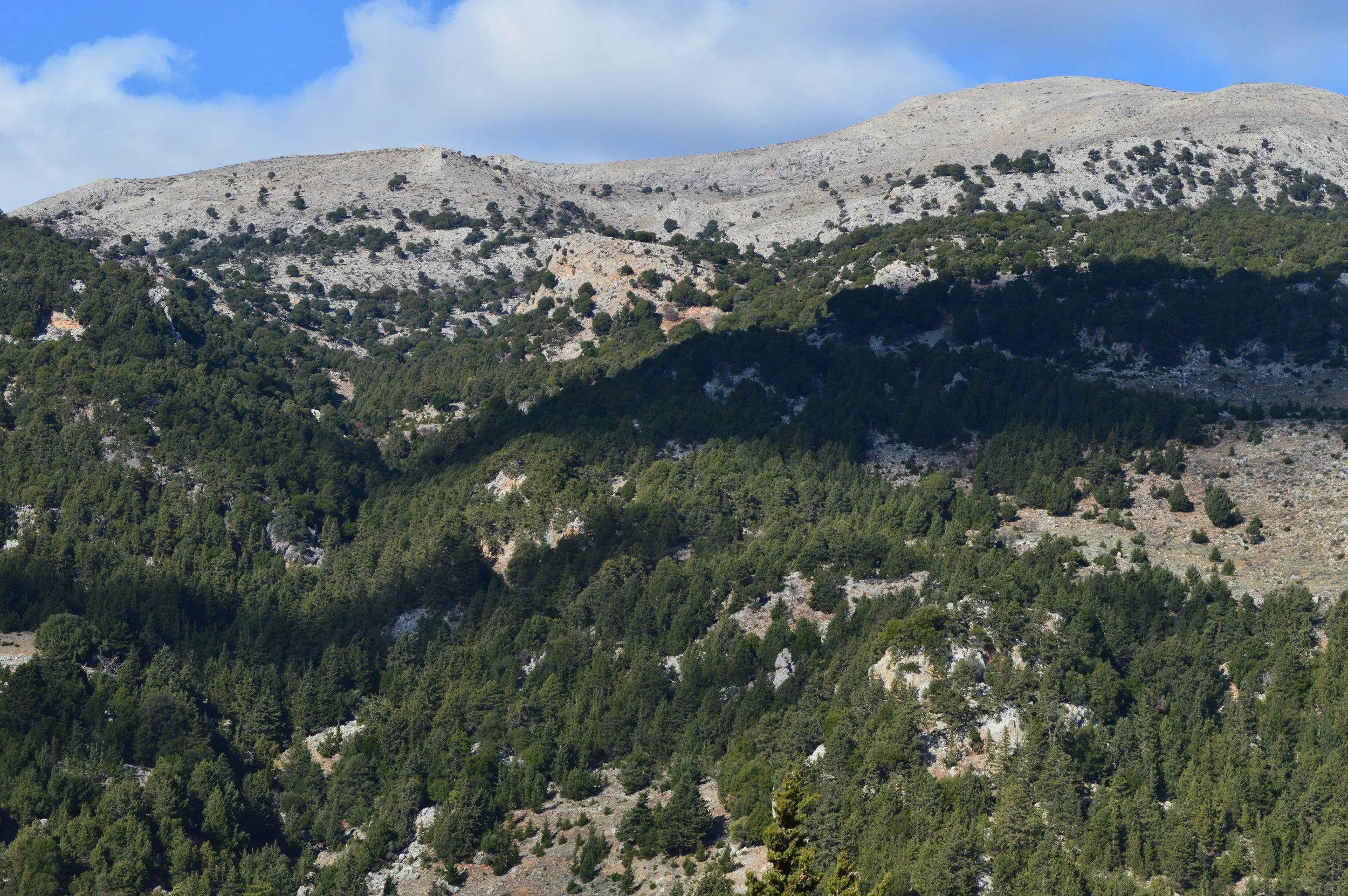
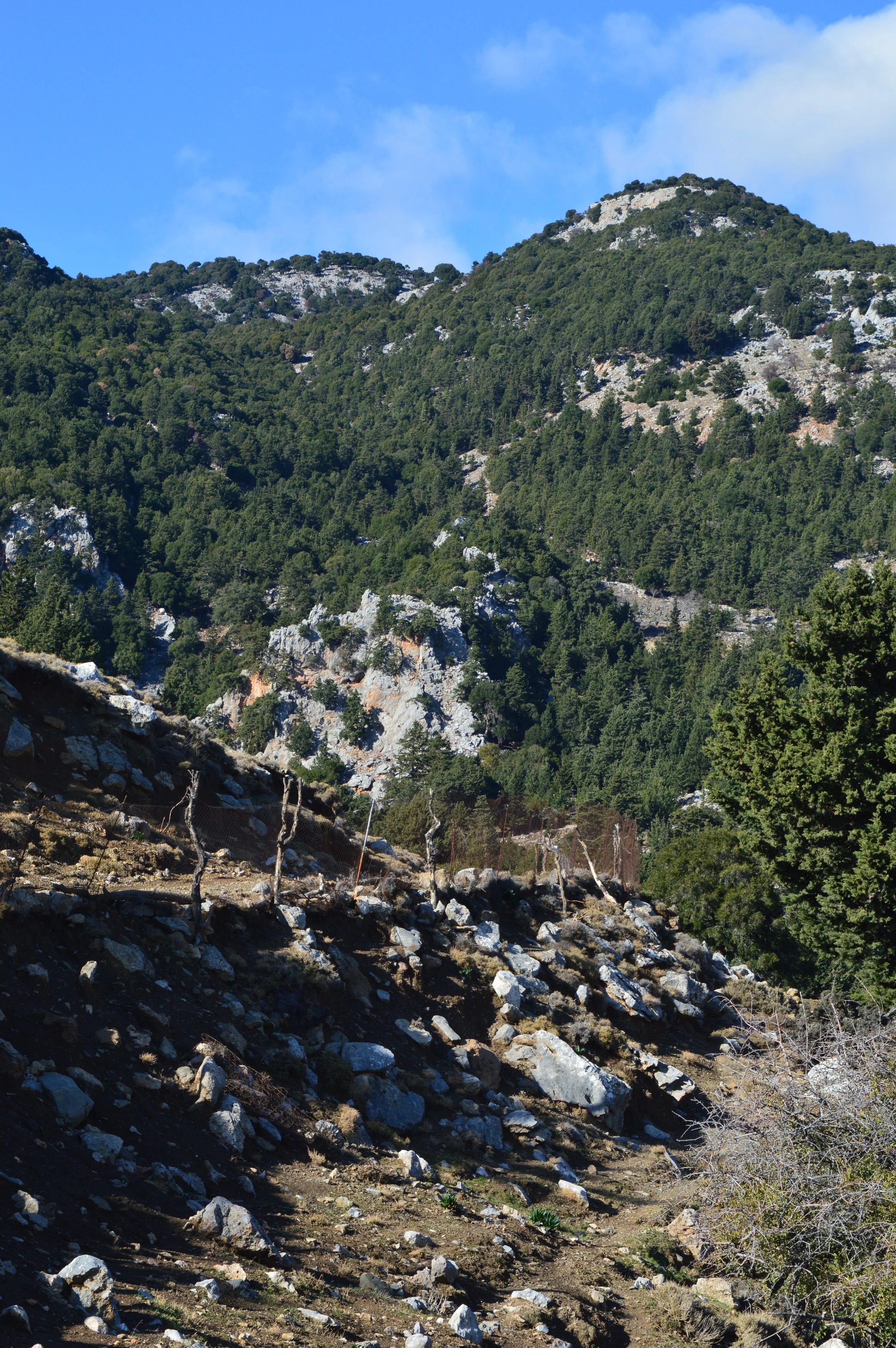
Situated on the southern slopes of Mount Tsivi, near the road connecting Kritsa with Katharo Plateau, this remarkable forest grows across a deep ravine and preserves an important remnant of ancient cypress woodland in Eastern Crete.
The forest is particularly interesting for its impressive cypress trees, native Mediterranean vegetation and connection with an ancient mountain route traditionally associated with the Minoan period. Archaeological pottery remains discovered in the area provide evidence of human activity in this landscape thousands of years ago.
For visitors interested in nature, hiking and Cretan history, Kritsa Cypress Forest offers an opportunity to discover a quieter and less familiar side of the mountains surrounding Agios Nikolaos.
An Ancient Cypress Forest
Cypress trees have been an important part of Crete's natural and cultural landscape since antiquity. The island was once more extensively covered by forests, and cypress timber was a valuable resource used in construction and other activities.
Kritsa Cypress Forest is particularly important because it preserves a woodland environment that has become increasingly rare in Eastern Crete.
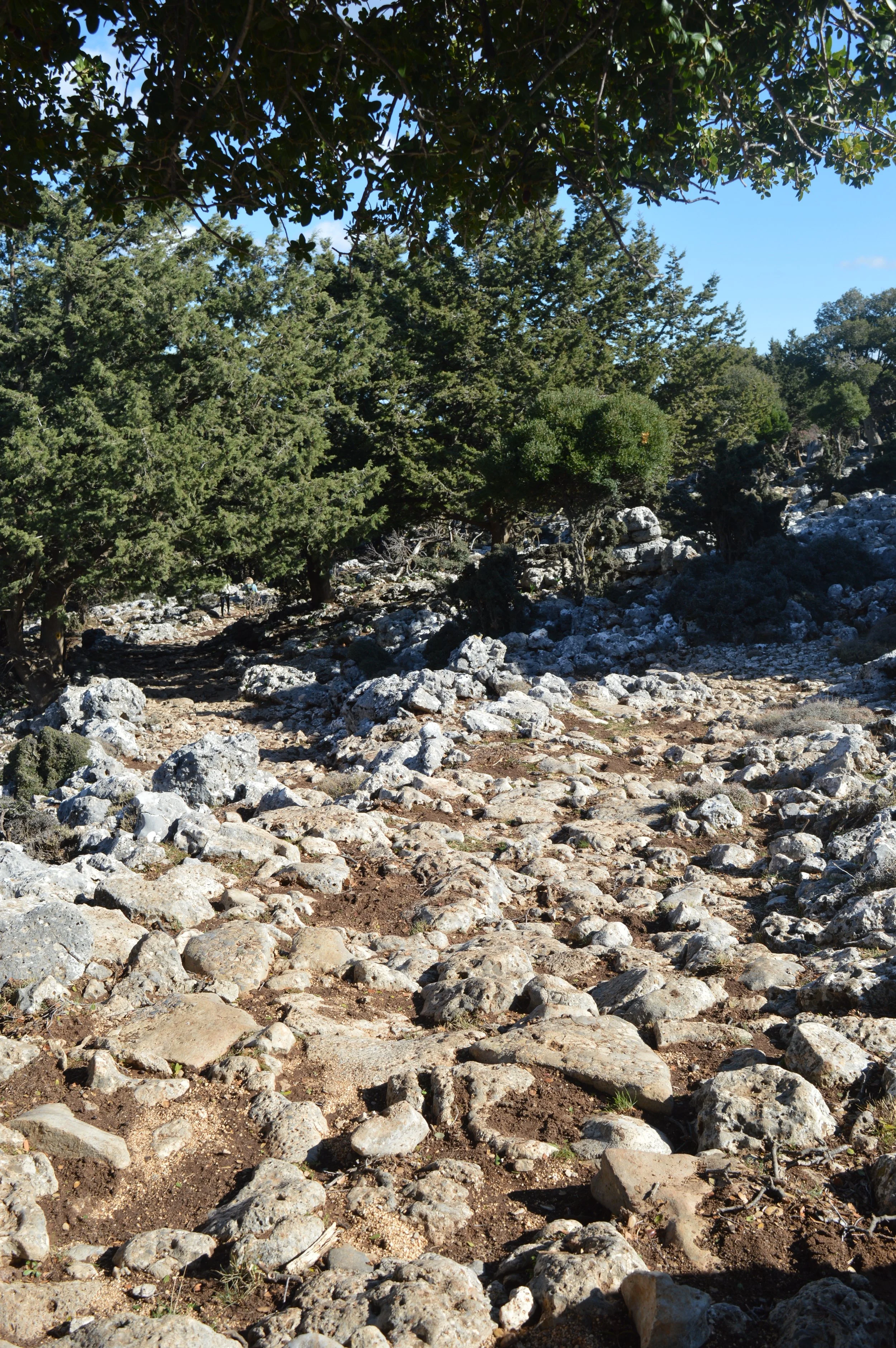
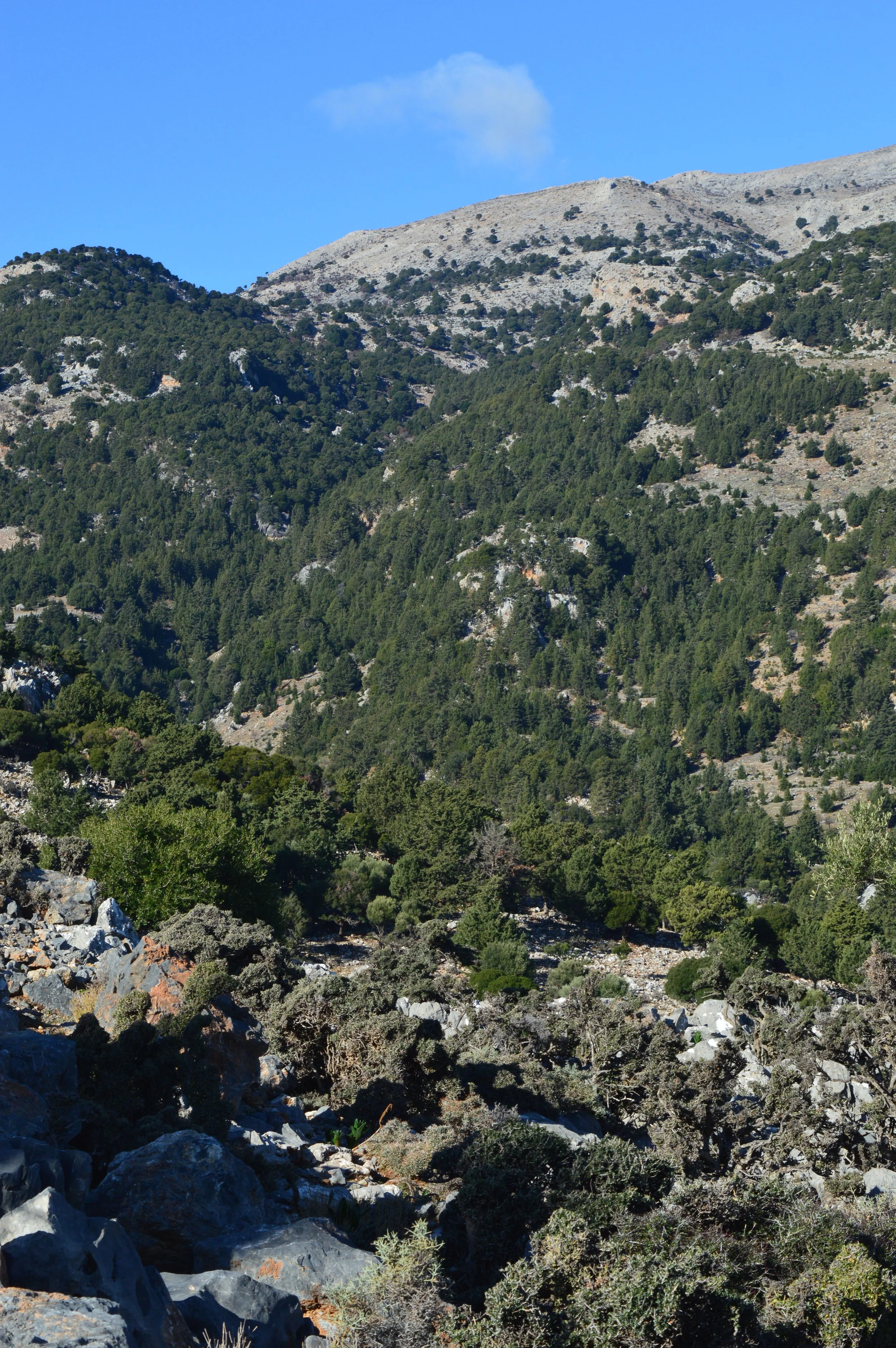
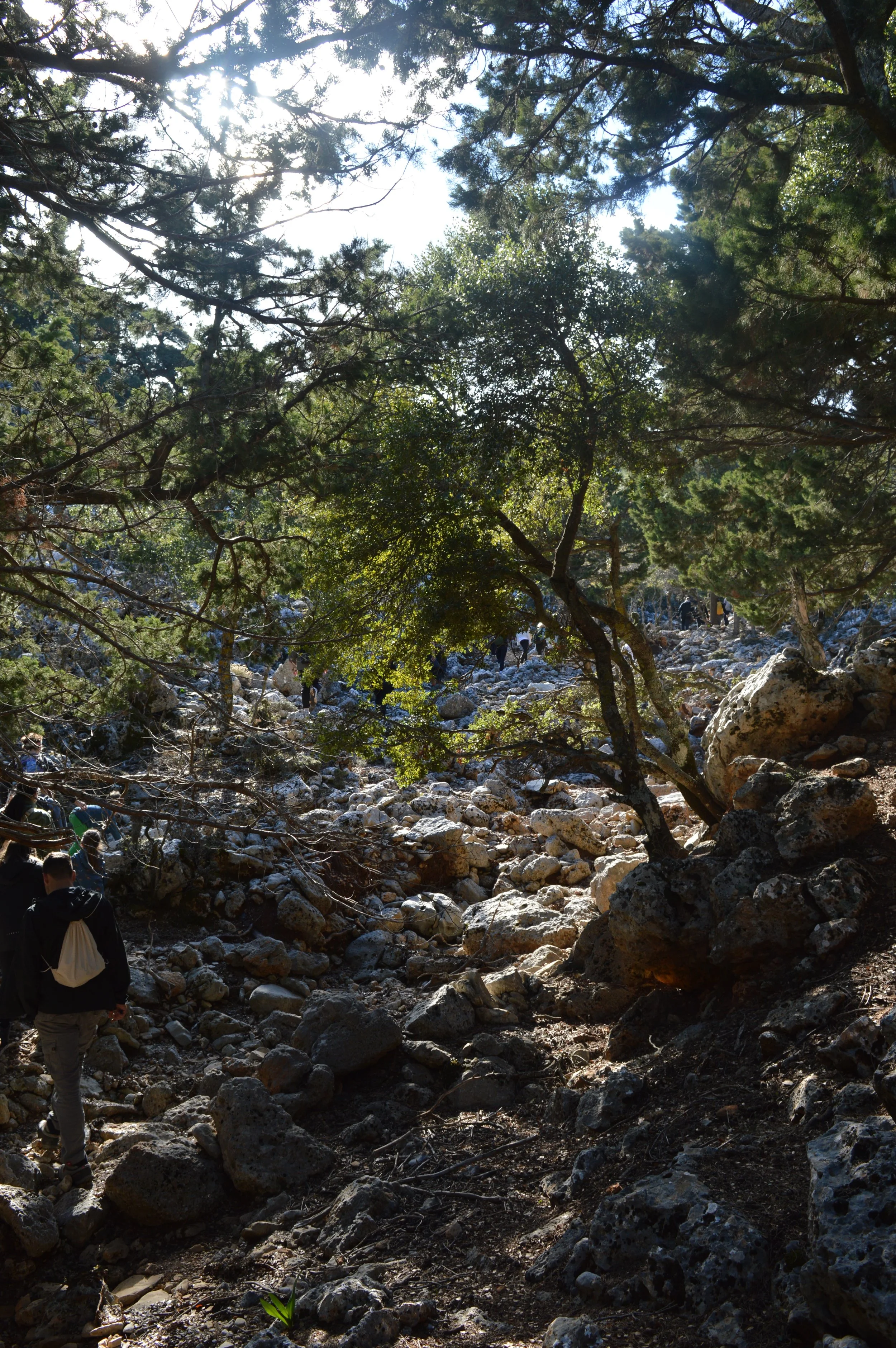
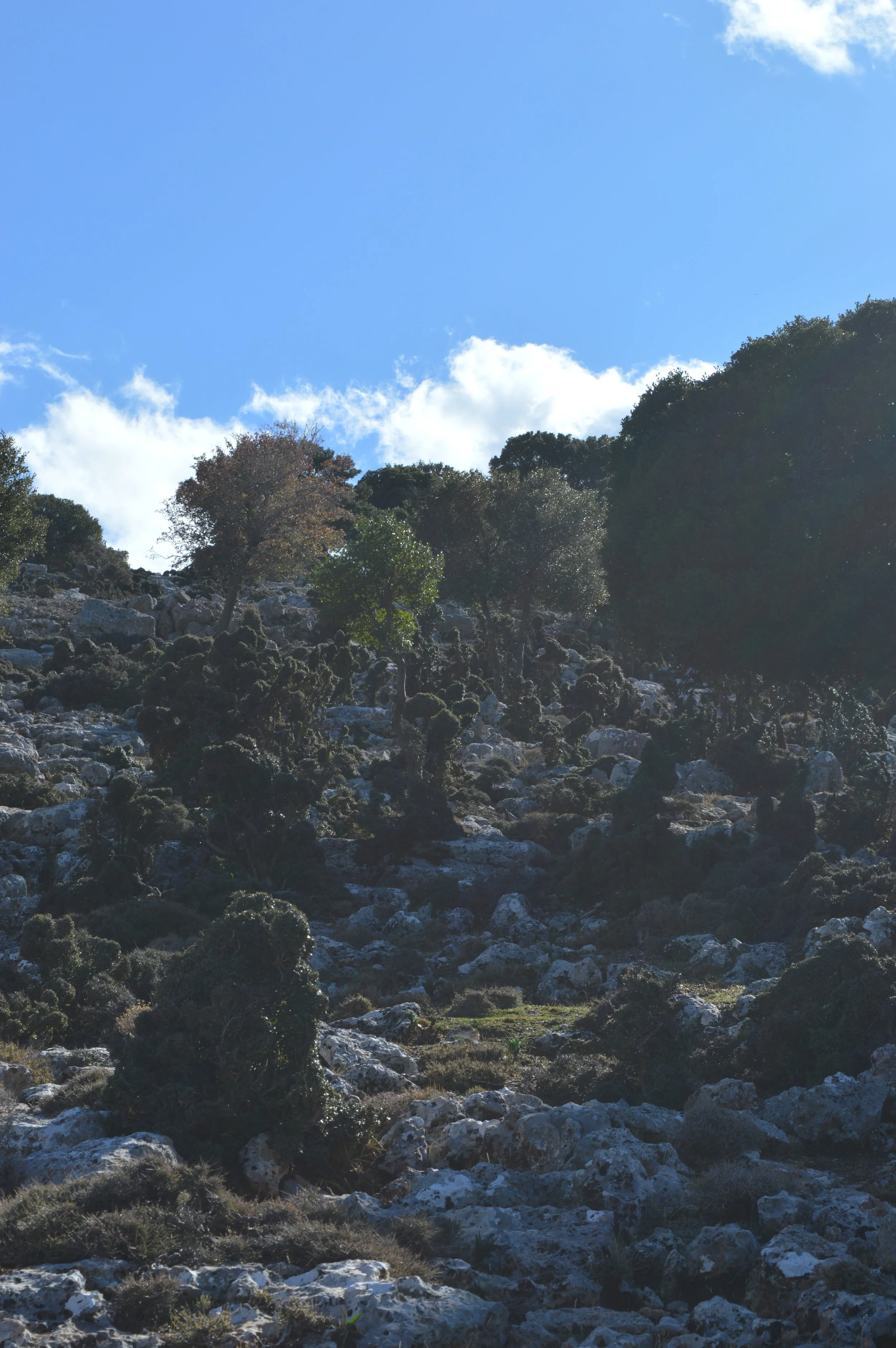
Its central area is dominated by cypress trees, including the distinctive form traditionally known in Crete as the female cypress, or Cypress of Minos. These trees are recognised by their broad, spreading branches and dense foliage, creating a characteristic woodland atmosphere.
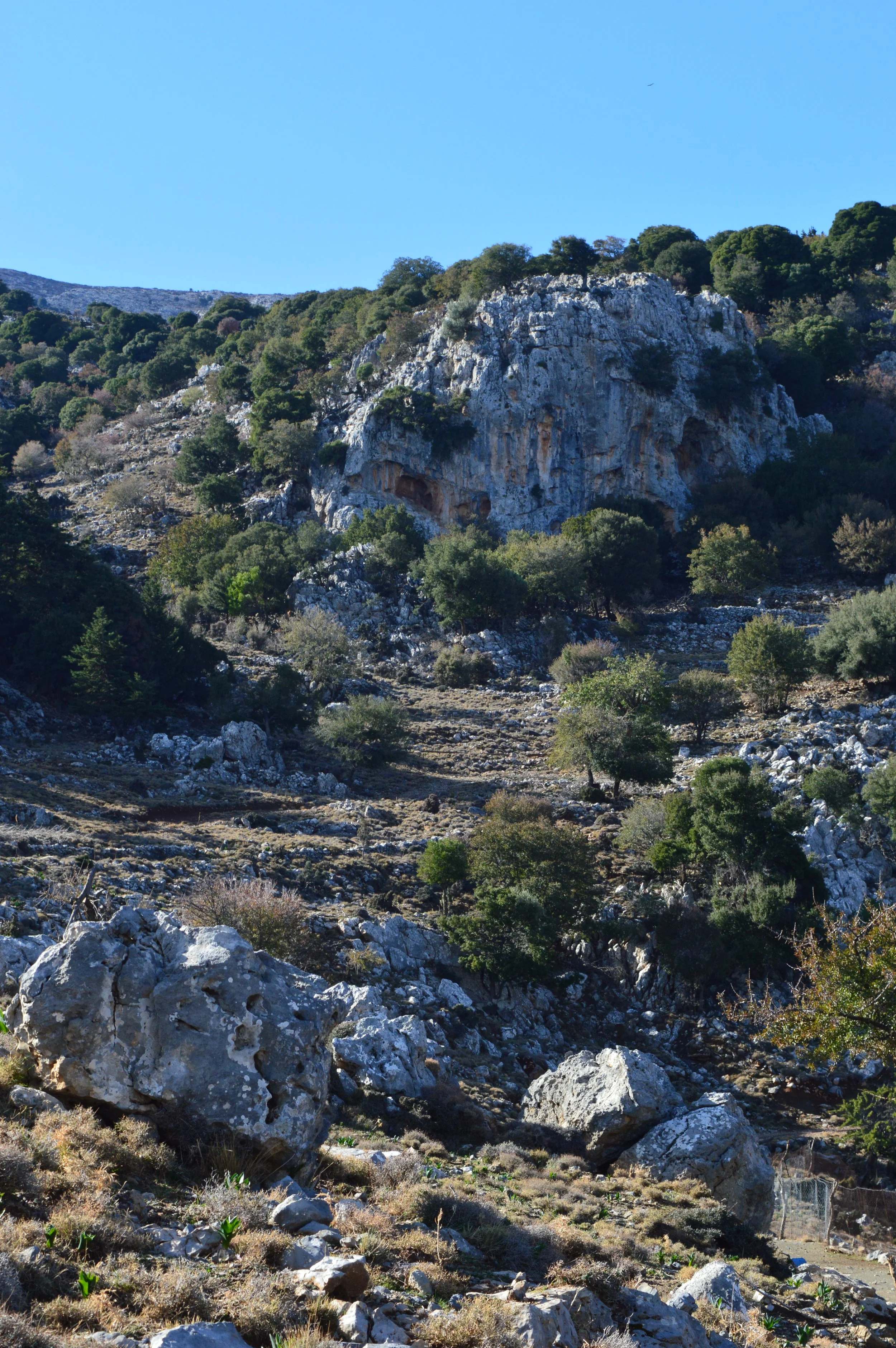
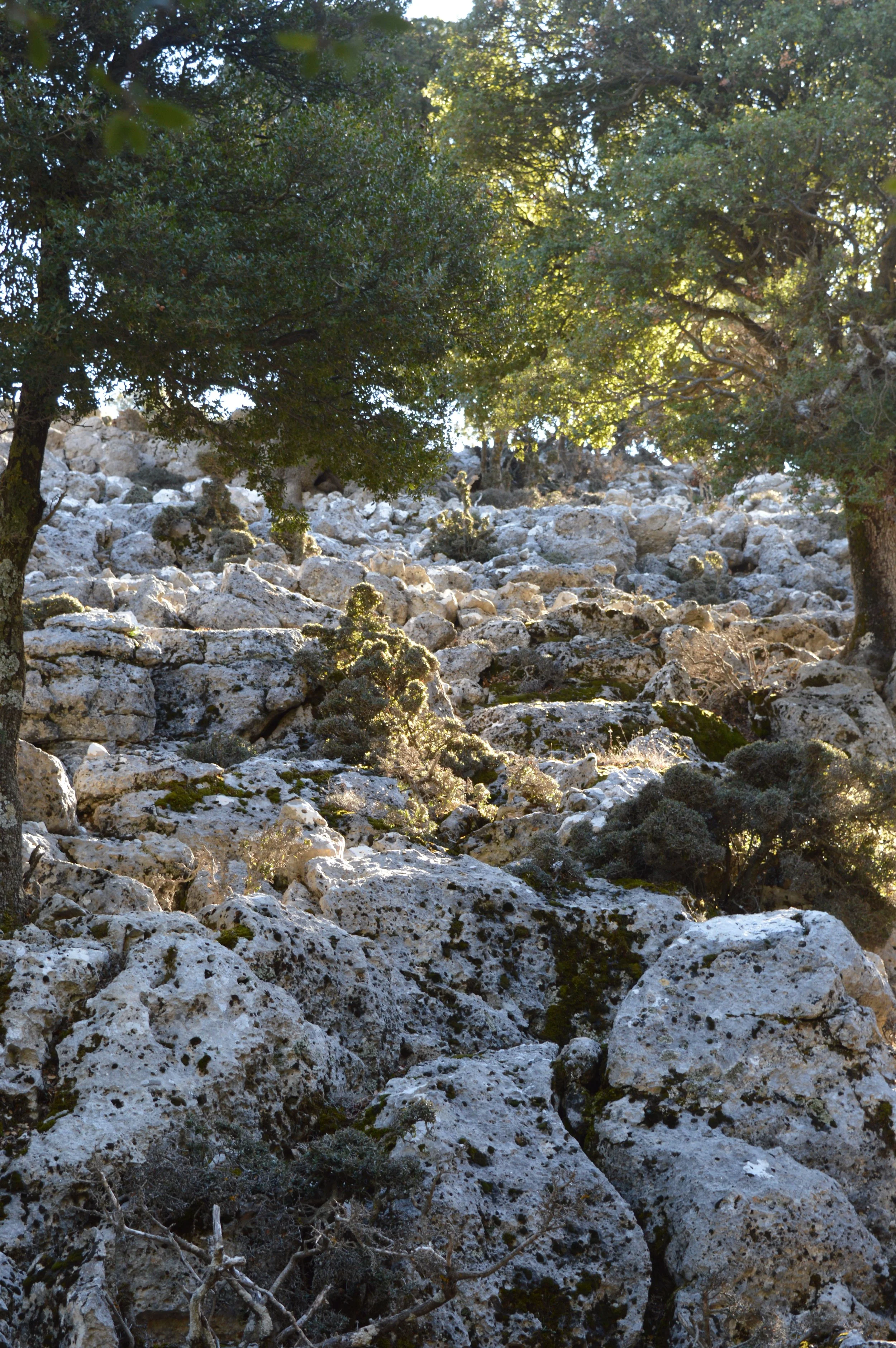
The forest also contains other native trees, including oak, Cretan maple, holly, wild olive and holm oak. Together, these species form a diverse Mediterranean woodland that differs considerably from the surrounding open mountain slopes.
The survival of this forest makes it an important natural heritage site and a reminder of the woodland landscapes that once covered much of Crete.
The Connection with Minoan Crete
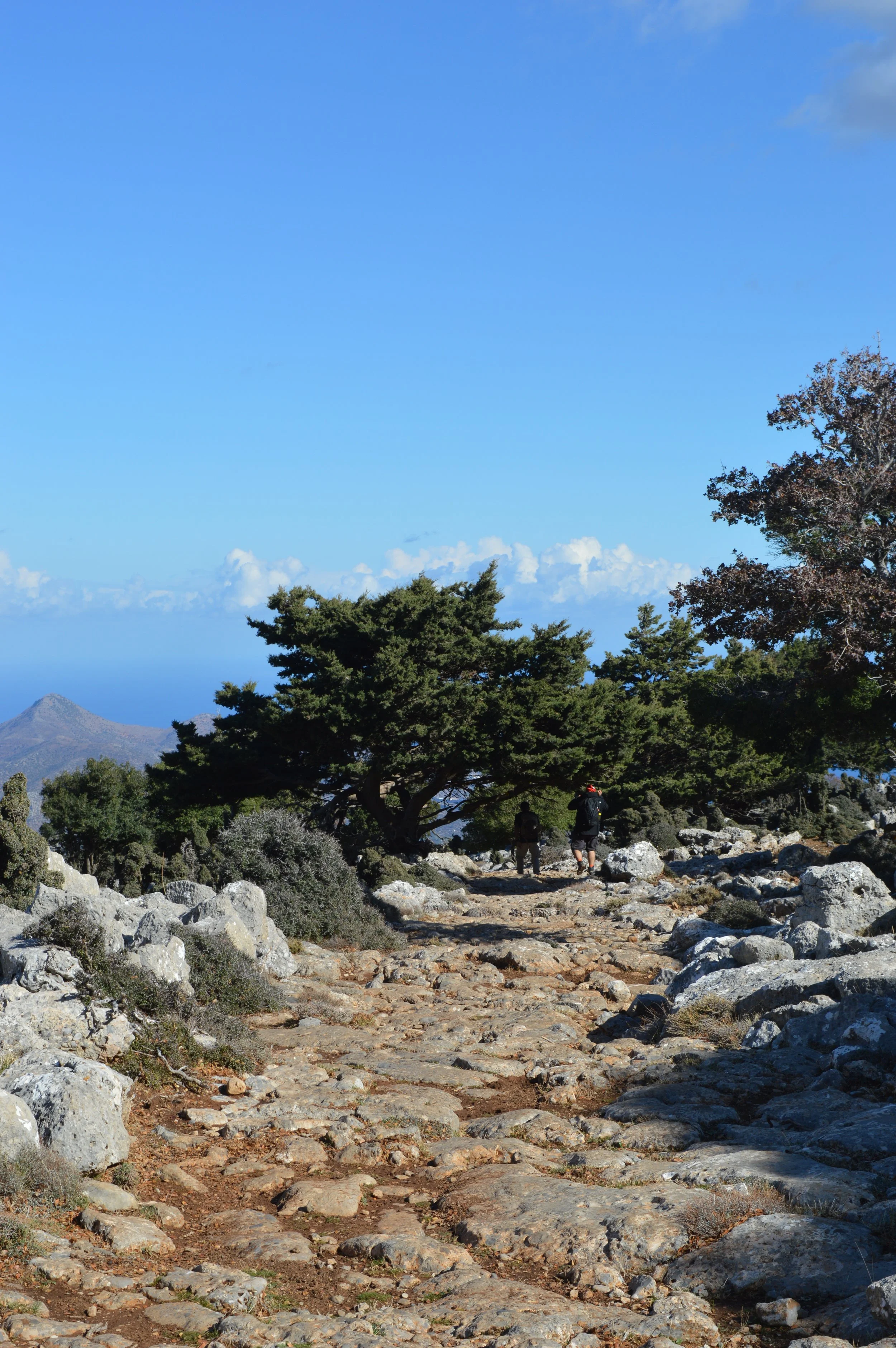
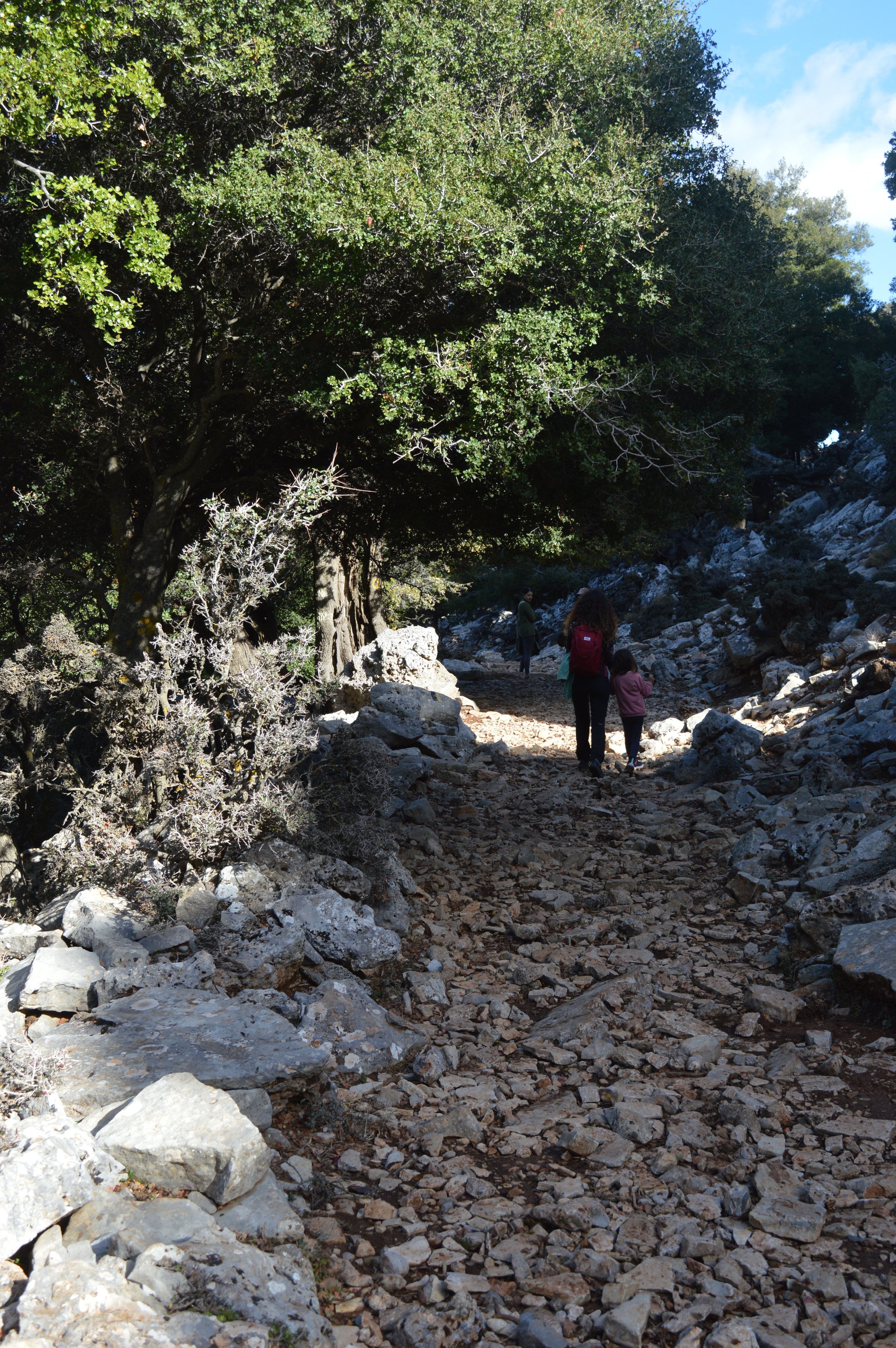
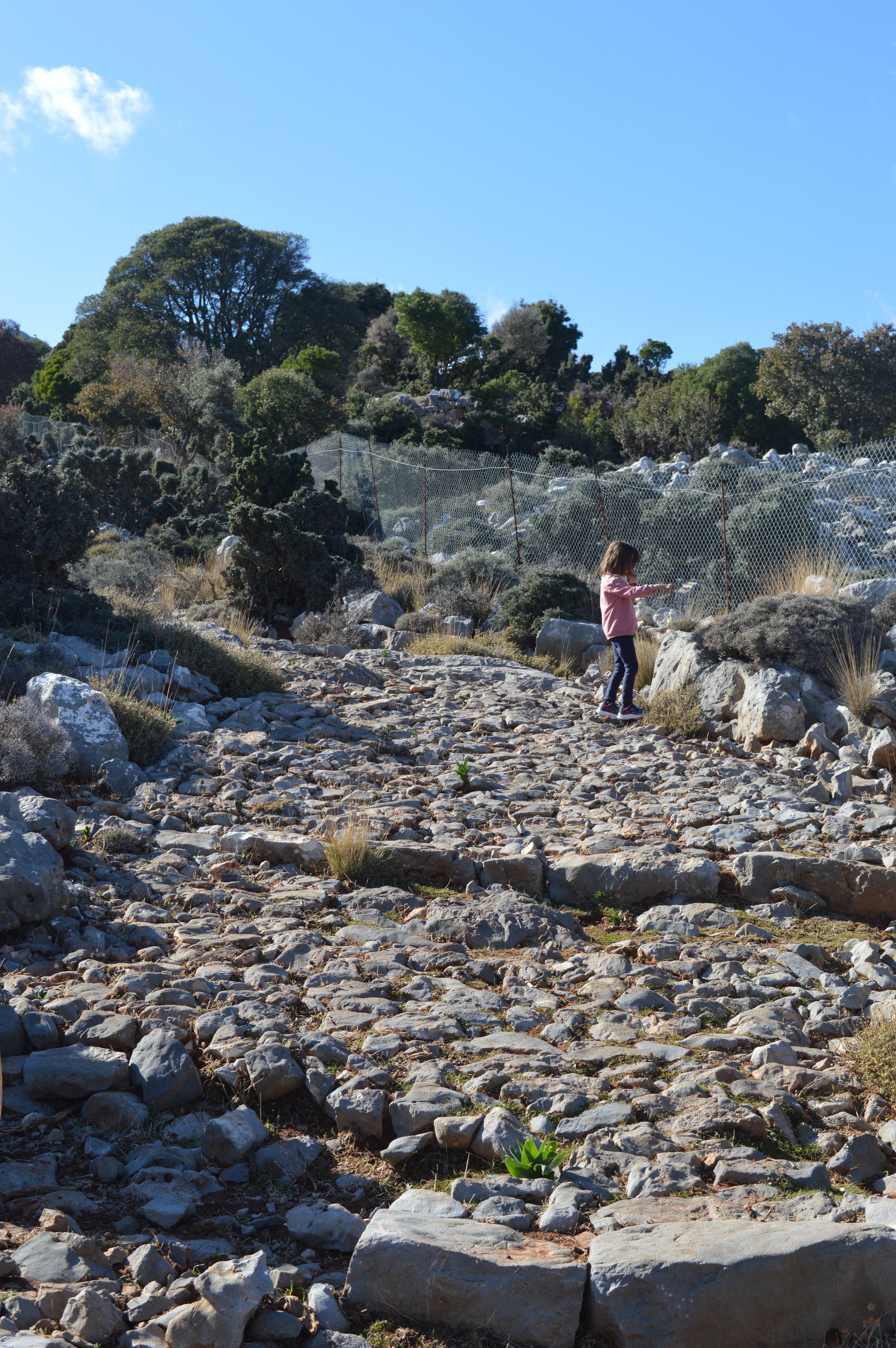
One of the most fascinating aspects of Kritsa Cypress Forest is its position along an ancient mountain route connecting the lower agricultural areas around Kritsa with the higher landscape of Katharo Plateau.
The route is traditionally associated with the Minoan period, when mountain paths connected settlements, agricultural areas and places of economic activity.
Archaeological pottery remains discovered in and around the forest provide evidence of ancient human presence. These finds help establish the historical importance of the wider landscape, although they do not mean that every section of the present walking path has been conclusively dated to the Minoan period.
The route remained useful to local communities in later centuries, serving shepherds and people travelling between the villages and mountain pastures.
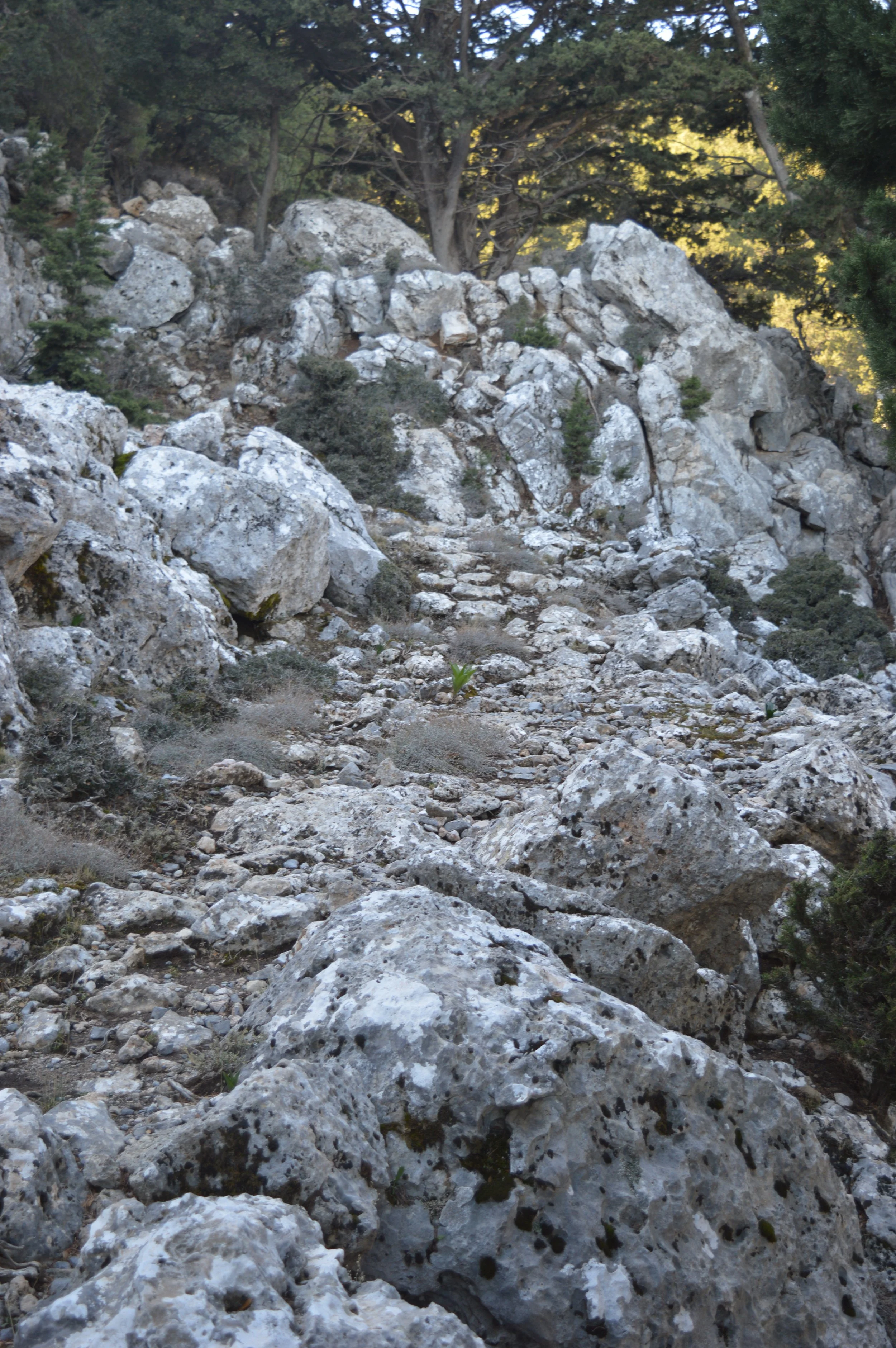
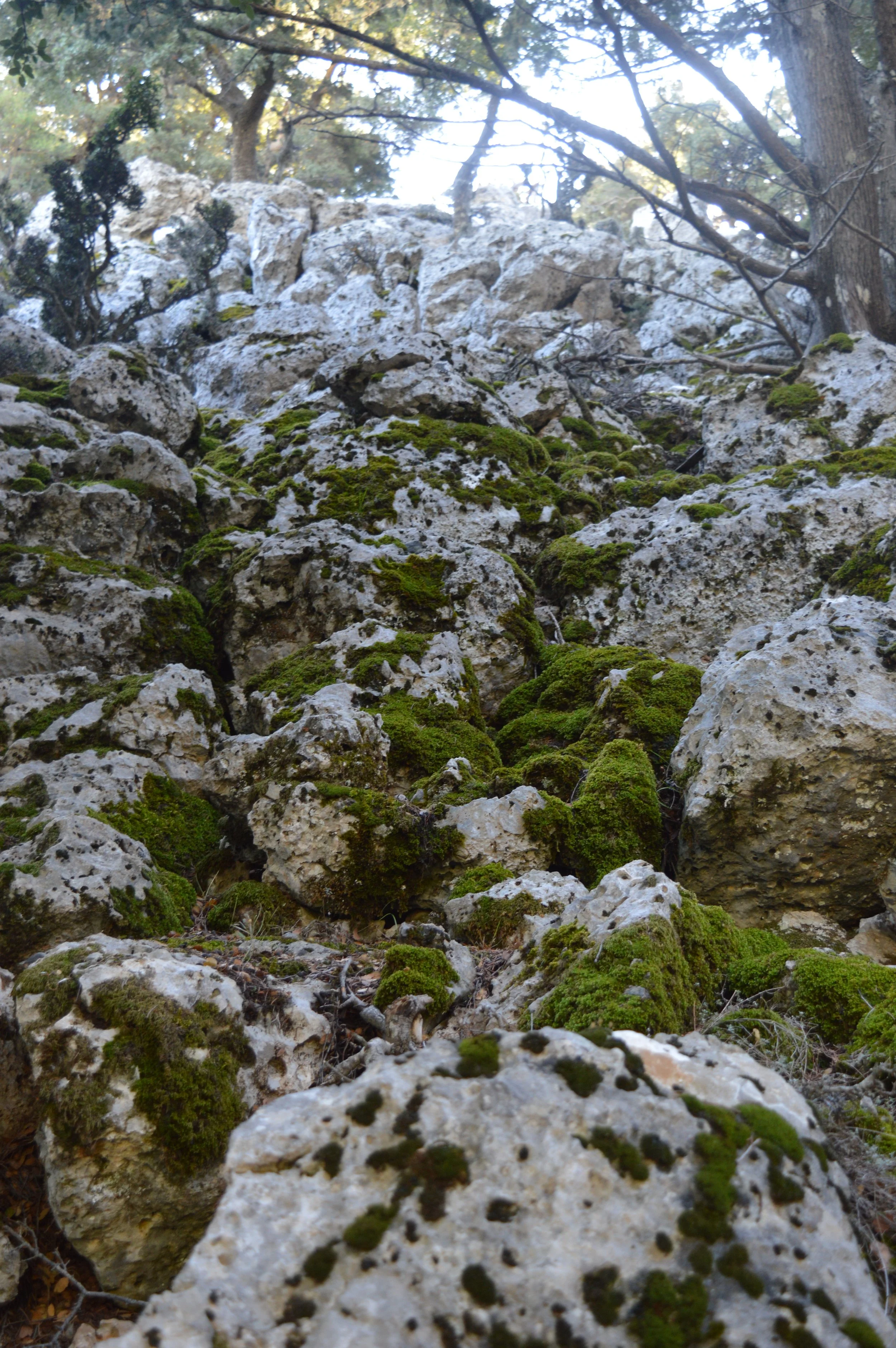
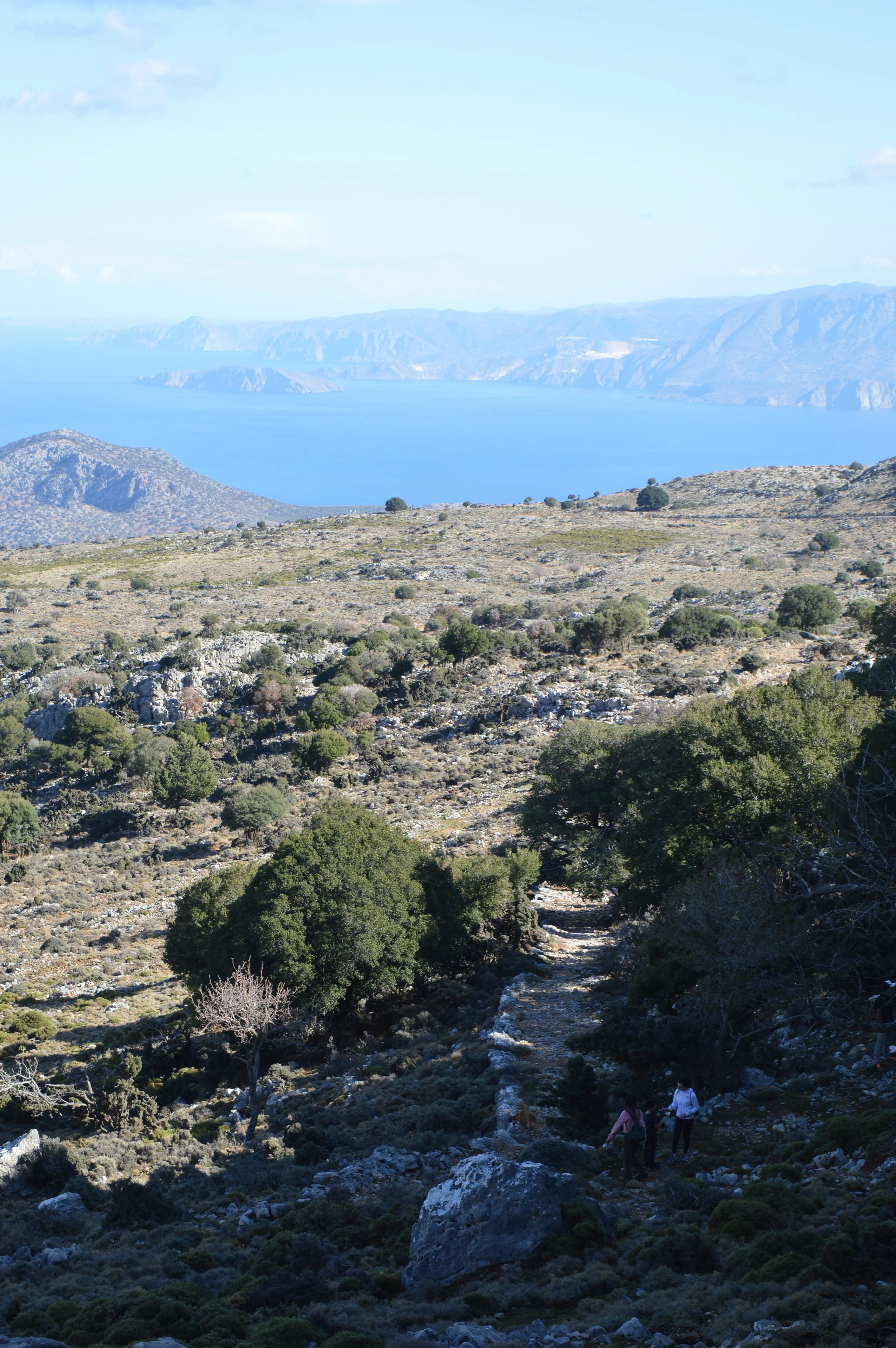
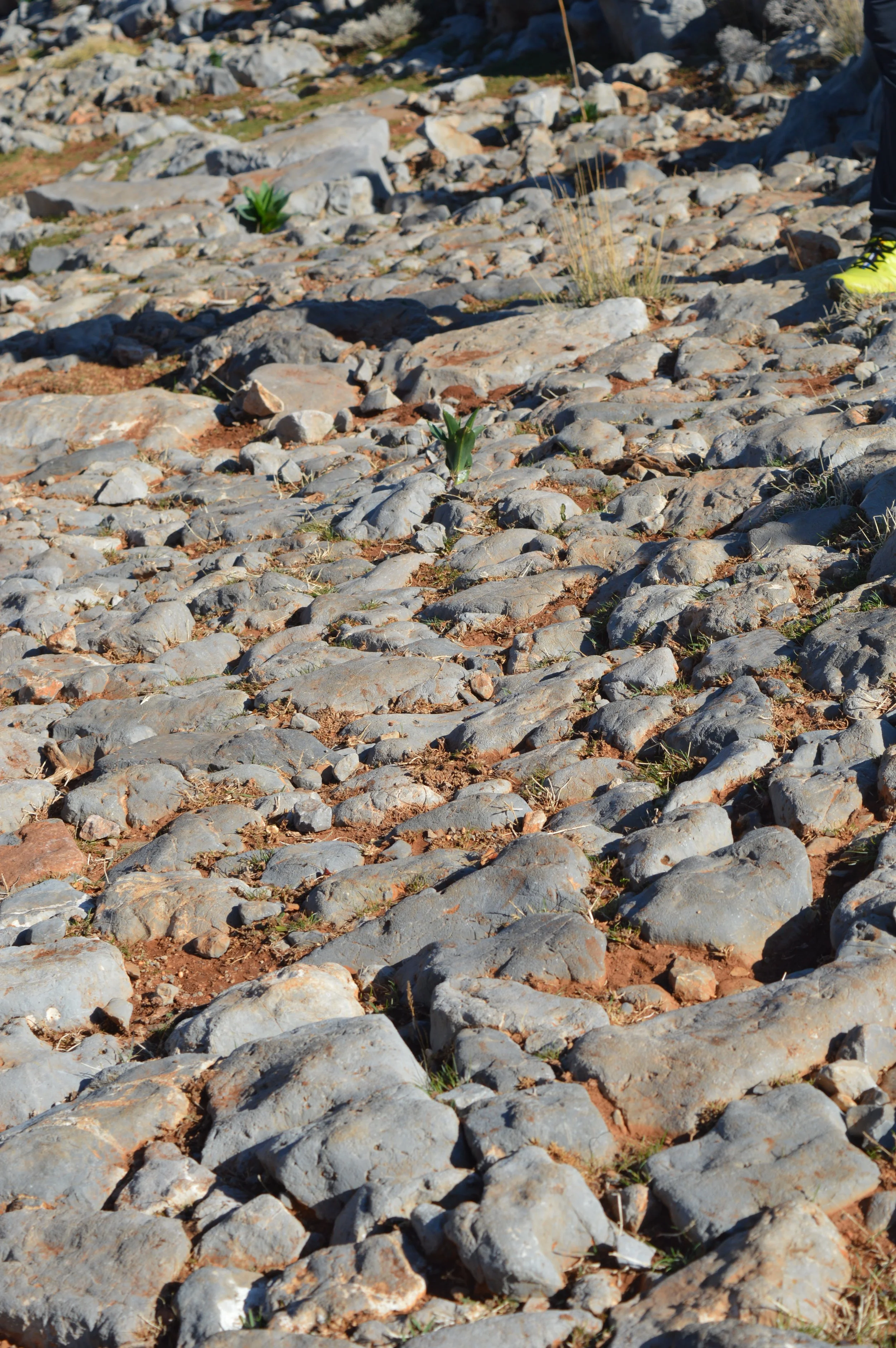
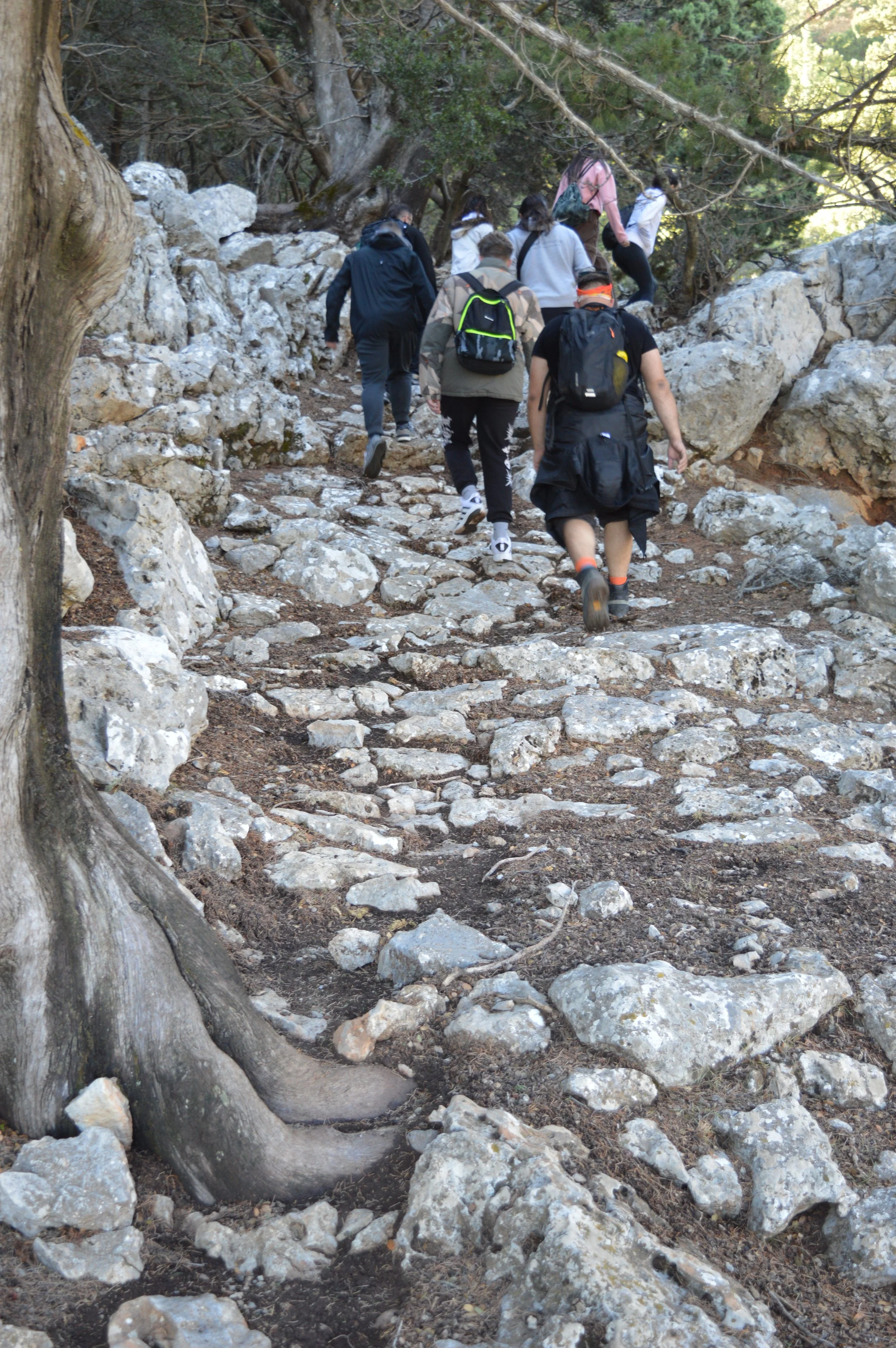
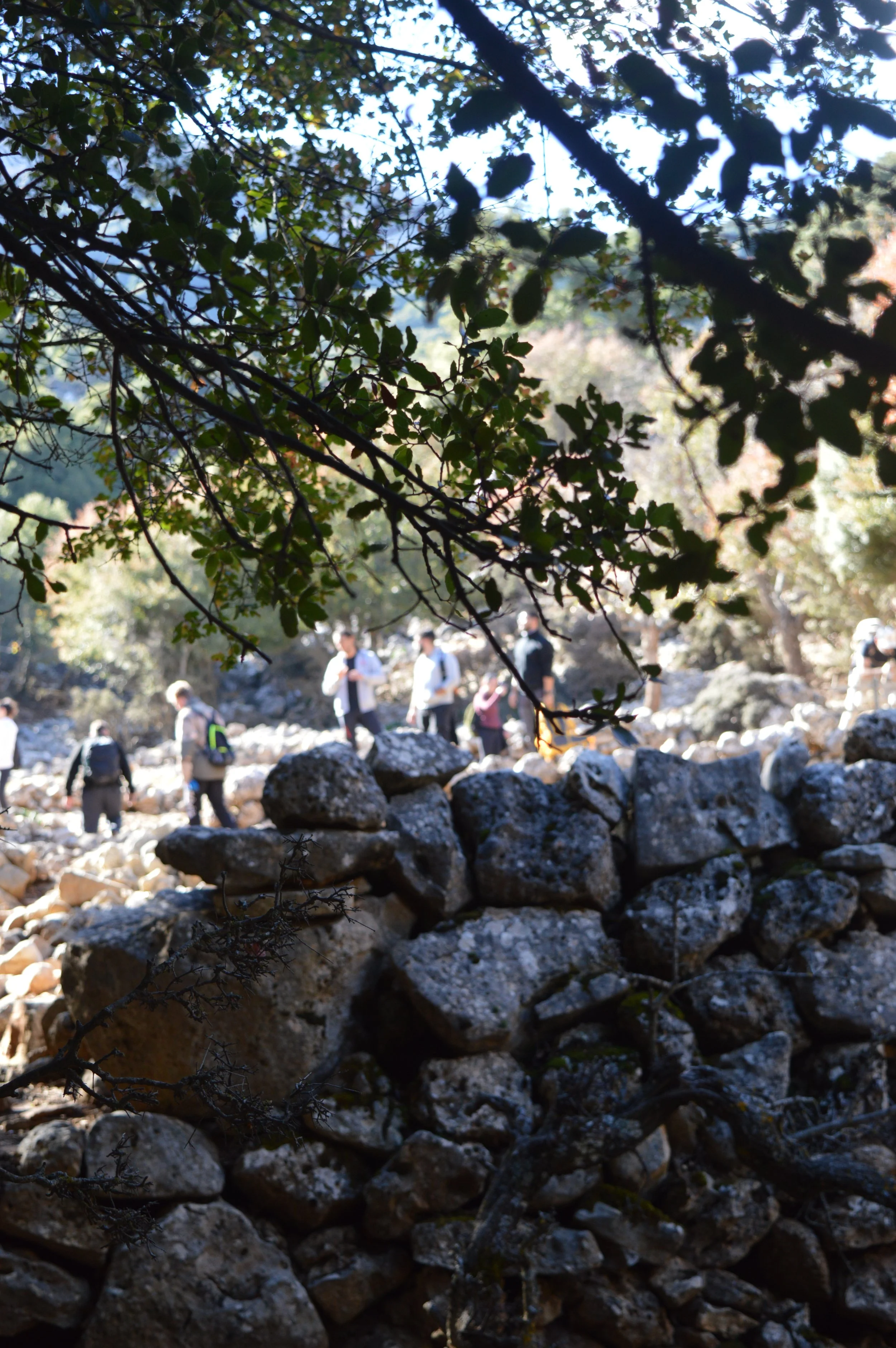
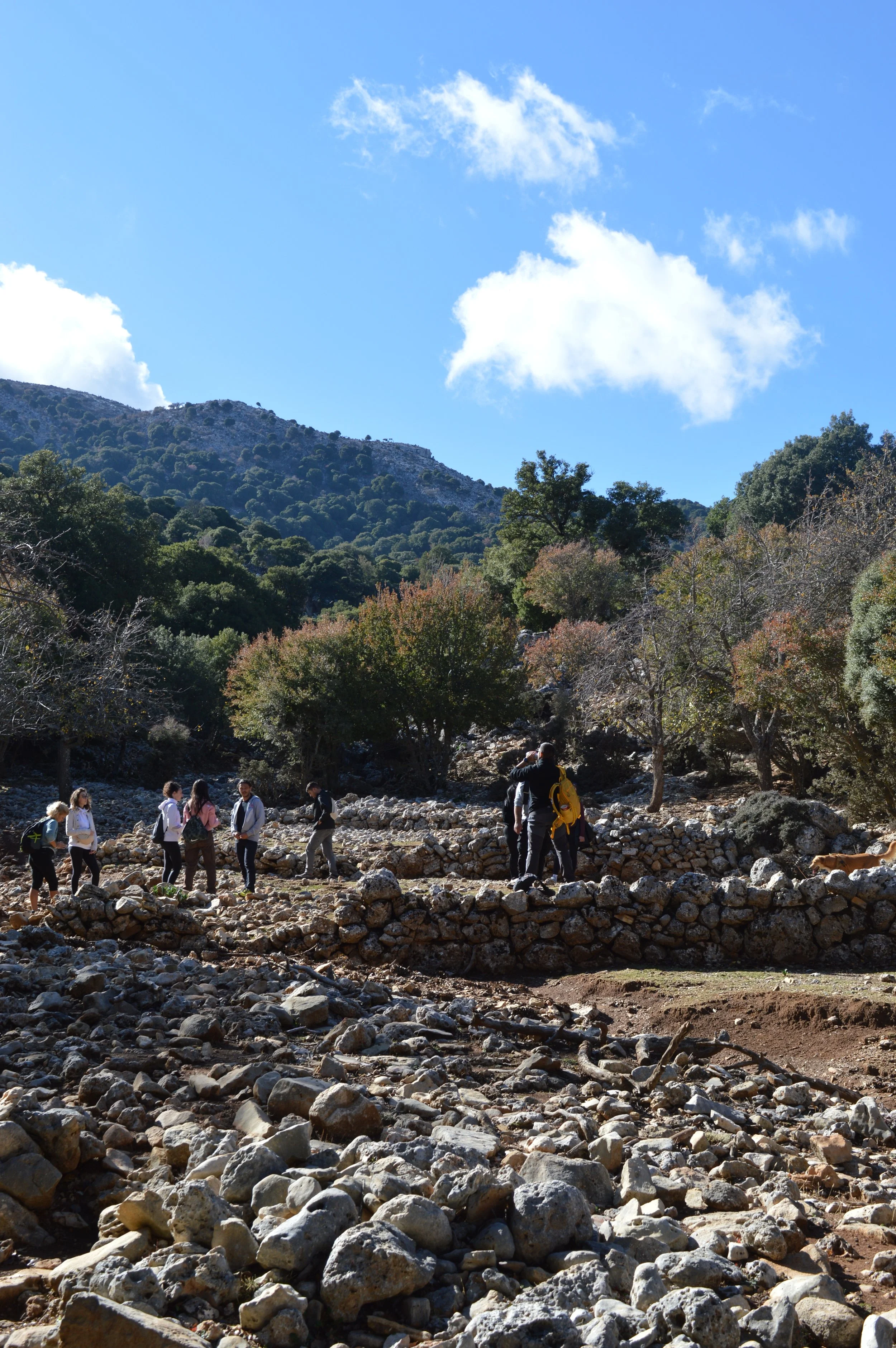
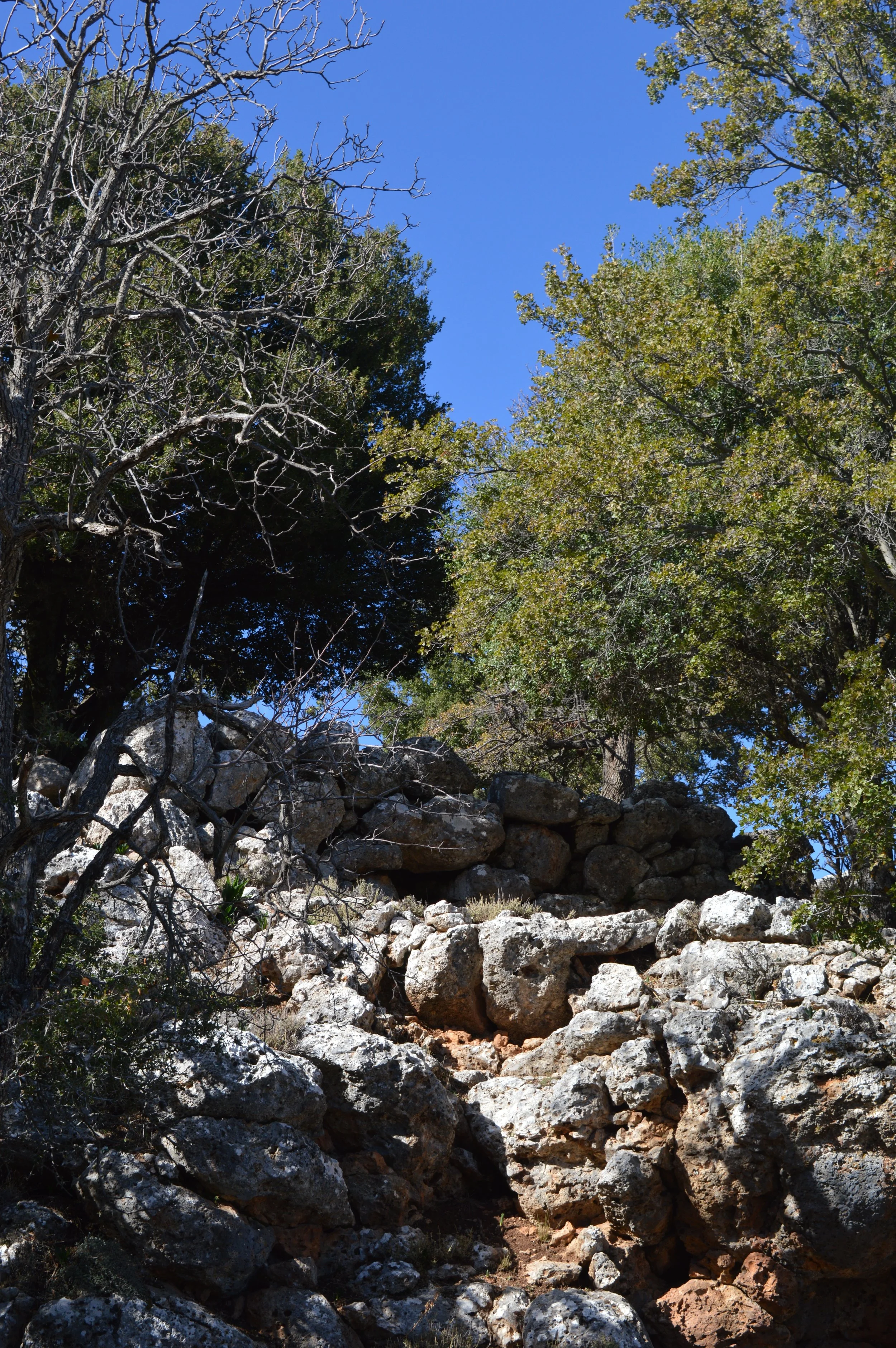
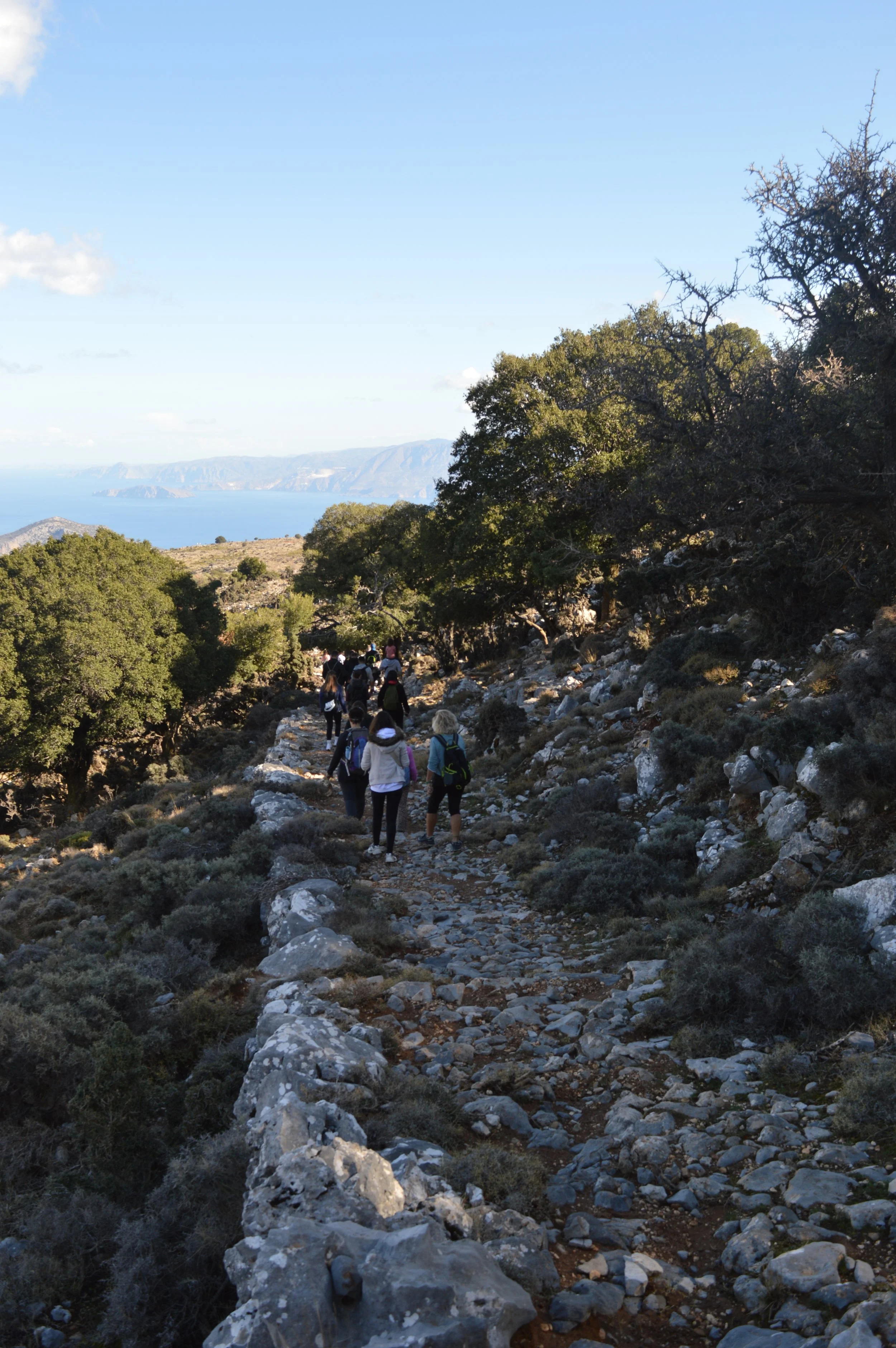
Walking through the forest today, visitors can still encounter traces of this traditional use, including old stone paths, abandoned sheepfolds and other structures associated with rural life.
The Vegetation and Natural Environment
Kritsa Cypress Forest is characterised by a mixture of woodland vegetation and Mediterranean mountain flora.
The dominant cypress trees create a shaded environment, while oak, maple, holly, wild olive and holm oak grow throughout the surrounding woodland.
Between the trees, the landscape includes shrubs, aromatic plants and open areas of rocky ground. This combination creates different habitats for birds, insects and other wildlife.
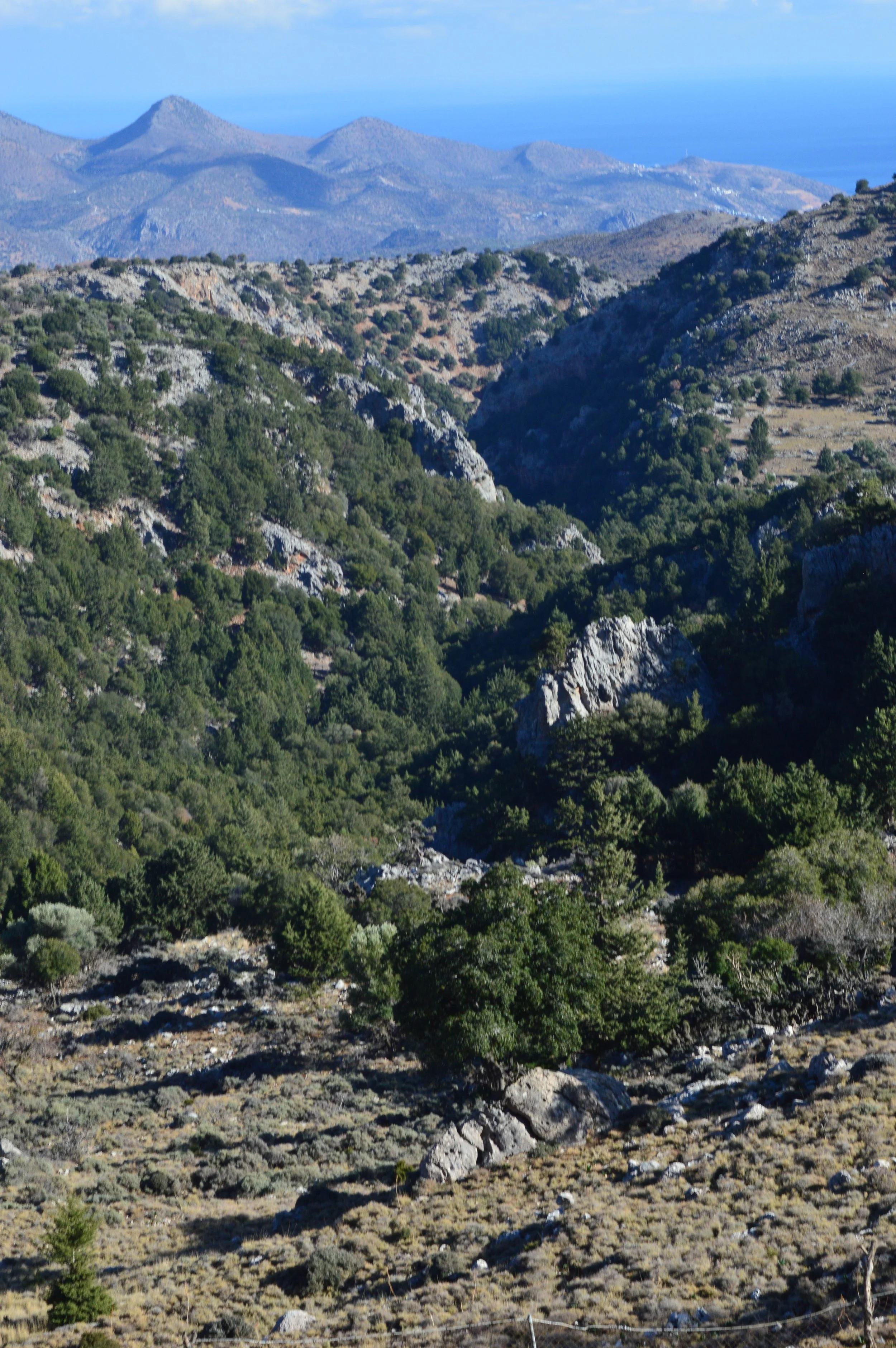
The forest is particularly attractive because of its location within a deep mountain ravine. The surrounding slopes and the natural shape of the terrain give the woodland a distinctive atmosphere, with changing light and views as visitors move along the paths.
Spring is especially pleasant, when the surrounding vegetation becomes greener and seasonal wildflowers appear. During summer, the shade beneath the cypress trees offers a welcome contrast to the exposed mountain landscape.
Hiking Through Kritsa Cypress Forest
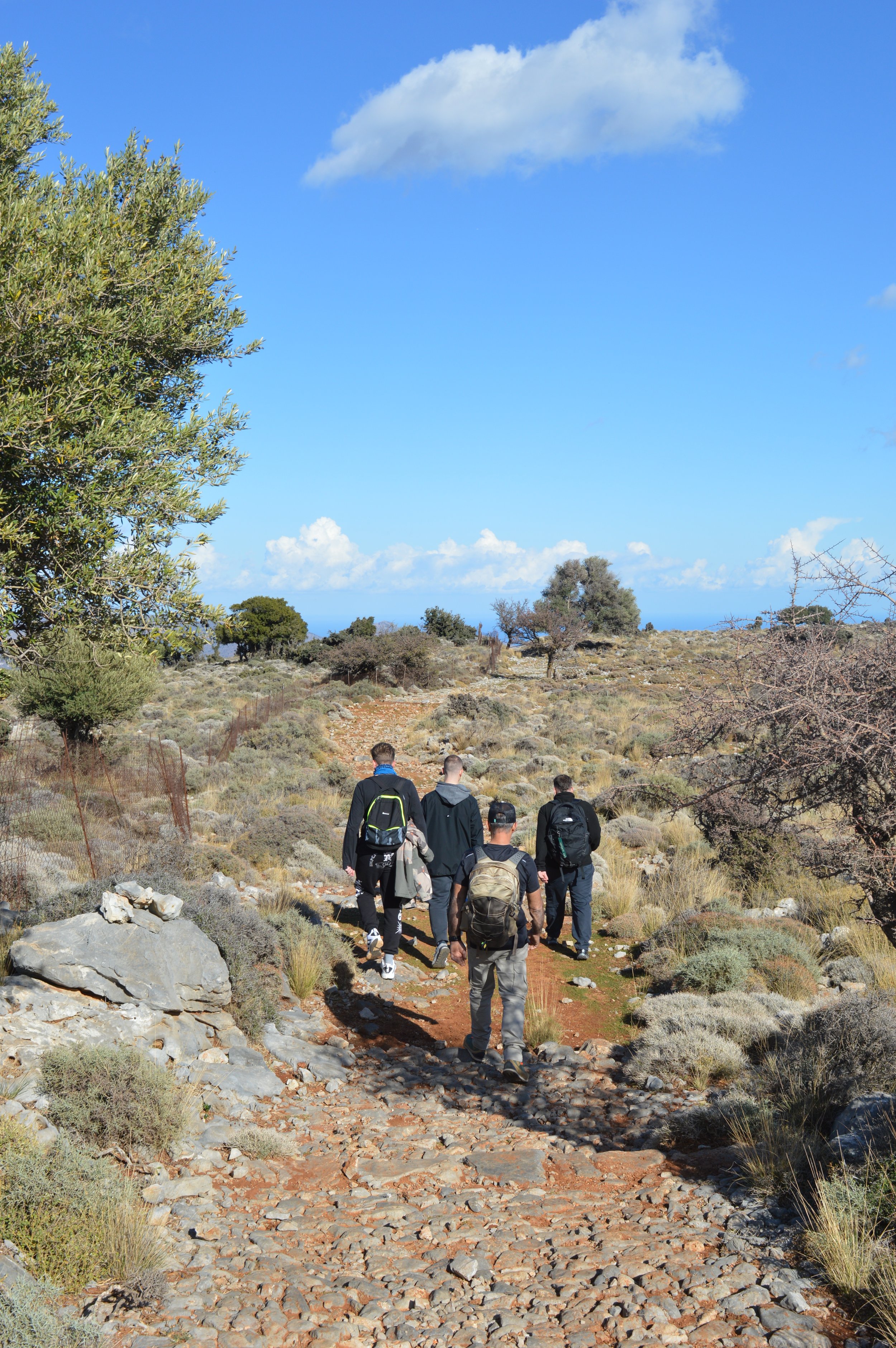
Exploring the forest on foot is the best way to appreciate its natural beauty and historical character.
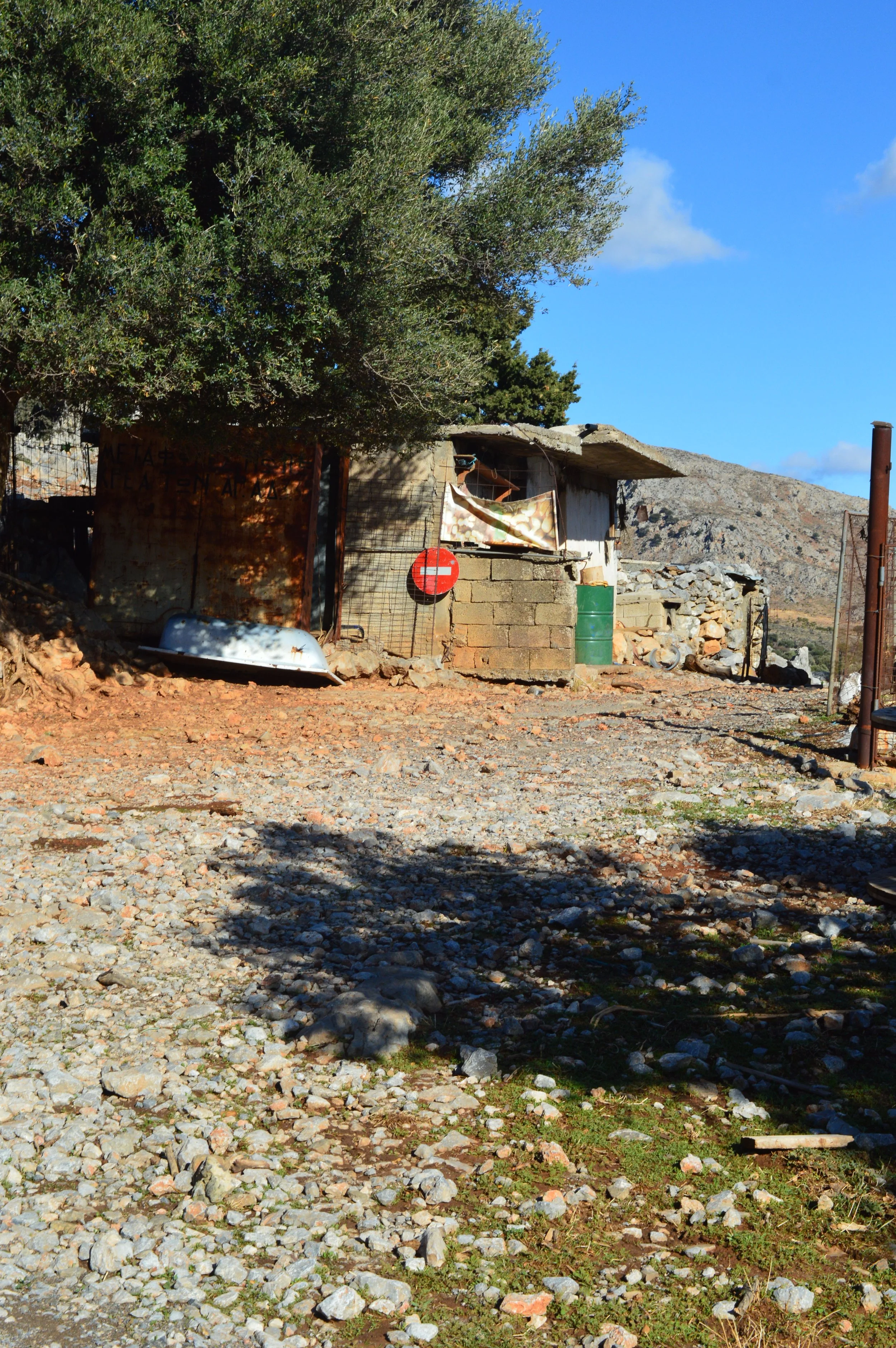
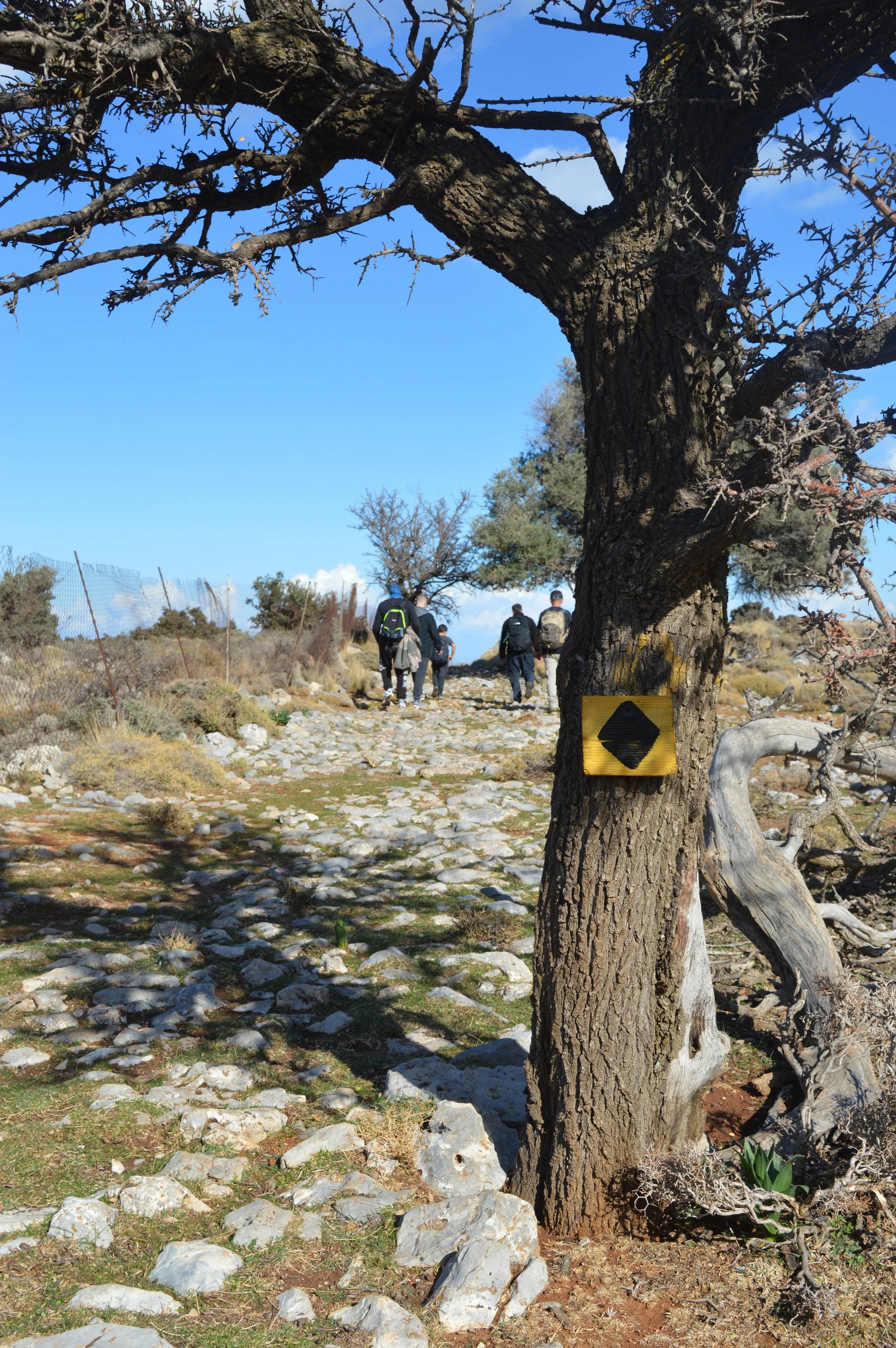
One of the easiest access points is at Favetoprinos, close to the asphalt road leading towards Katharo Plateau. There is an information kiosk and a resting area with benches, from which visitors can access a path leading into the woodland.
The shorter approach from this area takes approximately 30 minutes of easy walking to reach the forest. It is a good option for visitors who want to experience the cypress woodland without committing to a longer mountain excursion.
For those looking for a more substantial hike, longer routes connect the forest with the surrounding mountain paths and the traditional villages of the region.
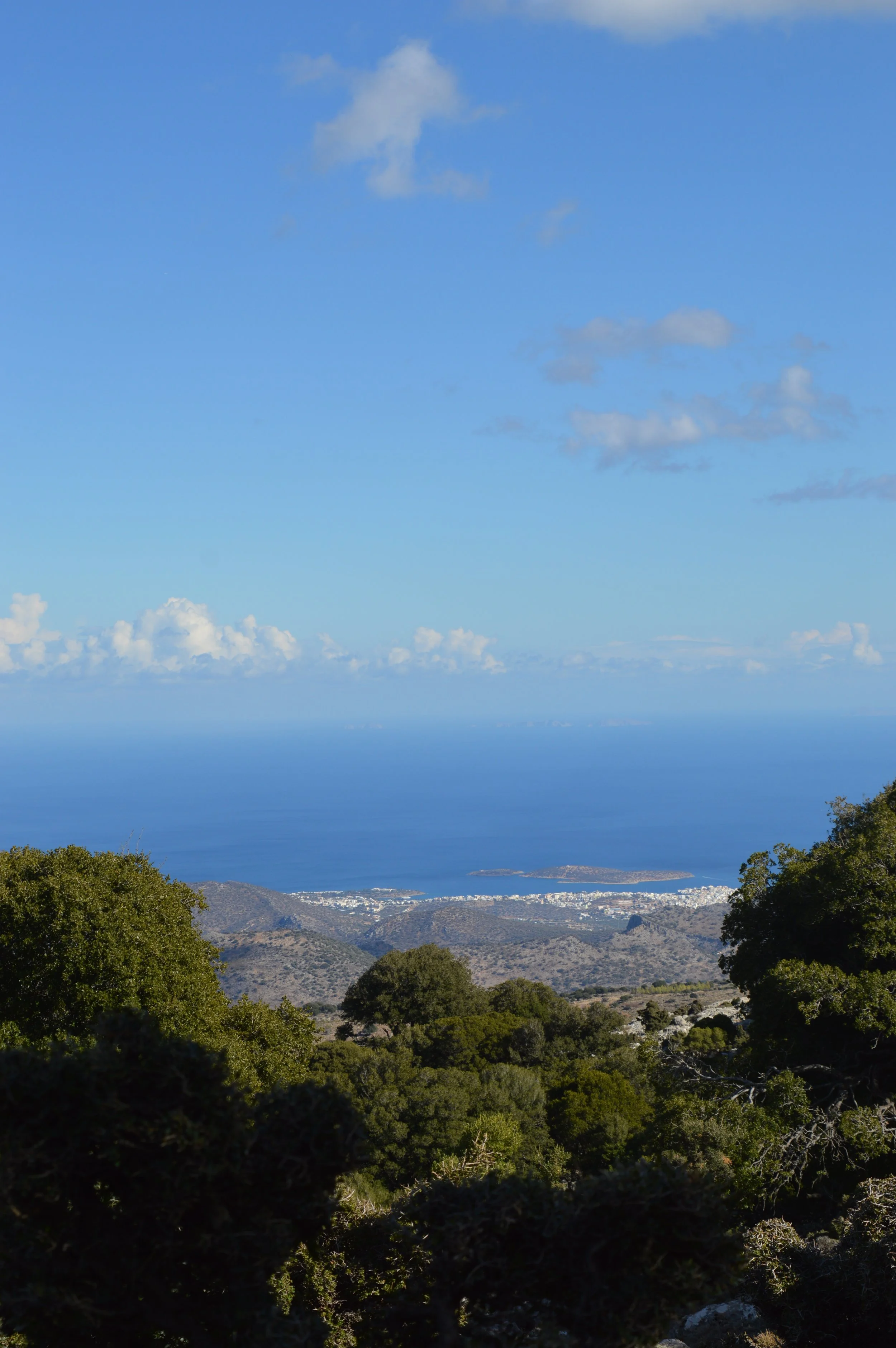
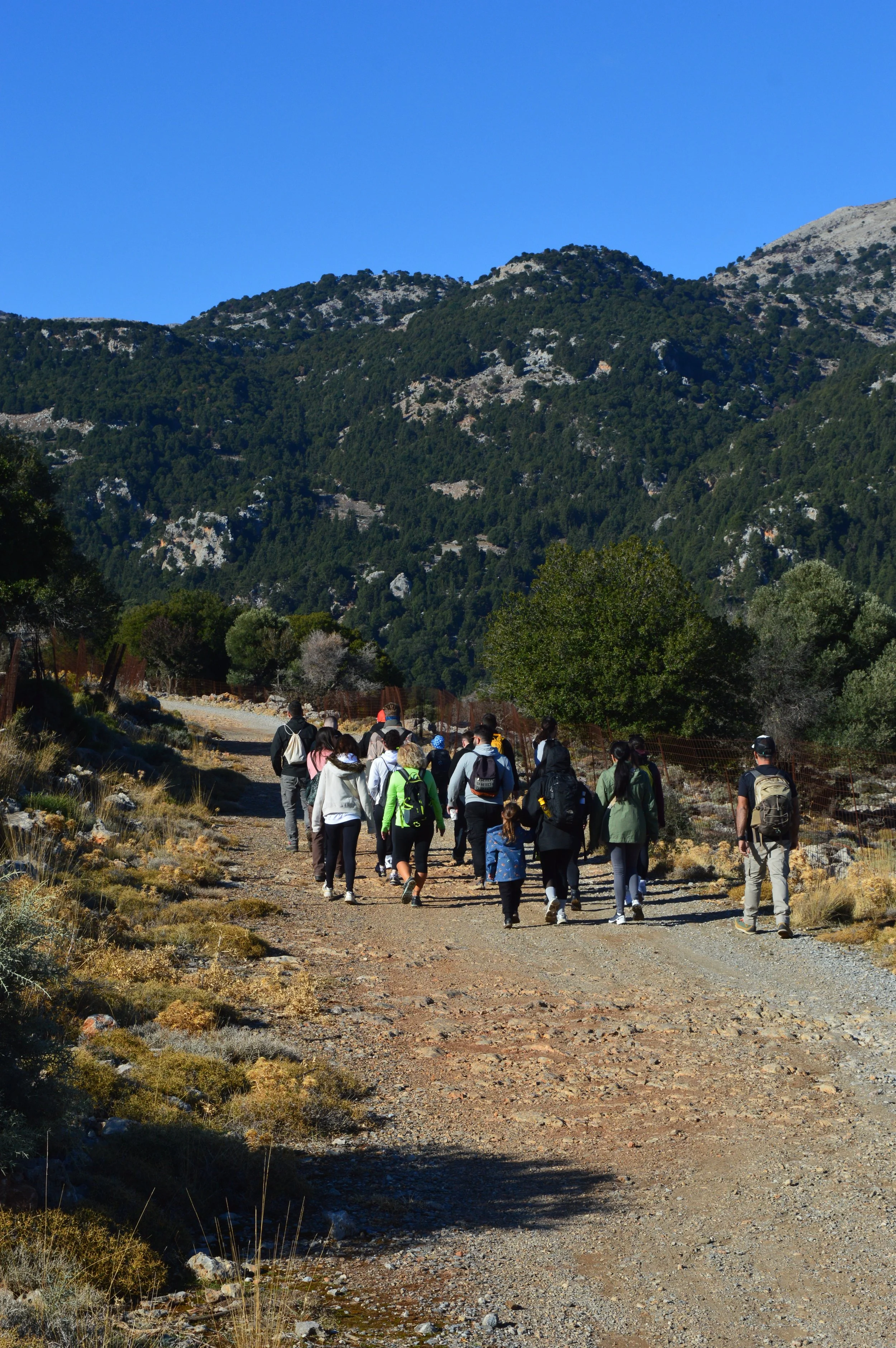
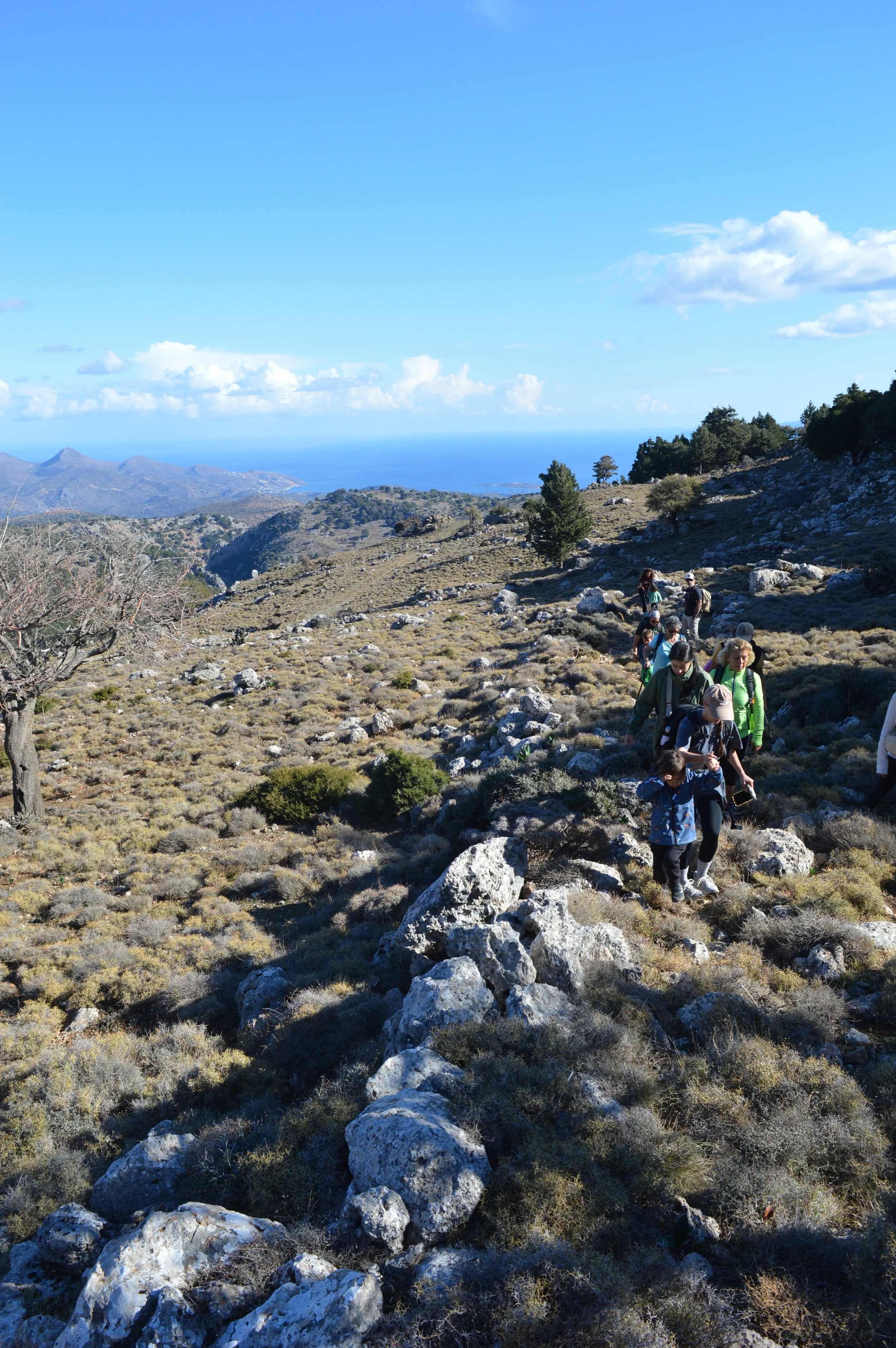
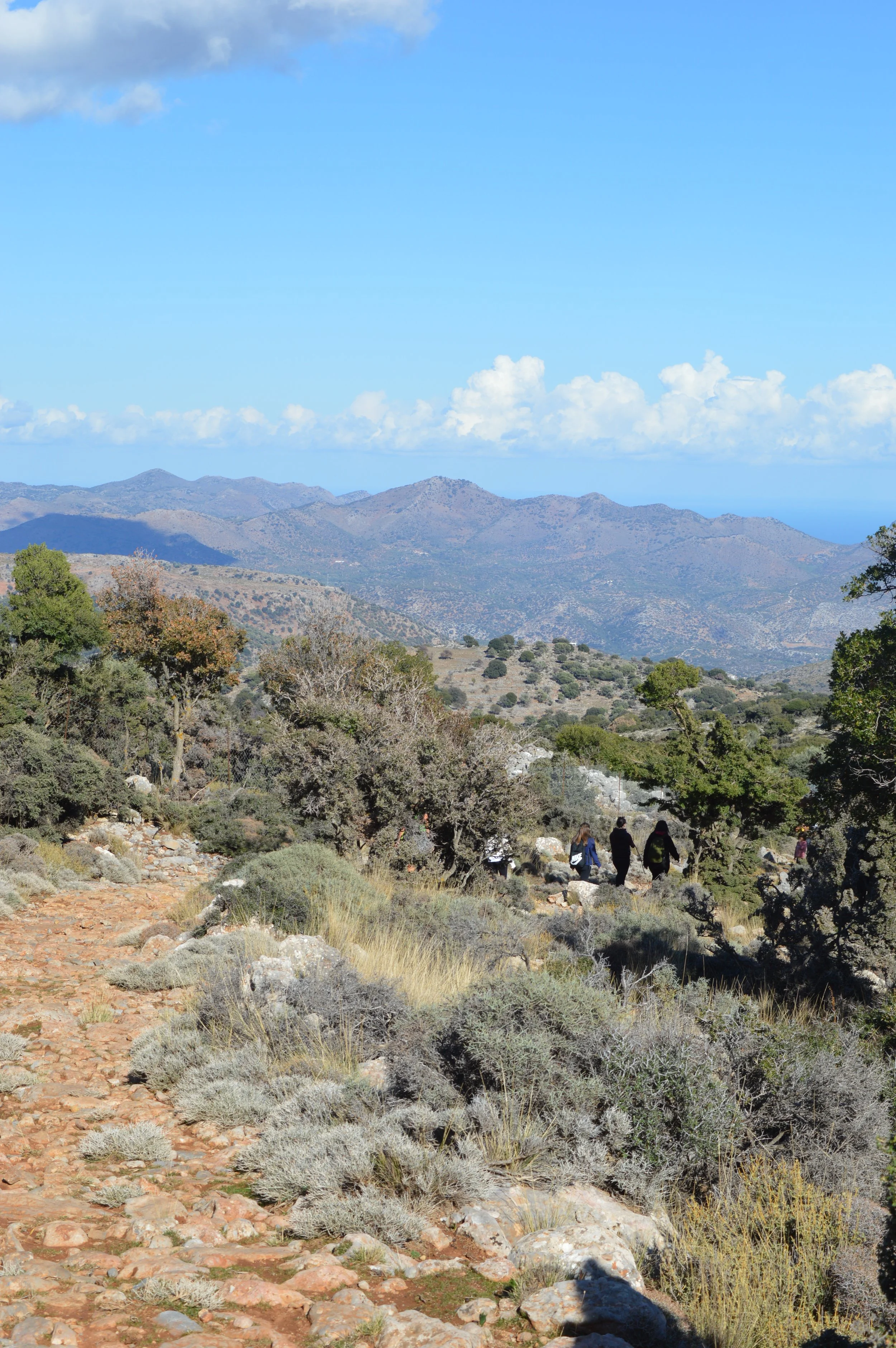
One particularly interesting excursion follows the ancient route from Kritsa towards the higher mountain area of Korakia. The route passes through woodland, open clearings and traditional shepherding landscapes, with impressive views towards Mirabello Bay.
Longer hiking experiences can take approximately four to five hours, depending on the selected route, pace and stops.
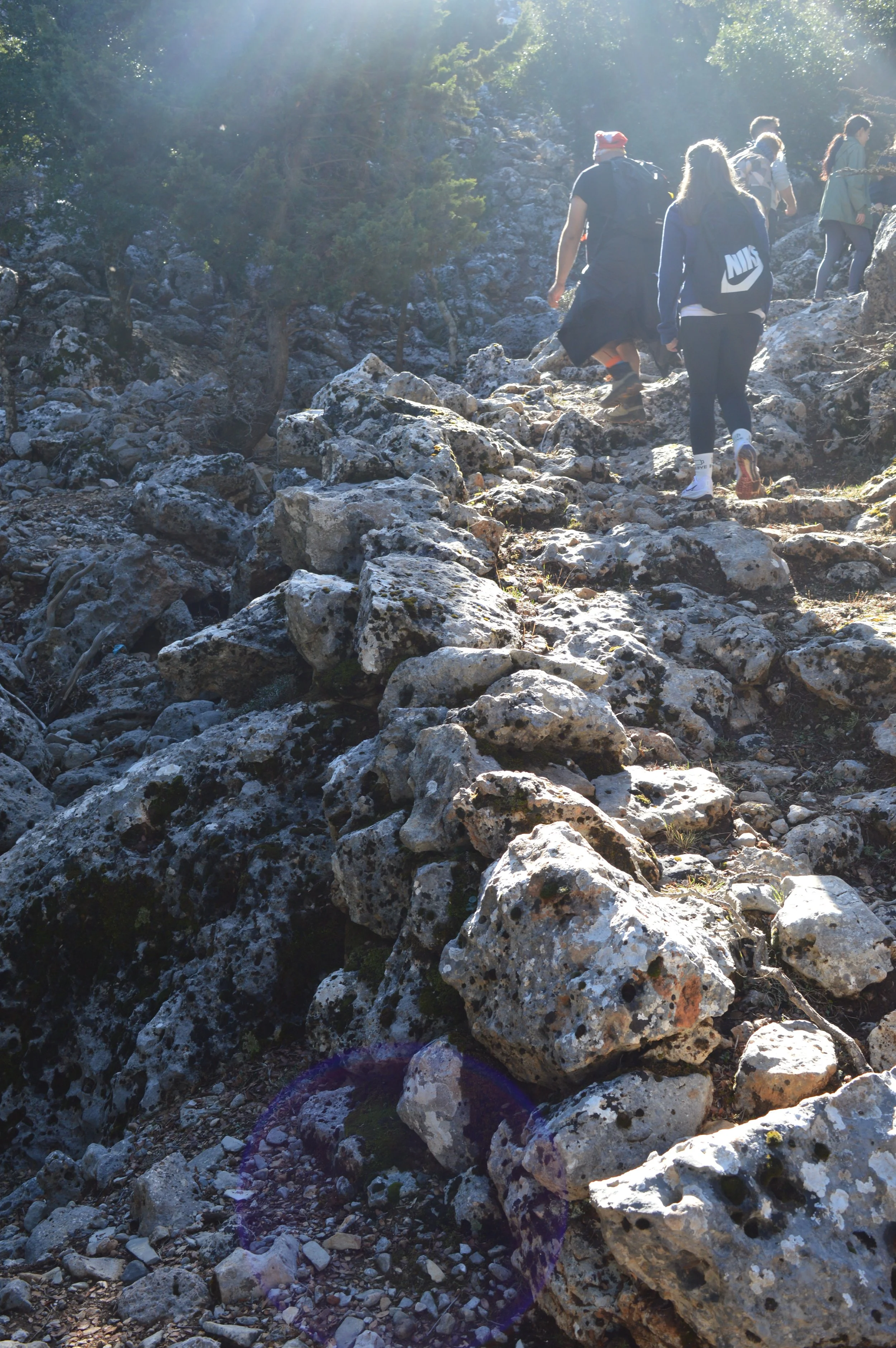
The terrain varies from relatively easy forest paths to more demanding mountain sections. Visitors should choose a route appropriate to their experience and check trail conditions before setting out.
The Forest and the Traditional Life of Shepherds
The history of Kritsa Cypress Forest is not limited to ancient times. For generations, the woodland and surrounding mountains were also used by local shepherds.
As visitors walk through the area, they may encounter abandoned sheepfolds and stone structures that once formed part of everyday agricultural life.
These remains reveal how the forest was used not only as a natural resource but also as part of a wider landscape of grazing, farming and seasonal movement between the lower villages and mountain pastures.
Traditional livestock farming continues to influence the environment today. Grazing pressure, particularly from goats, can affect young trees and woodland regeneration, making the protection of the forest an important conservation concern.
Preserving the natural vegetation and allowing new trees to grow is essential for maintaining this distinctive woodland for future generations.
Panoramic Views of Mount Tsivi and Mirabello Bay
Although the forest is known for its shaded woodland, the surrounding mountain landscape also offers impressive views.
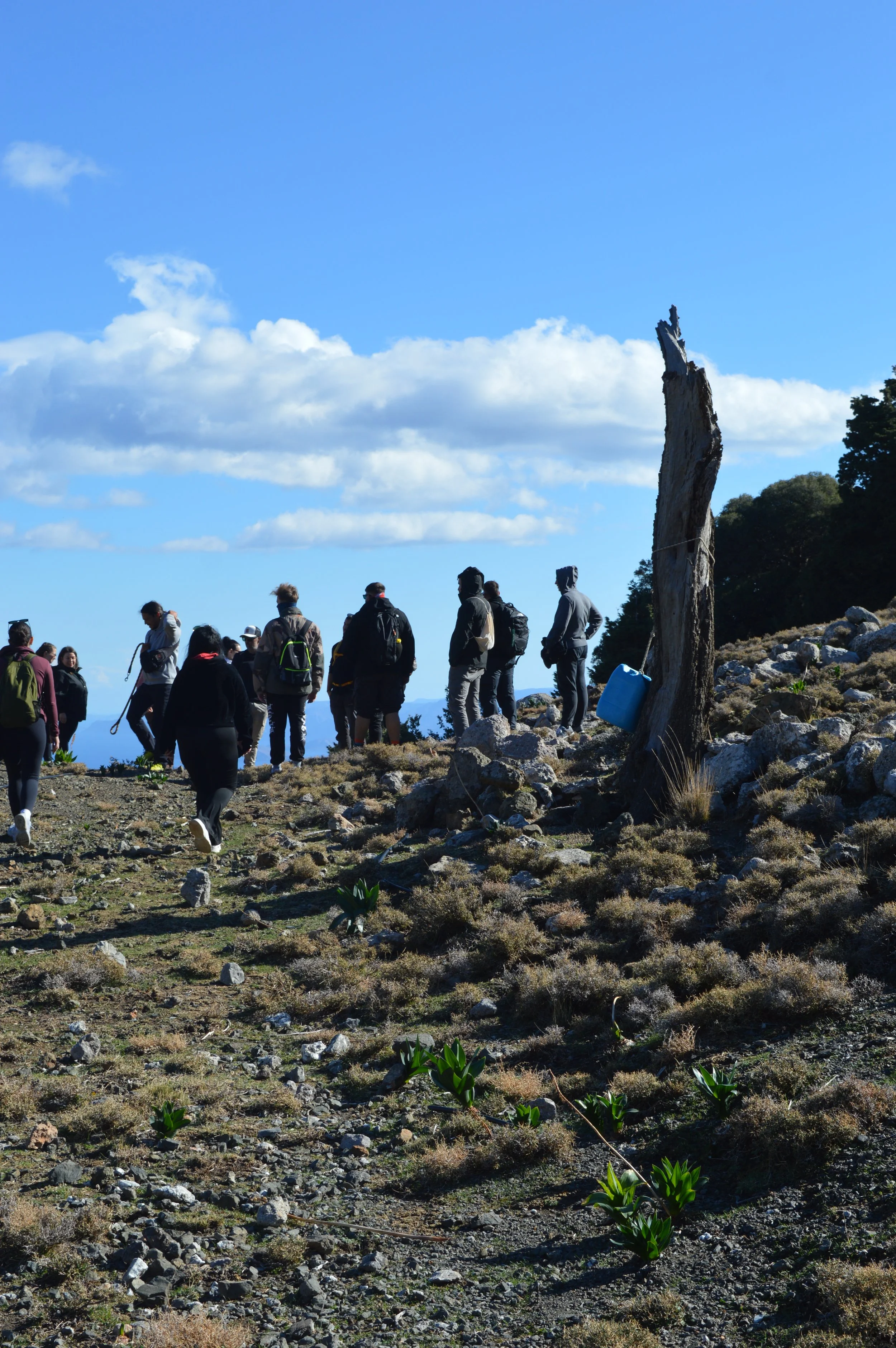
At several points, the paths open onto clearings and elevated viewpoints overlooking the forest and Mount Tsivi.
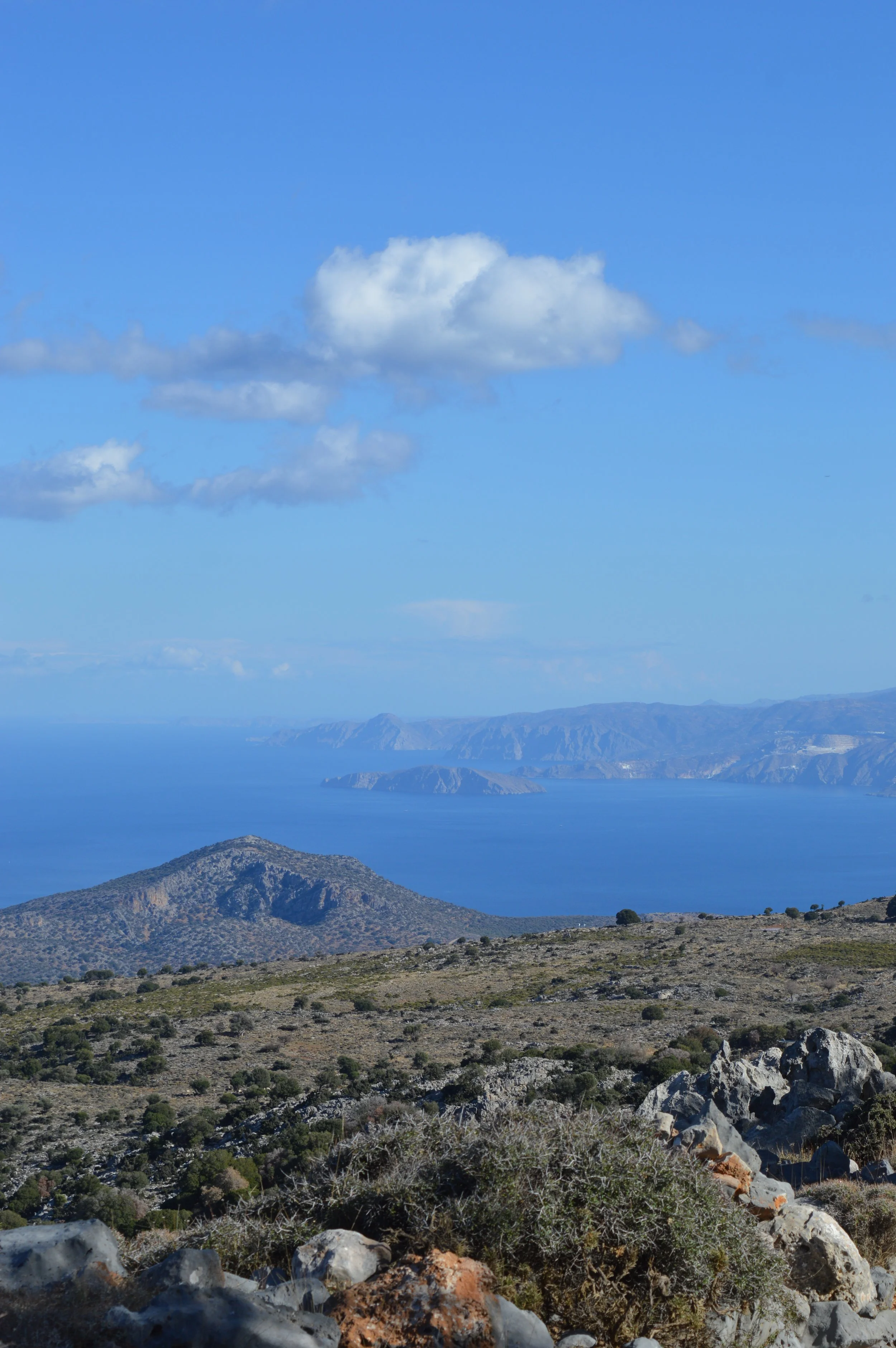
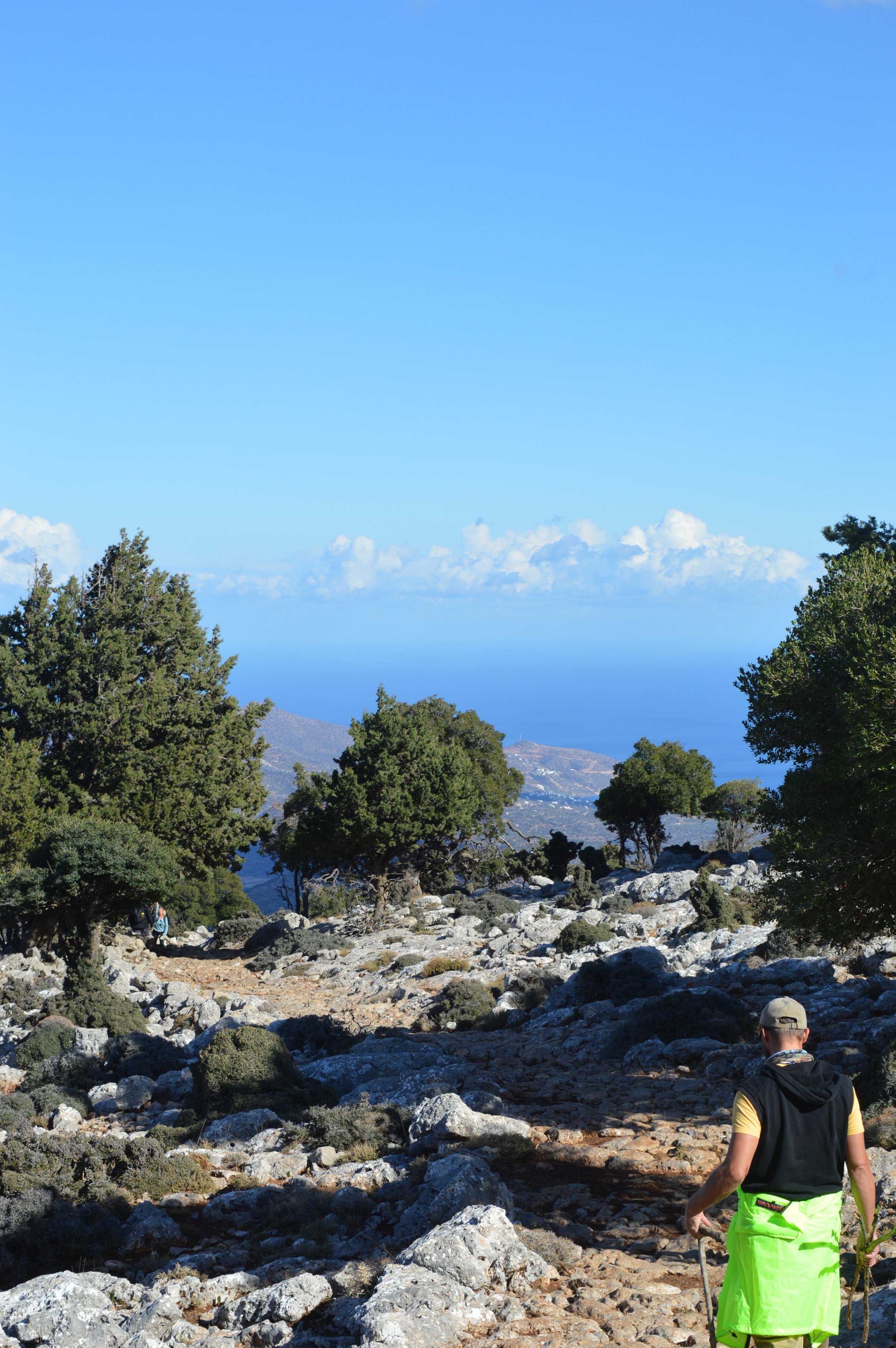
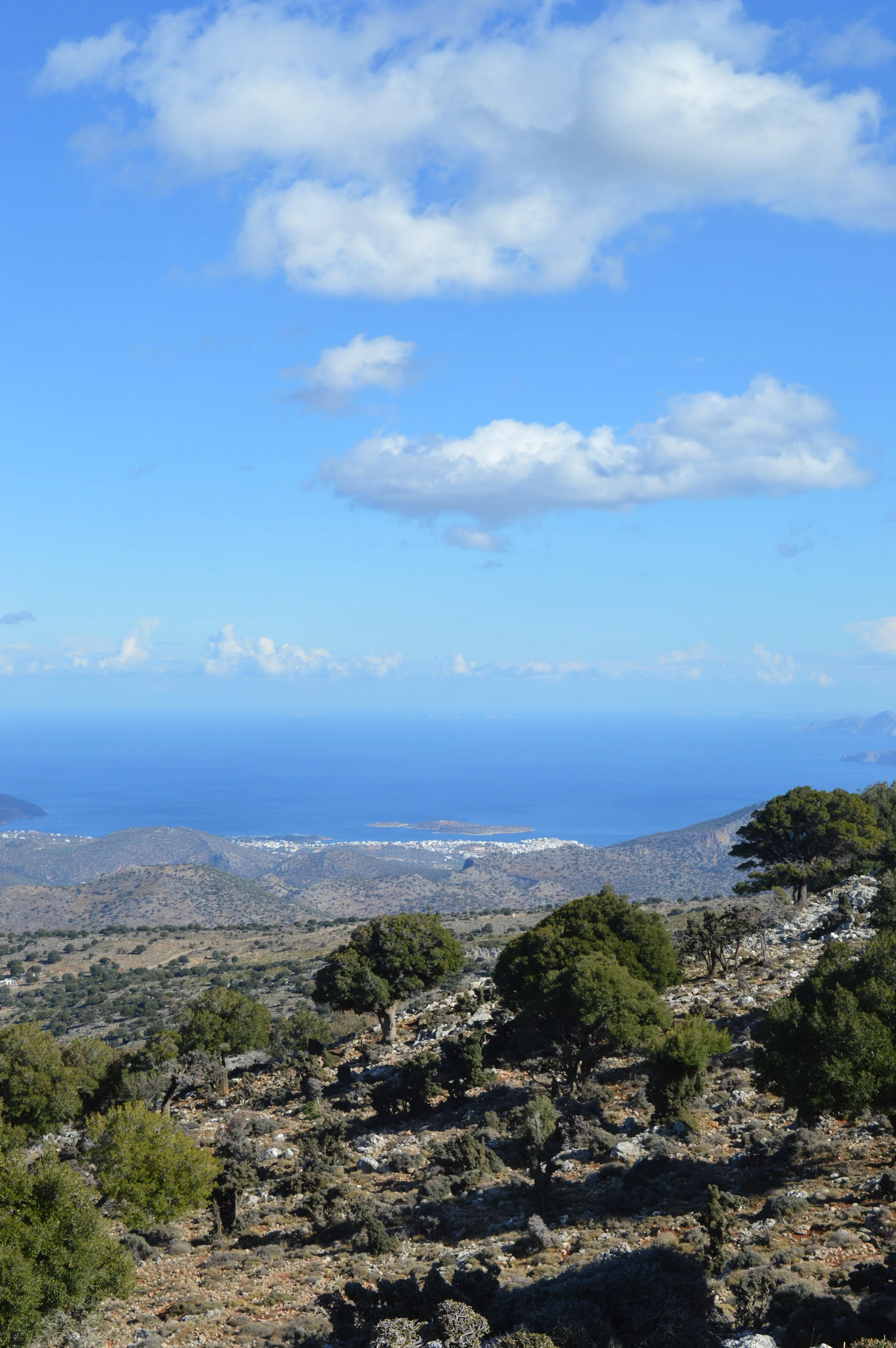
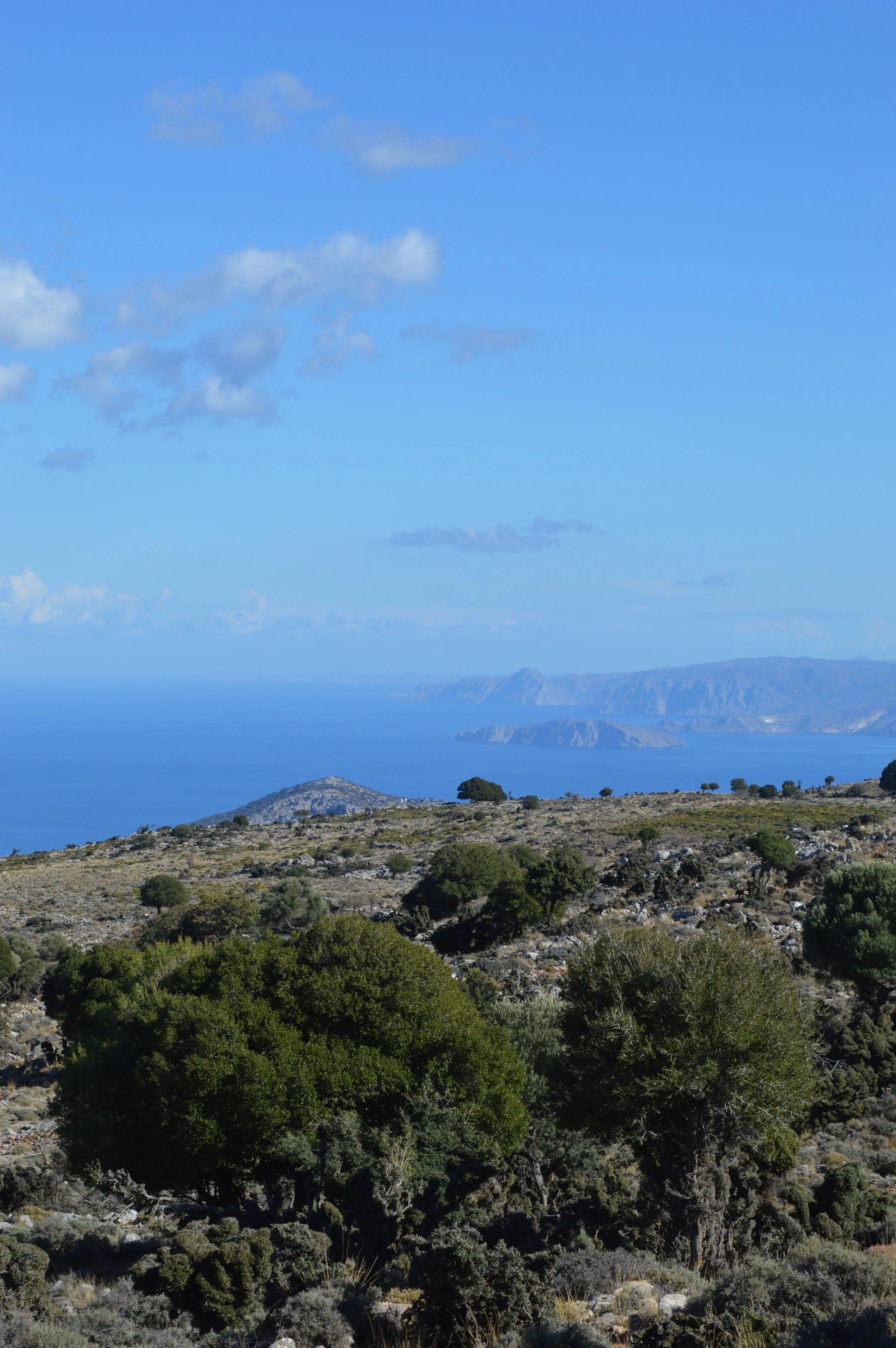
From the higher sections of the wider walking routes, visitors can enjoy views towards Mirabello Bay, Agios Nikolaos and the surrounding mountains. On clear days, the landscape stretches across a large part of Eastern Crete.
The combination of dense cypress woodland, rocky mountain slopes and distant coastal scenery makes the area particularly rewarding for hikers.
Best Time to Visit Kritsa Cypress Forest
The forest can be explored throughout the year, although some seasons offer more comfortable conditions for walking.
Spring: One of the best periods to visit. The woodland is surrounded by fresh vegetation, wildflowers appear along the paths and temperatures are generally pleasant for hiking.
Summer: The shade beneath the cypress trees makes the forest an attractive destination during warmer weather. It is advisable to start early, carry enough drinking water and protect yourself from the sun on exposed sections.
Autumn: A particularly pleasant season for longer walks, with milder temperatures and quieter trails.
Winter: The forest has a different atmosphere after rainfall, but mountain weather can change quickly. Paths may become slippery and some sections difficult to follow.
Spring and autumn are especially recommended for visitors planning to explore the wider network of mountain paths.
Practical Information Before Visiting
Kritsa Cypress Forest is a natural woodland rather than a fully developed visitor attraction. The main access area has an information kiosk and resting places, but visitors should be prepared for outdoor conditions.
A few practical points are worth considering:
Wear comfortable walking shoes with good grip.
Carry drinking water, particularly during summer.
Bring a map or reliable navigation if planning a longer route.
Allow approximately 30 minutes for the shorter approach from the Favetoprinos access area, with additional time to explore the woodland.
Allow several hours for longer routes towards Korakia or the surrounding mountain paths.
Stay on established paths and avoid disturbing archaeological remains.
Respect the trees, wildlife and natural environment.
Check the weather before starting, particularly during winter or after rainfall.
The shorter woodland walk and the longer mountain hikes are quite different experiences. Visitors should not assume that the easy access path represents the difficulty of the entire network.
How to Get to Kritsa Cypress Forest
Kritsa Cypress Forest is located approximately 10 kilometres west of Kritsa village, near the road leading towards Katharo Plateau.
From Agios Nikolaos, follow the road towards Kritsa. Continue through the village in the direction of Katharo and follow the mountain road towards the forest.
The Favetoprinos area is one of the main access points, with an information kiosk and benches close to the road. From there, visitors can follow the path into the woodland.
The drive from Agios Nikolaos generally takes approximately 35–45 minutes, depending on traffic and the exact access point.
A car is the most practical way to reach the forest. Visitors should check the location of the trailhead before travelling, as the longer hiking routes may start from different points.
Places to Discover Nearby
Kritsa Cypress Forest is ideally located for exploring several important natural, archaeological and cultural attractions in the surrounding mountains.
Kritsa Village: One of the most traditional villages in Eastern Crete, known for its narrow streets, stone houses, traditional weaving, local crafts and Cretan hospitality.
Katharo Plateau: A remote mountain plateau above Kritsa, surrounded by the peaks of the Dikti mountain range. It is known for its rural landscape, traditional agricultural activities and archaeological and palaeontological importance.
Kritsa Gorge: A spectacular limestone canyon near Kritsa village, featuring narrow passages, impressive rock formations and a challenging hiking route.
Ancient Lato: One of the most important ancient cities of Crete, located between Kritsa and Agios Nikolaos. Its archaeological remains include public buildings, houses and sections of the ancient city, with panoramic views over Mirabello Bay.
Panagia Kera: A historic Byzantine church near Kritsa, famous for its exceptional frescoes dating mainly from the 13th and 14th centuries.
Kroustas Minoan Forest: Another important woodland in the mountains of Eastern Crete, known for its pine trees, archaeological remains and marked hiking paths.
Explore Kritsa Cypress Forest with a Guided Hike
For visitors who prefer to discover the forest with someone familiar with the local landscape, guided hiking experiences are also available.
Explore Agios Nikolaos offers hiking experiences in Kritsa Forest, following mountain paths through the cypress woodland and towards the higher areas of the surrounding mountains.
A guided walk can help visitors understand the natural environment, the archaeological traces and the traditional rural history of the area while exploring paths that may be difficult to identify independently.
Discover the Ancient Cypress Landscape of Eastern Crete
Kritsa Cypress Forest is a special place where the natural and cultural heritage of Crete remain closely connected.
Its impressive trees, diverse Mediterranean vegetation, archaeological traces and traditional mountain paths create an experience very different from the island's familiar coastal attractions.
Whether visitors choose a short walk beneath the cypress trees or a longer hike through the surrounding mountains, the forest offers a rewarding opportunity to discover the landscapes and history of Eastern Crete.