Kritsa Village, Crete: A Local’s Guide
Kritsa Village, Crete: A Local’s Guide
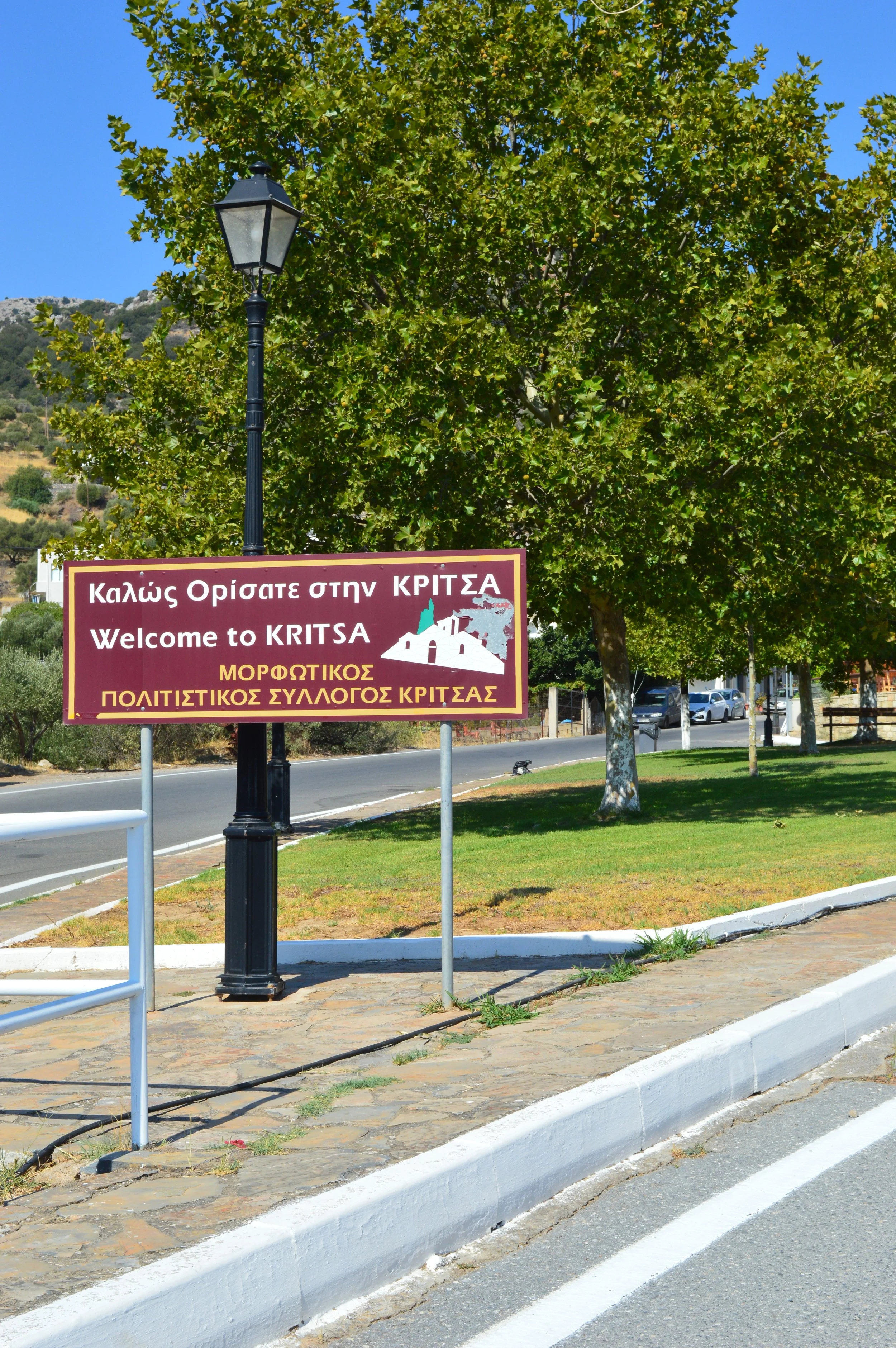
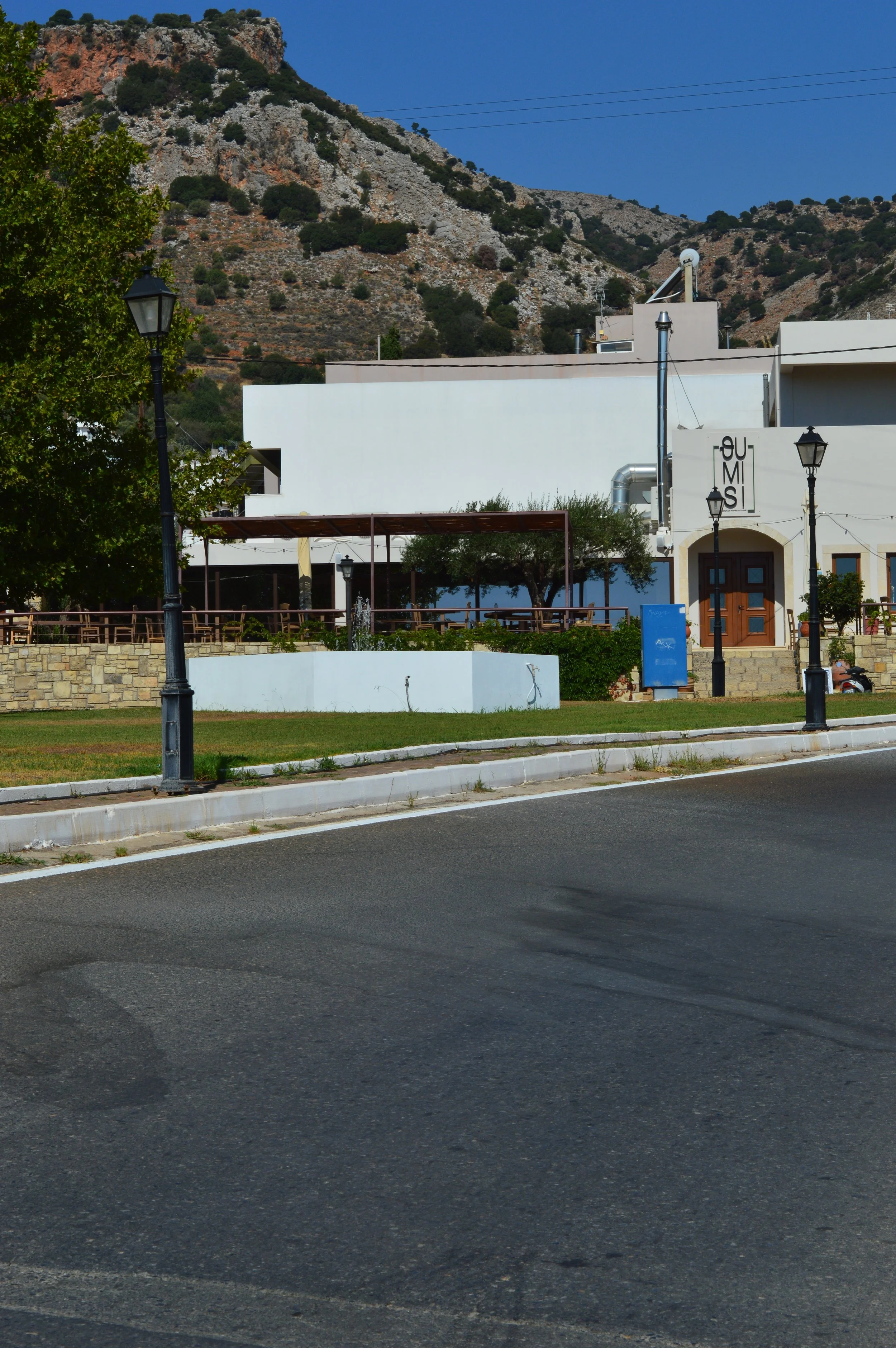
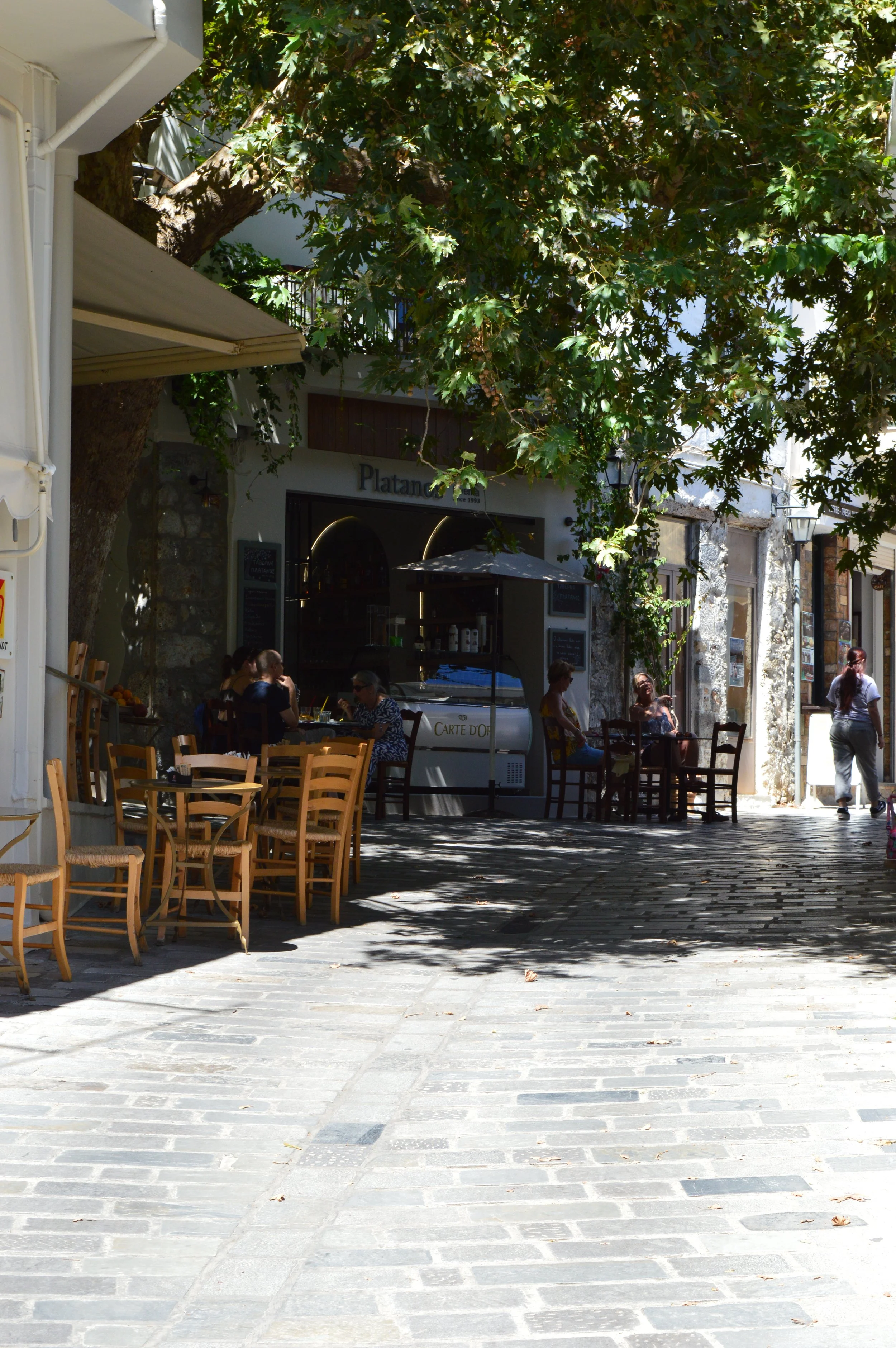
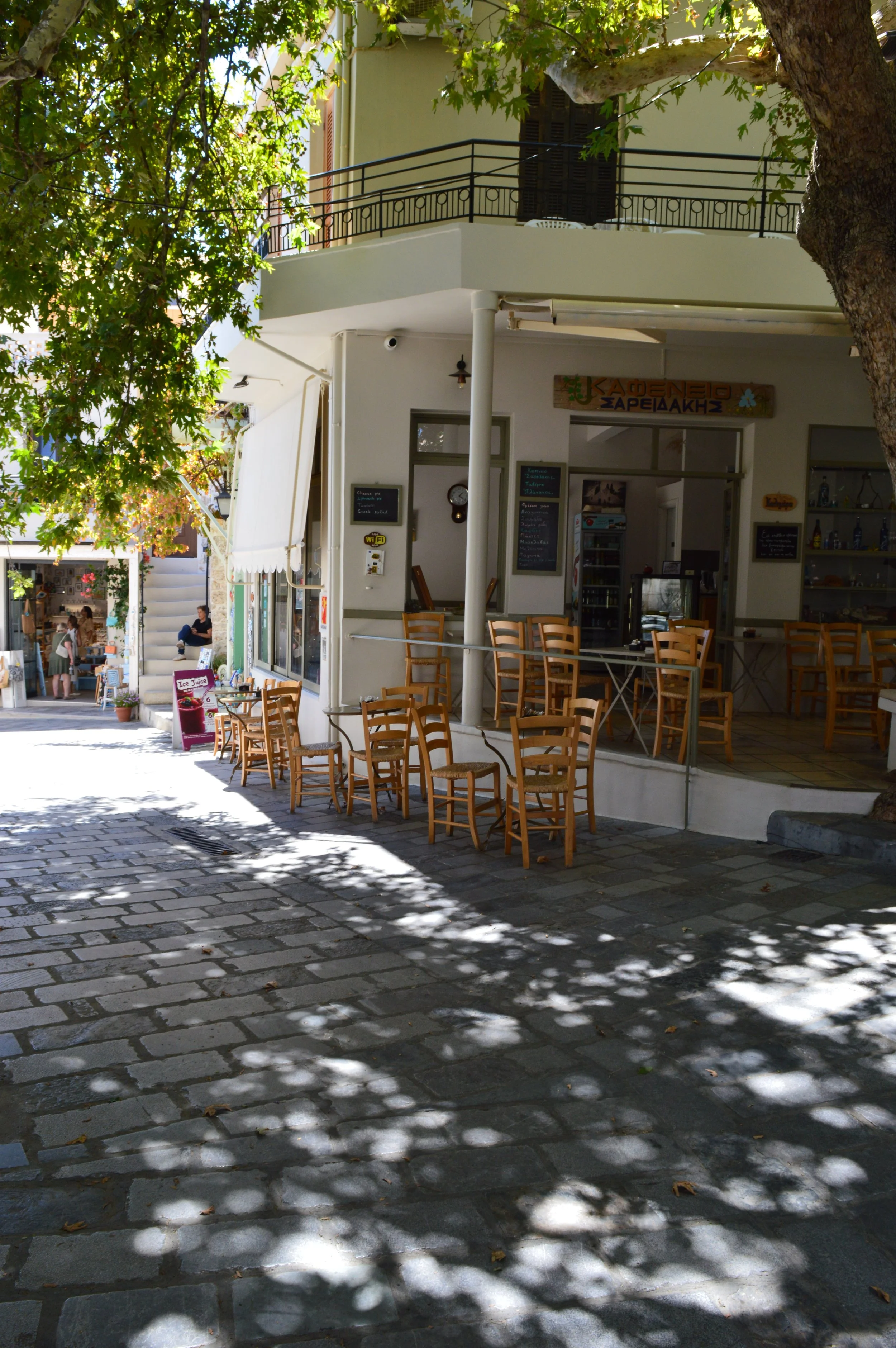
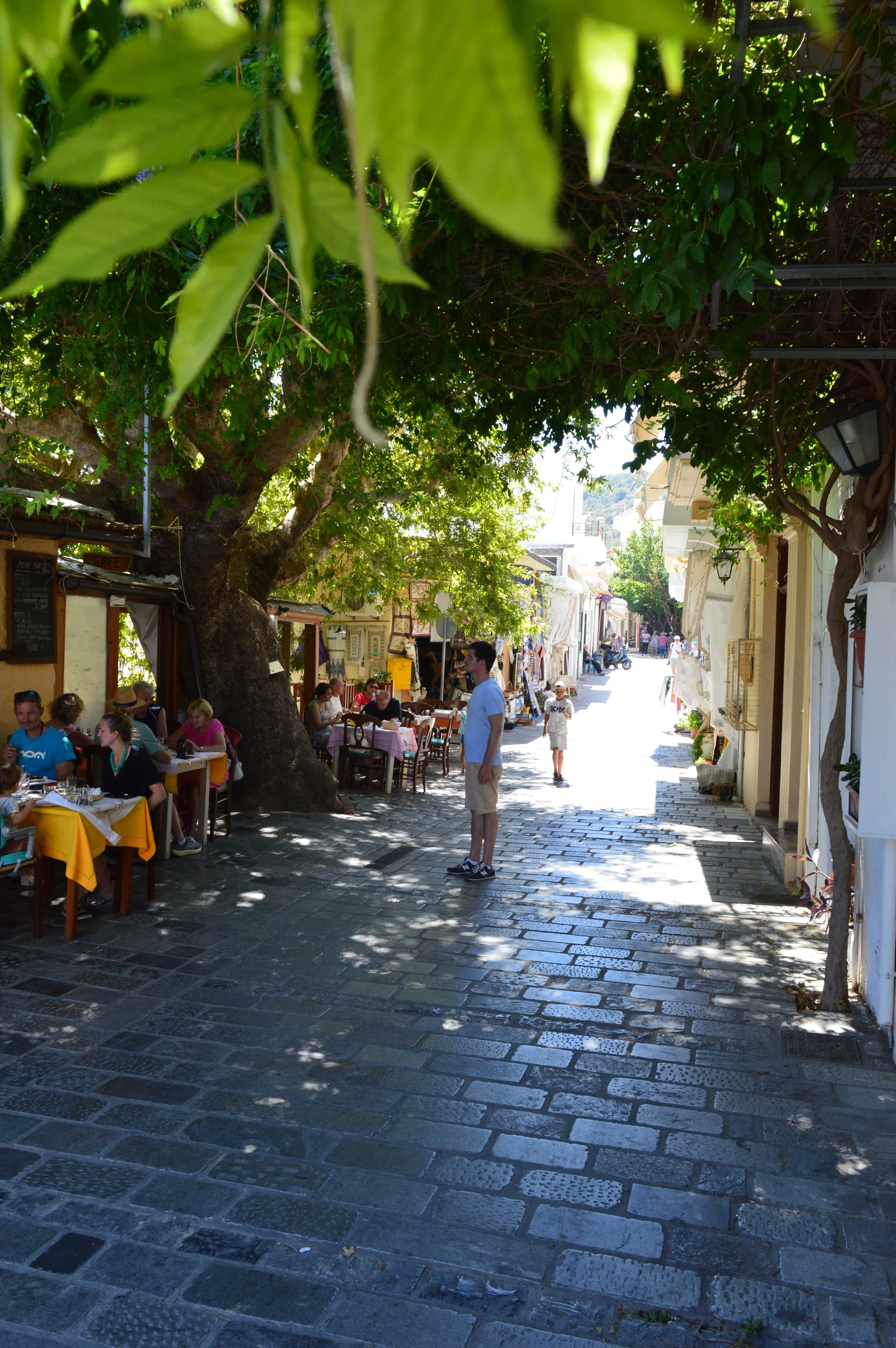
Kritsa sits on the slopes of Mount Dikti, looking down over Mirabello Bay. White houses climb the hillside, plane trees shade the main square, and the sound of church bells carries across the olive groves. It is only a short drive from Agios Nikolaos, but it feels like a different Crete: slower, quieter and more rooted in tradition.
Quick facts
Distance from Agios Nikolaos: about 10 km (roughly 15 minutes by car)
Best for: culture, crafts, food, photography
Time needed: half a day (4-5 hours), or a full day if you add the cooking class and Lato
Best time to visit: morning or late afternoon, when it is cooler and quieter
Parking: at the village entrance or the lower square
Why visit Kritsa
A traditional village that is still lived in, not only visited
A long craft tradition of embroidery, weaving and textiles
Byzantine frescoes, a herbal museum and an olive oil tasting within walking distance of each other
Easy access to a gorge and the ancient city of Lato
What to see and do
In the village centre
Everything below is within a few minutes’ walk of the main square, so you can see it all on foot.
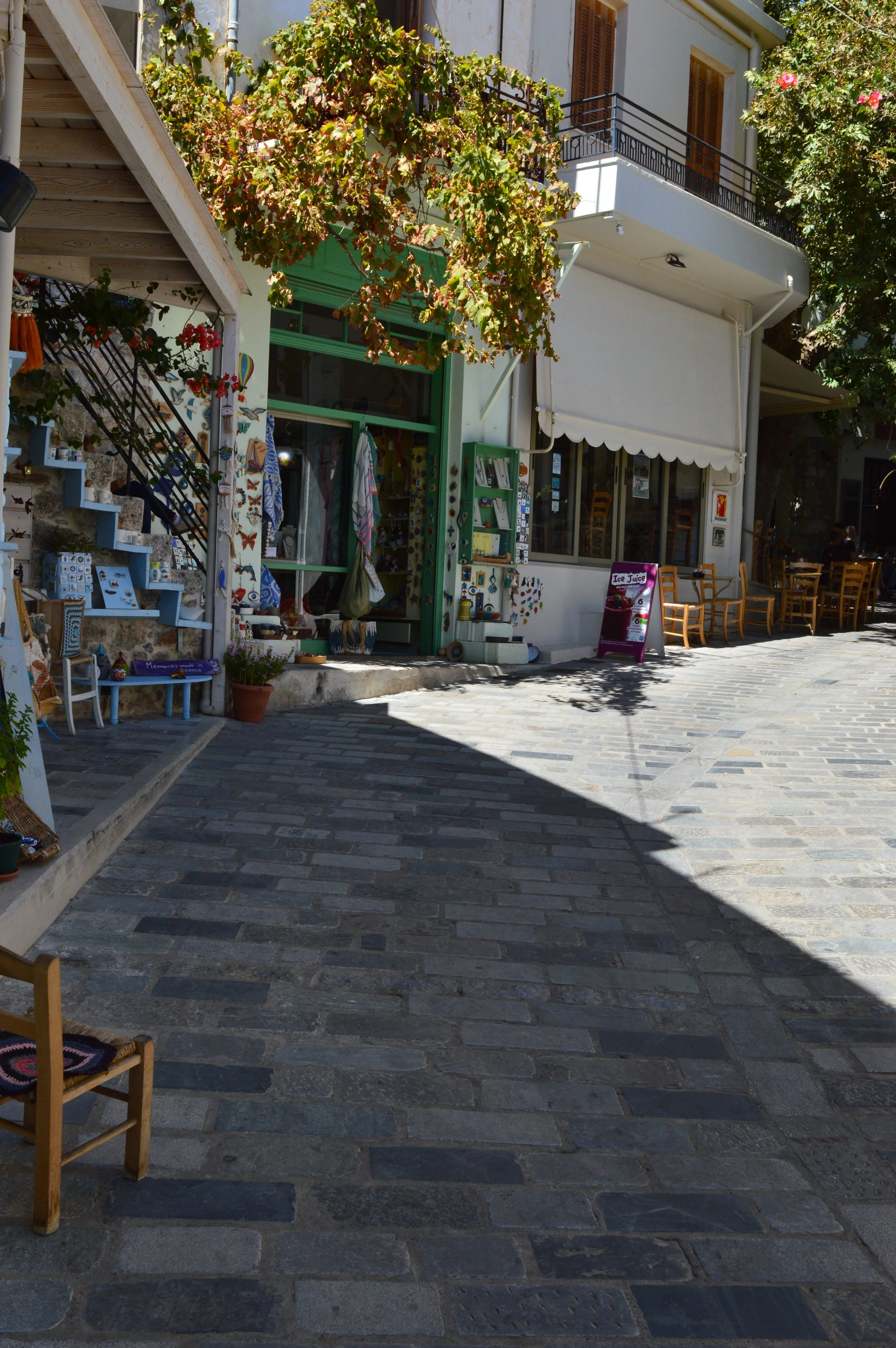
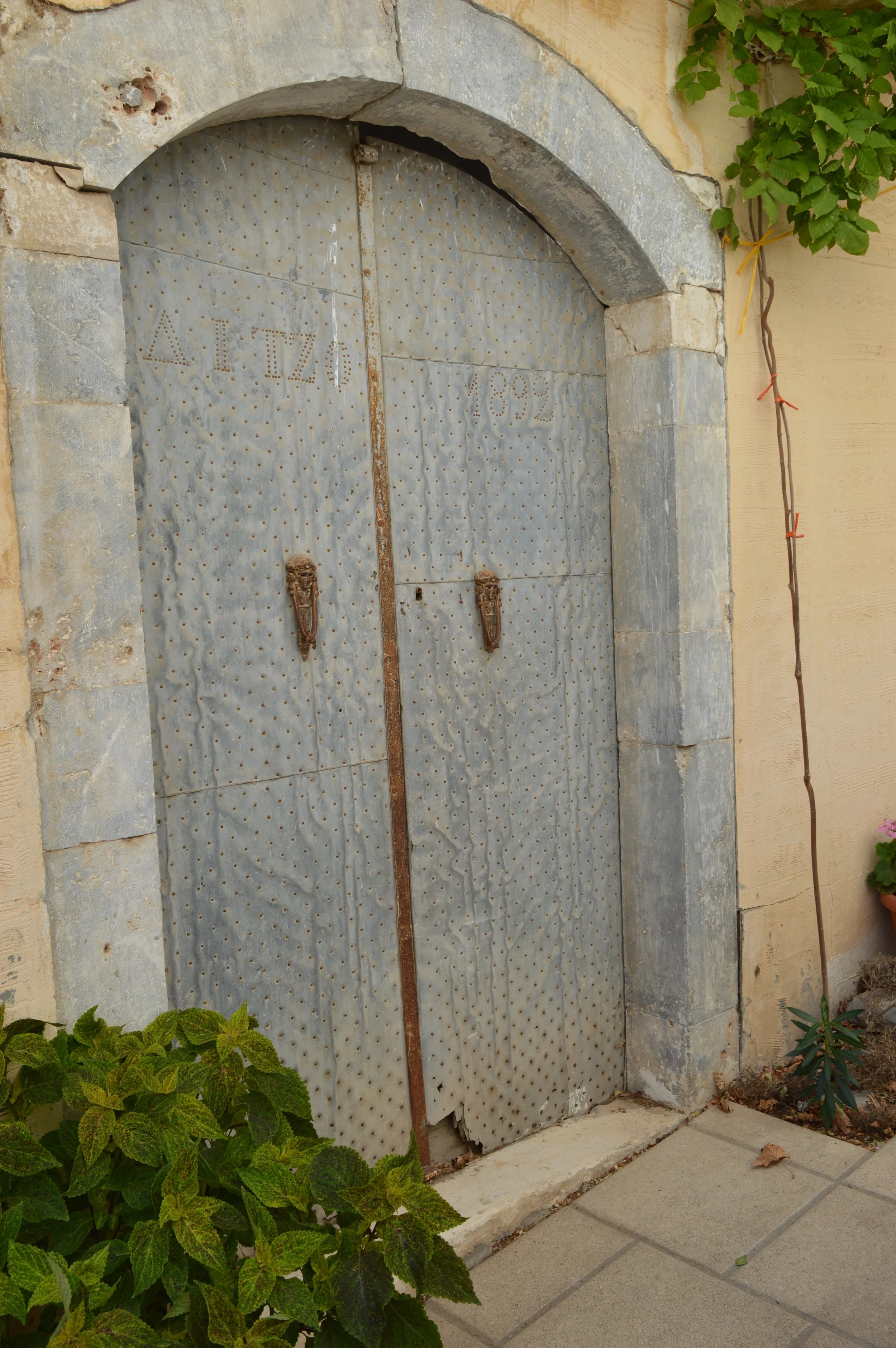
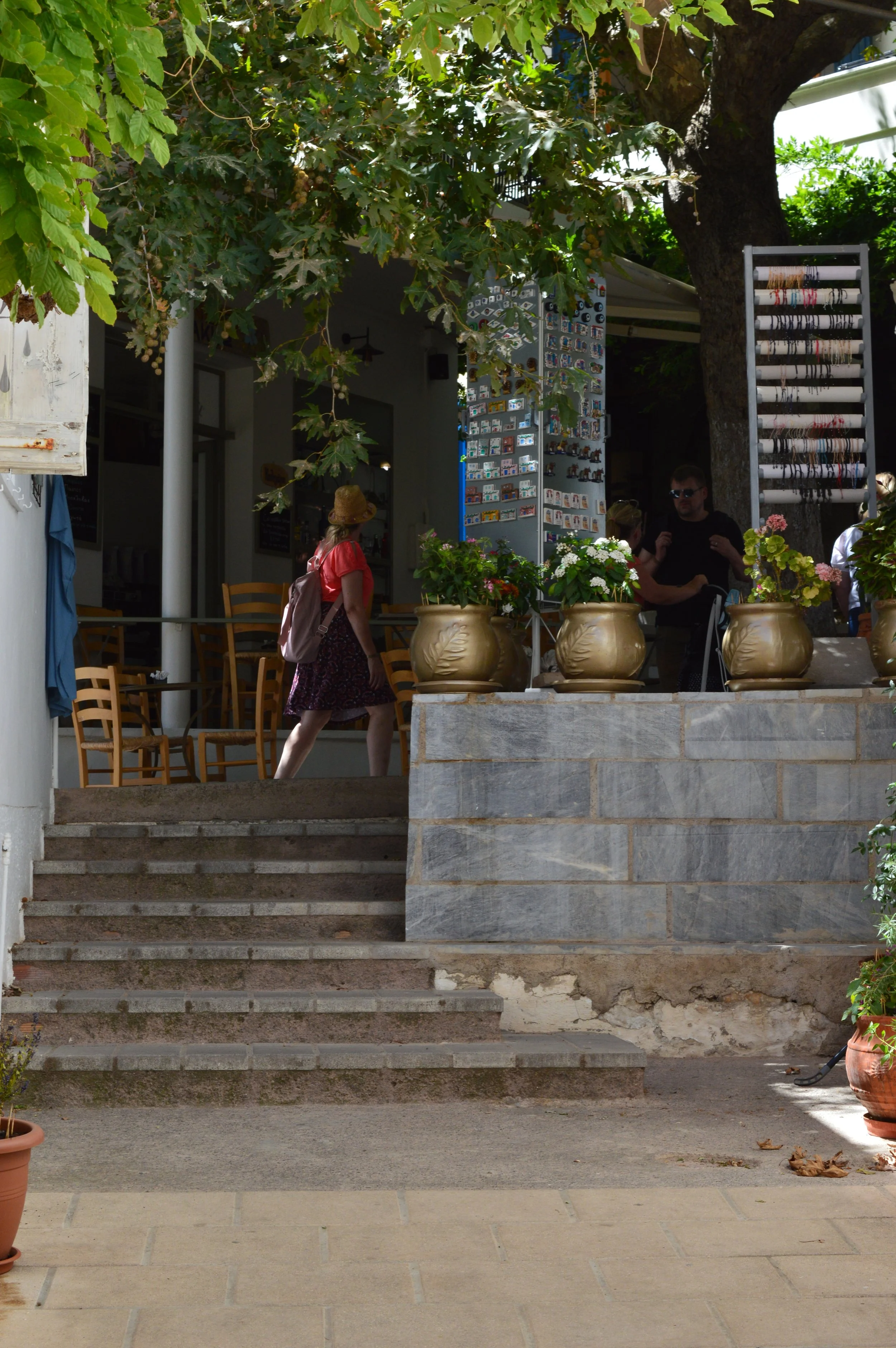
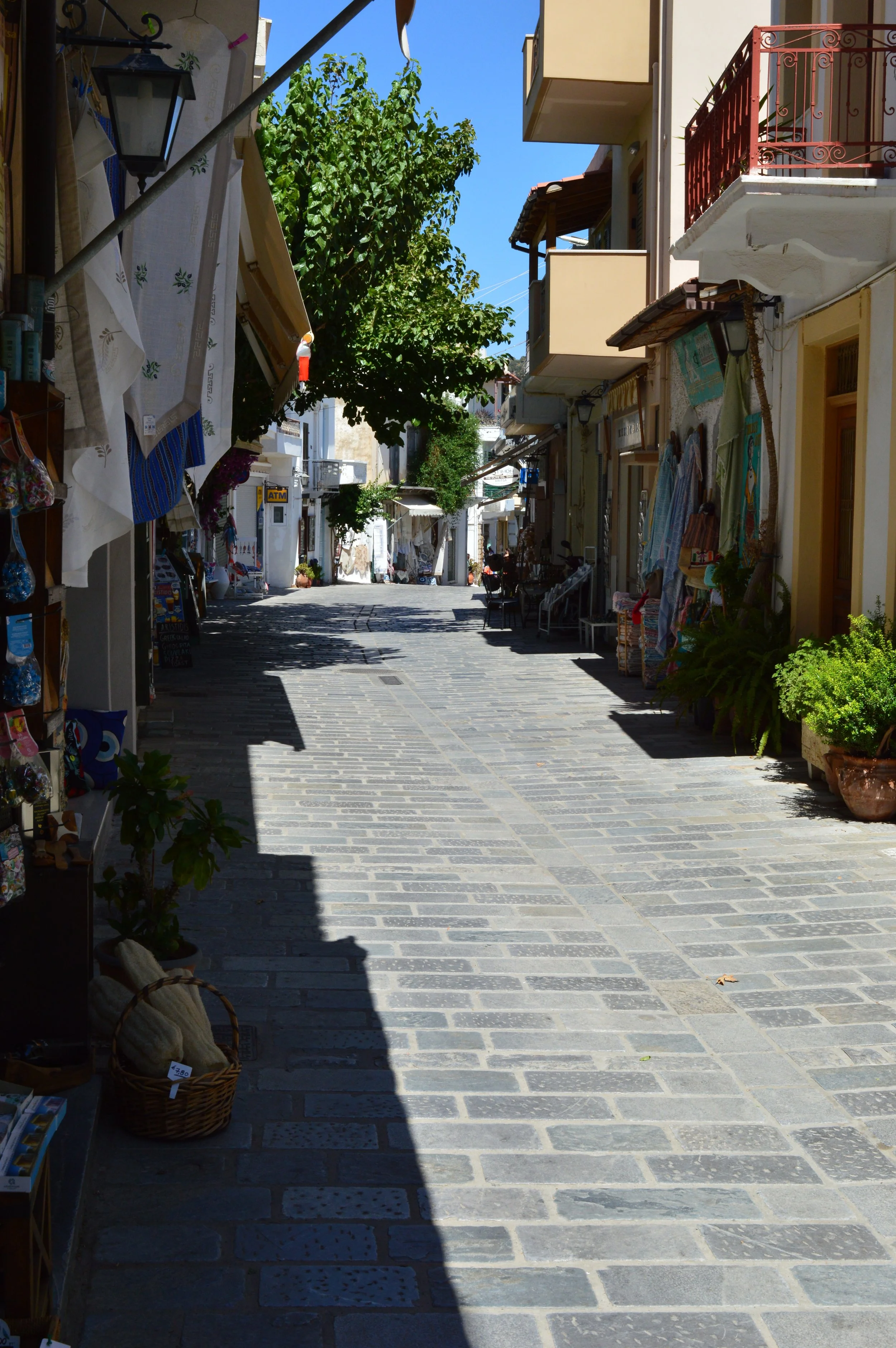
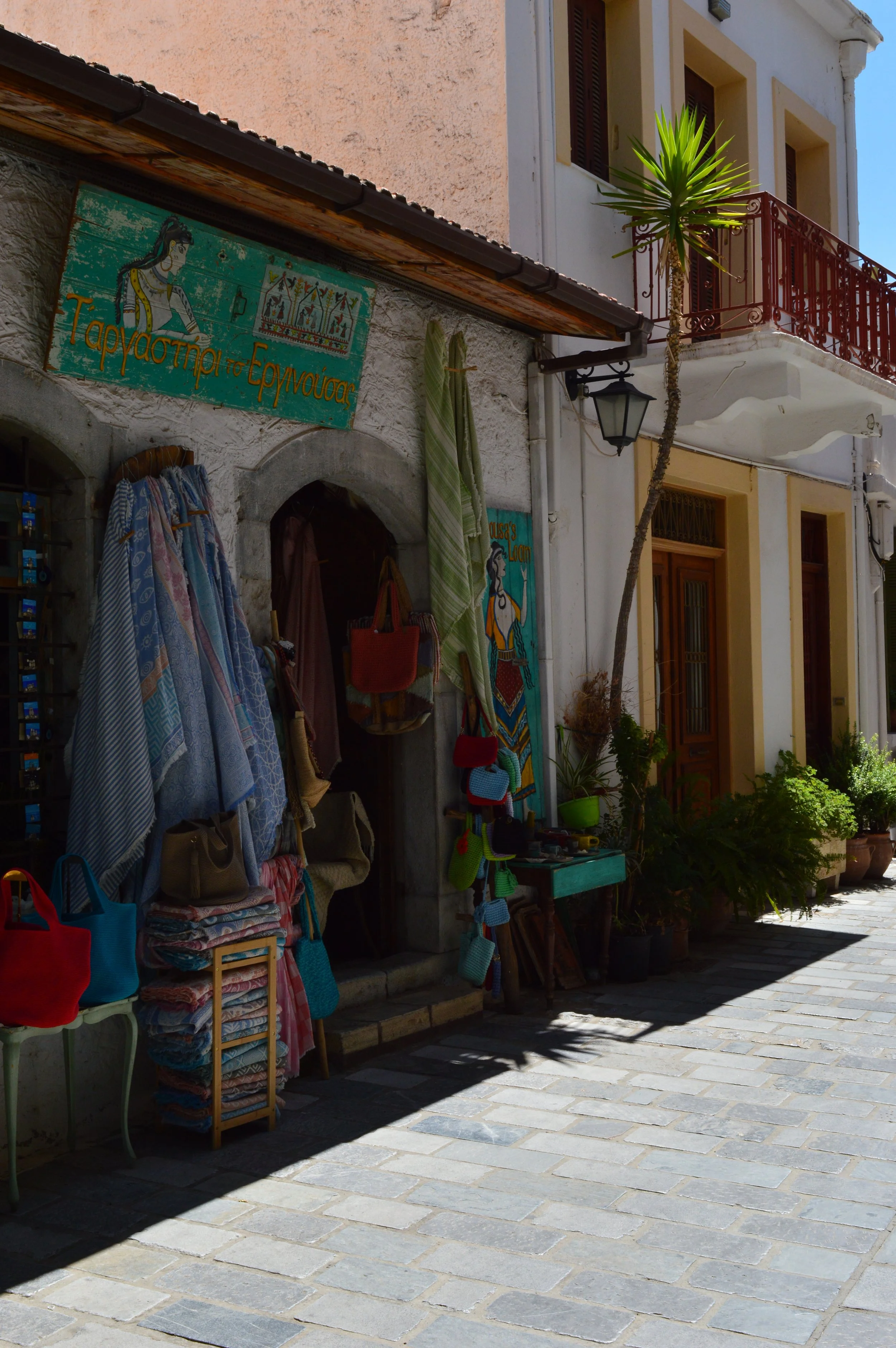
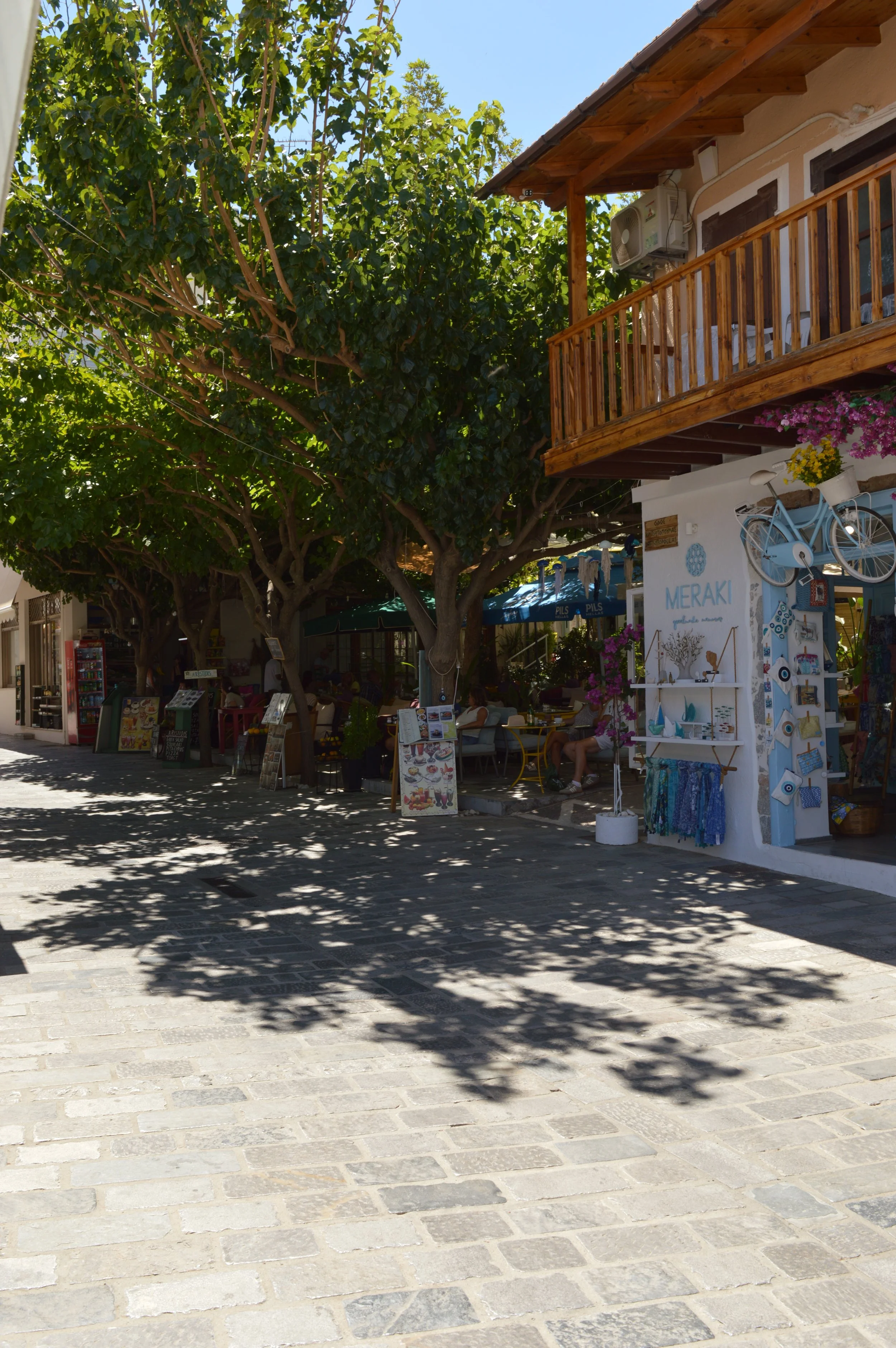
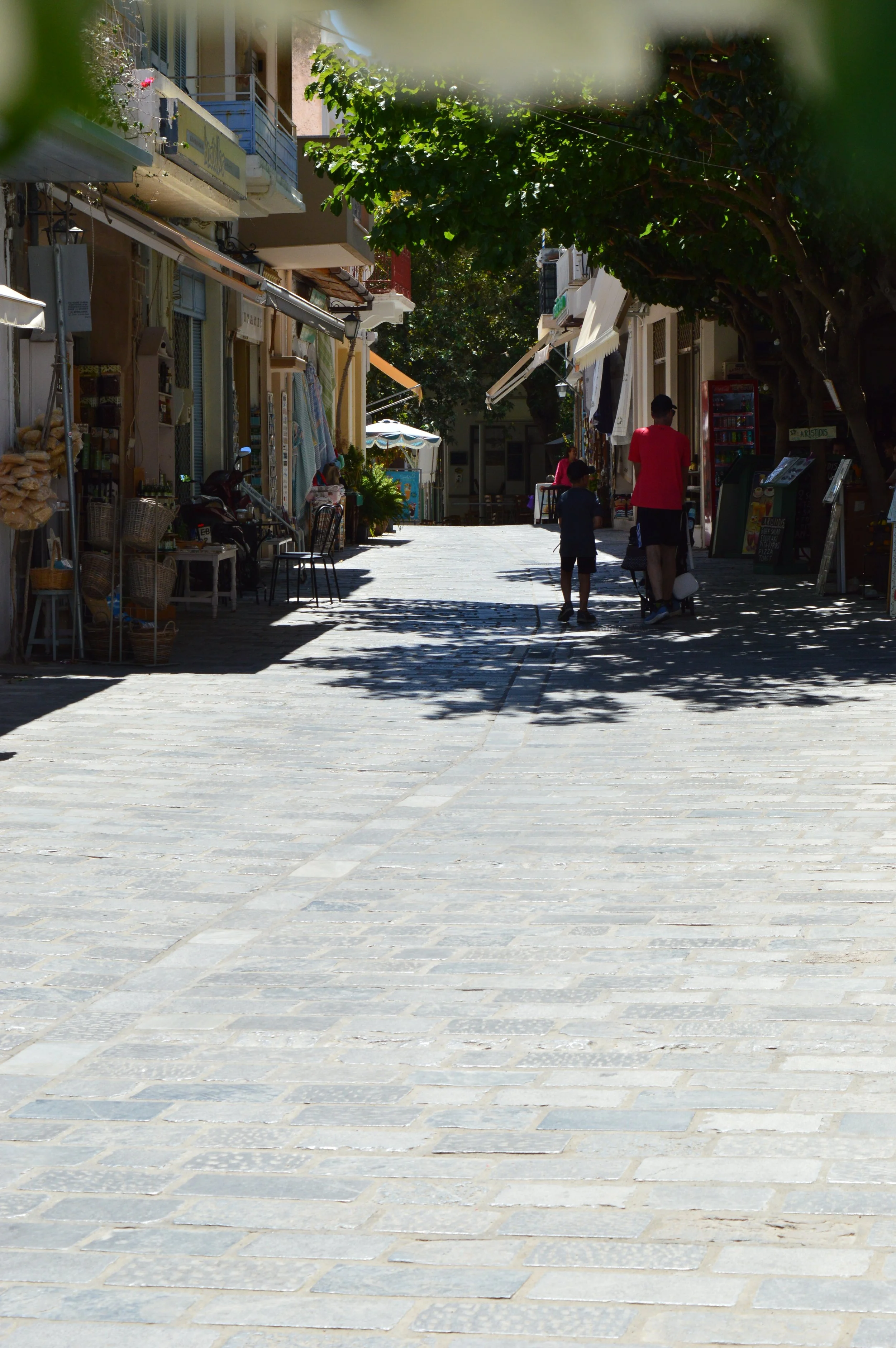
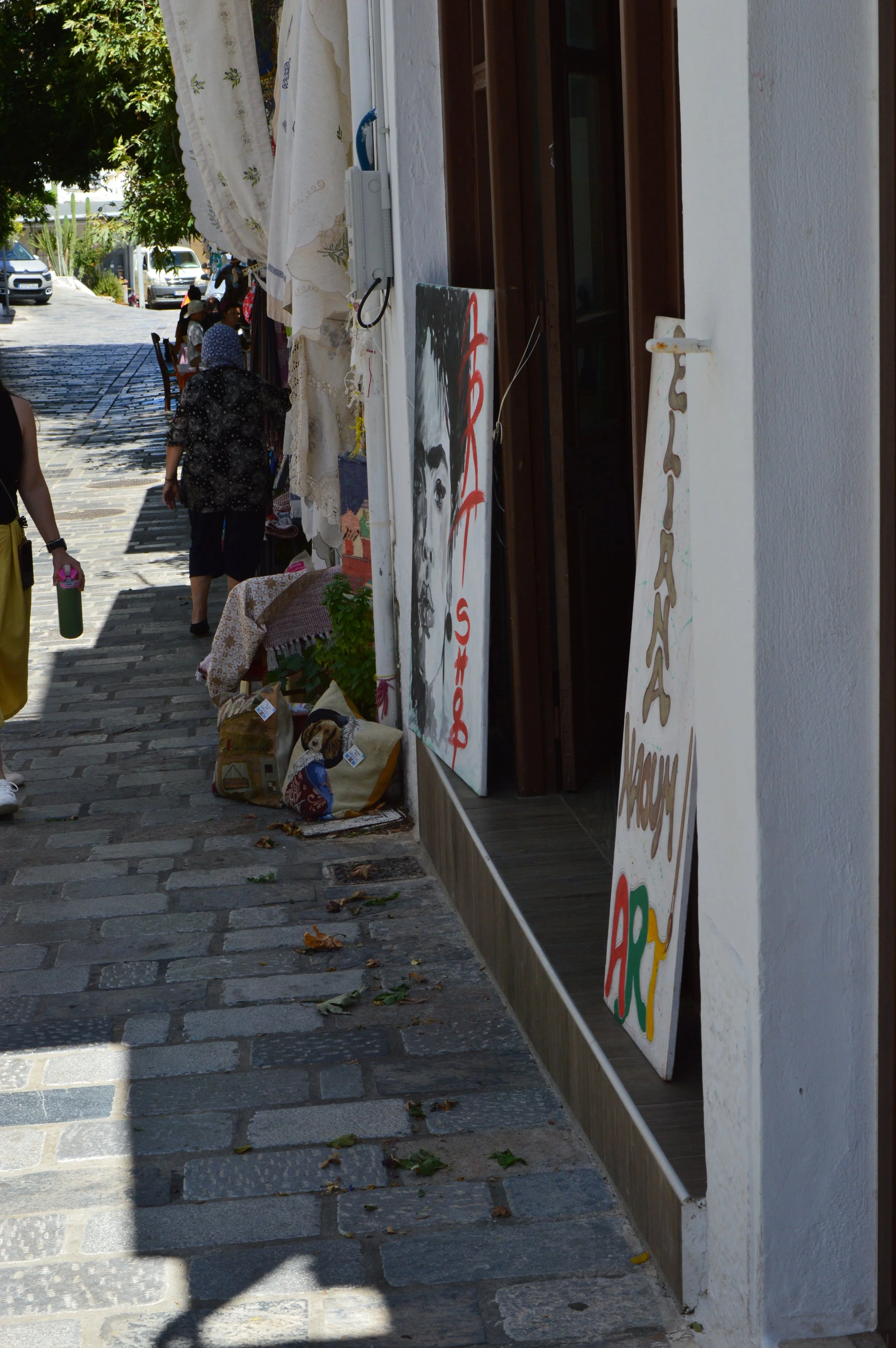
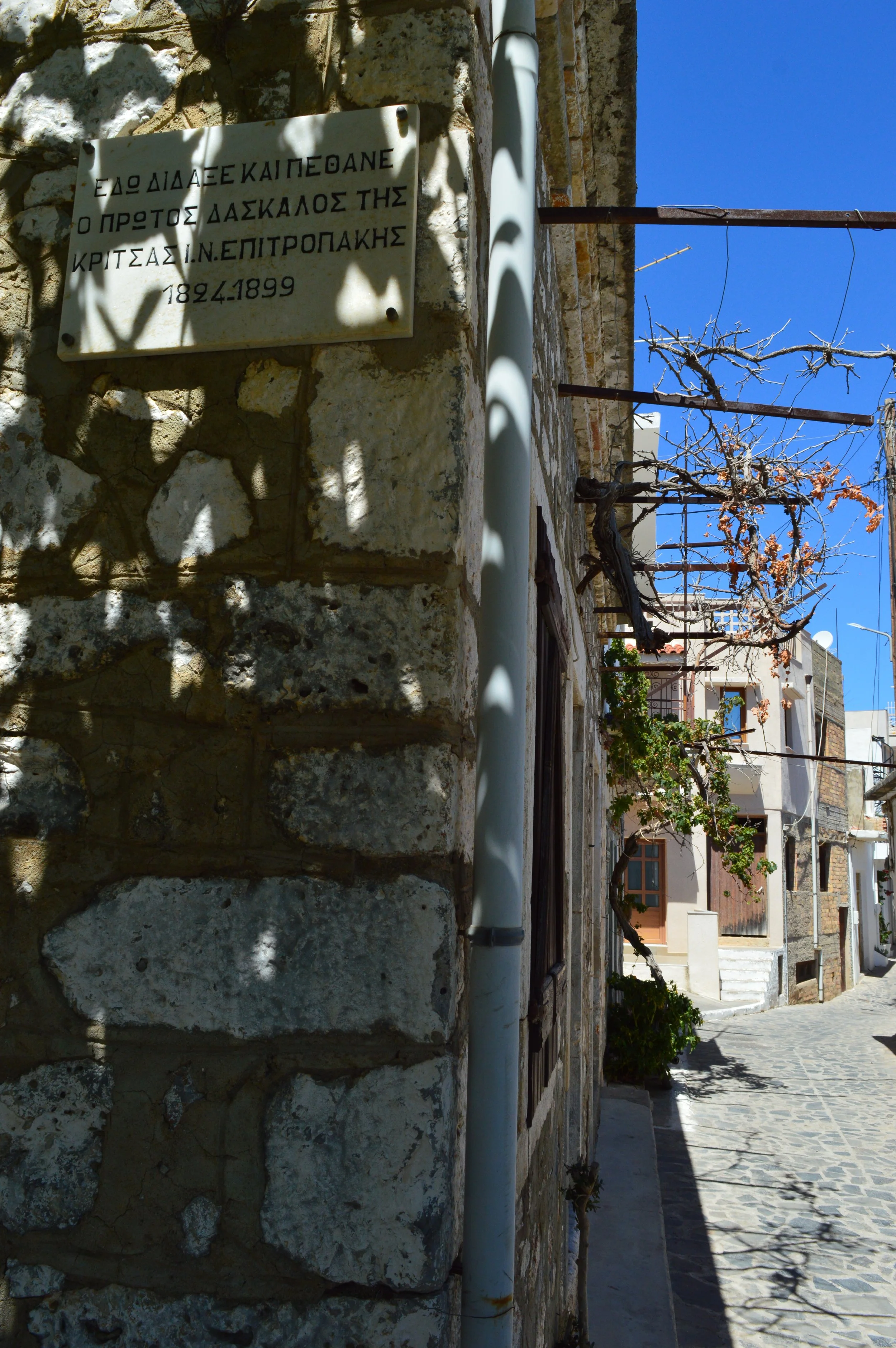
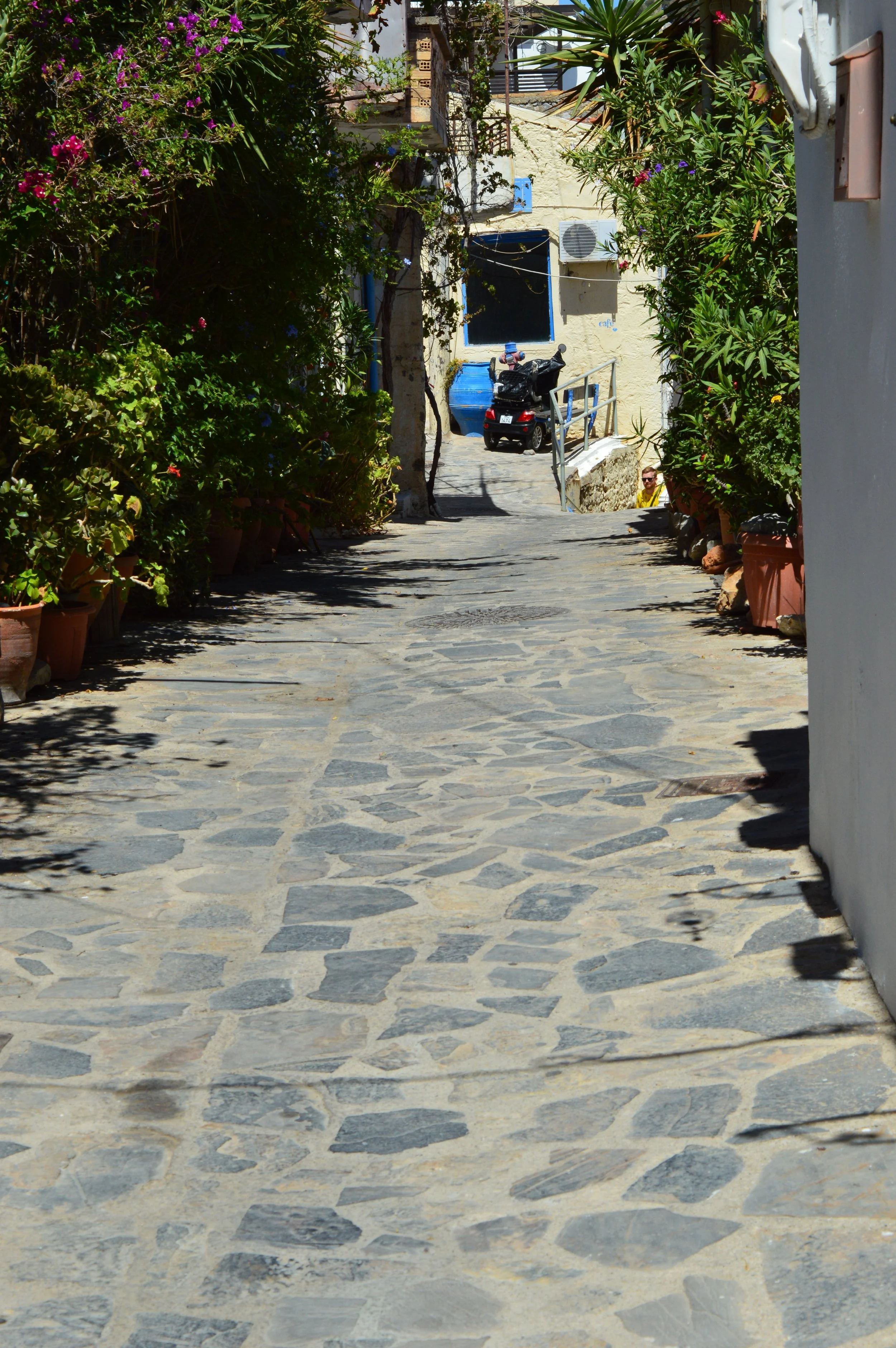
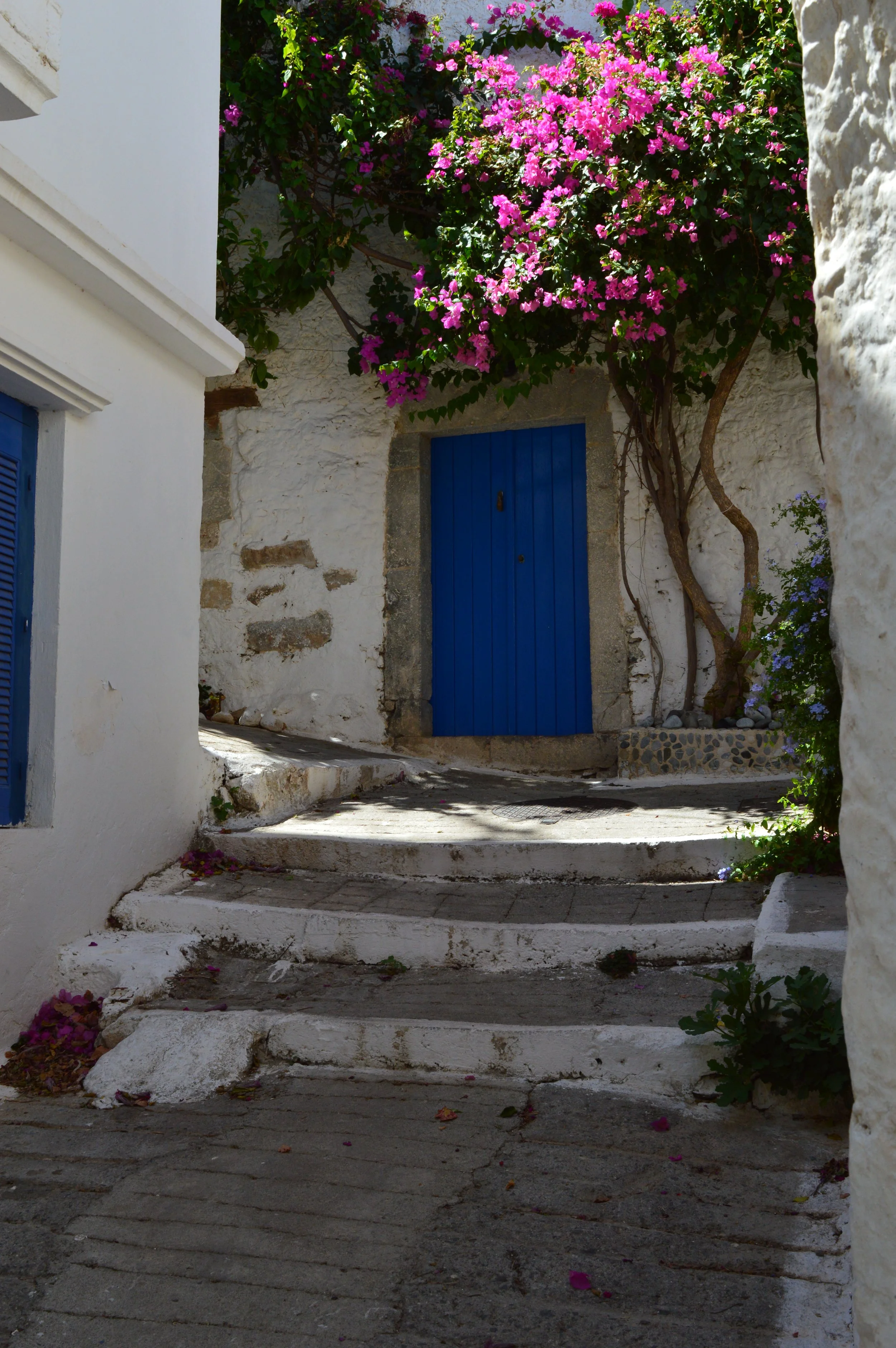
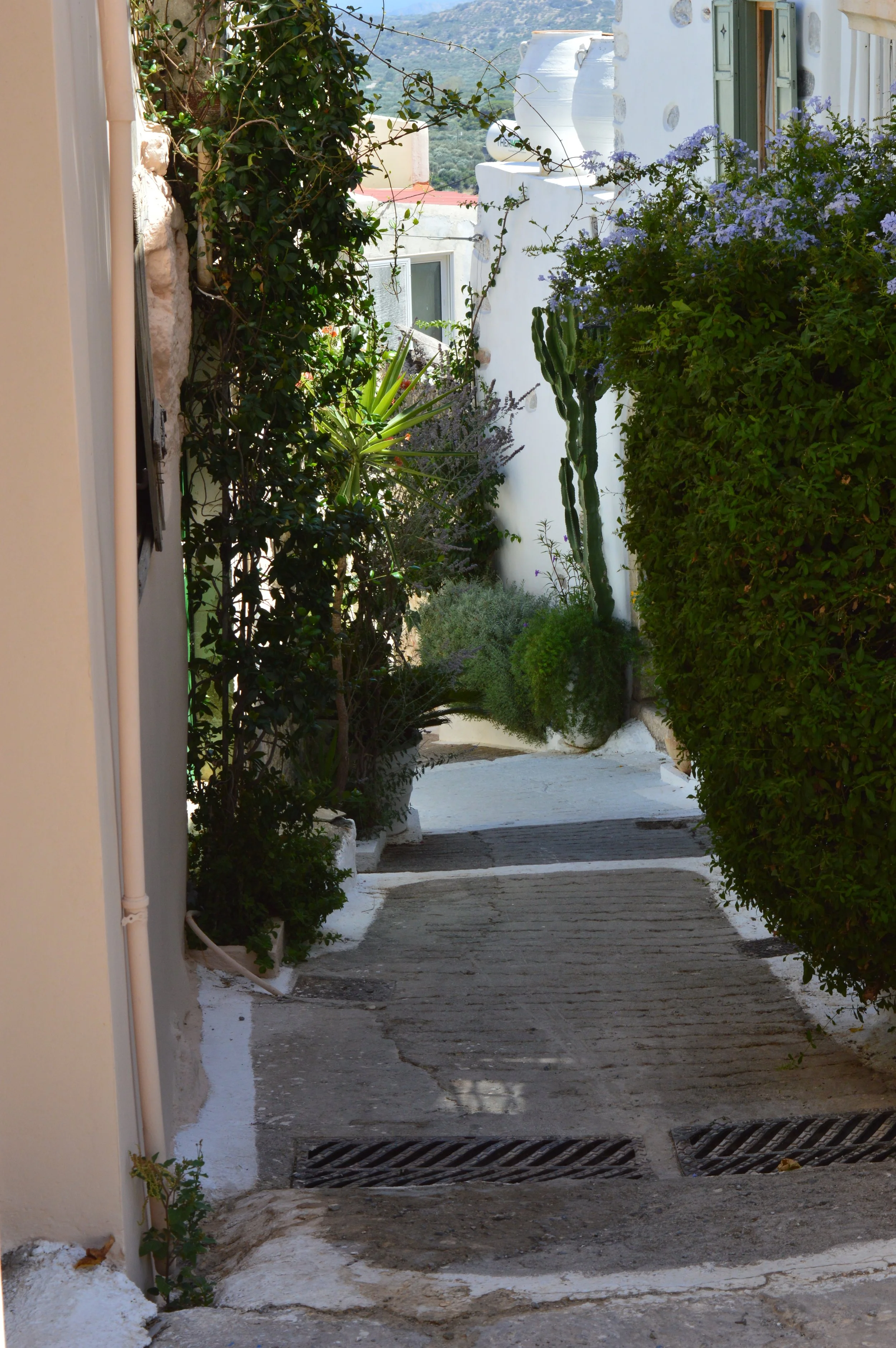
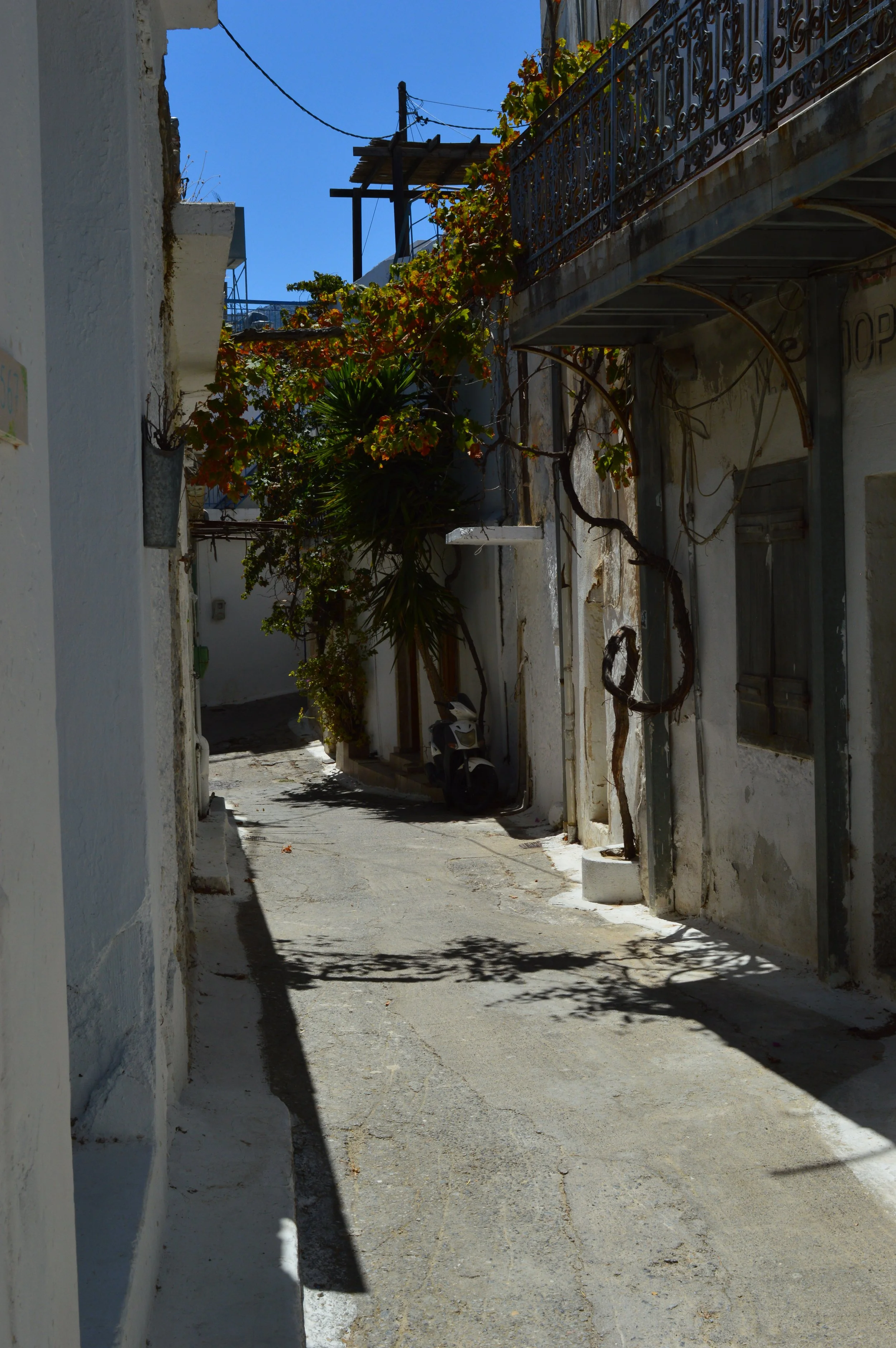
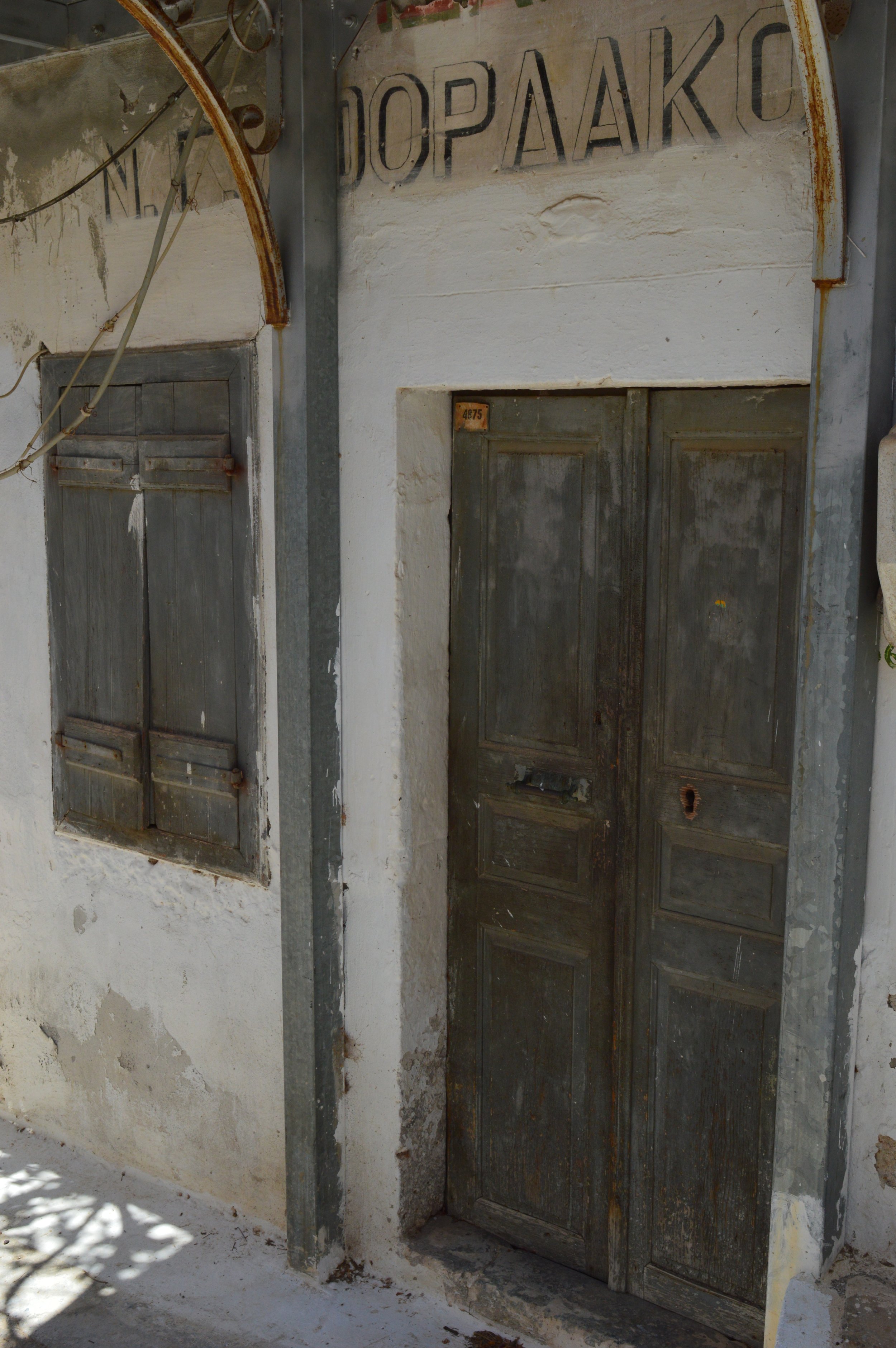
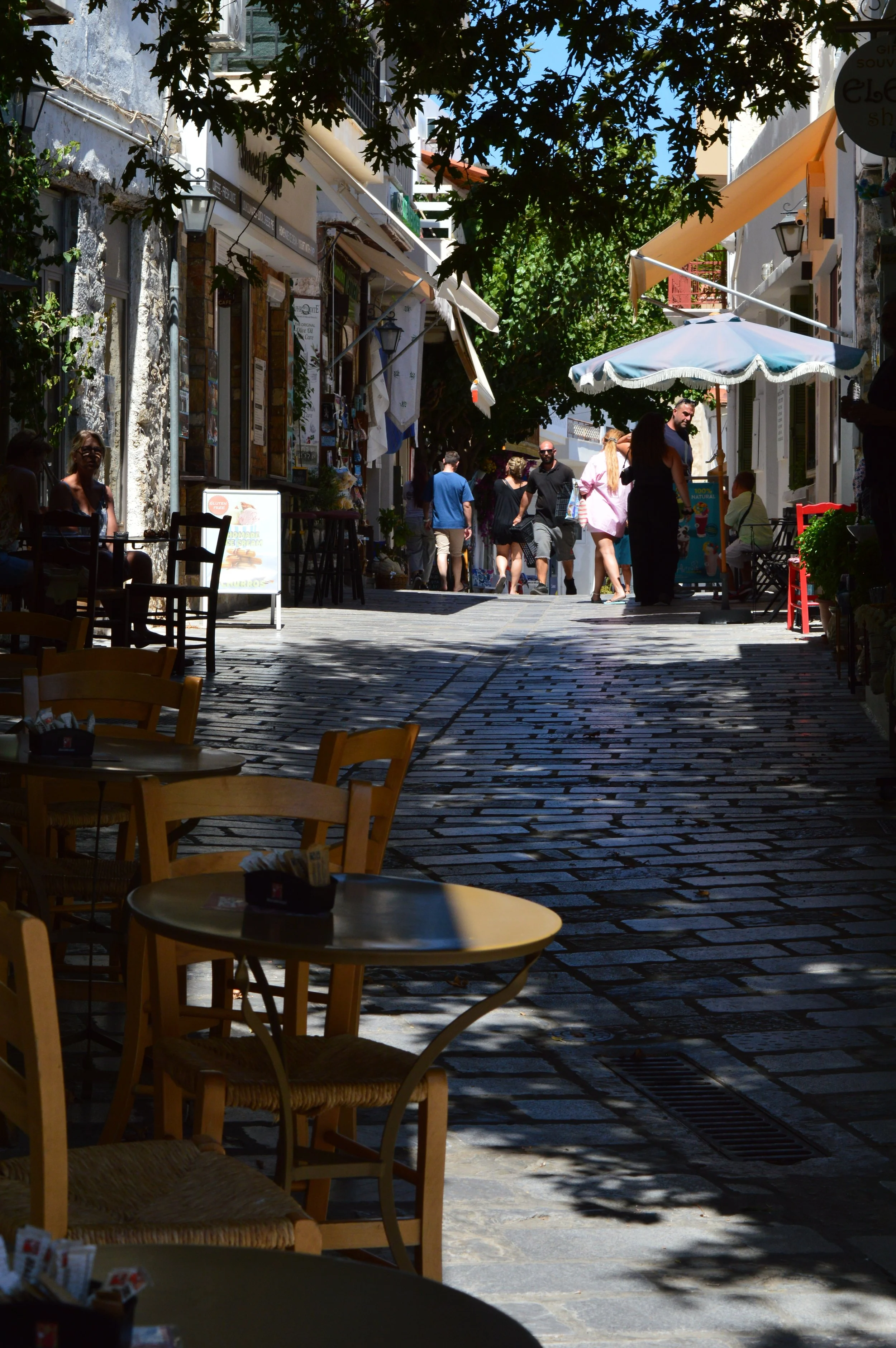
Wander the old lanes. Walk uphill from the main square and follow the narrow streets between whitewashed houses and flower-filled courtyards. Every turn opens a new view of the bay.
Visit the Women’s Cooperative of Kritsa (map). Local women make traditional baked goods here, following recipes handed down in the village. It is a good place to taste something homemade, pick up an edible souvenir and support the women of Kritsa directly.
Discover Xobli, the School of Weaving Tradition (map). Here you can learn how the traditional looms and patterns of Kritsa have been passed from one generation to the next. Ask whether they offer a demonstration, as the weaving is much more interesting when you see it being made.
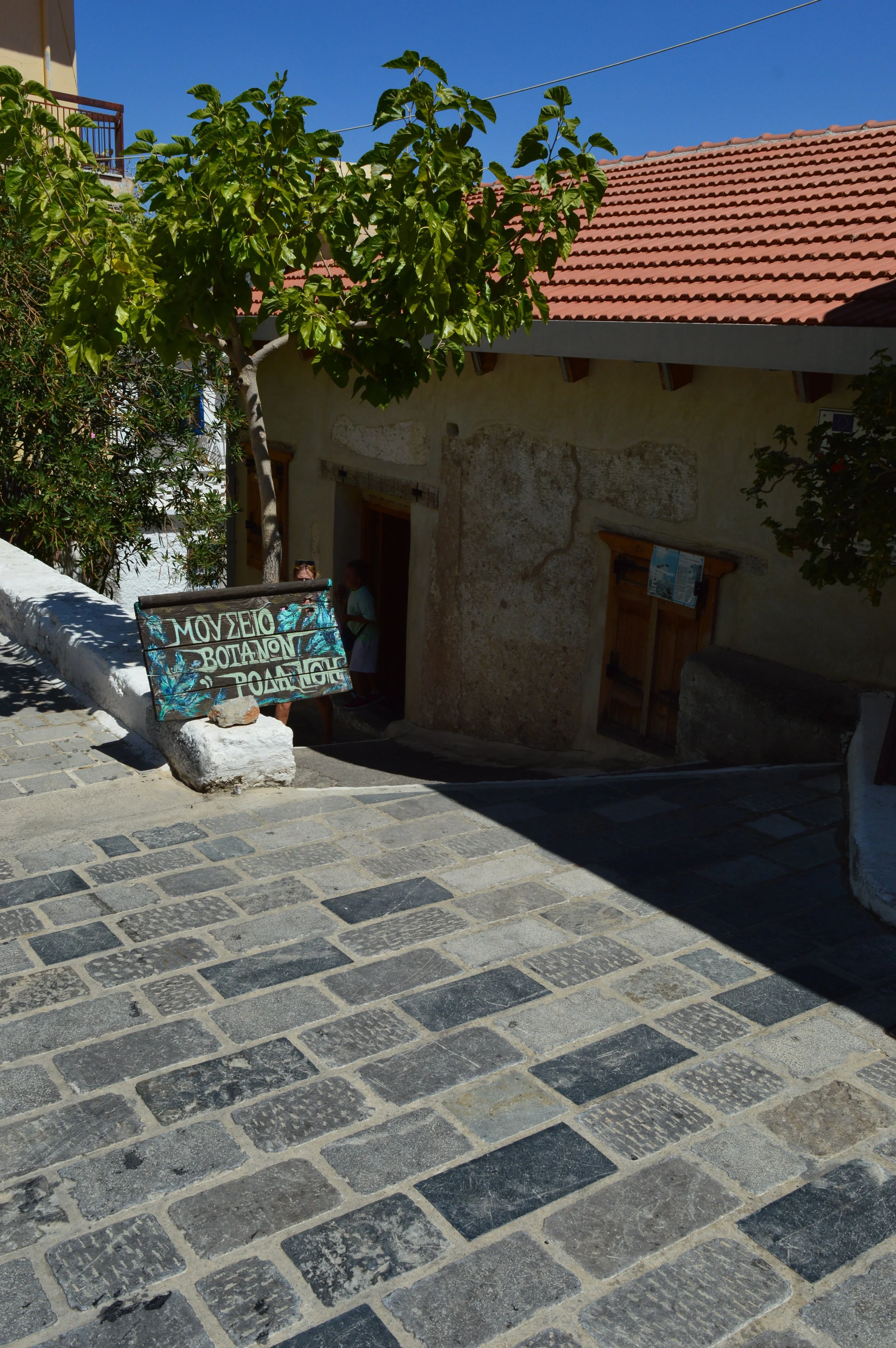
Step into the Herbal Museum (map). Crete’s mountains are full of wild herbs, and this small museum shows how they are used in cooking, teas and traditional remedies. It is a quiet, interesting stop that gives context to the food you will eat in the village.
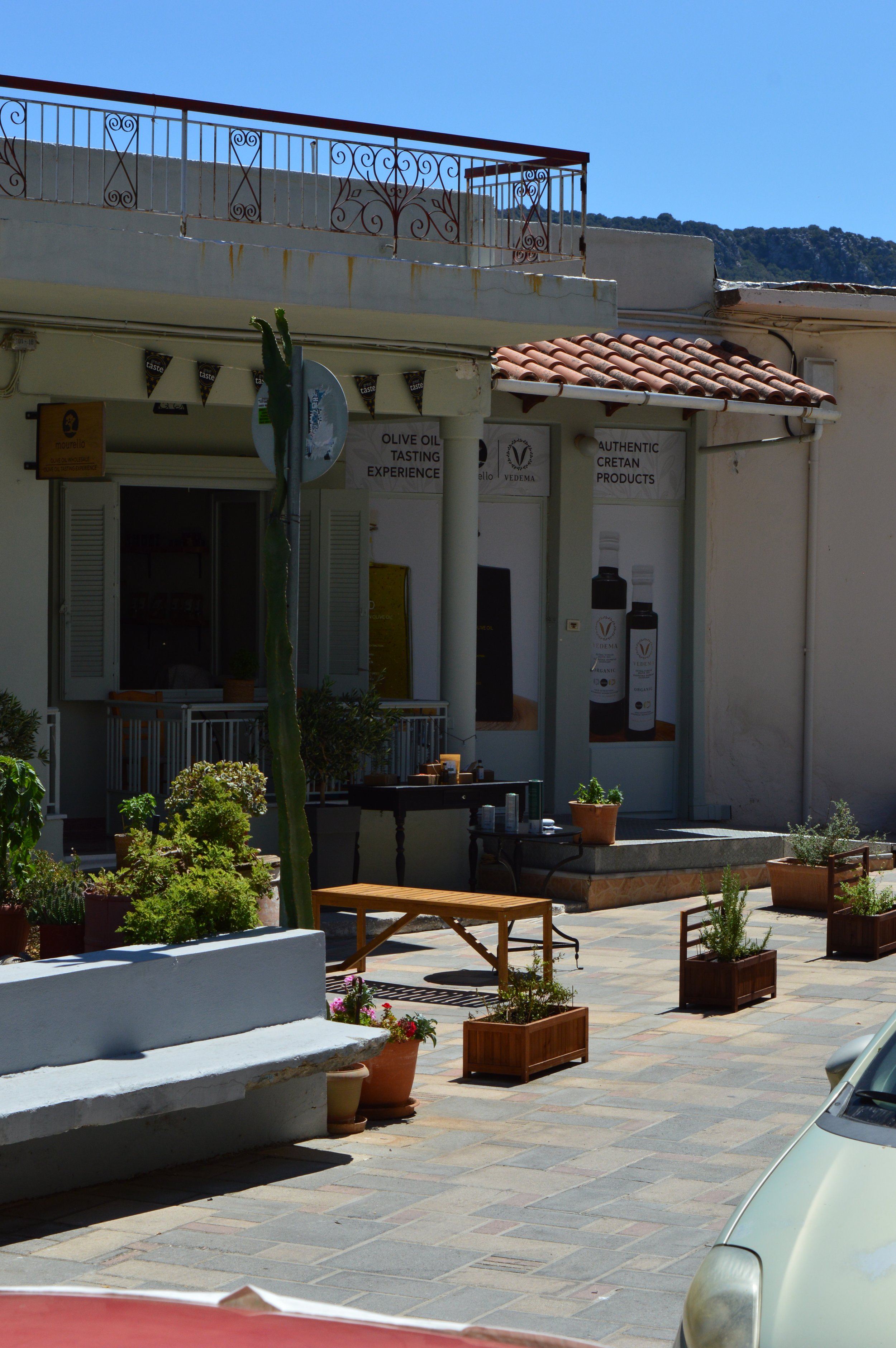
Taste olive oil at Vedema by Mourello (map). This olive oil boutique offers tastings, so you can compare different oils and learn what makes a good extra virgin olive oil. It is easy to take a bottle home. See also Mourello’s tastings and experiences.
On the edge of the village
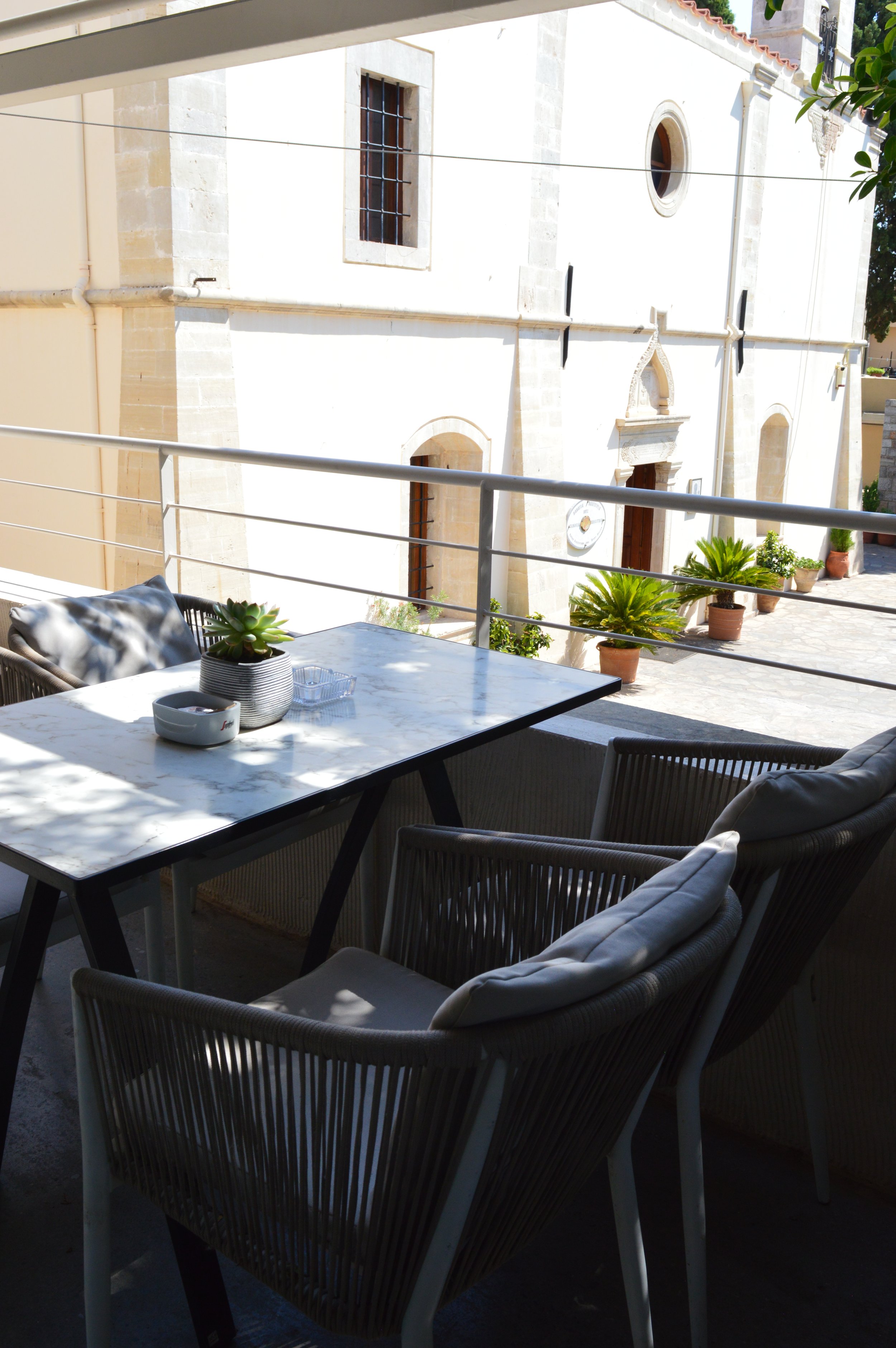
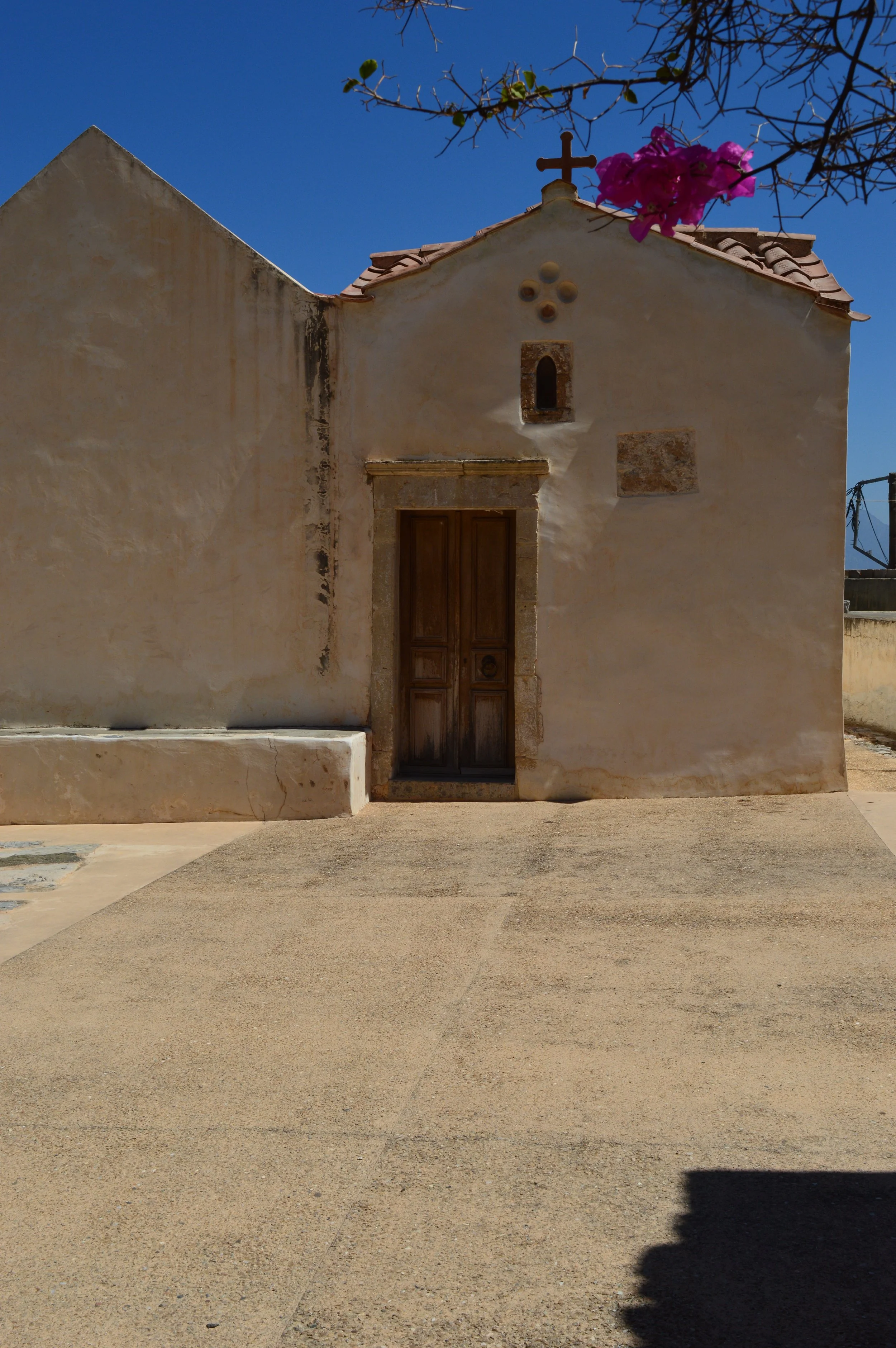
See the Byzantine frescoes of Panagia Kera (map). This is one of the most important medieval churches in Crete, with wall paintings from the 13th to 15th centuries. It is less than a kilometre from the village centre, so you can drive or walk. Check the opening hours before you go, as they change with the season, and dress respectfully (covered shoulders and knees).
Cook with a local at the Cretan Cooking Class (map). Right next to Panagia Kera, this hands-on class teaches you to prepare traditional Cretan dishes with local ingredients, and then you sit down to eat what you have made. It is the best way to take the flavours of Crete home with you. Book in advance, especially in high season. More details: Cretan Cooking Class in Kritsa.
Walk to Kritsa Gorge (map). Just north of the village, the gorge is a short, scenic walk through rock walls and wild vegetation. Wear sturdy shoes, bring water, and avoid the path after heavy rain.
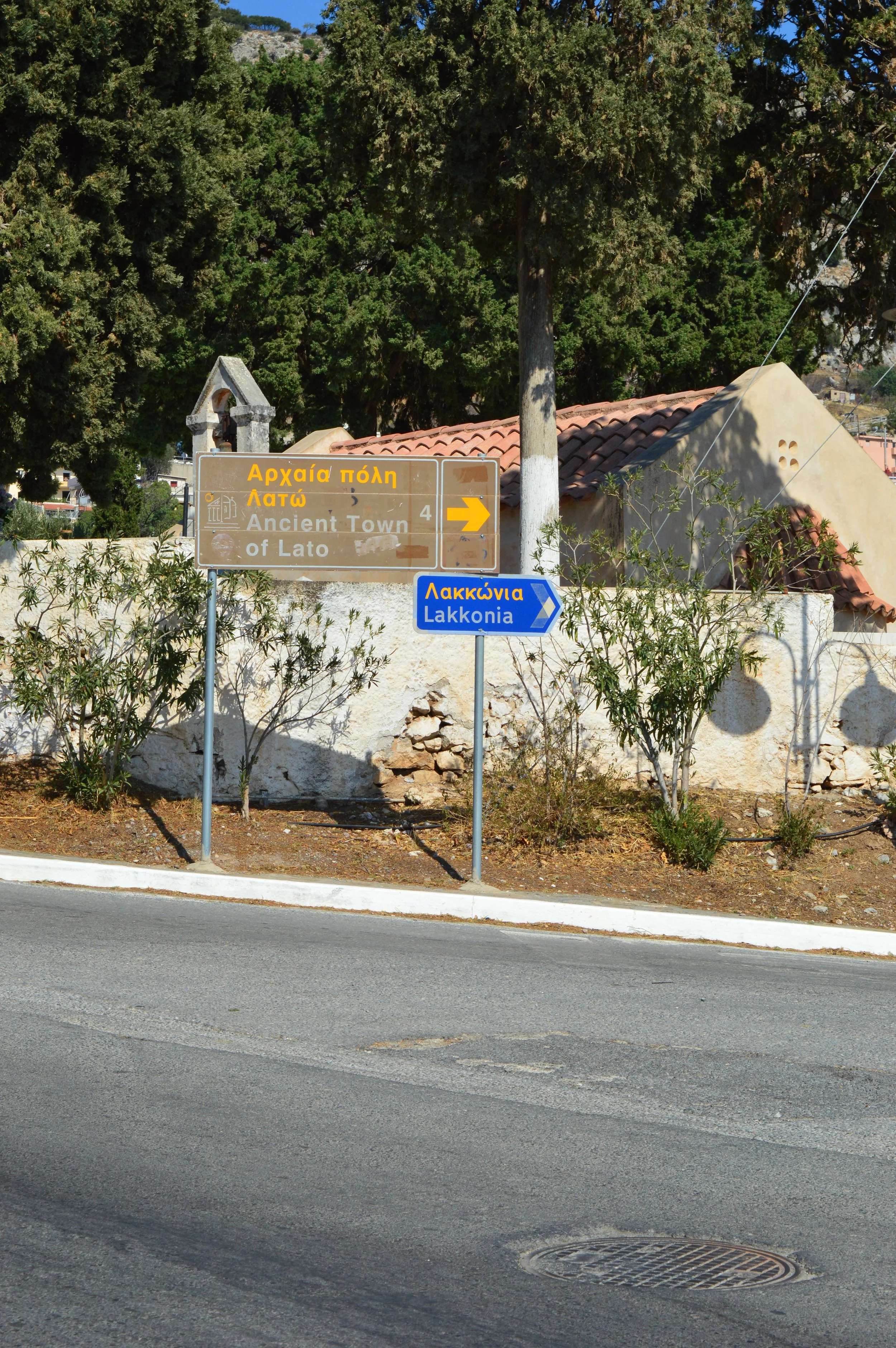
Add the ancient city of Lato. A short drive from the village, the site has sweeping views over the valley and the bay.
Suggested routes
Half-day route: culture and crafts
Morning: Panagia Kera, then park at the village entrance.
Late morning: Women’s Cooperative, Xobli and the Herbal Museum on foot.
Lunch: a taverna on the square, followed by an olive oil tasting at Vedema.
Afternoon: the gorge walk or the ancient city of Lato.
Half-day route: food focus
Morning: Herbal Museum and olive oil tasting at Vedema.
Late morning: Panagia Kera.
Midday: Cretan Cooking Class, where lunch is the dish you cook.
Eat and drink
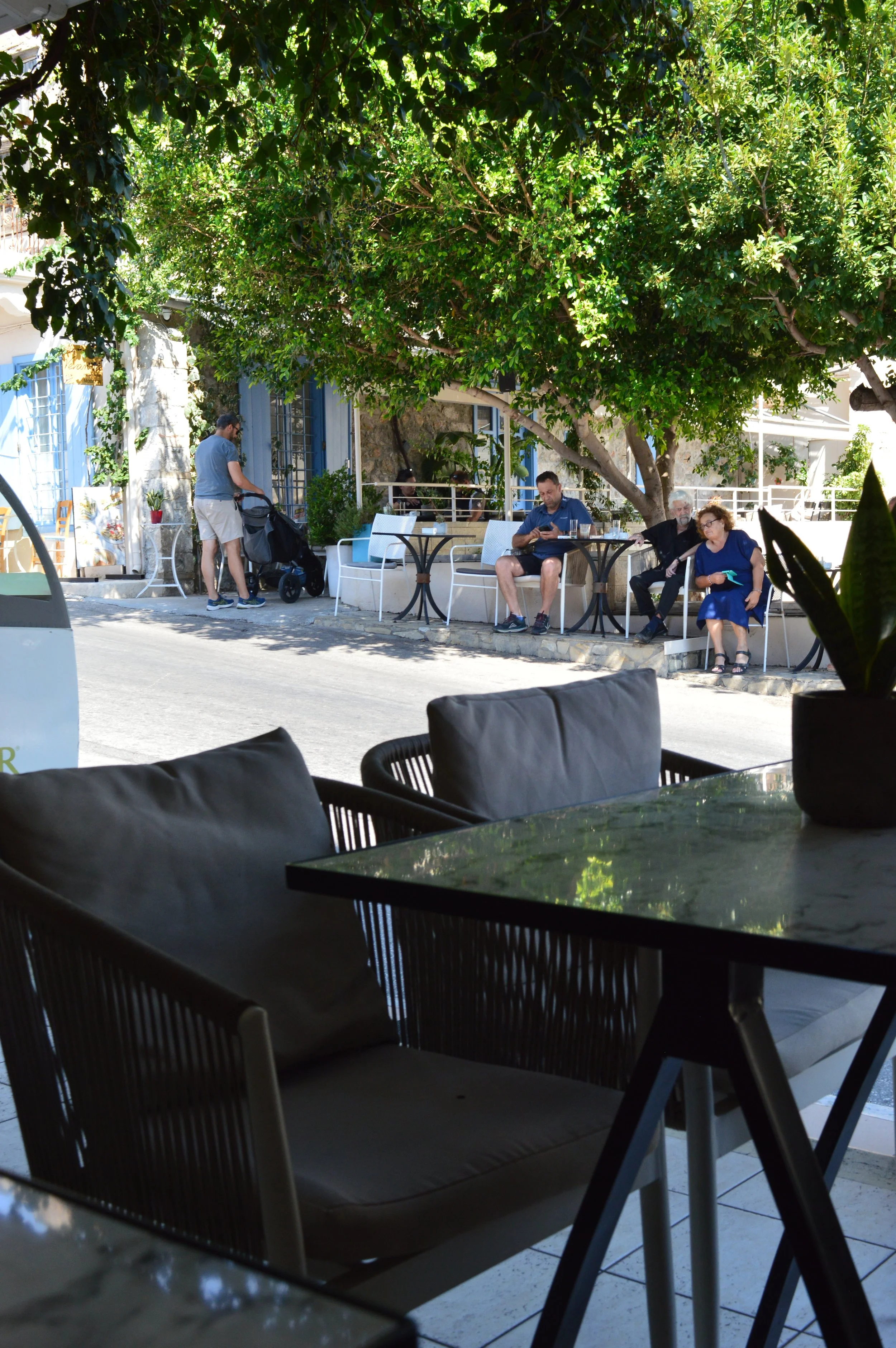
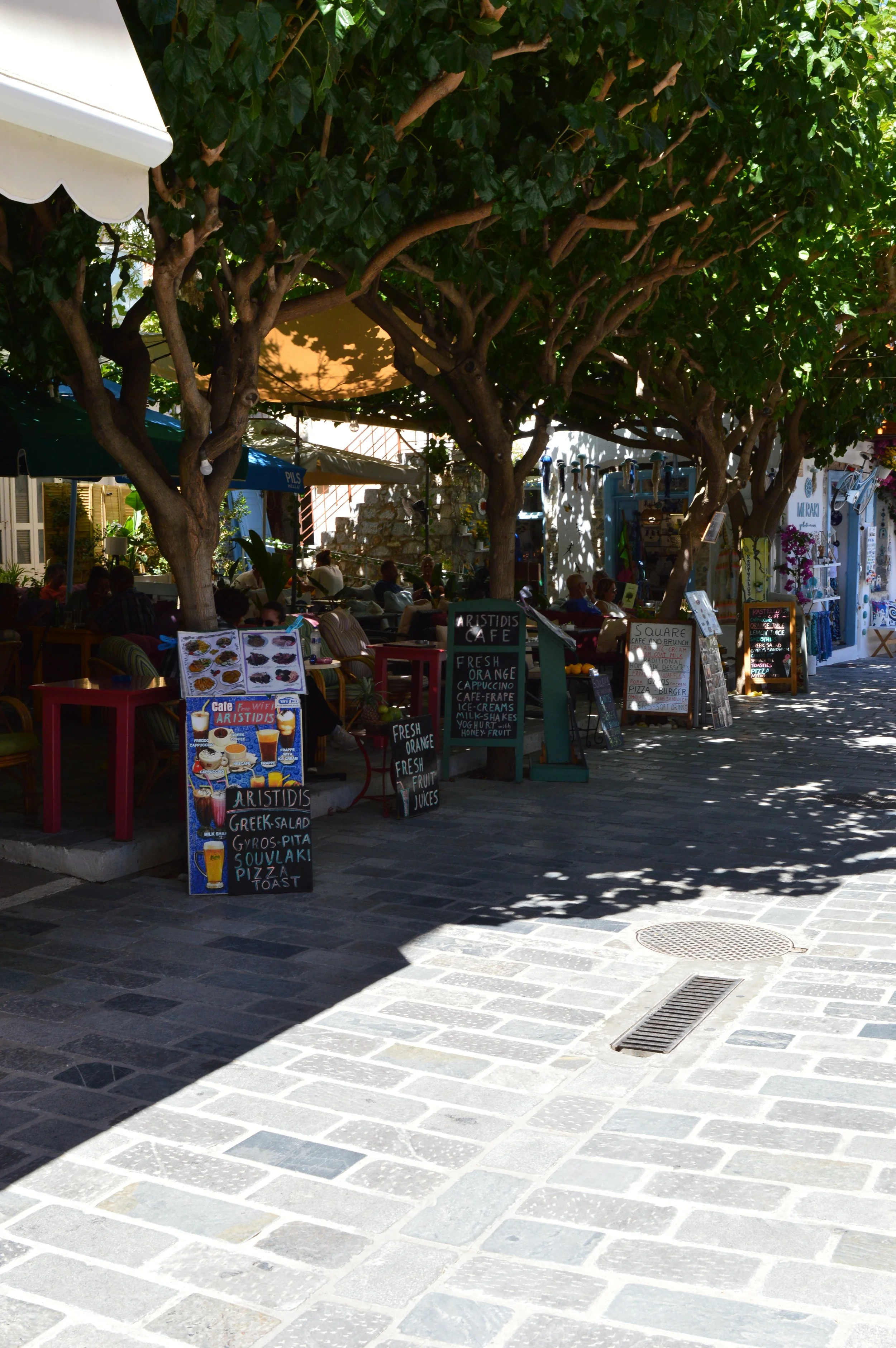
Kritsa is a good place for a long, unhurried lunch. Order the local classics: dakos, grilled lamb, stuffed vegetables and seasonal greens, followed by raki and a sweet from the cafe. Choose a taverna with a terrace and sit at the table with the best view.
Local tips
Wear comfortable shoes. The village streets are steep and uneven.
Some small shops and museums close for a break in the early afternoon, so plan your visits for the morning where you can.
Dress respectfully when entering churches: covered shoulders and knees.
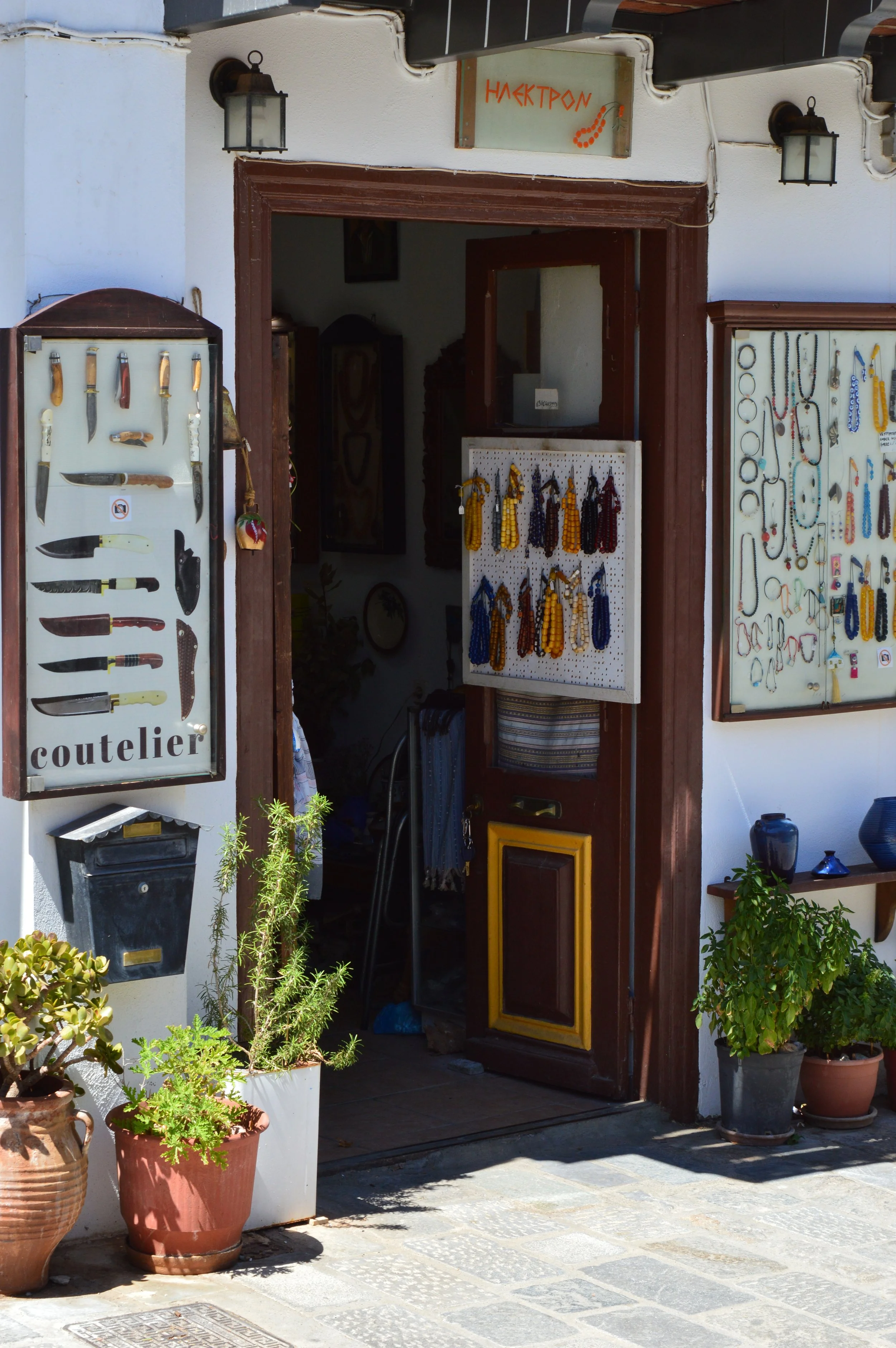
Buy crafts in the shop or workshop where they are made. It supports the local families directly.
Getting there
By car: follow the signs from Agios Nikolaos toward Kritsa. The road is paved and well maintained.
By bus: local KTEL buses run between Agios Nikolaos and Kritsa. Check the current timetable before you go.
By taxi or private tour: easy to arrange from Agios Nikolaos.
Frequently asked questions
How far is Kritsa from Agios Nikolaos?
About 10 km, or roughly 15 minutes by car.
How much time do I need in Kritsa?
Two to three hours is enough for a walk and a coffee. Allow half a day if you want to visit the church, the workshops and a tasting, and a full day with the cooking class and Lato.
Is Kritsa worth visiting?
Yes. It is one of the most authentic villages in the area, with living crafts, Byzantine art and good local food, all close to the coast.
Can I visit Kritsa with a guide?
Yes. See our Kritsa Village Cultural Walking Tour for a guided experience.
Nearby: build your day
Combine Kritsa with Kroustas for a village lunch.
Finish the day at Voulisma Beach for a swim.
Explore more of the area in our Villages around Agios Nikolaos guide.
Visit Kritsa with a local guide
Kritsa Village Cultural Walking Tour
Kritsa and Kroustas Village, Loom Workshop and Agios Nikolaos Experience
Kritsa and Kroustas Village, Herbal Museum and Agios Nikolaos Experience
Kritsa Village and Mountain House “Metochi” Cooking Experience
Explore more in our guide to the Villages around Agios Nikolaos.
Last updated: October 2026