Lasithi Plateau
A Mountain Landscape in Eastern Crete
Lasithi Plateau – A Mountain Landscape in Eastern Crete
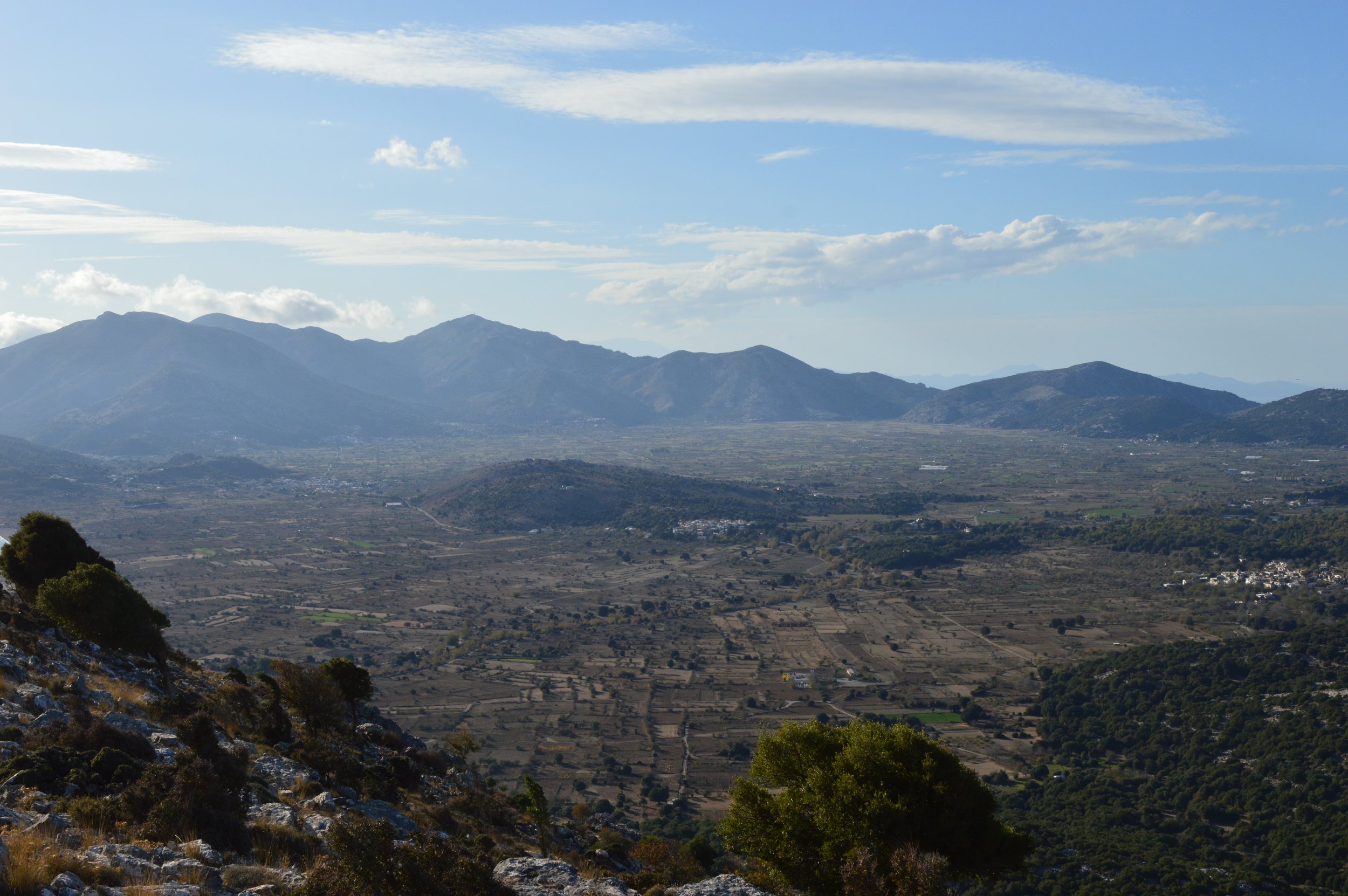
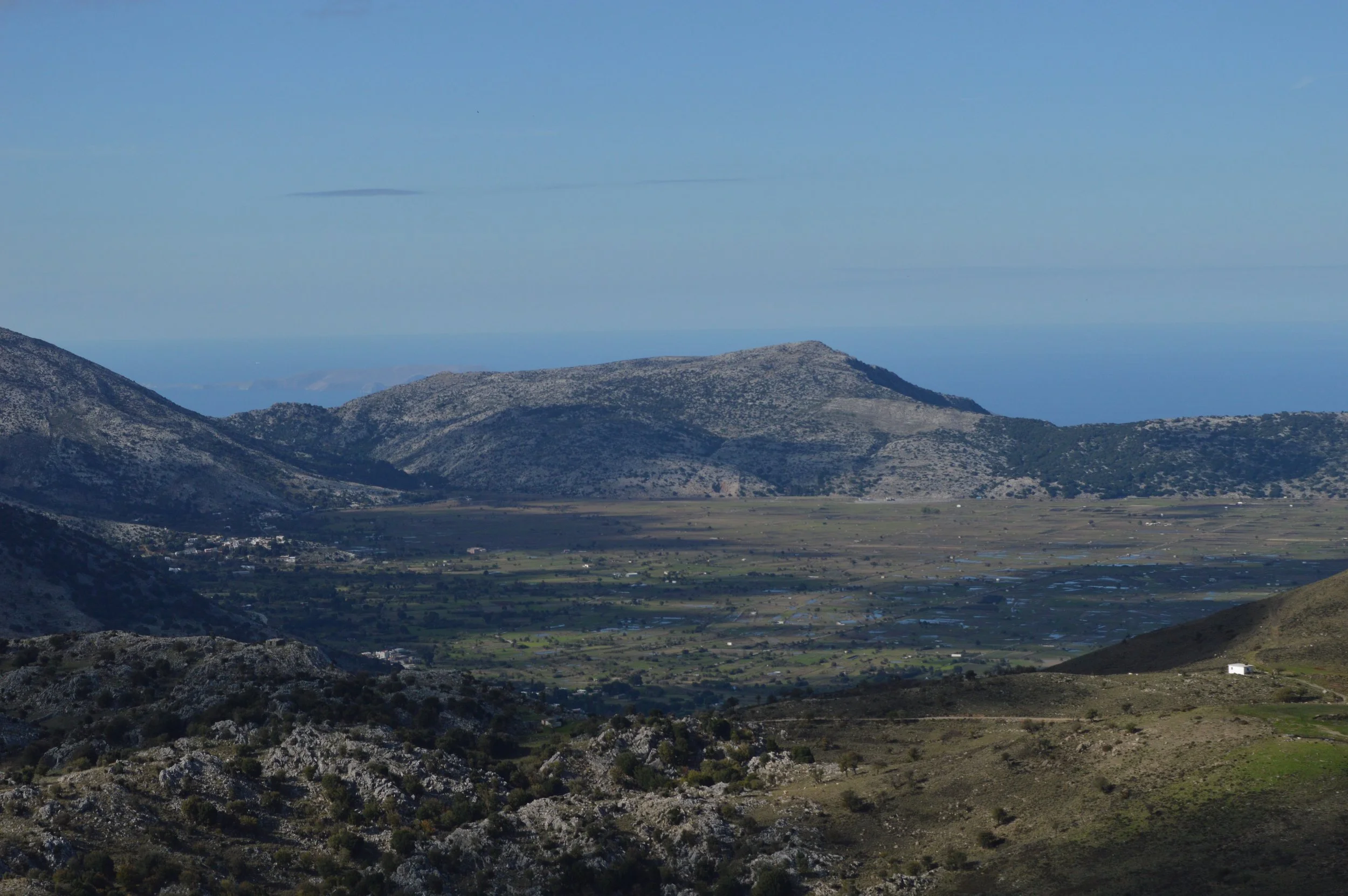
Located in the heart of the Dikti Mountains, the Lasithi Plateau is one of the most distinctive natural landscapes in Eastern Crete. Surrounded by impressive mountain peaks and dotted with traditional villages, this fertile mountain plain offers a refreshing contrast to the coastal scenery of Agios Nikolaos and the Mediterranean Sea.
Situated at an altitude of approximately 800–900 metres, the plateau is renowned for its agricultural landscapes, traditional settlements, historic windmills and strong connection with Cretan rural life. Its fertile fields, orchards and cultivated land create a distinctive landscape that changes throughout the seasons, while the surrounding mountains provide a beautiful setting for exploring the inland countryside.
Approximately 50 kilometres from Agios Nikolaos, Lasithi Plateau is an excellent destination for a day trip, combining scenic drives, local traditions, natural attractions and opportunities to discover some of the island's most interesting historical sites.
The Landscape and Agricultural Heritage of Lasithi
The Lasithi Plateau is one of Crete's most important agricultural regions. Its fertile plain has supported farming communities for generations, with potatoes, vegetables, cereals and fruit among the traditional local crops.
The landscape is characterised by large cultivated fields, stone-built farm structures, orchards and traditional rural settlements. During spring and early summer, the countryside becomes particularly green, while autumn brings a different atmosphere as the agricultural landscape changes with the seasons.
One of the most recognisable features of the plateau is its traditional windmills. Historically, wind power played an important role in local agriculture, particularly in pumping water for irrigation. Although many of the original agricultural windmills have disappeared or fallen into disuse, they remain an important symbol of the area's identity and history.
Traditional Villages Around the Plateau
The Lasithi Plateau is surrounded by a collection of traditional villages, each contributing to the character and everyday life of the region.
Tzermiado, the administrative centre of the municipality, is one of the main settlements and a convenient starting point for exploring the plateau. Visitors can find traditional cafés, tavernas and local shops, offering an opportunity to experience the slower rhythm of mountain life.
Other villages worth discovering include Agios Georgios, Psychro, Mesa Lasithi, Agios Konstantinos, Marmaketo and Kaminaki. Their traditional architecture, agricultural surroundings and mountain setting provide a glimpse into the local heritage of inland Crete.
Exploring these villages is an enjoyable way to experience the plateau beyond its main attractions, particularly for visitors interested in local traditions, Cretan food and rural landscapes.
The Windmills of Seli Ampelou
One of the most recognisable landmarks of the Lasithi Plateau is the historic windmill complex at Seli Ampelou, near the northern entrance to the plateau.
The surviving windmills form an impressive traditional complex and are among the most distinctive examples of historic windmill architecture in Crete. Originally, the site contained 26 flour windmills, of which 24 survive today. They were used by local communities to grind grain and reflect the importance of wind power in the region's agricultural history.
The windmills are particularly photogenic against the surrounding mountain scenery and offer an excellent opportunity to appreciate the traditional engineering and rural heritage of the plateau.
Dikteon Cave – The Mythological Birthplace of Zeus
One of the most important attractions in the area is Dikteon Cave, also known as the Cave of Zeus, located above the village of Psychro.
According to Greek mythology, the cave is associated with the birth of Zeus. Rhea is said to have brought her newborn son here to protect him from Cronus, who feared that one of his children would overthrow him. The cave became an important place in ancient religious tradition and is one of the most famous mythological sites in Crete.
Inside, visitors can discover impressive stalactites and stalagmites, underground chambers and a remarkable natural environment. The cave's archaeological and mythological significance makes it an especially interesting stop for travellers exploring the history of ancient Crete.
The approach to the cave involves an uphill walk from the visitor parking area in Psychro. The route also rewards visitors with panoramic views across the Lasithi Plateau.
Nature, Hiking and Outdoor Activities
Beyond its villages and historical attractions, the Lasithi Plateau offers opportunities to explore the natural environment of the Dikti mountain range.
The surrounding countryside features mountain trails, rural paths and scenic routes connecting villages, valleys and higher elevations. Walking and hiking provide an excellent way to discover the landscape at a slower pace, while the quieter mountain roads are also suitable for scenic drives and cycling.
Nearby natural attractions include Havgas Gorge, one of the main gorges of the plateau, as well as the smaller mountain plateau of Limnakaros. These areas offer a different perspective on the region's varied mountain environment.
Visitors interested in outdoor activities should prepare according to the season and check local trail conditions before setting out, particularly when exploring remote mountain routes.
Best Time to Visit Lasithi Plateau
Lasithi Plateau can be visited throughout much of the year, with each season offering a different experience.
Spring: One of the most attractive periods to explore the plateau. The countryside becomes green, wildflowers appear and the surrounding mountains provide beautiful scenery.
Summer: The higher altitude generally offers cooler conditions than the coastal areas of Crete, making it a pleasant destination for escaping the summer heat. However, midday temperatures can still be high.
Autumn: A wonderful time to discover the agricultural character of the region, with changing colours and seasonal activity in the fields and villages.
Winter: The plateau takes on a completely different atmosphere, with colder temperatures and occasional snowfall. The surrounding mountains can become snow-covered, creating a striking landscape. Visitors should check road and weather conditions before travelling.
How to Get to Lasithi Plateau
Lasithi Plateau is located approximately 50–52 kilometres from Agios Nikolaos and can be reached by car through the mountain road network of Eastern Crete.
The drive offers beautiful views of the surrounding countryside and mountain landscapes. Travelling by car is the most convenient way to explore the villages and attractions scattered around the plateau, allowing visitors to stop at different viewpoints and discover the area at their own pace.
The journey can be combined with visits to traditional villages, monasteries and other natural attractions in the Dikti Mountains.
Places to Discover Nearby
A visit to Lasithi Plateau can easily be combined with several other interesting destinations in the surrounding region:
Havgas Gorge: Explore an impressive natural gorge within the Lasithi Plateau area.
Limnakaros Plateau: Discover a quieter mountain landscape surrounded by the Dikti range.
Trapeza Cave (Kronio Cave): Visit another cave of archaeological and historical interest near Tzermiado.
Kritsa Village: Discover one of the traditional villages of the Agios Nikolaos region, known for its architecture and local character.