Richtis Gorge
A Lush Green Canyon and Waterfall in Eastern Crete
Richtis Gorge – A Lush Green Canyon and Waterfall in Eastern Crete
Richtis Gorge is one of the most beautiful natural attractions in Eastern Crete, offering a completely different landscape from the dry, rocky mountains and coastal scenery that characterise much of the island. Located near the traditional village of Exo Mouliana, between Agios Nikolaos and Sitia, the gorge is known for its flowing stream, dense vegetation, impressive stone bridges and spectacular waterfall.
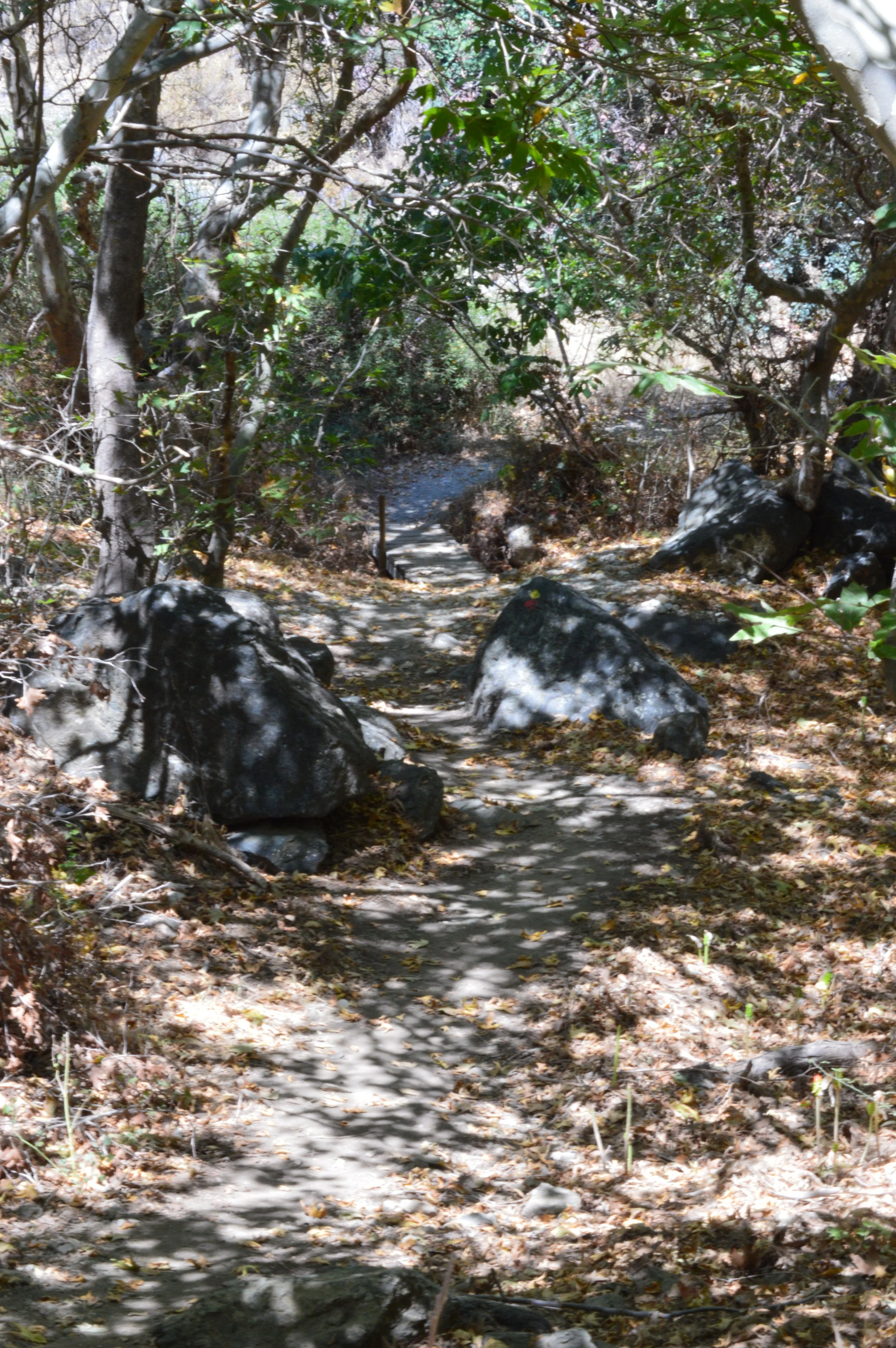
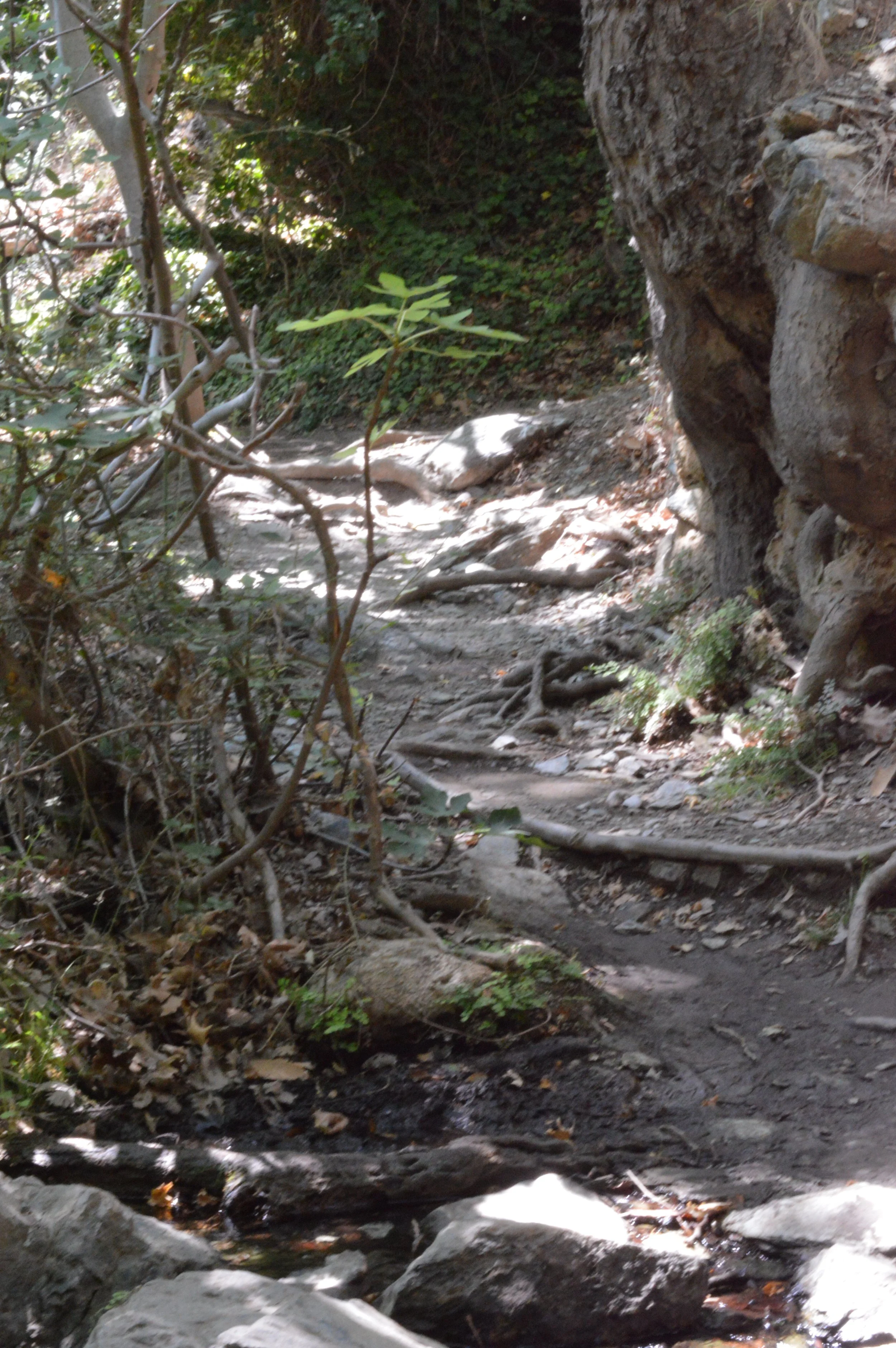
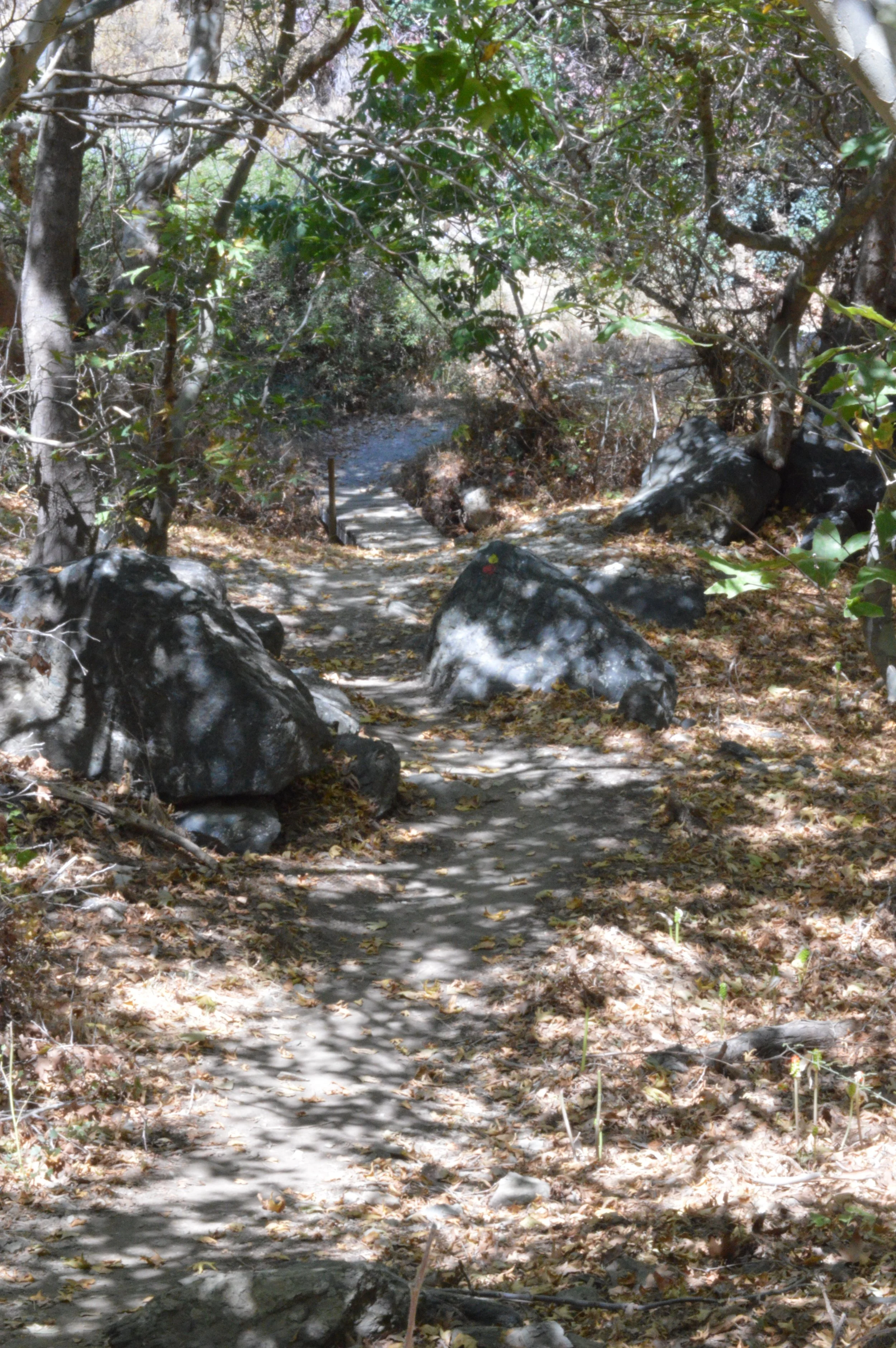
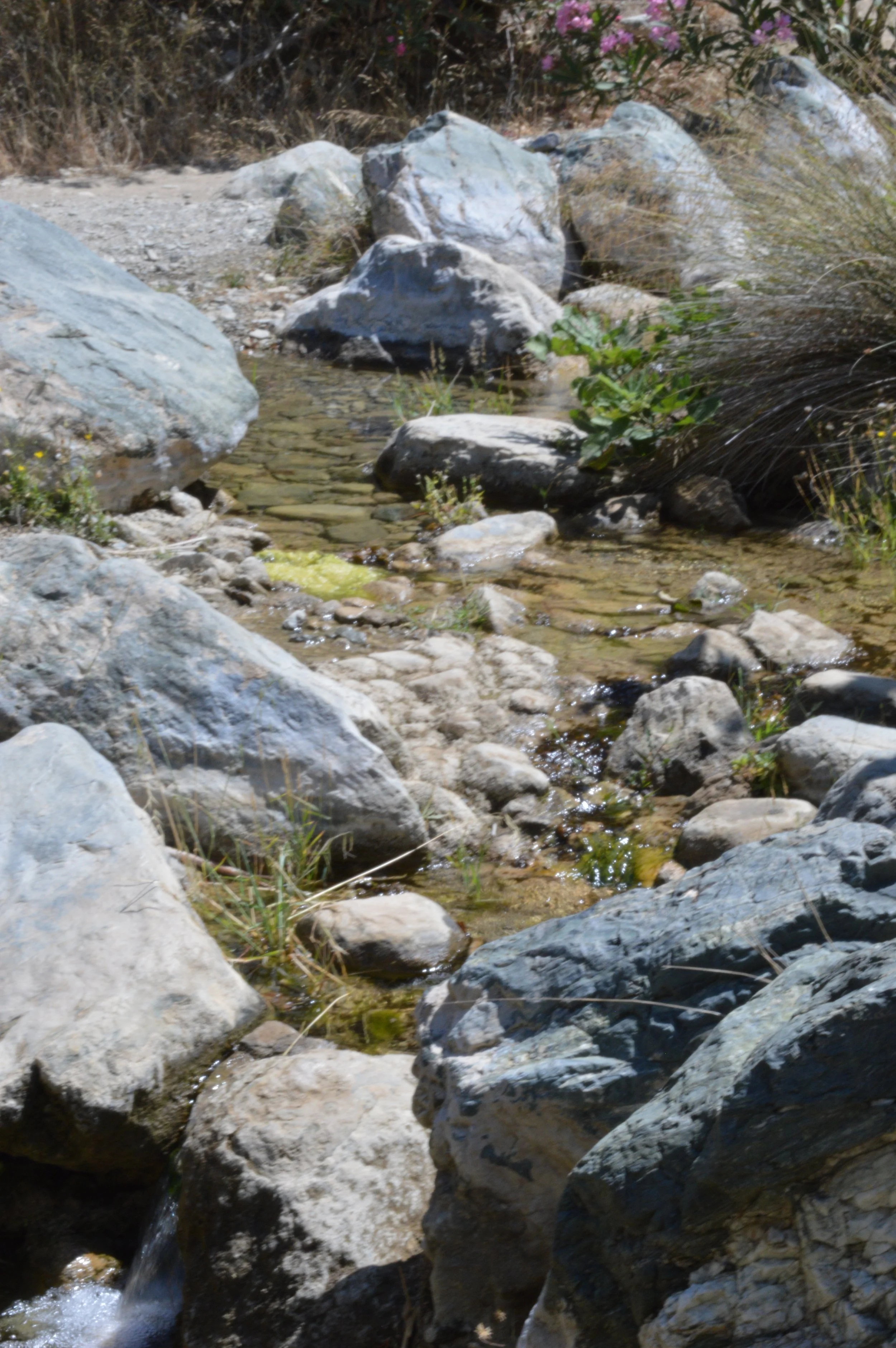
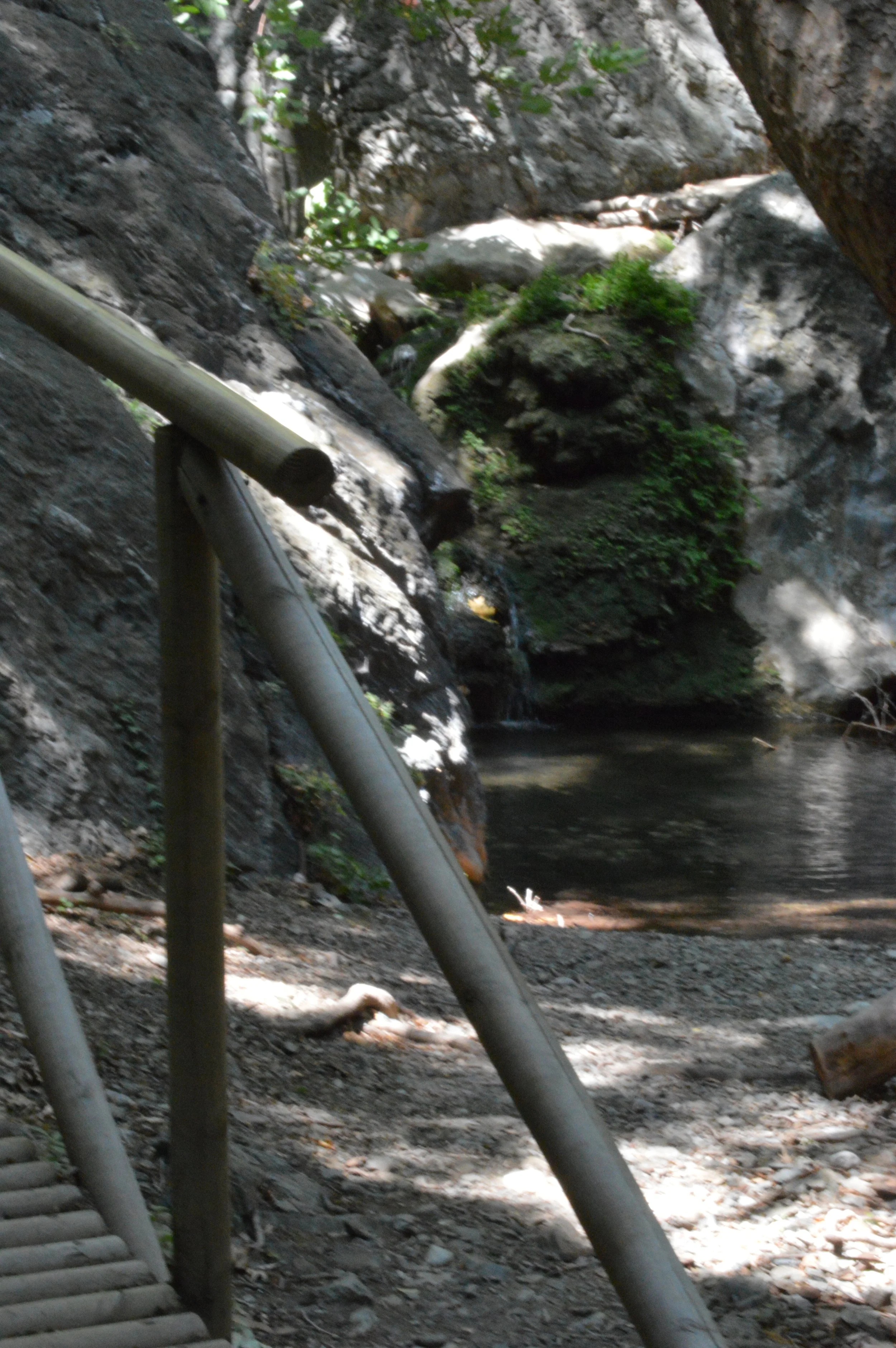
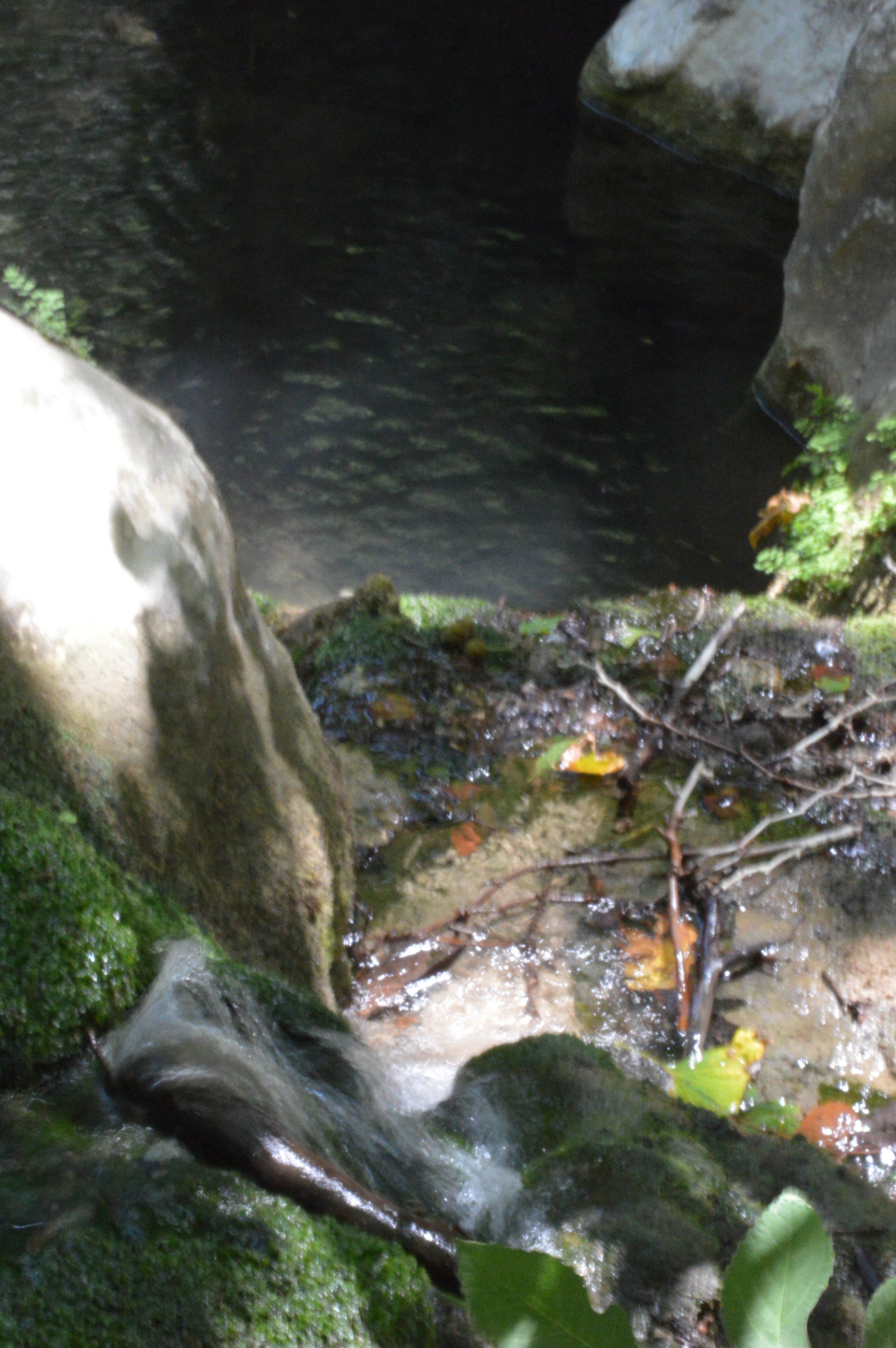
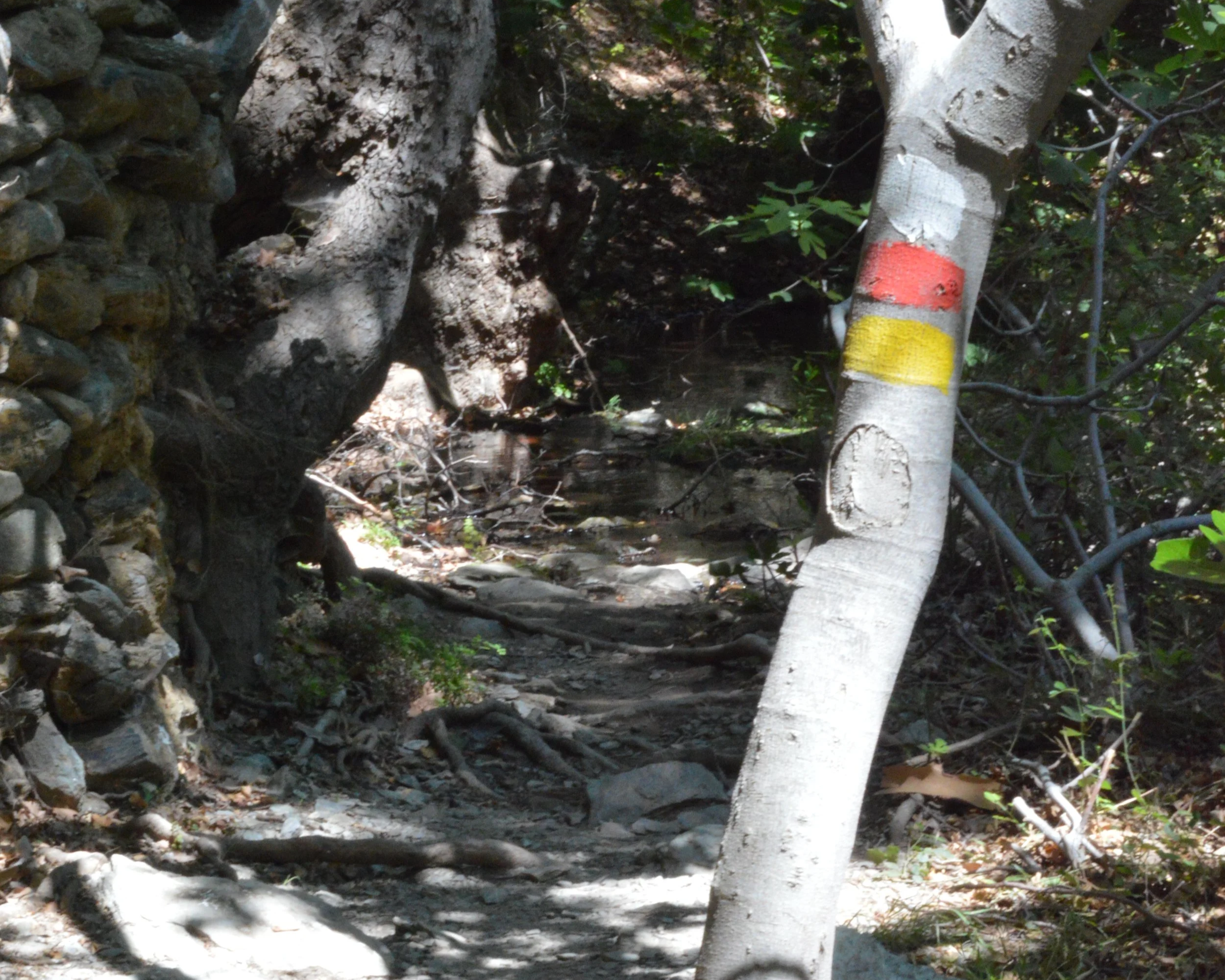
Following a natural watercourse through a green valley, the hiking trail takes visitors into a landscape filled with plane trees, wild olive trees, oleanders and native plants. The sound of running water accompanies much of the walk, creating a peaceful atmosphere that contrasts with the surrounding Mediterranean countryside.
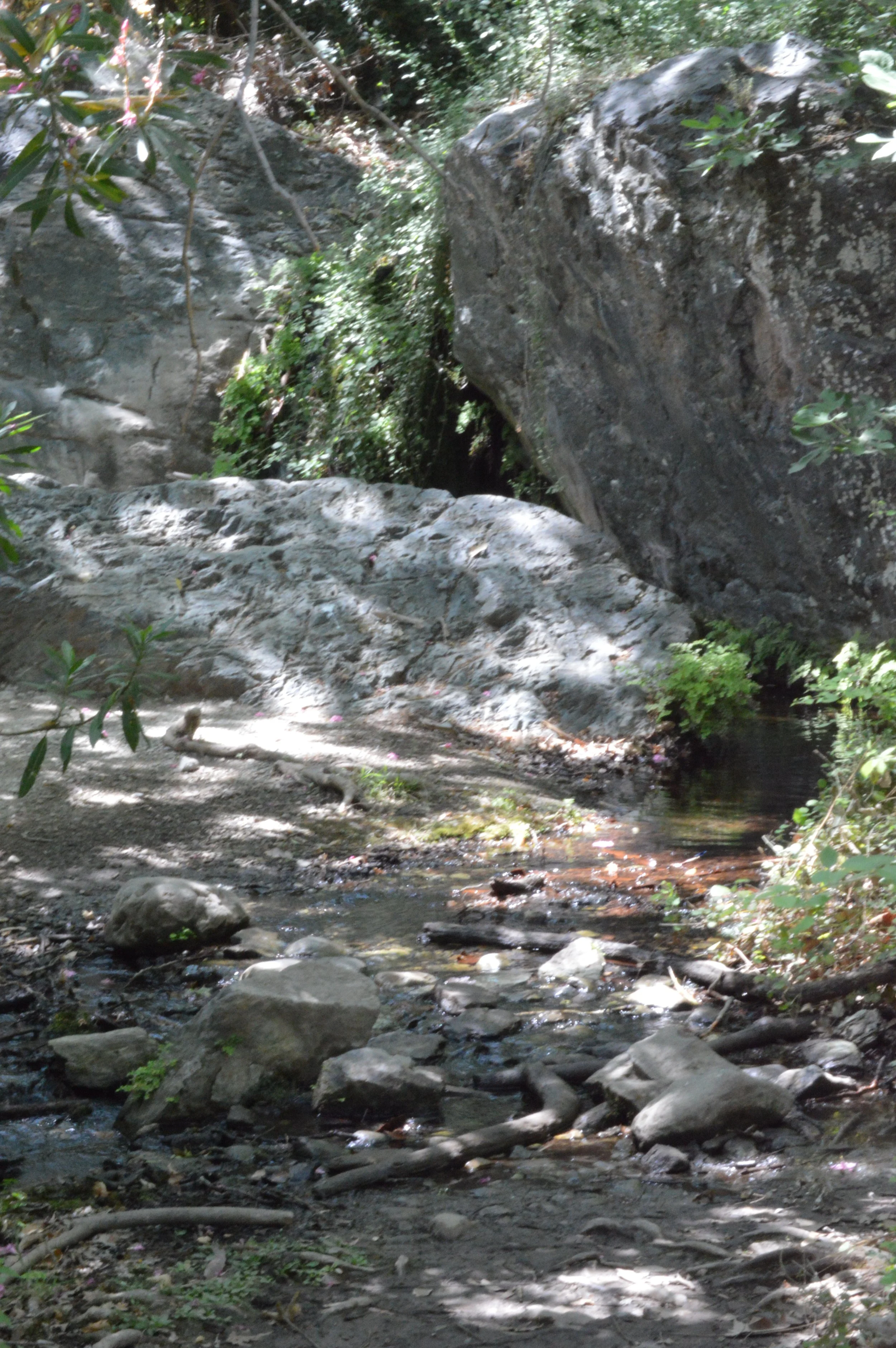
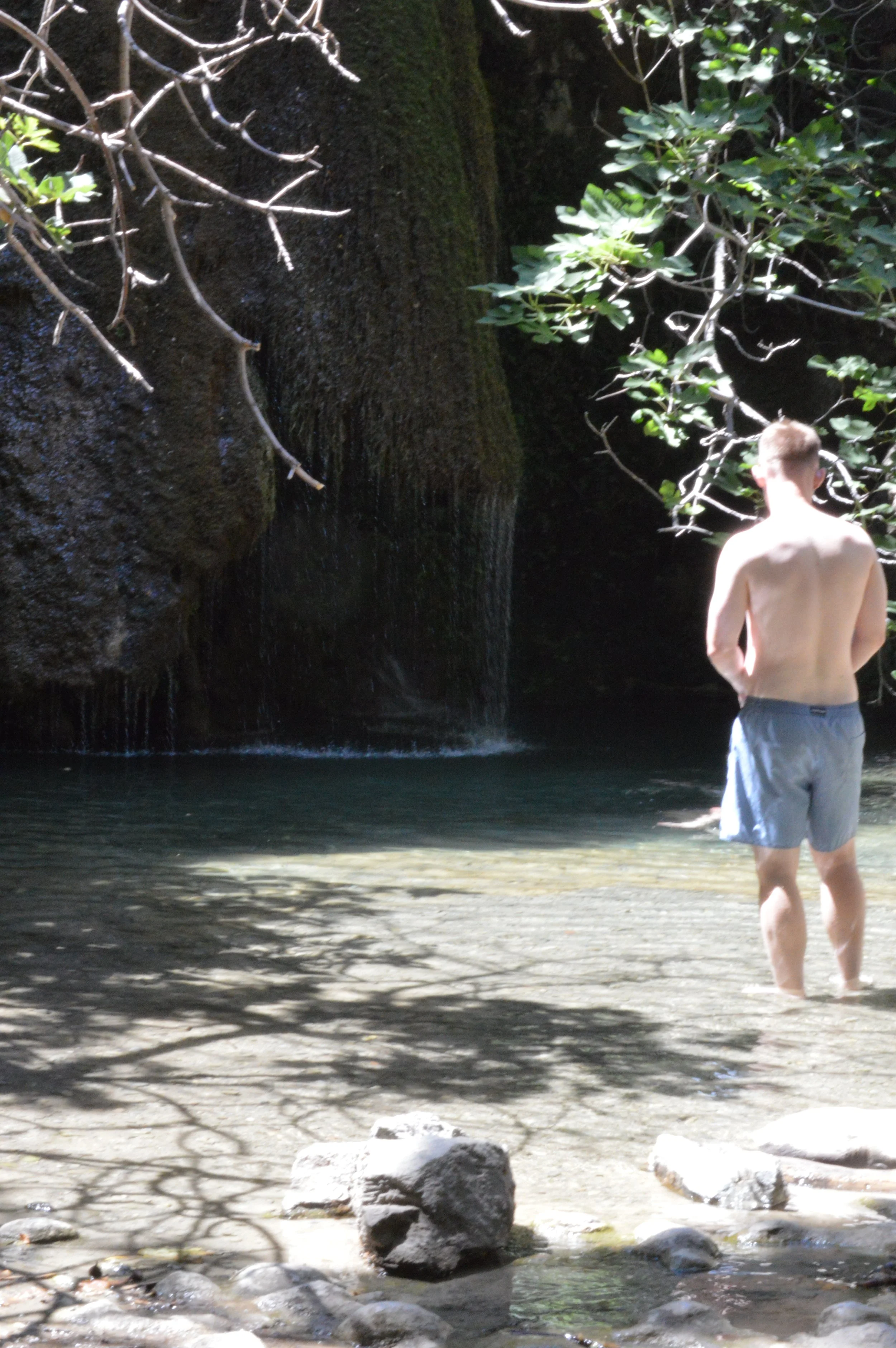
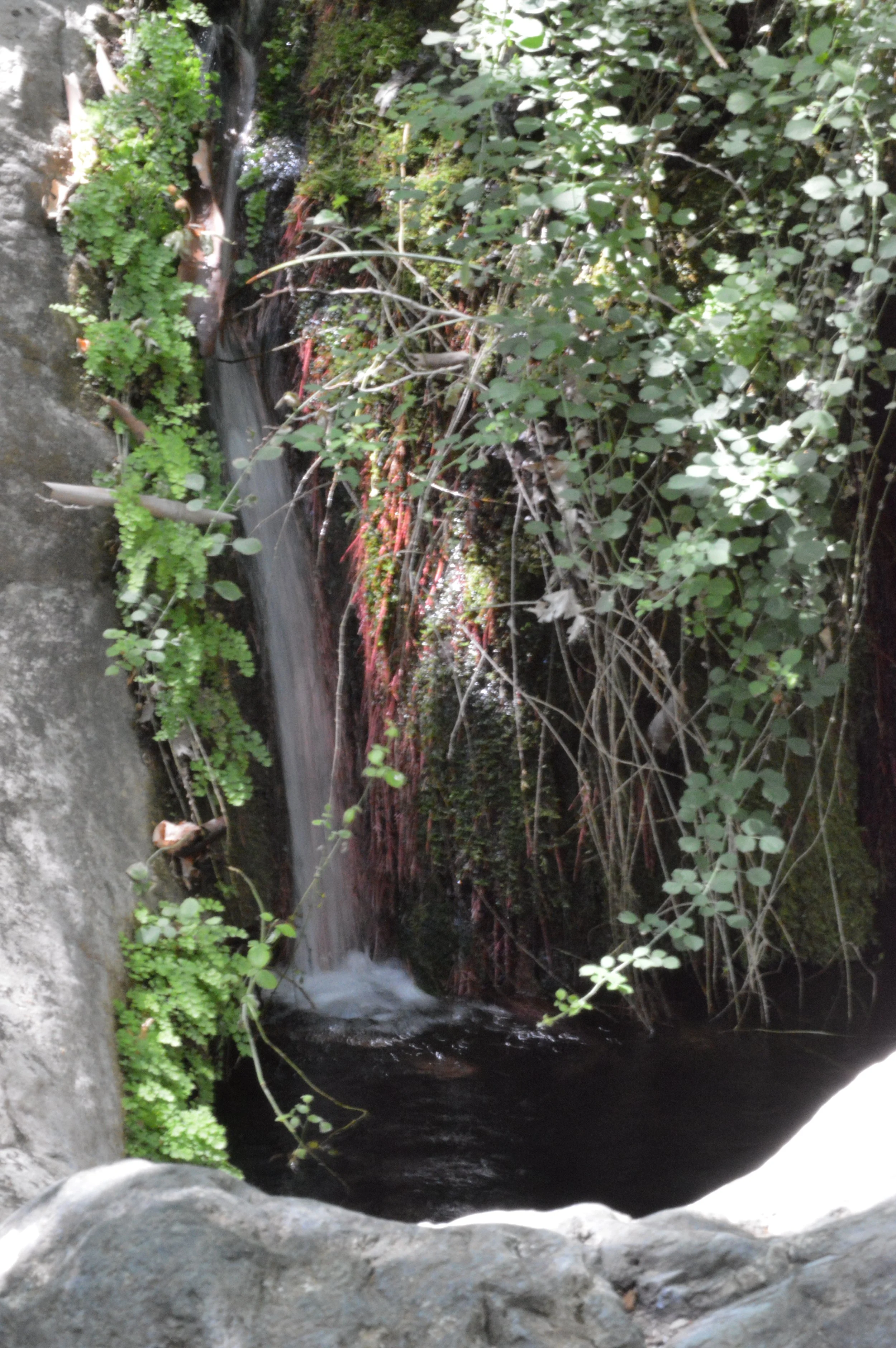
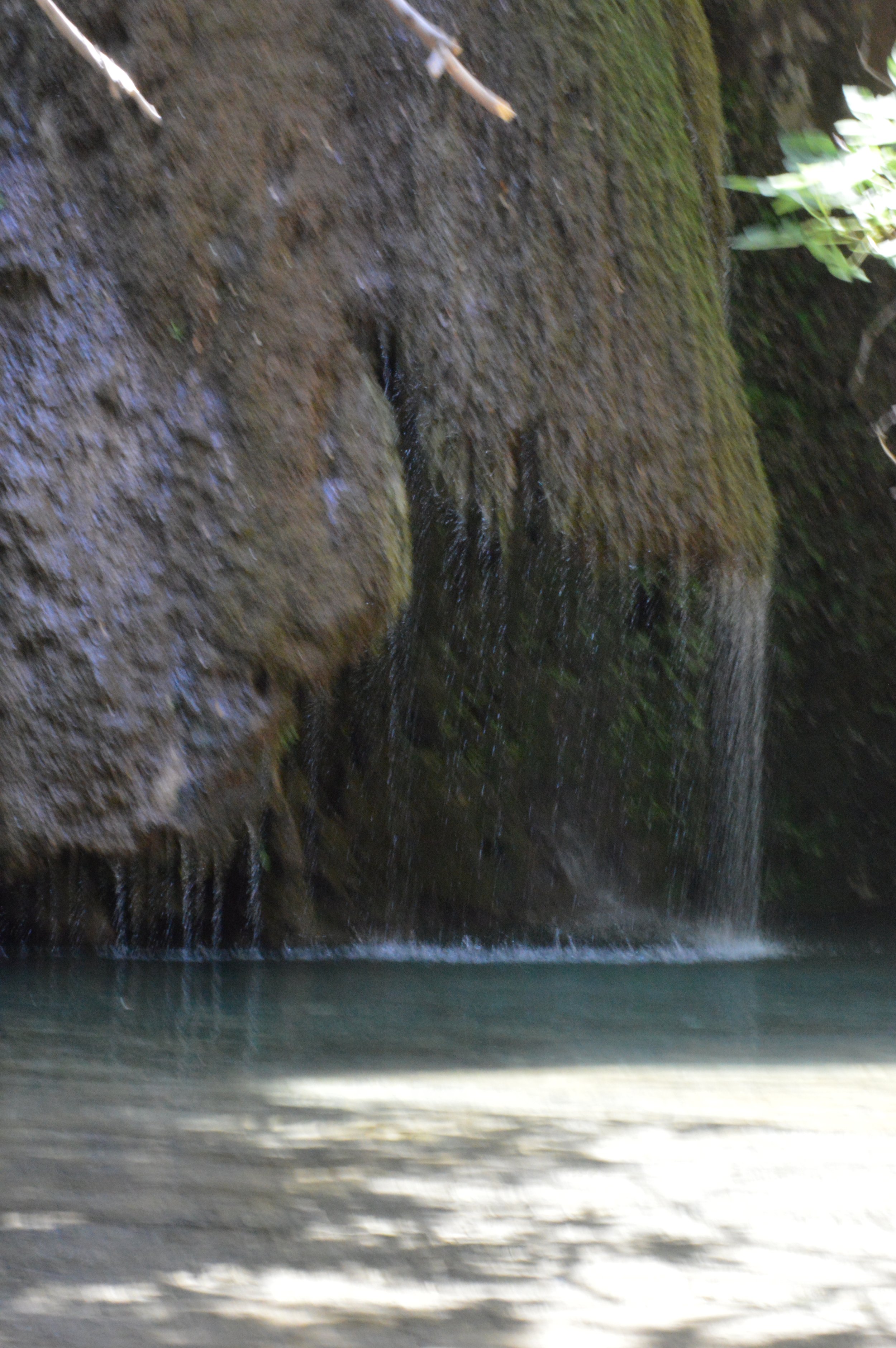
The highlight of the route is Richtis Waterfall, an impressive cascade approximately 15–20 metres high, which flows into a natural pool surrounded by lush vegetation. Even during the warmer months, the area retains much of its greenery and offers a refreshing escape from the summer heat.
For visitors staying in Agios Nikolaos, Richtis Gorge is an excellent destination for a nature excursion, combining hiking, beautiful scenery and the opportunity to discover one of the most distinctive landscapes in the eastern part of Crete.
The Natural Beauty of Richtis Gorge
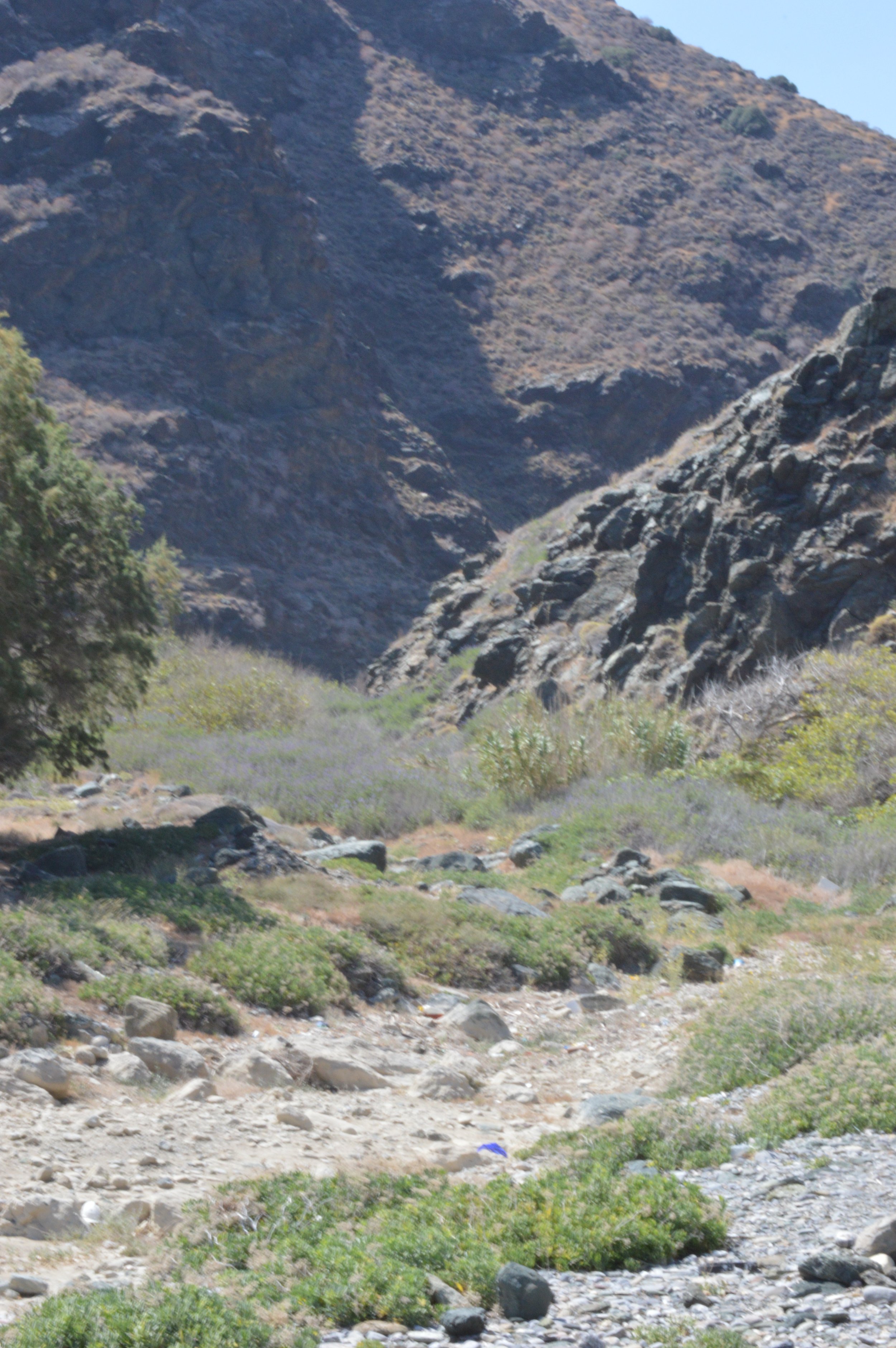
Richtis Gorge is part of the Sitia UNESCO Global Geopark and is recognised for its rich natural environment and geological features. The gorge begins near Exo Mouliana village and follows a stream through a narrow valley before reaching the secluded Richtis Beach on the northern coast of Crete.
Unlike many other gorges on the island, which are characterised by dry riverbeds and exposed rocky landscapes, Richtis is particularly green. The presence of flowing water supports a rich variety of vegetation, creating a landscape that feels almost like a small forest hidden within the mountains of Eastern Crete.
Plane trees provide shade along much of the route, while oleanders, wild olive trees, ivy, ferns and various local herbs grow around the stream. The combination of running water, dense vegetation and rocky formations makes the gorge an interesting destination for nature lovers and photographers.
The natural environment also supports local wildlife, including birds, butterflies, reptiles and small mammals. Visitors can enjoy the sounds of the stream and the surrounding wildlife while following the hiking trail through the valley.
The Historic Lahanas Stone Bridge
One of the most interesting landmarks along the route is the old stone-arched bridge of Lahanas, located near the entrance to the gorge.
This traditional stone bridge is an important example of the area's rural architectural heritage and reflects the historical connection between the surrounding villages and the natural landscape.
The bridge once served as part of the old local road network, allowing people and animals to cross the stream and travel between settlements. Its stone construction blends beautifully with the surrounding vegetation and rocky environment.
Continuing along the trail, visitors can also discover remains of old watermills and other structures associated with the historical use of the gorge's water resources. These features reveal how the stream supported local agricultural activities and everyday life in the surrounding communities.
Richtis Waterfall – The Highlight of the Gorge
The most famous attraction of Richtis Gorge is its impressive waterfall, which creates one of the most memorable natural settings in Eastern Crete.
Reaching approximately 15–20 metres in height, the waterfall descends over a rocky cliff into a natural pool surrounded by plane trees and dense vegetation. The contrast between the flowing water, dark rocks and bright green foliage creates a beautiful landscape that feels very different from the dry surroundings of much of the island.
The waterfall is particularly attractive during spring, when the stream is generally stronger following the winter rainfall. However, Richtis is also known for maintaining water flow during much of the summer, making it one of the more unusual natural attractions in Crete.
During the warmer months, visitors sometimes enjoy swimming in the natural pool beneath the waterfall. The water is naturally cold, providing a refreshing experience after the hike.
Visitors should be careful around wet rocks and slippery surfaces, and should respect any local swimming or access restrictions.
Hiking Through Richtis Gorge
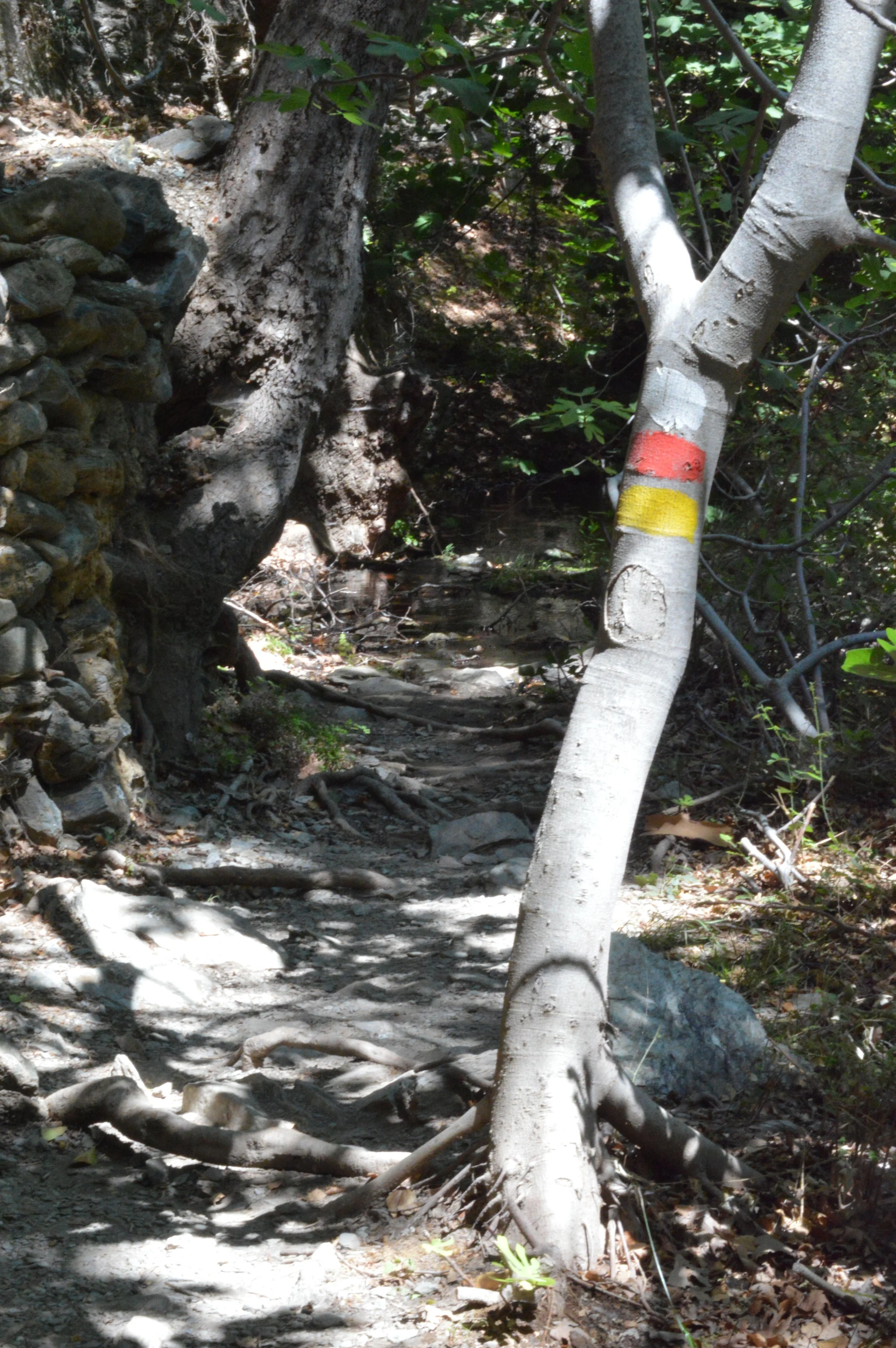
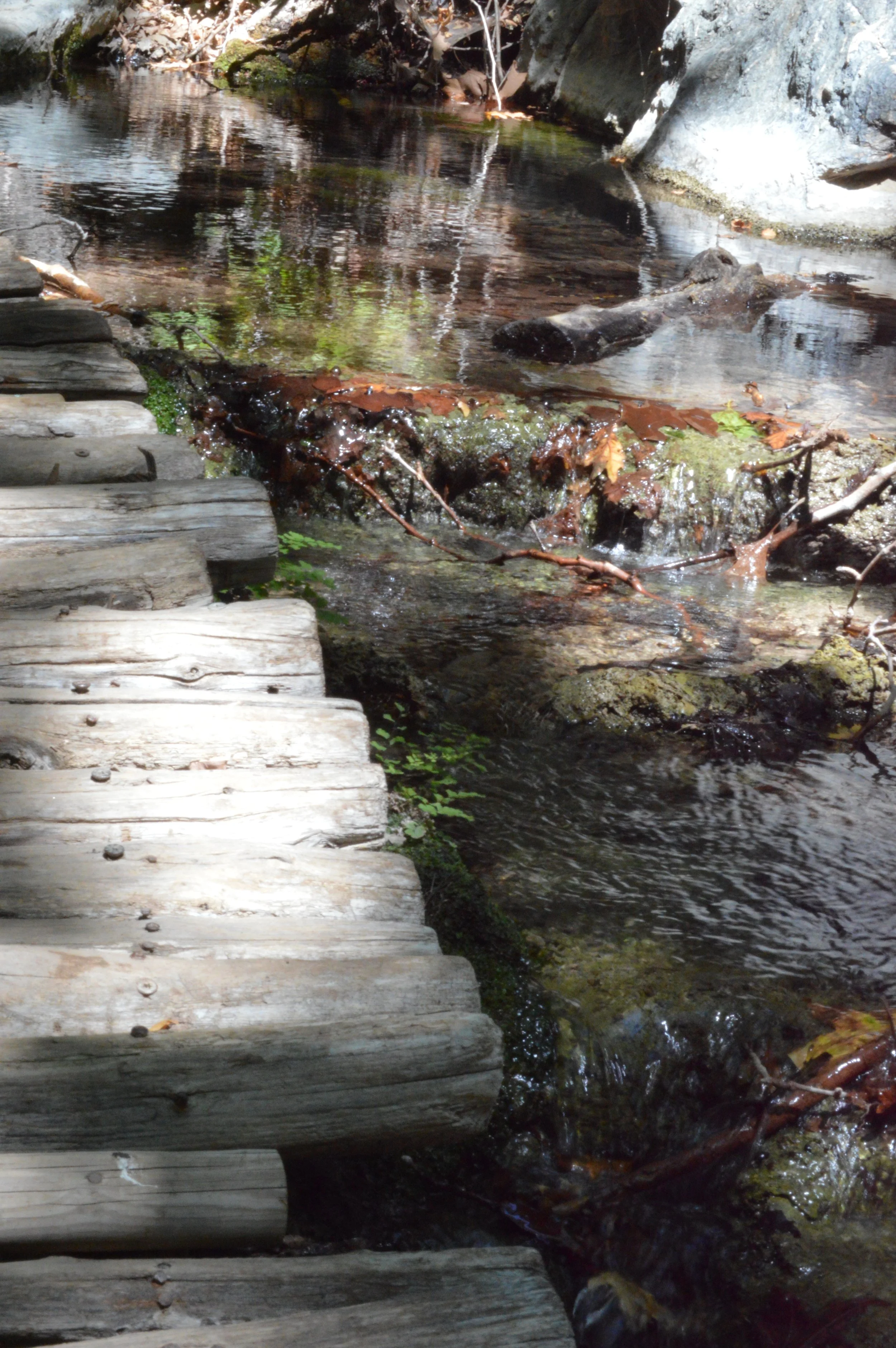
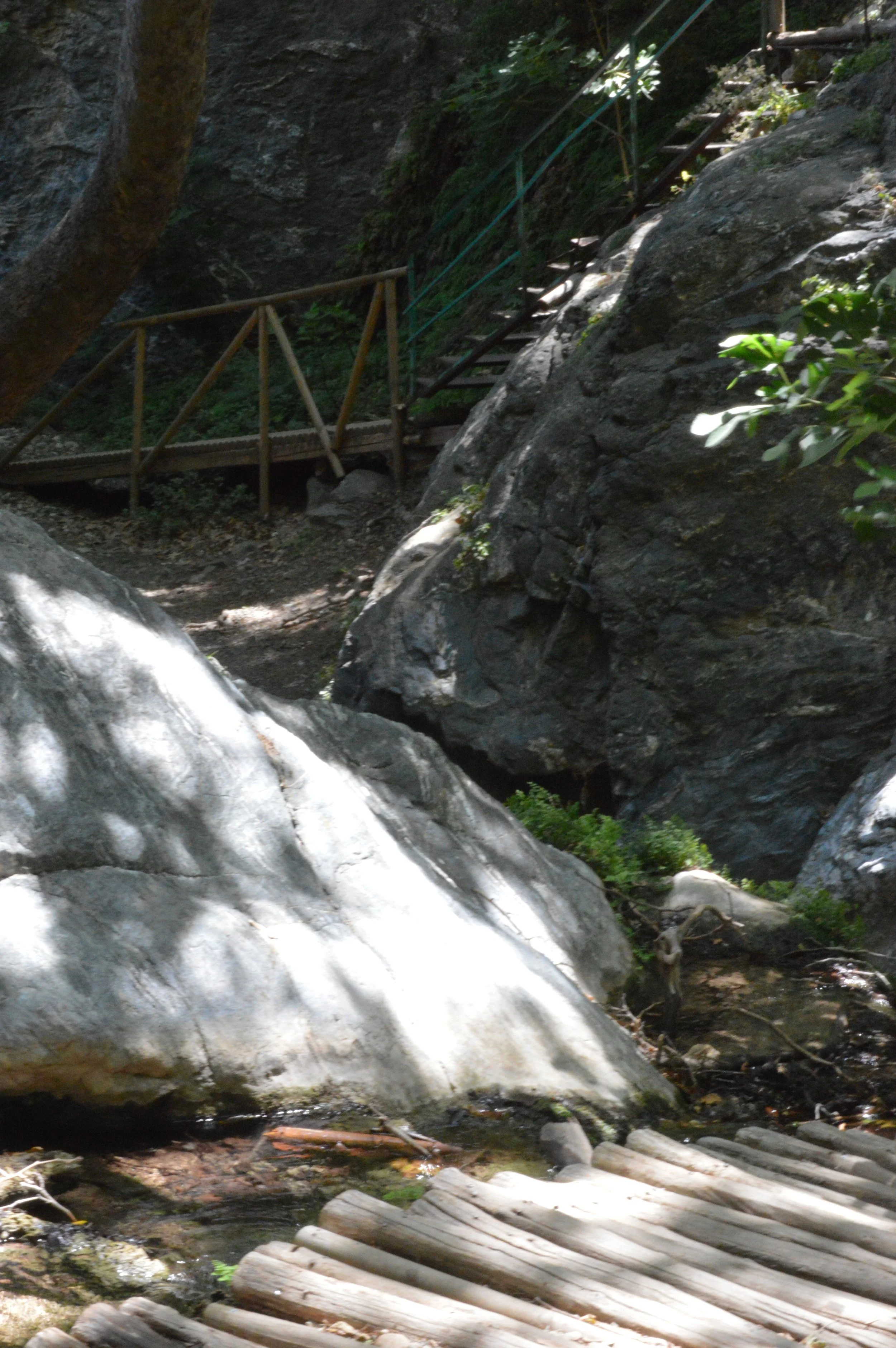
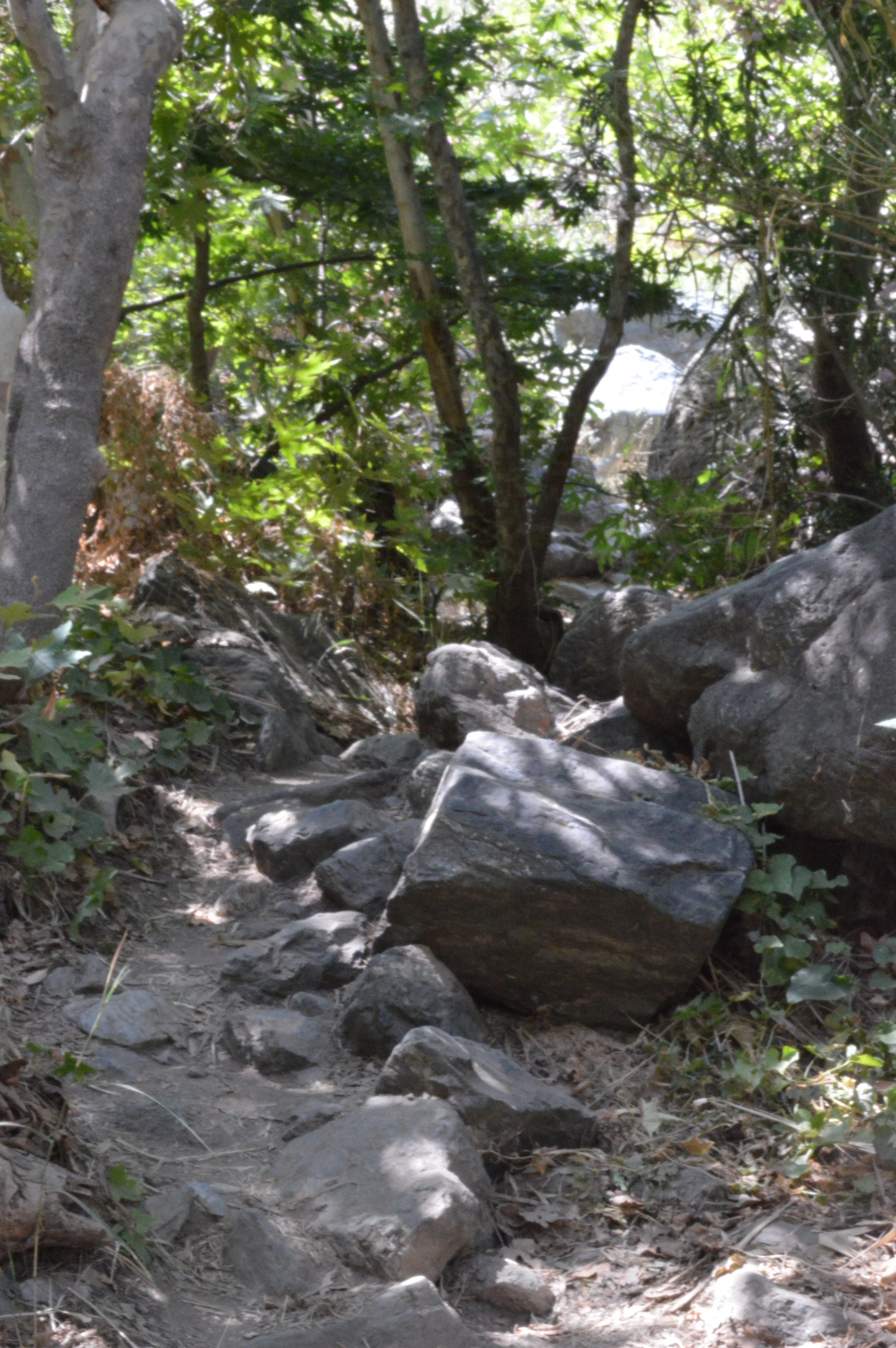
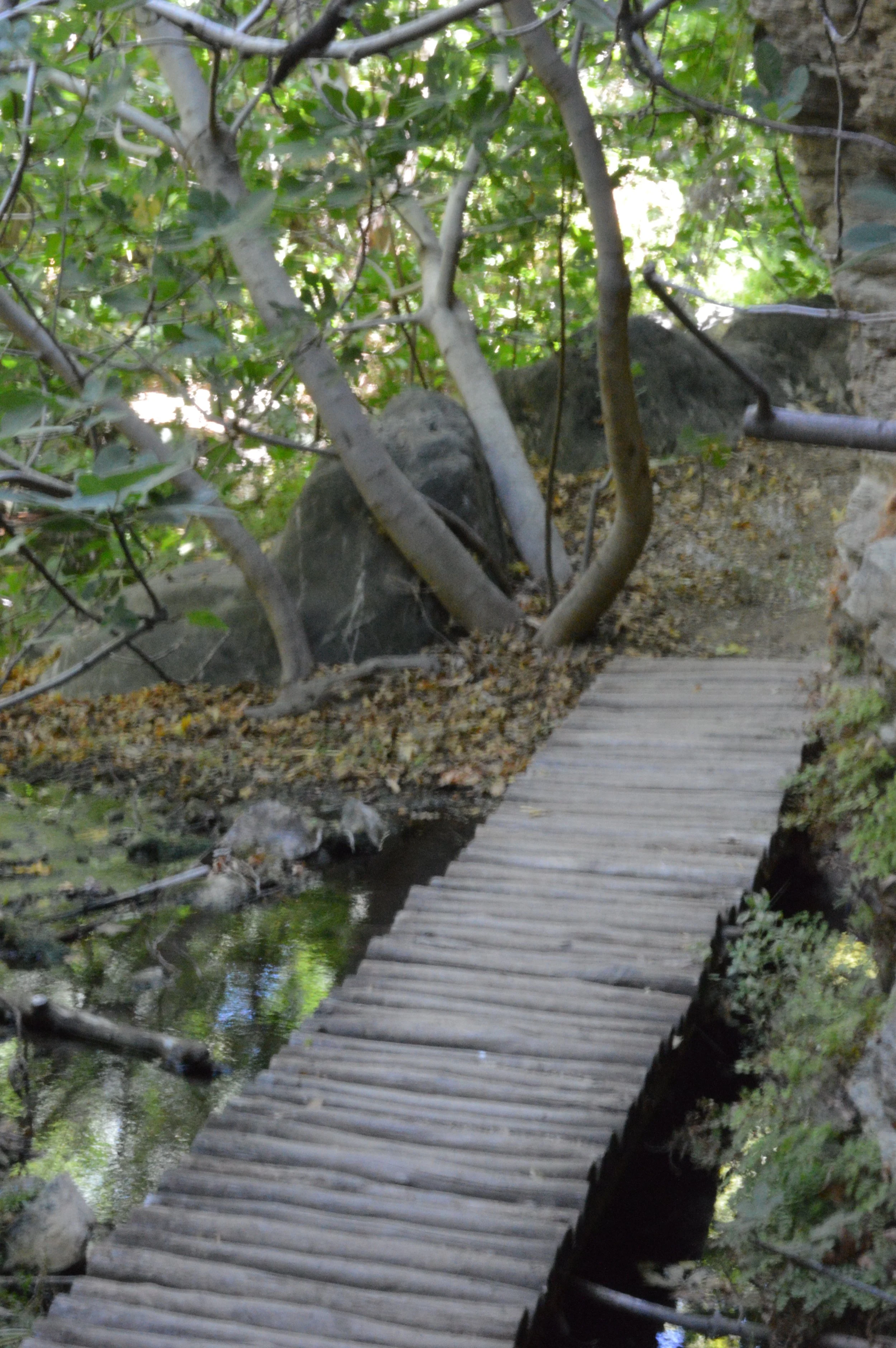
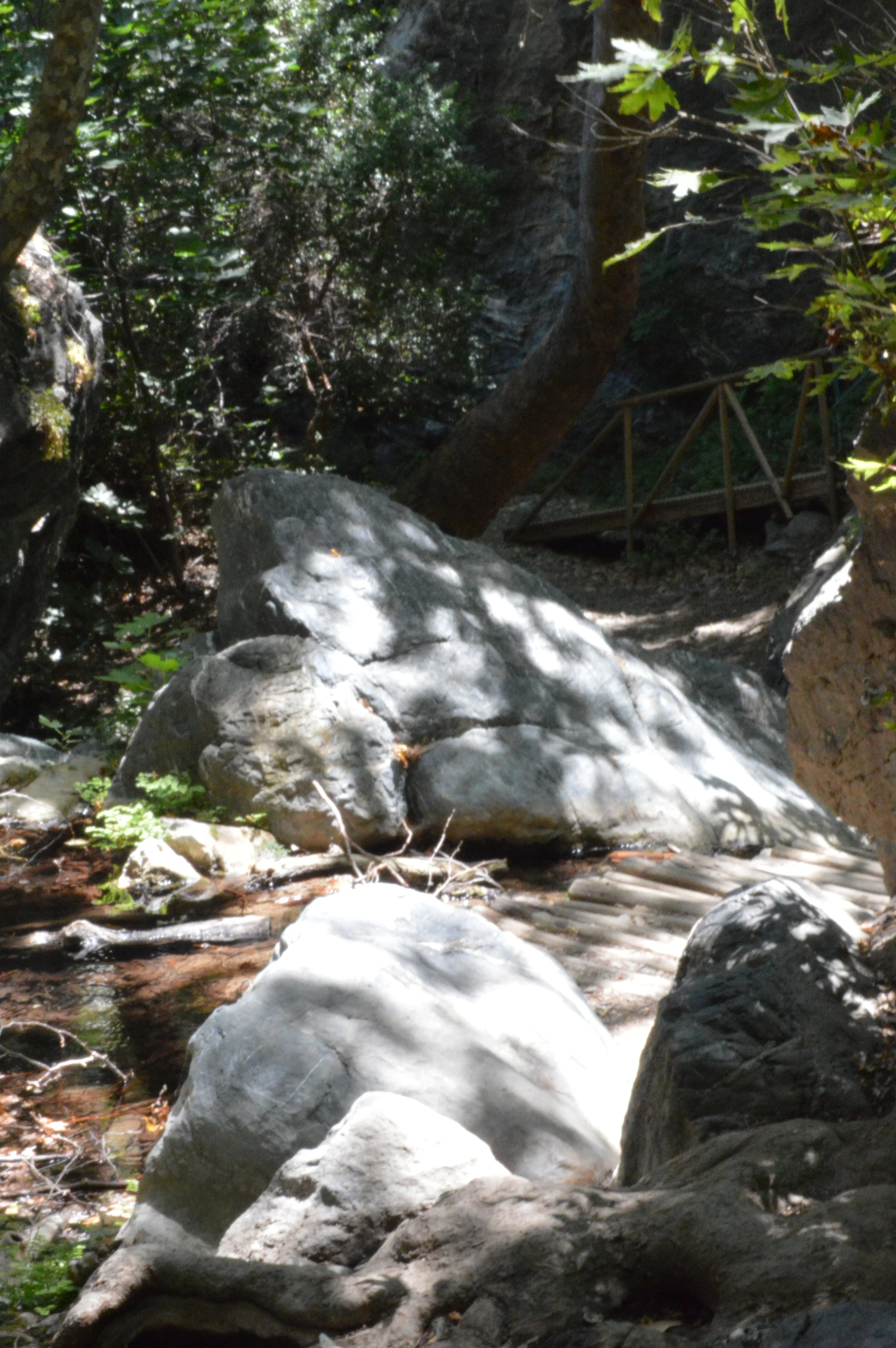
Exploring Richtis Gorge on foot is the best way to experience its natural beauty. The trail follows the stream through the valley, passing beneath trees, crossing small wooden structures and revealing different landscapes along the way.
The route begins near Exo Mouliana village and continues downhill towards Richtis Beach. Along the way, hikers pass the historic Lahanas Bridge, old watermill remains, natural pools and shaded sections of woodland.
The full route is approximately 4–5 kilometres, depending on the exact starting point and route followed. Walking time varies according to pace, stops and trail conditions. Visitors should allow several hours for the complete experience, particularly if they plan to spend time at the waterfall and beach.
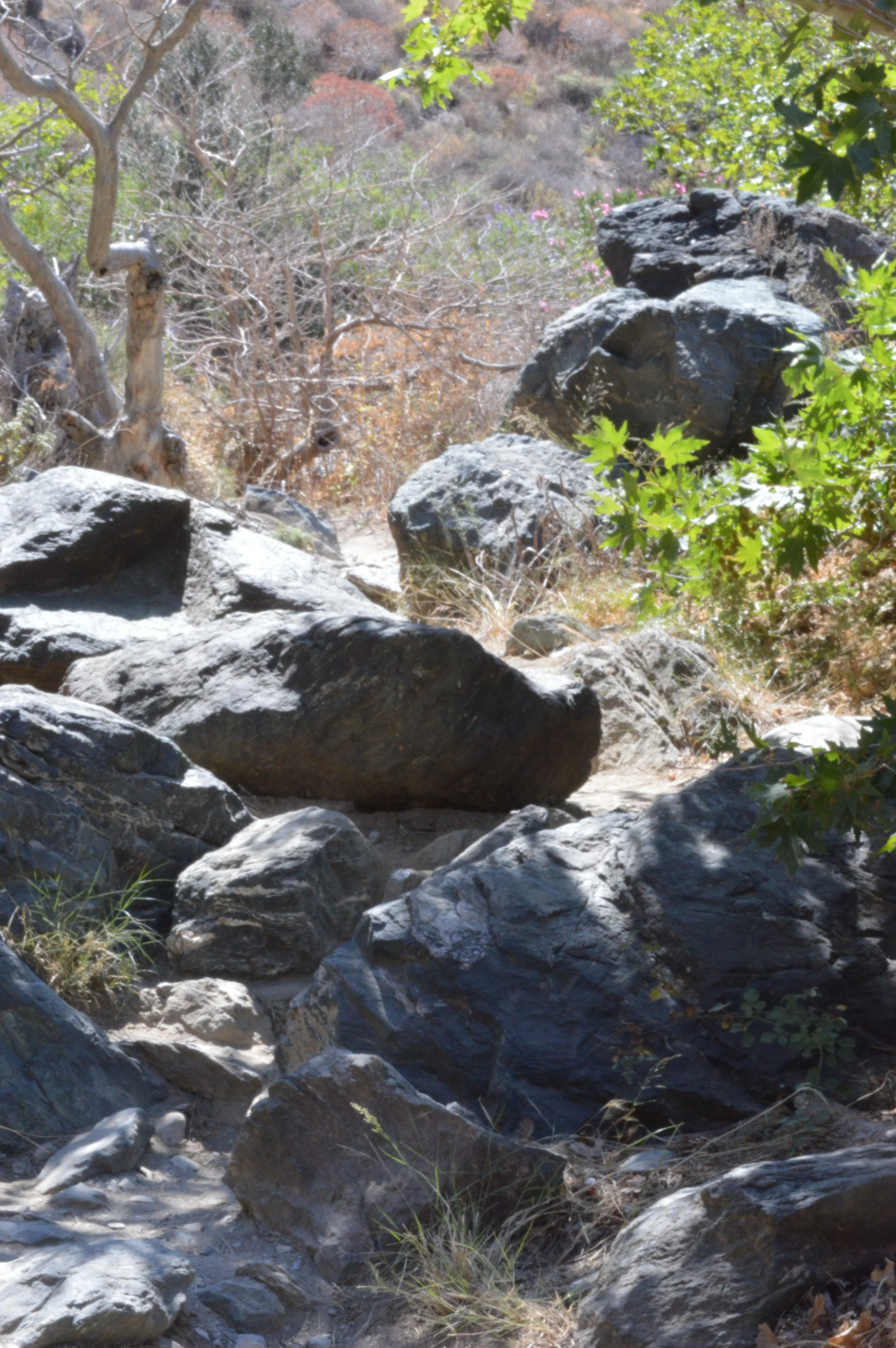
The terrain is generally rocky and uneven, with sections involving steps, small stream crossings and changes in elevation. Although the route is manageable for visitors with reasonable physical fitness, it requires suitable footwear and some preparation.
The trail can be more challenging during winter or after periods of rainfall, when the stream may become stronger and some sections more slippery.
Visitors who do not wish to complete the entire route should check local access arrangements and available return options before beginning the hike.
Richtis Beach – Where the Gorge Meets the Sea
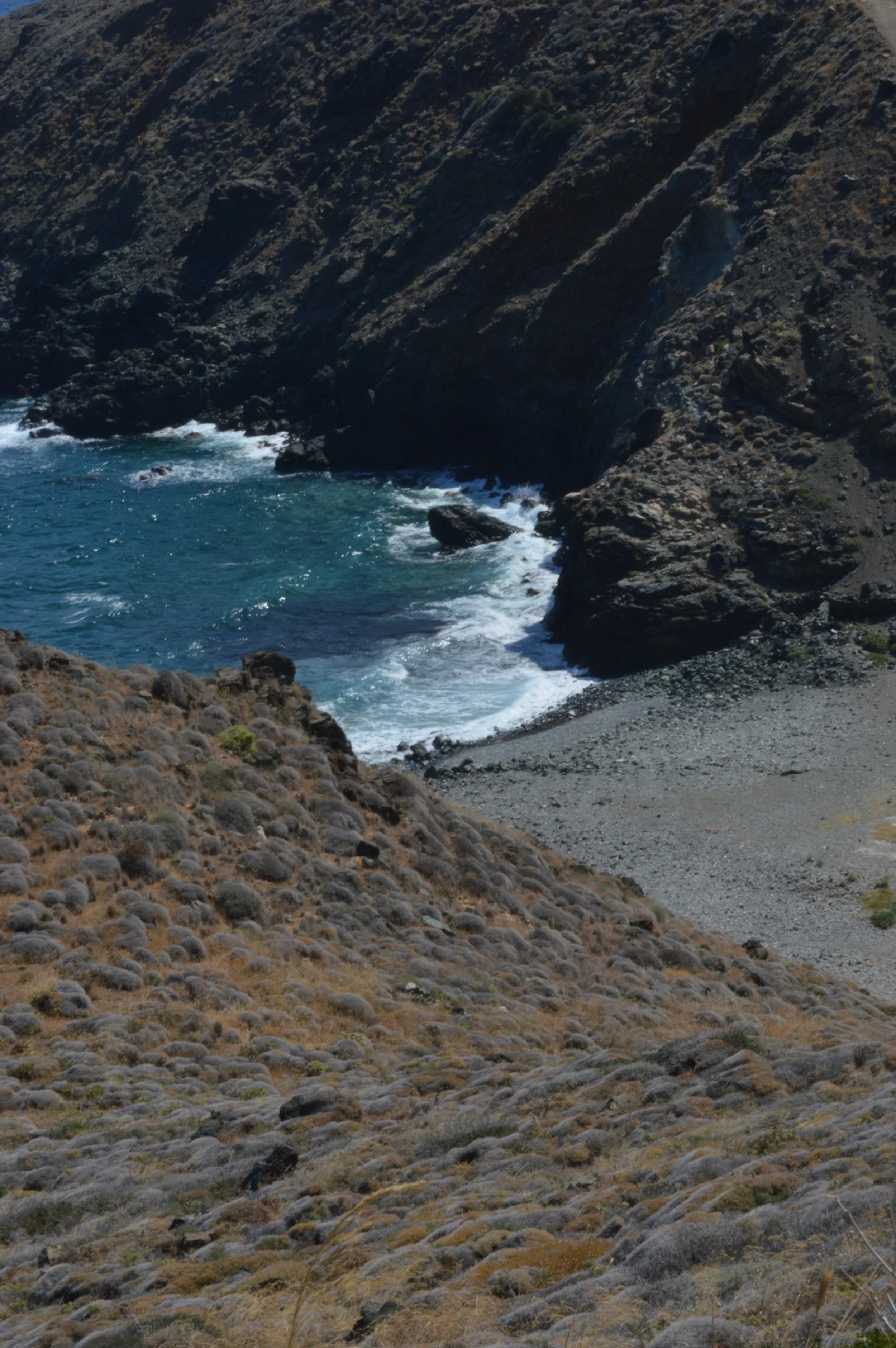
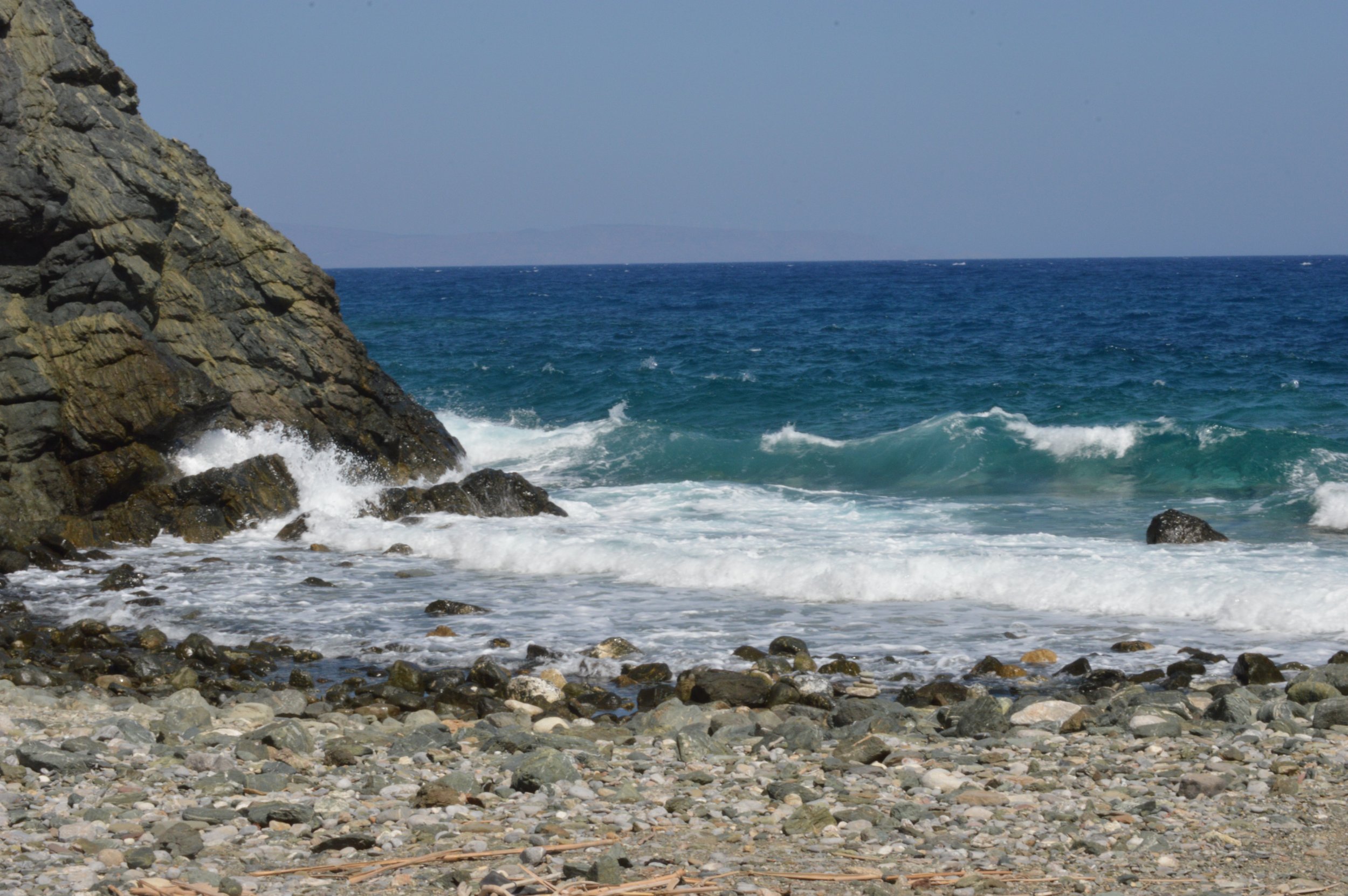
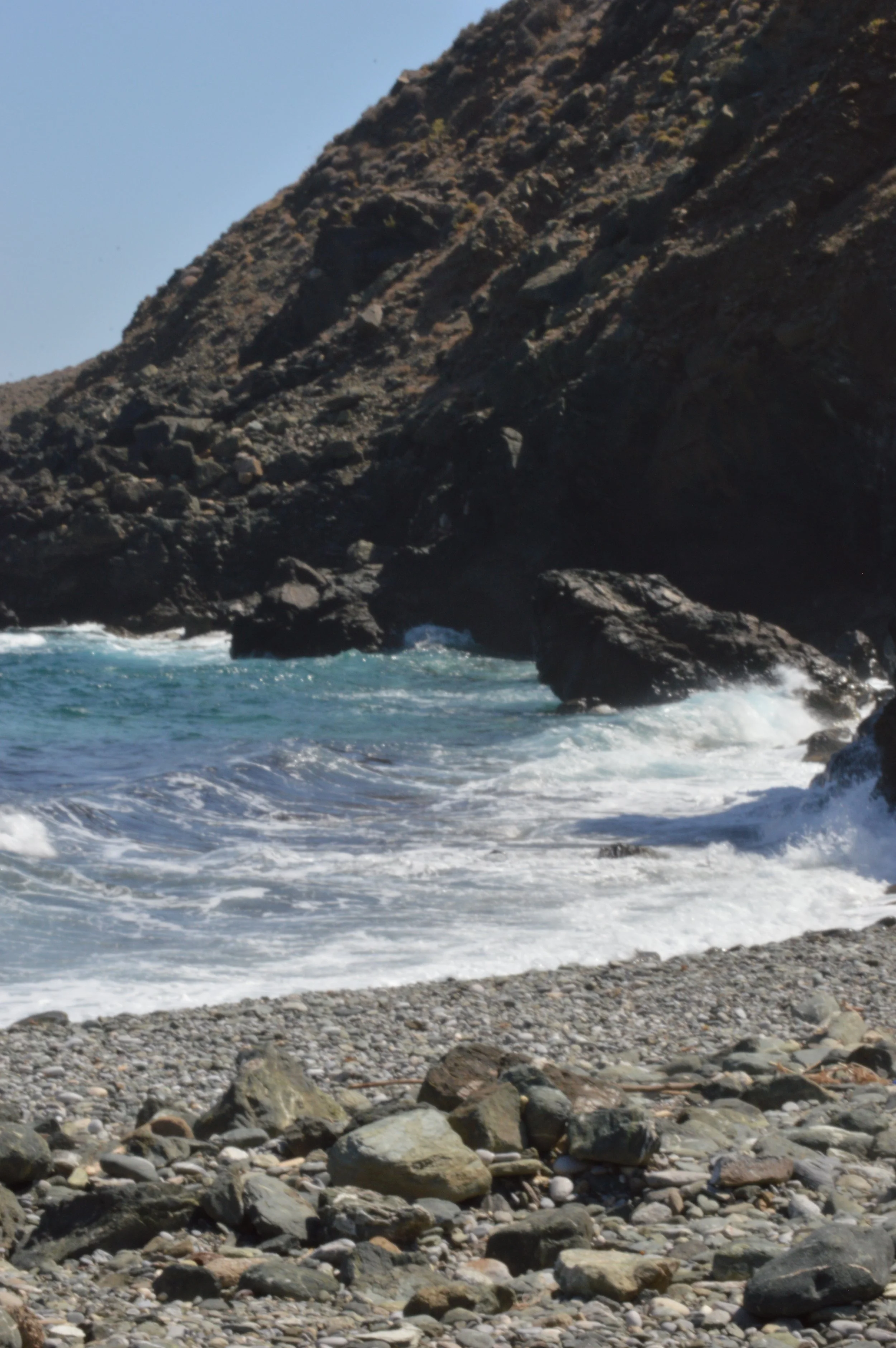
The hiking route eventually leads to Richtis Beach, a secluded coastal area located at the mouth of the gorge.
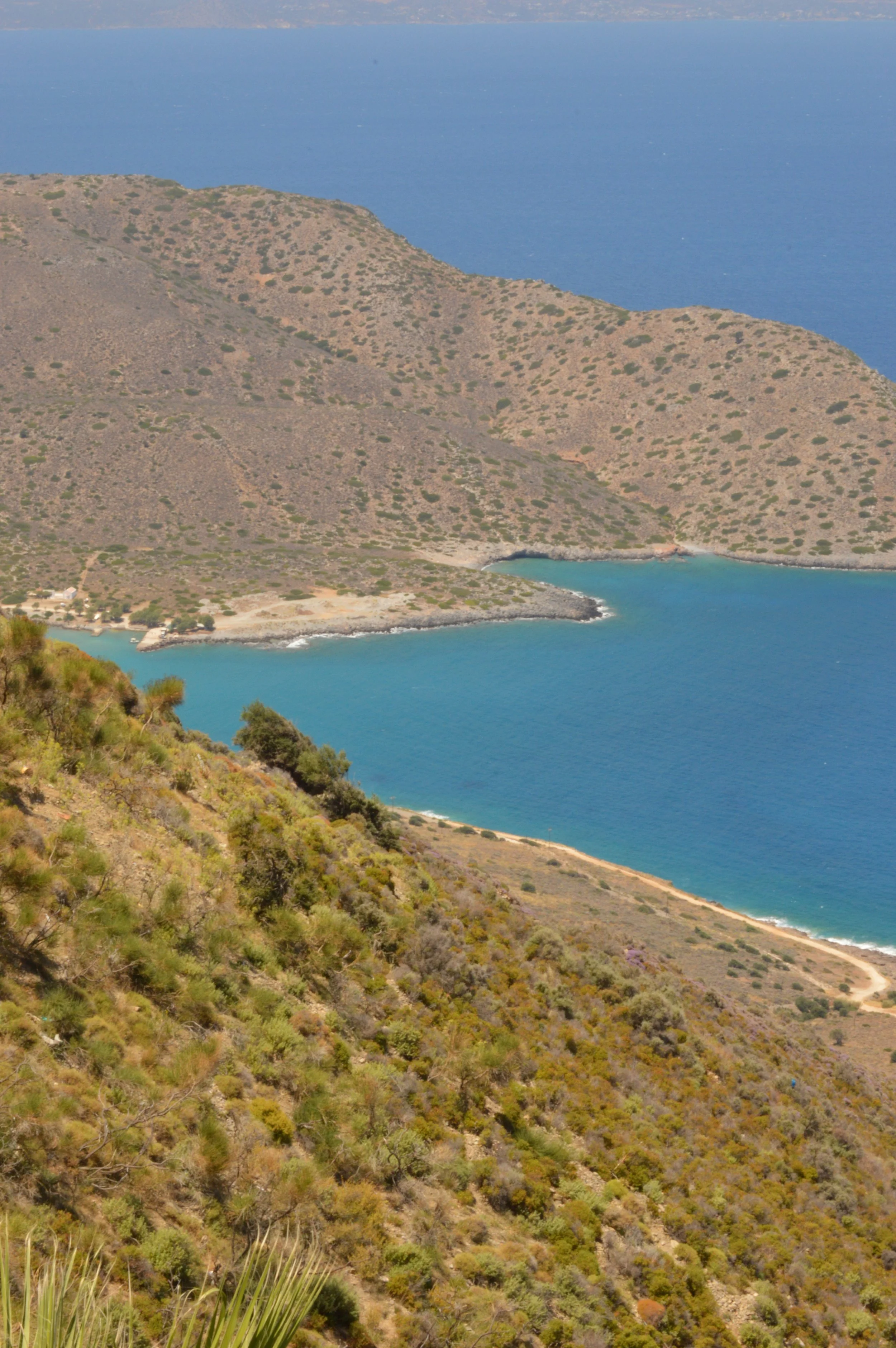
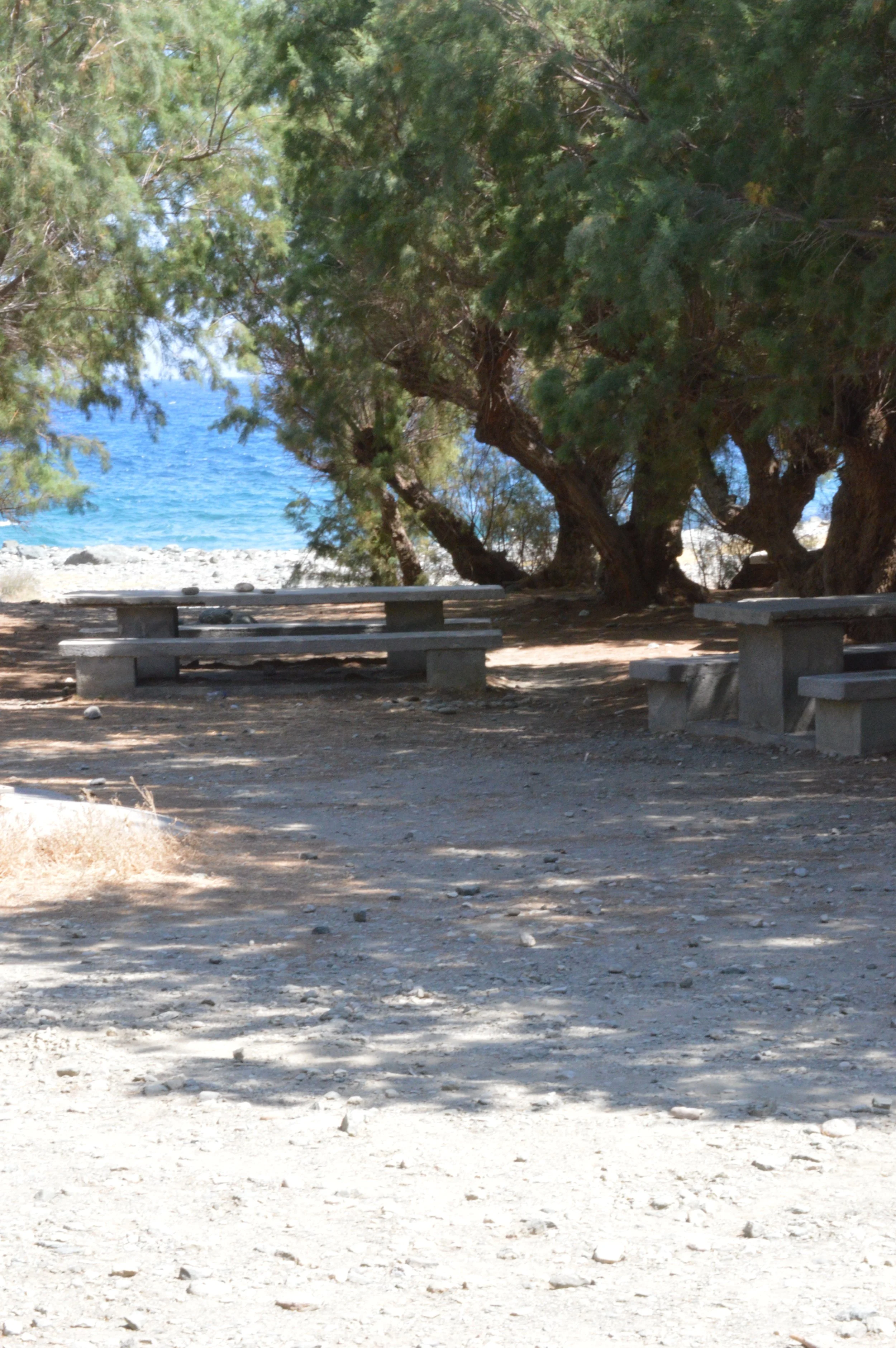
Surrounded by natural vegetation and rocky coastline, the beach offers a peaceful setting for visitors who want to relax after exploring the gorge. Its pebbled shore and clear waters provide a beautiful contrast to the green landscape of the valley.
Unlike the organised beaches found in more developed parts of Crete, Richtis Beach retains a relatively natural character. The surrounding trees provide shade in certain areas, making it an enjoyable place to rest before returning from the hike.
Visitors should bring everything they need for their time at the beach, including drinking water, food and appropriate footwear, as facilities are limited.
The beach can also be reached by road from the surrounding area, although the access route and its condition should be checked before travelling.
Flora and Wildlife
The rich vegetation of Richtis Gorge is one of its defining characteristics. The presence of water throughout much of the year creates favourable conditions for plant species that are less common in the drier landscapes of Eastern Crete.
Large plane trees dominate several sections of the valley, providing natural shade along the stream. Oleanders, wild olive trees, ivy, ferns and aromatic herbs contribute to the variety of vegetation found throughout the gorge.
The area also provides habitats for different species of birds, butterflies, reptiles and small mammals. Its natural environment forms an important part of the wider ecological landscape of the Sitia region.
For visitors interested in nature, the walk offers an opportunity to observe the relationship between water, vegetation and wildlife in one of the greener environments of Eastern Crete.
Best Time to Visit Richtis Gorge
Richtis Gorge can be visited during several seasons, although the experience changes depending on rainfall, water levels and temperature.
Spring: One of the best periods to explore the gorge. The vegetation is particularly green, the stream is often stronger and the waterfall can be especially impressive following the winter rains.
Summer: A popular period for visiting, as the shaded trail provides some protection from the heat. The waterfall and natural pool are particularly appealing during hot weather. It is advisable to start early in the morning and carry sufficient drinking water.
Autumn: A quieter period for hiking, with generally pleasant temperatures and beautiful natural surroundings. Visitors should check the weather forecast, as heavy rainfall can affect the stream and trail conditions.
Winter: The gorge becomes wetter and the vegetation remains lush, but hiking can be more demanding. Stronger water flow, slippery rocks and difficult trail conditions can make some sections unsuitable for visitors.
The gorge should not be explored during or immediately after heavy rainfall because the stream can rise and make crossings dangerous.
Practical Information for Visitors
Richtis Gorge is a protected natural area, and visitors should follow the designated hiking route and respect the surrounding environment.
Comfortable hiking shoes with good grip are essential because the trail includes rocky surfaces, steps and sections close to flowing water. Sandals and ordinary beach footwear are not suitable for the complete hike.
Visitors should also bring drinking water, snacks, sunscreen, a hat and a small backpack. During the warmer months, swimwear and a towel can be useful for those planning to visit the waterfall pool or Richtis Beach.
An entrance fee may apply to the gorge, helping support the maintenance and protection of the area. Visitors should check the current arrangements before travelling.
The hiking route is not fully accessible to people with limited mobility, and families with young children should consider the uneven terrain and the length of the walk before deciding to explore the entire gorge.
It is also important to carry all rubbish back with you and avoid disturbing the natural vegetation and wildlife.
How to Get to Richtis Gorge
Richtis Gorge is located in the northern part of the Lasithi region, near Exo Mouliana village, approximately 25 kilometres from Sitia.
From Agios Nikolaos, the journey is approximately 55–60 kilometres and takes around one hour to one hour and fifteen minutes by car, depending on traffic and road conditions.
Follow the main coastal road towards Sitia and continue to Exo Mouliana. The entrance to the gorge is located near the village, close to the historic Lahanas stone bridge.
A car is the most convenient way to reach the area, as public transport connections to the gorge are limited. Visitors should also consider the return journey when planning the hike, especially if they intend to walk all the way to Richtis Beach.
For those who prefer an organised experience, Explore Agios Nikolaos can offer tours to Richtis Gorge, providing an opportunity to discover the area as part of a guided excursion from the Agios Nikolaos region.
Places to Discover Nearby
A visit to Richtis Gorge can be combined with several interesting destinations along the northern coast of Eastern Crete.
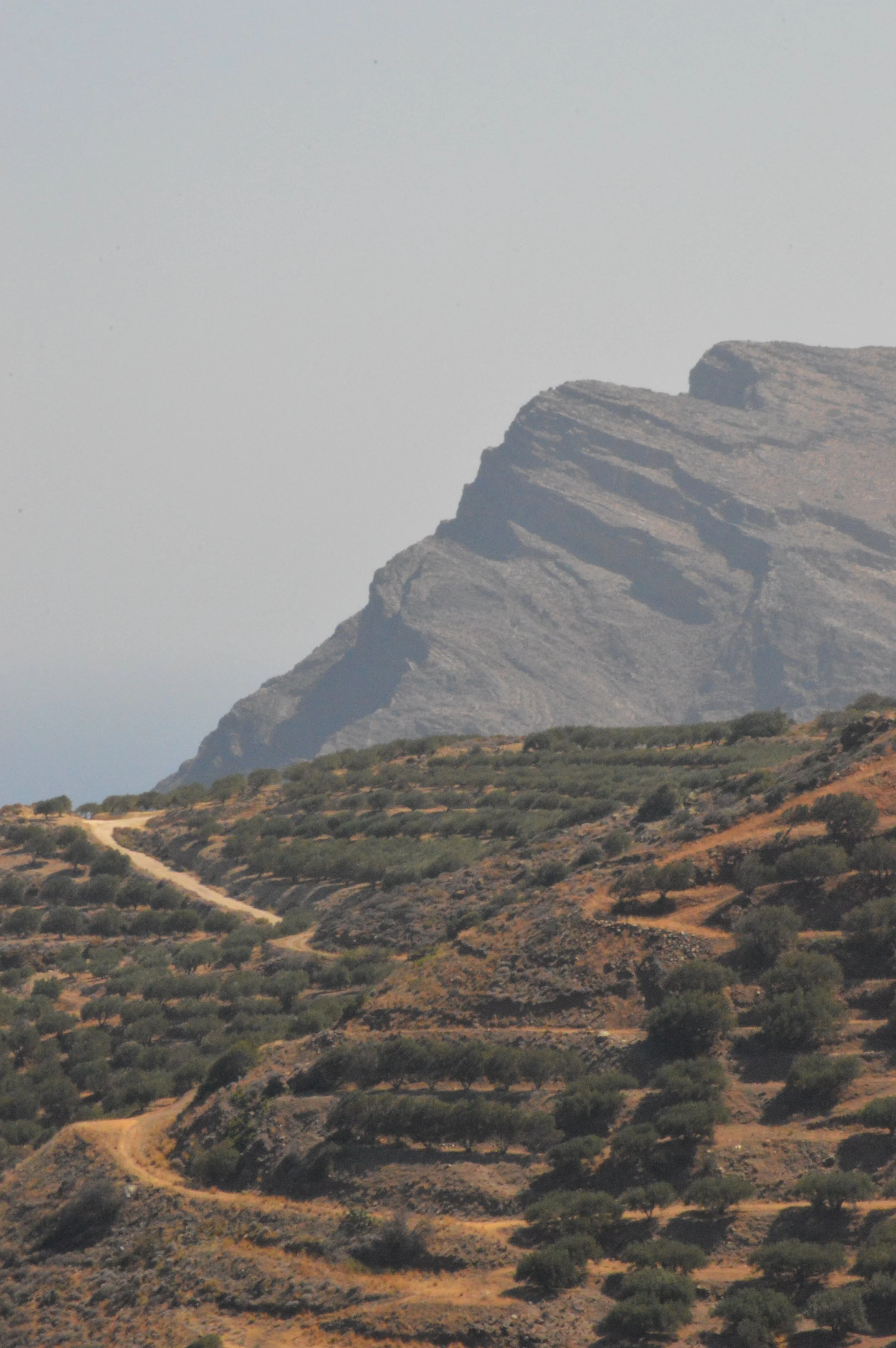
Exo Mouliana: Discover the traditional village from which the gorge begins, surrounded by olive groves and mountain scenery.
Kavousi: Visit a traditional village with a rich agricultural history and beautiful views towards the Gulf of Mirabello.
Ancient Olive Tree of Kavousi: Discover the famous ancient olive tree near the archaeological site of Azoria, an important natural and cultural landmark of the region.
Mochlos: Explore a picturesque seaside village known for its small harbour, traditional tavernas and nearby Minoan archaeological site.
Sitia: Visit the eastern coastal town, known for its relaxed atmosphere, waterfront, local food and connection with the wider Sitia Geopark.
Richtis Gorge is one of the most rewarding nature experiences in Eastern Crete, offering a rare combination of flowing water, lush vegetation, historic stone structures and an impressive waterfall. Its peaceful woodland environment and secluded beach make it a memorable destination for visitors who want to discover a greener and less familiar side of the island.
For travellers staying in Agios Nikolaos, an excursion to Richtis Gorge is an excellent way to explore the eastern part of Crete and experience its remarkable natural diversity. Organised tours with Explore Agios Nikolaos also provide an opportunity to discover this beautiful landscape as part of a guided trip.