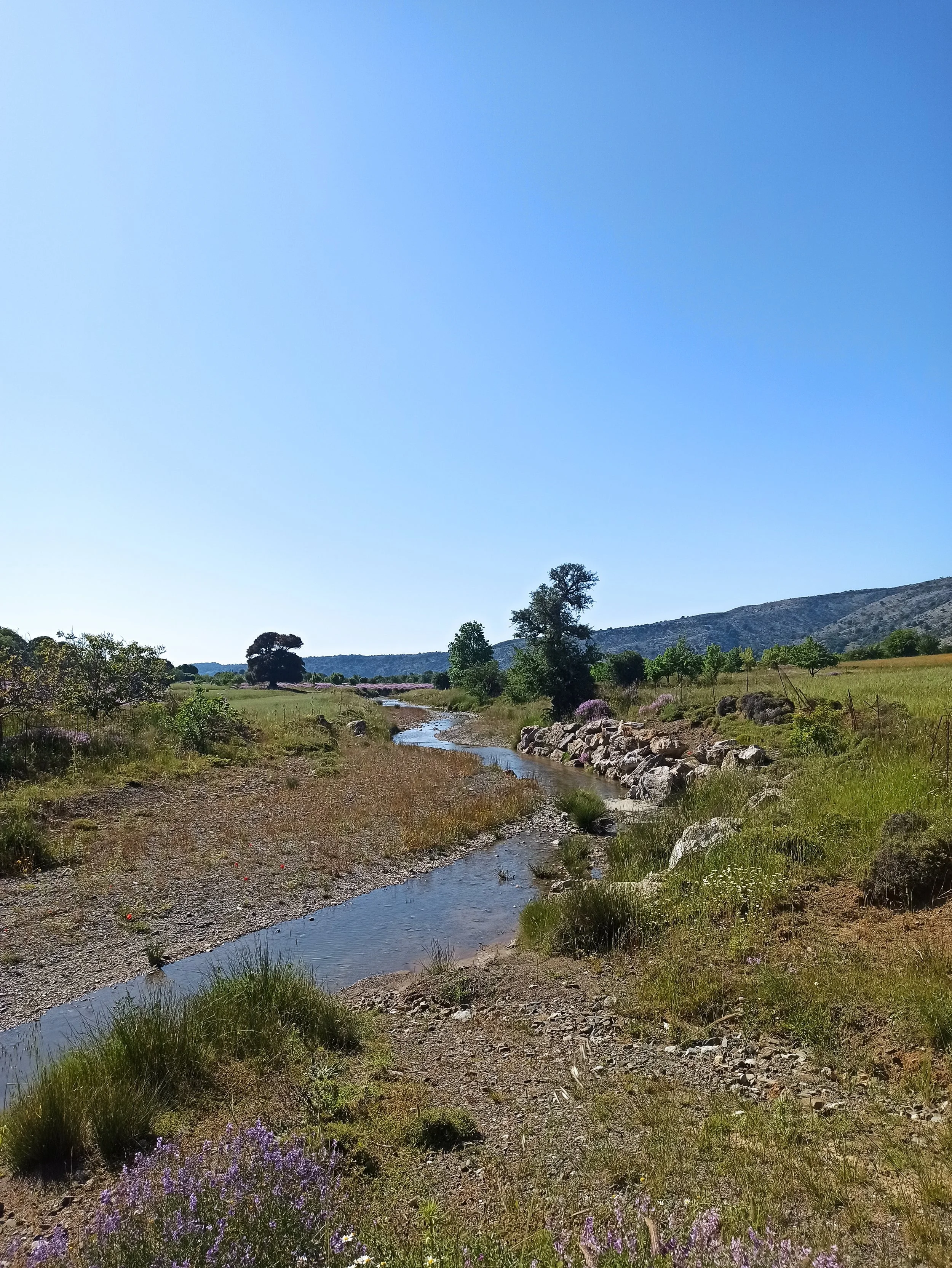
Discover Authentic Crete: 10 Experiences Beyond the Tourist Resorts
Crete is famous for its beaches, seaside resorts and archaeological sites, but there is another side of the island waiting to be discovered. Away from the busiest tourist areas, traditional villages, mountain landscapes, family-run tavernas and centuries-old customs offer visitors a closer look at everyday Cretan life.
In Eastern Crete, around Agios Nikolaos and the wider Lasithi region, travellers can explore historic settlements, discover traditional crafts, taste local food and learn about the island's agricultural and pastoral traditions. These experiences are not simply attractions to visit. They are opportunities to understand the relationship between Cretan people, their history and the landscape in which they live.
If you want to discover a more personal side of the island, here are ten experiences that will help you explore authentic Crete beyond the tourist resorts.
1. Explore Traditional Cretan Villages
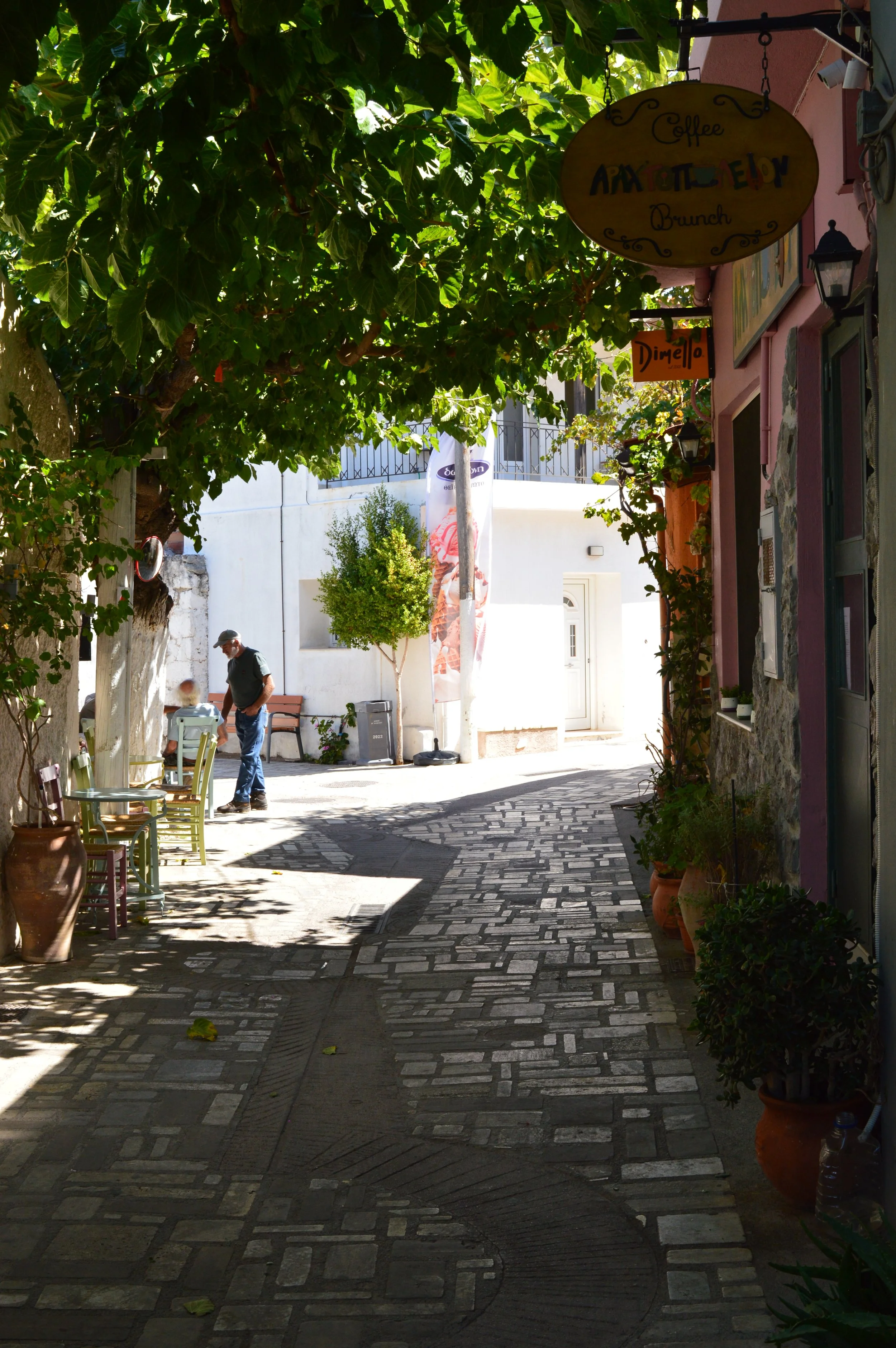
Kroustas village - Arachtopolio cafe
One of the best ways to discover the character of Crete is to spend time in its traditional villages. Away from the large hotels and busy coastal areas, village life follows a different rhythm. Small squares, narrow streets, old stone houses, churches and traditional cafés reveal a side of the island that visitors often miss.
Near Agios Nikolaos, Kritsa is an excellent place to begin. Known for its long history and traditional weaving, the village has picturesque streets, local shops and a strong cultural identity. Nearby, Kroustas offers a quieter mountain atmosphere and is well known for traditional Cretan food.
Other villages worth exploring include Vrachasi, with its traditional architecture and mountain setting; Neapoli, with its historic centre and local character; and Mochlos, a small coastal settlement where fishing traditions remain part of the village's identity.
Take your time when visiting these places. Stop for a coffee, talk with local shopkeepers, visit a small church or enjoy a meal at a village taverna. Often, the most memorable moments come from these simple experiences.
2. Discover Cretan Culture with a Local Guide
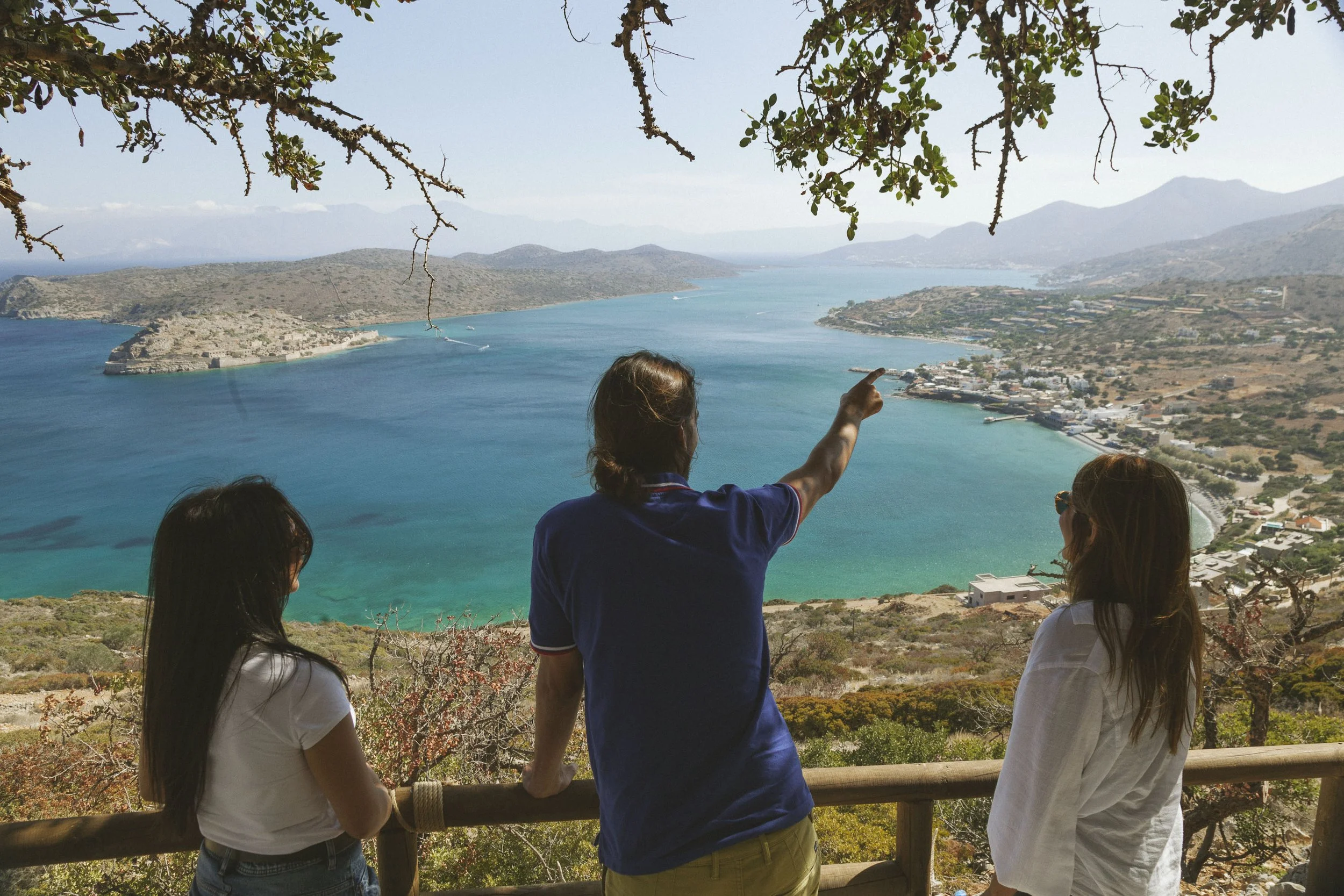
Plaka viewpoint
Visiting a village is one thing; understanding its history and traditions is another. Many places in Crete have stories that are not immediately visible to visitors. Old buildings, churches, monuments and even ordinary village streets can reveal important details about the island's past.
A guided cultural walk can help you understand how local communities developed, how people lived in earlier generations and how traditions continue today.
In Eastern Crete, villages such as Kritsa and the settlements around North Mirabello offer opportunities to explore local architecture, religious heritage, rural life and regional history. A knowledgeable local guide can also introduce you to places and details that you might otherwise overlook.
For travellers interested in understanding Crete beyond its popular attractions, a cultural tour is a rewarding way to connect the places they visit with the people and stories behind them.
3. Taste Traditional Cretan Food in Local Taverns
Food is an important part of Cretan culture, and exploring the island through its cuisine is an experience in itself.
Traditional Cretan cooking is closely connected to the land and the seasons. Olive oil, vegetables, legumes, herbs, local cheeses, fresh fish and meat from local farms are common ingredients. Many recipes have been passed down through families and are still prepared in traditional ways.
When visiting a village, look for a local taverna rather than choosing only restaurants in the busiest tourist areas. You may discover dishes such as:
Dakos: Barley rusks topped with tomato, olive oil and local cheese.
Kalitsounia: Small traditional pies, often filled with local cheese or wild greens.
Gamopilafo: A traditional rice dish associated with Cretan celebrations.
Antikristo: Lamb or goat slowly roasted around a fire, a preparation particularly associated with the mountain villages of Crete.
Horta: Wild greens, usually boiled and served with olive oil and lemon.
Local cheeses: Including graviera, mizithra and other regional varieties.
Menus and ingredients change according to the season and the individual taverna. Ask what is prepared that day and which dishes are local specialities. This is often the best way to discover the food traditions of the area.
4. Learn About Traditional Cretan Cooking
For visitors who want to go beyond tasting Cretan food, taking part in a traditional cooking experience can be especially rewarding.
Cretan recipes are closely connected to family life, local ingredients and seasonal habits. Cooking with someone who knows these traditions offers a different perspective on the island's culture.
A traditional cooking workshop may introduce you to the preparation of local pies, fresh salads, vegetable dishes, handmade pasta or other regional recipes. You can learn how ingredients are selected, how traditional techniques are used and why certain dishes are connected to particular seasons or celebrations.
The experience is also about sharing food and conversation. In Crete, meals are often social occasions, and sitting around a table is an important part of local hospitality.
When choosing a cooking experience, look for one that uses local ingredients and gives you the opportunity to understand the traditions behind the recipes, rather than simply following a demonstration.
5. Discover the Importance of Olive Oil in Cretan Life
Olive trees are an essential part of the Cretan landscape. Across Eastern Crete, extensive olive groves cover hillsides, valleys and mountain slopes. Olive cultivation has shaped the local economy, rural traditions and everyday cooking for generations.
Learning about olive oil is a good way to understand the connection between the island's agriculture and its food culture.
A visit to a traditional olive mill, where available, can introduce you to the production process, from harvesting the olives to extracting and storing the oil. Some experiences also include tastings, allowing visitors to recognise differences in aroma, flavour and quality.
The olive harvest generally takes place during the cooler months, with timing varying according to the area, weather and agricultural conditions. Visiting during this period can provide a closer look at an important part of rural life.
Even outside the harvest season, driving through the olive groves and learning about the role of olive cultivation in the local economy can add another dimension to your journey through Eastern Crete.
6. Experience the Mountain Life and Shepherd Traditions
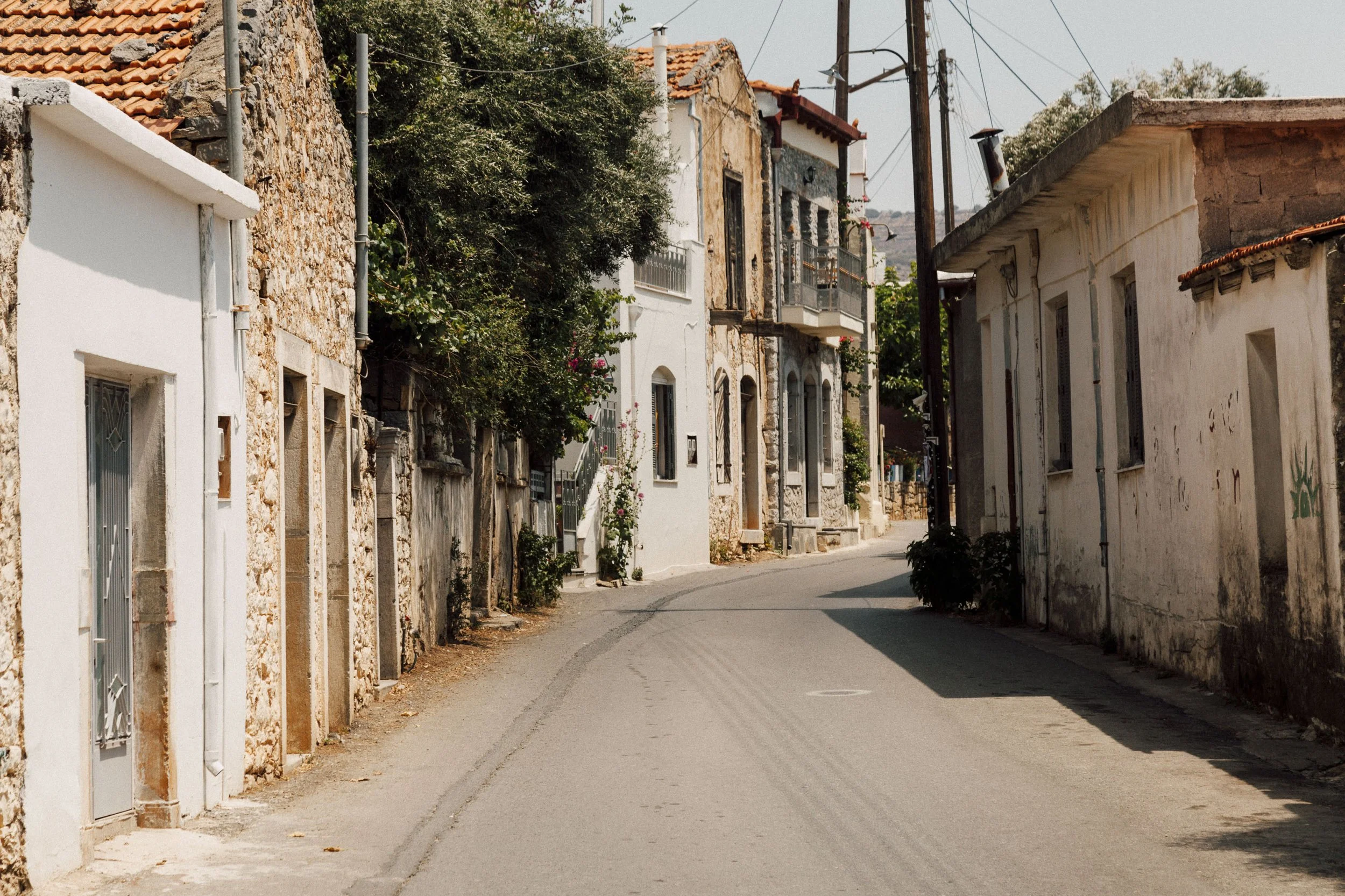
Crete is not only an island of beaches. Its mountains and plateaus have supported farming and livestock traditions for centuries.
In the countryside of Lasithi, shepherding remains an important part of the region's rural heritage. Traditional sheep and goat farming has influenced local food, customs and the way people use the mountain landscape.
The Lasithi Plateau is one of the best-known mountain areas in Eastern Crete, with villages, cultivated fields and views towards the surrounding mountains. The Katharo Plateau, above Kritsa, offers a more remote mountain setting and a strong connection to traditional pastoral life.
A guided experience focused on shepherd traditions can help visitors understand the work involved in caring for livestock, the production of local cheese and the relationship between shepherds and the natural environment.
These experiences are particularly interesting for travellers who want to understand how Cretan life developed outside the coastal towns. They also offer a different perspective on the island's landscapes, which are often seen only as scenic viewpoints during a road trip.
7. Visit Byzantine Churches and Historic Monasteries
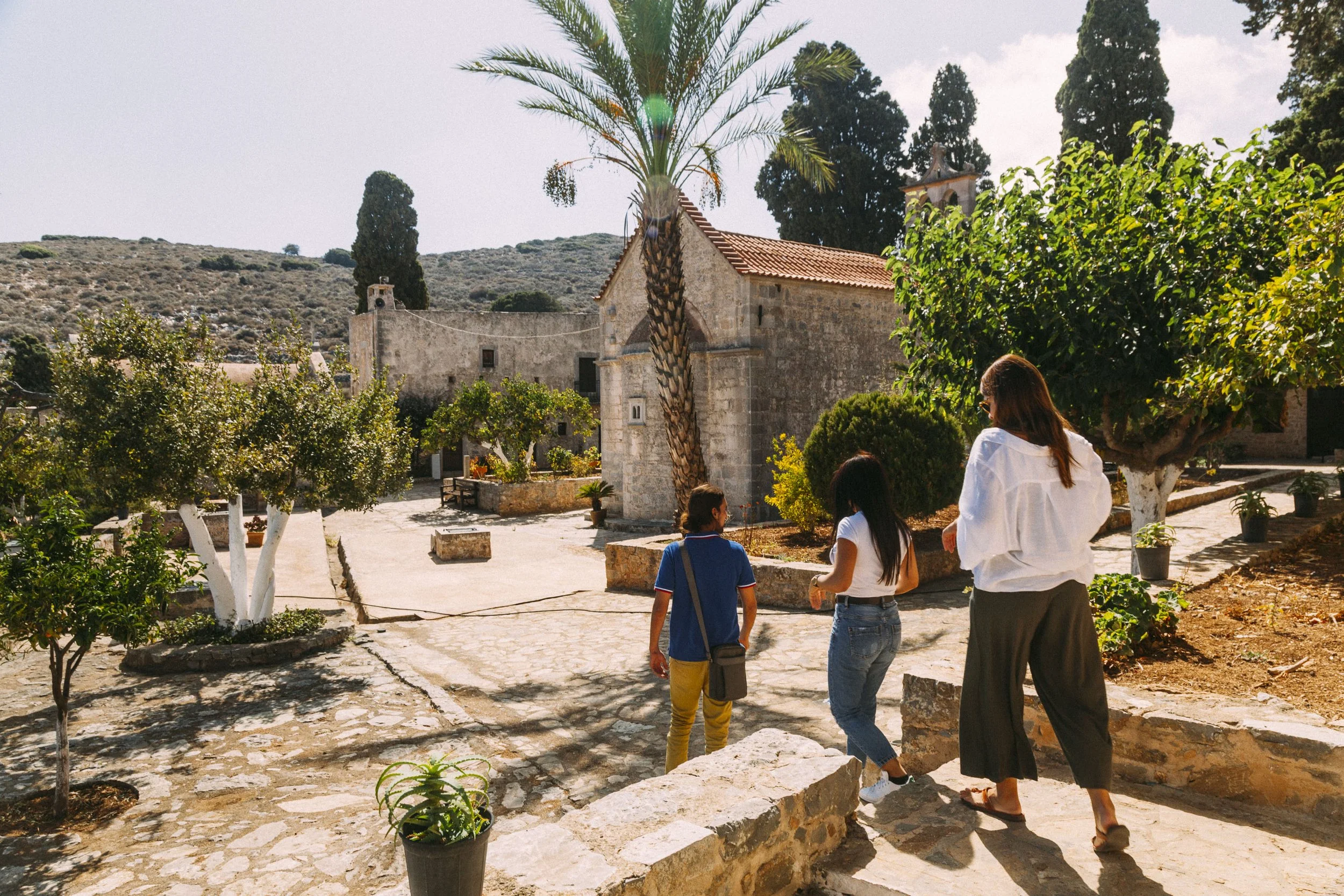
Crete's religious heritage is an important part of its history and cultural identity. Across Eastern Crete, small churches, Byzantine monuments and historic monasteries preserve centuries of art, architecture and religious tradition.
One of the most significant monuments in the Agios Nikolaos area is Panagia Kera, near Kritsa. The church is particularly known for its remarkable Byzantine frescoes, which date mainly from the 13th and 14th centuries.
Other places worth discovering include the Monastery of Kremasta near Neapoli, the Monastery of Areti in the Mirabello area and the historic Toplou Monastery near Sitia.
These sites offer more than beautiful architecture. They help visitors understand the religious life of local communities and the historical importance of monasteries in Crete.
When visiting churches and monasteries, remember that they are active or historically significant religious places. Dress respectfully, follow any photography restrictions and check opening arrangements before travelling, as access may vary.
8. Discover Traditional Crafts and Local Handicrafts
Traditional crafts are another important part of Cretan cultural heritage. For generations, local people produced textiles, embroidery, pottery, baskets and everyday objects using skills passed from one generation to the next.
Kritsa is particularly associated with weaving and embroidery. Visitors can find handmade textiles and traditional designs in local shops, although the availability of particular crafts and demonstrations can vary.
Exploring these crafts helps visitors understand how practical household skills developed into expressions of local identity. Patterns, colours and materials often reflect the natural environment and the history of the communities where they were created.
When buying souvenirs, consider choosing locally made products rather than mass-produced items. This supports small businesses and craftspeople while giving you something with a genuine connection to the place you visited.
If you are interested in seeing traditional techniques, ask locally whether a workshop or demonstration is available during your stay.
9. Explore Crete's Gorges, Forests and Mountain Trails

The natural landscapes of Eastern Crete offer many opportunities for visitors who enjoy walking, hiking and outdoor activities.
Beyond the well-known beaches, the region has impressive gorges, forests, plateaus and mountain routes. These landscapes reveal a different side of the island and often provide a quieter way to experience its natural environment.
Some interesting places to explore include:
Kritsa Gorge: A scenic route close to Kritsa, offering an opportunity to explore the rocky landscape beneath the village.
Richtis Gorge: Known for its lush vegetation, running water and waterfall, particularly attractive during suitable conditions.
Sarakina Gorge: A dramatic gorge near Myrtos, with impressive rock formations.
Kroustas Cypress Forest: An area of natural beauty with a distinctive landscape and walking opportunities.
Katharo Plateau: A mountain landscape with open views, rural surroundings and routes for exploring the countryside.
Before setting out, check the route, weather conditions, access and difficulty level. Some gorges and mountain trails require suitable footwear, preparation and experience. In more remote or challenging areas, going with a local guide is a sensible choice, especially if you are unfamiliar with the terrain.
10. Experience the Coastal Life of Eastern Crete
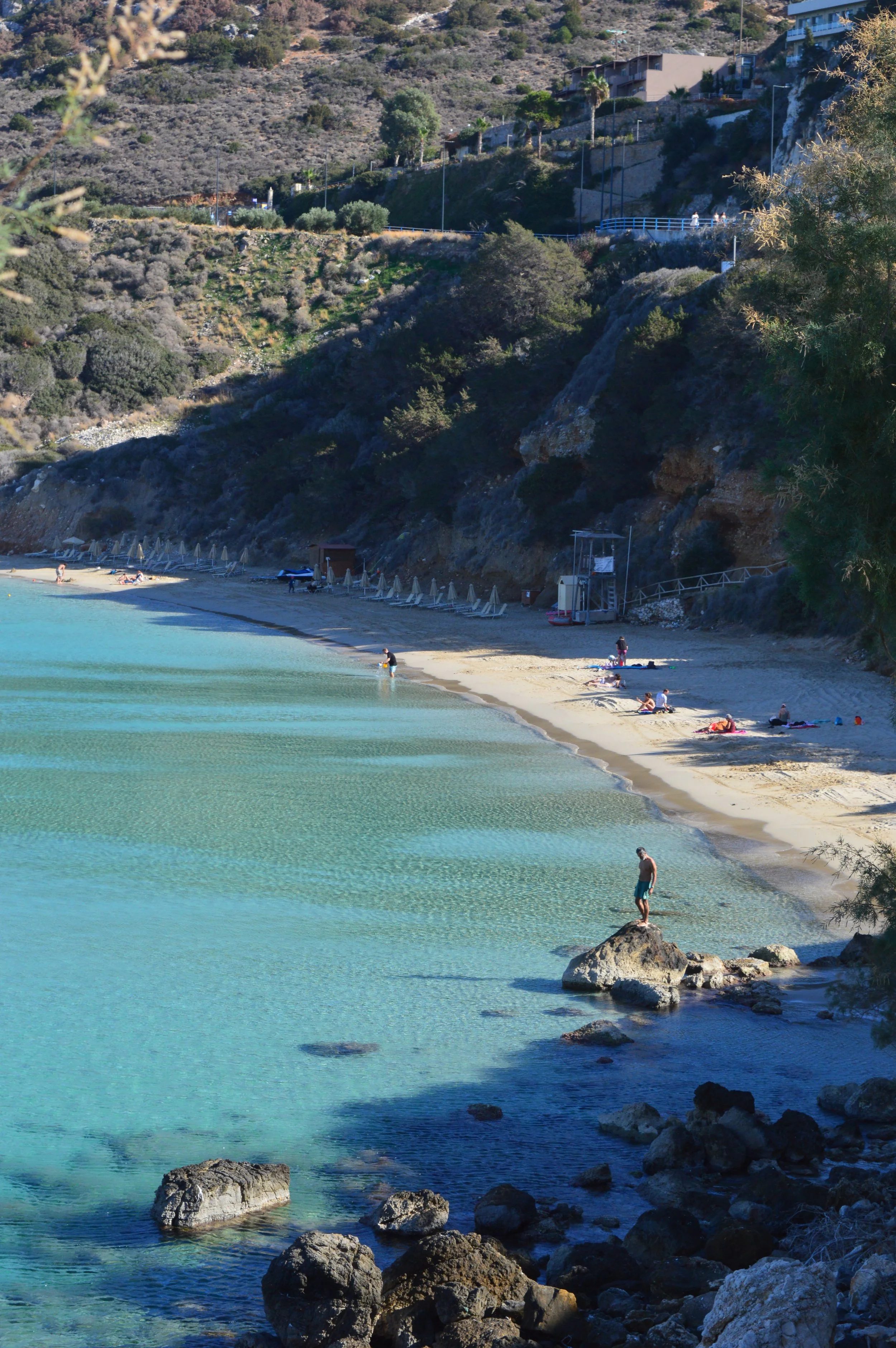
Crete's relationship with the sea is just as important as its connection to the mountains. Fishing, maritime trade and coastal activities have shaped the history of many villages around Mirabello Bay and the wider Lasithi coastline.
Places such as Mochlos, Milatos and Plaka offer opportunities to discover this coastal character. Their harbours, fishing boats, seaside taverns and local atmosphere provide a different experience from the island's larger resort areas.
In Milatos, for example, the fishing harbour is closely connected to the village's identity. In Mochlos, visitors can enjoy a relaxed seaside setting and discover the archaeological remains on the small island opposite the village. Plaka offers beautiful views towards Spinalonga and a strong connection to the history of the area.
Spend some time by the harbour, enjoy fresh seafood when available and observe the daily rhythm of these coastal communities. If you are interested in maritime traditions, local boat activities or fishing-related experiences, ask about options available in the area during your visit.
How to Experience the Authentic Side of Crete Respectfully
Discovering local culture is not simply about finding places that are less crowded. It is also about approaching communities with respect and an interest in their everyday life.
A few simple choices can make your experience more meaningful:
Spend time in villages: Do not limit your visit to a quick photograph. Explore the streets, stop for a coffee and support local businesses.
Choose local products: Buy handmade crafts and regional food products from local producers when possible.
Respect religious places: Follow local customs and any rules concerning clothing, photography and access.
Support small businesses: Family-run tavernas, workshops and local guides help keep traditional knowledge and local economies active.
Travel at a relaxed pace: Allow time for unexpected stops and conversations rather than trying to visit too many places in one day.
Consider a local guide: Local knowledge can help you understand the history, traditions and landscapes of places you might otherwise experience only superficially.
Authentic experiences are not staged performances or guaranteed encounters. They are opportunities to discover the real character of a place while respecting the people who live there.
Discover Eastern Crete with Local Guides
Eastern Crete has much more to offer than its popular beaches and seaside resorts. Its traditional villages, mountain landscapes, religious monuments, food traditions and coastal communities reveal a rich cultural identity that deserves time and attention.
For travellers who want to explore beyond the usual tourist routes, local guided experiences can make a real difference. A cultural walk through a traditional village, a visit to a historic monastery, an exploration of mountain life or a journey through the countryside can help bring the region's stories to life.
At Agios Nikolaos Travel Guide, we focus on helping visitors discover the places, traditions and experiences that make Eastern Crete special. Explore our local tours and experiences to find ways to discover the region with a deeper understanding of its history, culture and everyday life.
Whether you are visiting for a few days or staying longer, take the opportunity to explore beyond the resorts. Some of the most memorable parts of Crete are found in its villages, mountains, small harbours and the everyday traditions of its people.
Frequently Asked Questions
What is the most authentic part of Crete to visit?
There is no single place that represents all of Crete. In Eastern Crete, villages such as Kritsa, Kroustas, Vrachasi, Neapoli and Mochlos offer different perspectives on local history, food, architecture and traditions. Exploring several villages is a good way to understand the region.
Where can I experience traditional Cretan life near Agios Nikolaos?
Kritsa and Kroustas are excellent starting points, while the villages of North Mirabello and the mountain settlements around Lasithi offer further opportunities to discover local customs, traditional food and rural landscapes.
What traditional food should I try in Crete?
Some well-known dishes include dakos, kalitsounia, gamopilafo, antikristo and local cheeses. Seasonal vegetables, wild greens, olive oil and fresh seafood are also important parts of Cretan cuisine.
Can I visit traditional villages without a tour?
Yes. Many villages in Eastern Crete can be explored independently, particularly if you have a rental car. However, a local guide can provide historical context, explain traditions and introduce you to details that may be difficult to discover on your own.
When is the best time to discover authentic Crete?
Spring and autumn are particularly pleasant for exploring villages, hiking and visiting cultural sites, thanks to generally milder temperatures. Summer is also a good time to visit, although it can be hotter and busier in popular areas. Winter offers a quieter perspective on local life, but some visitor facilities and activities may have reduced availability.