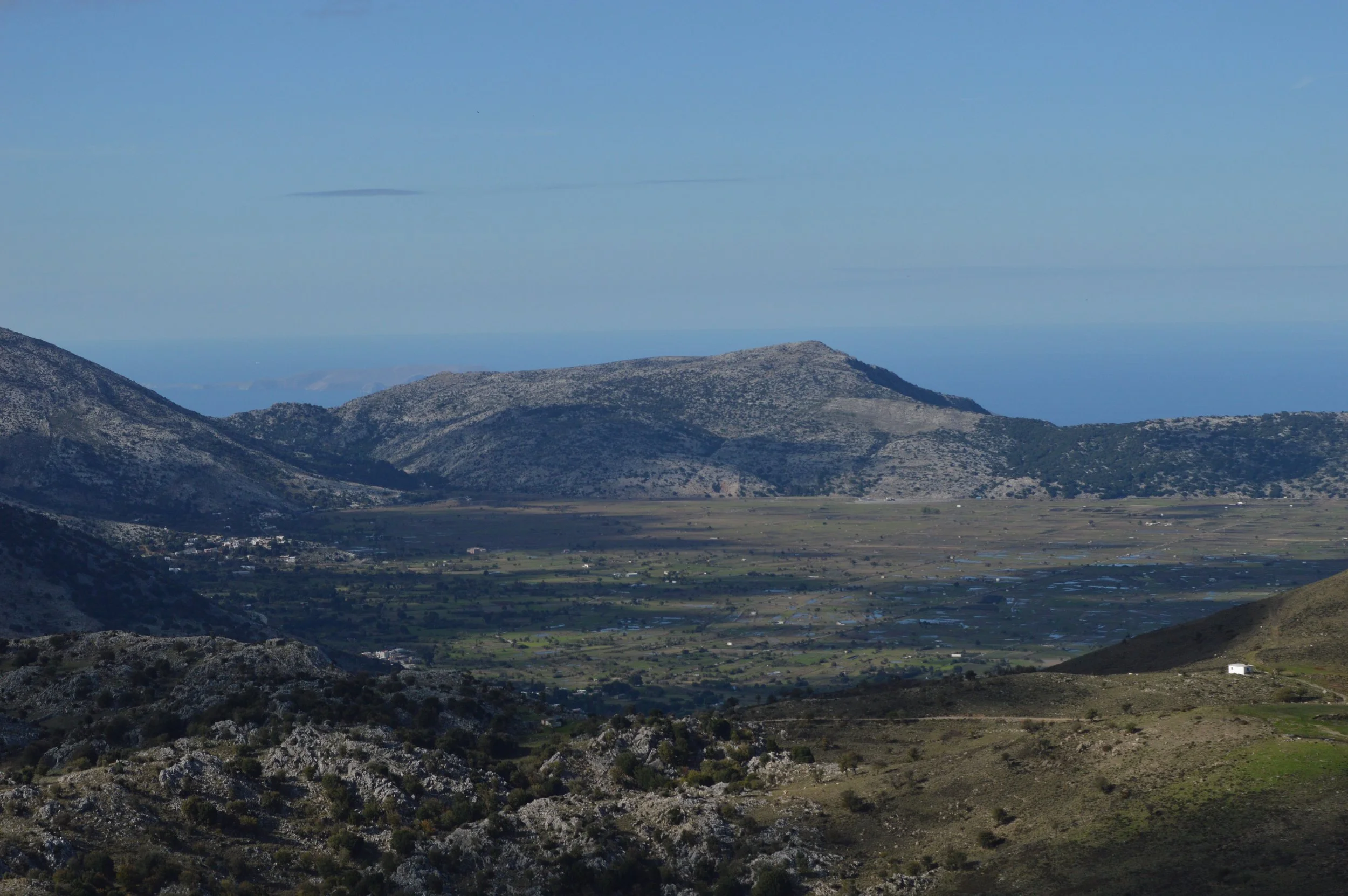
The Lasithi Plateau: Villages, History and Traditional Cretan Life
High in the Dikti Mountains of Eastern Crete, surrounded by impressive mountain peaks, lies the Lasithi Plateau, one of the island's most distinctive rural landscapes. At an altitude of approximately 850 metres, this fertile mountain plain is known for its traditional villages, agricultural fields, historic windmills and strong connection to Cretan culture.
Unlike the busy coastal resorts, the plateau offers a different experience of Crete. Here, the landscape is shaped by farming, small settlements and centuries-old traditions. Visitors can explore picturesque villages, discover the mythology of the Dikteon Cave, admire historic windmills and enjoy traditional food in local tavernas.
The Lasithi Plateau is an excellent destination for travellers interested in history, nature and authentic Cretan life. Whether you visit for a few hours or spend an entire day exploring its villages and surrounding mountains, it offers a memorable opportunity to discover another side of Eastern Crete.
Where Is the Lasithi Plateau?
The Lasithi Plateau is located in the eastern part of Crete, within the Dikti mountain range, in the regional unit of Lasithi. It lies at an average altitude of around 850 metres and is surrounded by mountains, creating a distinctive natural landscape.
The plateau is approximately 50–55 kilometres from Agios Nikolaos and can usually be reached in about an hour by car, depending on the route and road conditions. The drive takes visitors away from the coast and towards the mountainous interior of the island.
The central plain is surrounded by a group of traditional settlements connected by a circular road. This makes it possible to explore several villages during the same visit, stopping along the way to enjoy the scenery, visit local attractions or have lunch in a traditional taverna.
The fertile land and relatively cooler mountain climate have made the plateau an important agricultural area for generations. Potatoes, vegetables, fruit and other local products are closely connected with the region's identity.
The History of the Lasithi Plateau
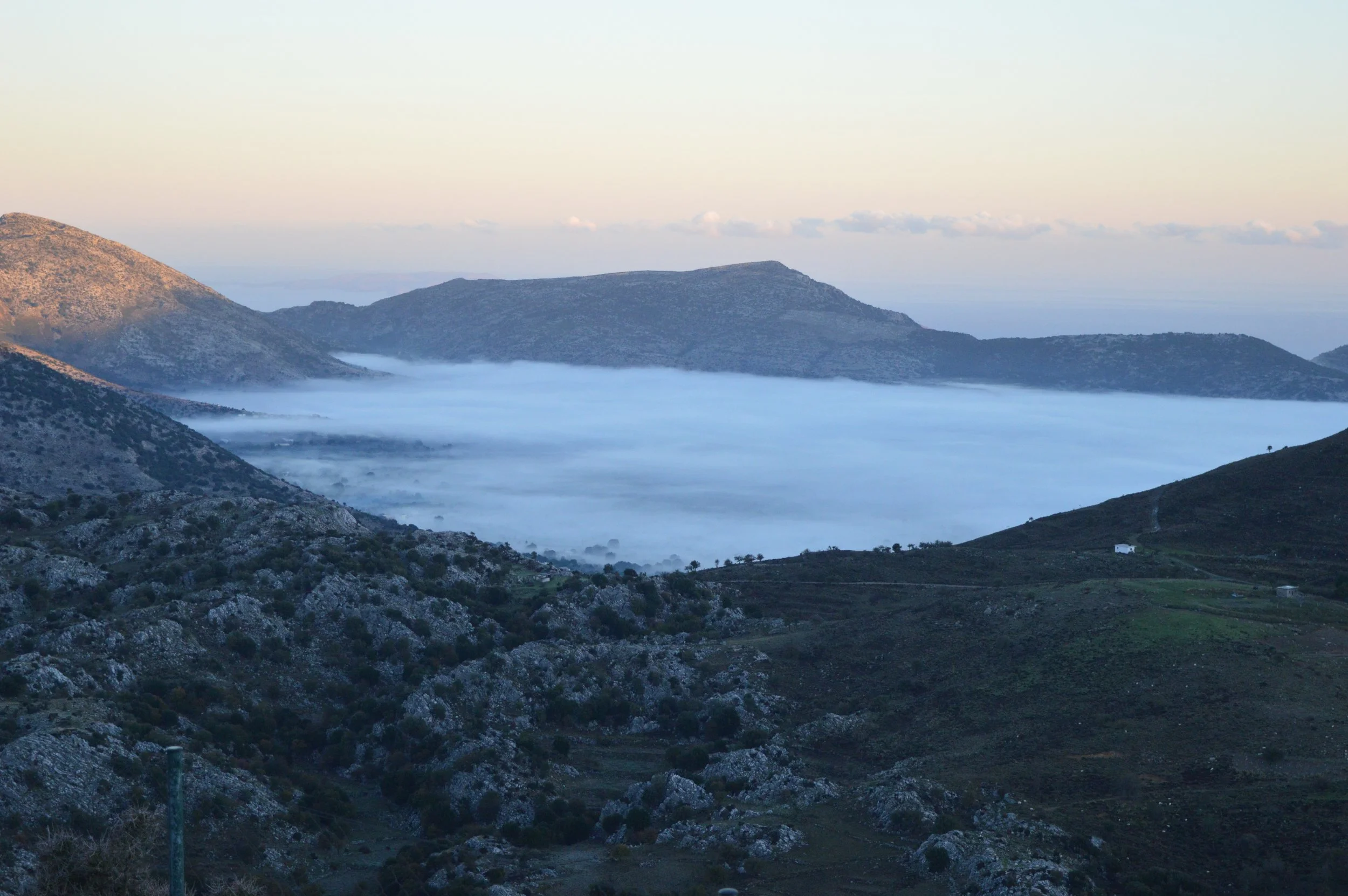
The Lasithi Plateau has a long history of human settlement. Archaeological discoveries in the wider area indicate that people lived here from prehistoric times, while caves and surrounding mountain locations reveal evidence of ancient activity.
During the Minoan period, the region had an important place in the religious and cultural landscape of Crete. The Dikteon Cave, above the village of Psychro, became one of the most significant sacred caves associated with ancient worship.
The plateau also has an important place in the history of Venetian Crete. During the Venetian occupation, the area became associated with resistance against Venetian rule. In the 13th century, the Venetians ordered the removal of the local population and the destruction of settlements and cultivation in the area. The plateau remained largely deserted for a long period before agricultural activity and settlement were gradually restored.
Later, the fertile plain became an important agricultural area. Its fields, irrigation systems and villages developed around farming and livestock activities, shaping the landscape that visitors see today.
The history of the plateau is therefore not limited to ancient mythology. It also reflects the struggles, resilience and agricultural traditions of the people who lived in this mountainous region.
The Traditional Villages of the Lasithi Plateau
One of the most enjoyable ways to explore the Lasithi Plateau is to visit its traditional villages. The settlements are spread around the edges of the fertile plain, each offering a different perspective on local life.
Rather than visiting only one attraction, consider driving around the plateau and stopping in several villages. You will discover traditional houses, small churches, village squares, local cafés and tavernas serving regional food.
Tzermiado
Tzermiado is the largest village on the Lasithi Plateau and serves as the administrative centre of the municipality. Located on the northern side of the plain, it is an important stopping point for visitors exploring the area.
The village has shops, cafés, traditional tavernas and services for the surrounding communities. It is also a good starting point for exploring nearby attractions, including the Seli Ampelou windmills and the Dikteon Cave at Psychro.
Take some time to walk through the village and experience its everyday atmosphere. Tzermiado is not simply a tourist destination; it remains an active community closely connected to agriculture and rural life.
Agios Georgios
Agios Georgios is one of the villages on the southern side of the plateau. It is surrounded by agricultural land and offers a pleasant setting for discovering the rural character of Lasithi.
The village is also home to a folklore museum dedicated to the traditions and everyday life of the local community. Such collections help preserve objects, tools, clothing and memories connected with the agricultural and domestic history of the plateau.
Psychro
Psychro is one of the best-known villages of the Lasithi Plateau because of its connection with the famous Dikteon Cave, also known as the Cave of Zeus.
The village is the starting point for the uphill walk to the cave and has facilities for visitors, including places to eat. Even if you are not planning to visit the cave, Psychro is worth including in a tour of the plateau.
Agios Konstantinos
Agios Konstantinos is a traditional settlement on the southern part of the plateau. Its location provides an opportunity to enjoy the surrounding agricultural landscape and the views towards the mountains.
The village is also close to the historic Monastery of Kroustallenia, making it a useful stop for visitors interested in the religious heritage of the region.
Mesa Lasithi and the Smaller Settlements
The plateau contains several smaller settlements, including Mesa Lasithi, Kaminaki, Marmaketo, Pinakiano, Avrakontes, Lagou and Koudoumalia.
These villages are part of the wider agricultural landscape and help give the plateau its distinctive character. Driving between them allows visitors to see how the settlements are positioned around the fertile plain, with cultivated fields extending towards the surrounding mountains.
You do not need to visit every village to appreciate the area. A relaxed drive with a few carefully chosen stops is often the best way to experience the plateau.
The Windmills of Lasithi: A Symbol of the Plateau
The windmills are among the most recognisable symbols of the Lasithi Plateau. For many years, thousands of traditional windmills stood across the plain, using the wind to pump underground water and irrigate agricultural fields.
Their white sails became part of the characteristic landscape of the plateau. Although most of these agricultural windmills are no longer in operation, they remain an important reminder of the ingenuity and practical knowledge of local farmers.
It is important to distinguish these irrigation windmills from another historic group found at the northern entrance of the plateau.
The Windmills of Seli Ampelou
The windmills at Seli Ampelou, near Tzermiado, form one of the most distinctive preserved windmill complexes in Crete.
Unlike the traditional irrigation windmills scattered across the plain, these stone structures were used for grinding grain. Their construction and position make them an interesting example of traditional engineering adapted to the local wind conditions.
The complex originally included 26 windmills, of which 24 have survived. They are located near the northern entrance to the plateau and make an excellent stop when arriving from the Agios Nikolaos direction.
The windmills are an important part of the region's architectural heritage and offer visitors a glimpse into the agricultural history of Lasithi.
Dikteon Cave: The Mythological Birthplace of Zeus
One of the most important attractions of the Lasithi Plateau is the Dikteon Cave, located above the village of Psychro at an altitude of approximately 1,025 metres.
Also known as the Cave of Zeus, it is traditionally associated with the myth of the birth of Zeus, the most powerful god of ancient Greek mythology.
According to the myth, Rhea gave birth to Zeus in the cave to protect him from his father, Cronus, who feared that one of his children would overthrow him. Zeus was hidden and raised with the help of the Curetes and the goat Amalthea, while Cronus was deceived into swallowing a stone instead of his newborn son.
Beyond its mythological importance, the cave is also a significant archaeological site. Excavations uncovered objects and offerings from different historical periods, indicating that it was used as a place of worship for centuries.
Inside, visitors can admire impressive stalactites, stalagmites and chambers formed over thousands of years. The cave's natural formations and archaeological history make it one of the most interesting places to visit in the region.
The walk from the village of Psychro to the entrance takes approximately 15 minutes uphill, although the path is steep in places. Comfortable walking shoes are recommended.
Practical information: The cave reopened to visitors in May 2026 following restoration and improvement works. Its official visitor information lists seasonal opening hours and ticket prices, but these details can change. Check the latest information before your visit, particularly outside the main summer season.
Monasteries and Religious Heritage
The Lasithi Plateau is also connected to the religious history of the region. Historic monasteries and small churches can be found in and around the settlements, offering visitors another way to understand the cultural identity of the area.
Kroustallenia Monastery
The Monastery of Kroustallenia is located near Agios Konstantinos, surrounded by trees and a peaceful natural environment.
It has a long connection with the religious and historical life of the plateau. Like many monasteries in Crete, it has also been associated with important periods of local history and resistance.
Its location makes it a worthwhile stop when exploring the southern villages of Lasithi.
Vidiani Monastery
The Monastery of Vidiani is located on the northern side of the plateau, near the village of Kato Metochi. It is set in a quiet landscape at the foot of the surrounding mountains.
The monastery is an interesting destination for visitors who want to discover the religious heritage of the area and explore places beyond the plateau's most famous attractions.
When visiting monasteries and churches, remember to dress respectfully and check access arrangements in advance.
The Agricultural Traditions of Lasithi
Agriculture has always been central to life on the Lasithi Plateau. The fertile soil, mountain water sources and local climate have supported farming for centuries.
The area is particularly known for its potatoes, vegetables and fruit. Visitors travelling across the plain can see cultivated fields, greenhouses and small agricultural properties that continue to support the local economy.
Livestock farming is also part of the region's identity. Sheep and goats are raised in the surrounding countryside, contributing to the production of traditional cheeses and other local foods.
These agricultural activities are more than a source of income. They are part of the cultural heritage of the plateau and have influenced local cooking, seasonal traditions and the rhythm of village life.
If you visit during the agricultural season, you may see farmers working in the fields or transporting their produce. It is a simple but meaningful way to understand the connection between the people of Lasithi and their land.
Traditional Cretan Food on the Plateau
A visit to the Lasithi Plateau would not be complete without enjoying a meal at a traditional taverna.
The area's agricultural character is reflected in its cuisine. Local vegetables, potatoes, cheeses, olive oil, meat and seasonal ingredients are commonly found in traditional dishes.
Look for tavernas in villages such as Tzermiado and Psychro, where you can take a break and enjoy the local atmosphere.
Depending on the season and the restaurant, you may find:
Traditional lamb and goat dishes, prepared using local recipes.
Local cheeses, produced from sheep's or goat's milk.
Fresh vegetables and potatoes, grown in the surrounding agricultural area.
Cretan pies, often prepared with cheese or wild greens.
Traditional stews, using seasonal ingredients and local olive oil.
Ask about the dishes of the day rather than choosing only from the standard menu. Local recommendations can lead you to some of the most enjoyable food experiences in the region.
Nature and Outdoor Activities Around the Plateau
The Lasithi Plateau is an excellent destination for visitors who enjoy nature and outdoor activities. Its surrounding mountains, smaller plateaus, caves and hiking routes offer opportunities to explore the region beyond the villages.
Limnakaro Plateau
Located above the southern side of Lasithi, Limnakaro is a smaller mountain plateau surrounded by the peaks of Dikti. It offers a quieter landscape with a strong connection to traditional pastoral activities.
The area is particularly interesting for visitors who enjoy mountain scenery and hiking, although access routes and conditions should be checked before setting out.
Katharo Plateau
The Katharo Plateau lies above Kritsa, on the eastern side of the Dikti mountain range. It is a remote and impressive mountain landscape with traditional rural character, seasonal activity and beautiful views.
It is a separate destination from the Lasithi Plateau, but the two areas can be connected in a wider exploration of the mountains of Eastern Crete, depending on the route and available time.
Havgas Gorge
Havgas Gorge is located in the wider Lasithi Plateau area and offers a different natural landscape from the cultivated plain.
The gorge is formed by the surrounding mountains and provides an opportunity for visitors interested in hiking and exploring the natural environment. Conditions can vary, so it is important to check the route and weather before visiting.
For more challenging mountain routes and remote areas, travelling with a knowledgeable local guide can make the experience safer and more informative.
How to Visit the Lasithi Plateau
The Lasithi Plateau can be visited as a day trip from Agios Nikolaos or as part of a wider journey through Eastern Crete.
A rental car is generally the most convenient way to explore the area, as it allows you to stop in different villages and visit attractions at your own pace.
A good route can include:
Arrive at the northern entrance of the plateau and stop at the Seli Ampelou windmills.
Continue towards Tzermiado and explore the village.
Visit Psychro and the Dikteon Cave, allowing enough time for the uphill walk and cave visit.
Stop at one of the traditional tavernas for lunch.
Explore some of the smaller villages around the plain.
Visit Kroustallenia Monastery or Vidiani Monastery, depending on your route and opening arrangements.
You can comfortably spend several hours exploring the main attractions, but a full day allows more time to enjoy the villages, food and mountain scenery without rushing.
Best Time to Visit
Spring and autumn are particularly pleasant seasons for exploring the Lasithi Plateau. The weather is generally suitable for walking, driving through the villages and enjoying the surrounding landscape.
Summer is also a popular time to visit, especially for travellers looking for a break from the higher temperatures along the coast. However, the plateau can still be warm during the middle of the day.
Winter brings colder weather, and temperatures can be significantly lower than at the coast. Snow is possible in the surrounding mountains, and road conditions should be checked before travelling.
What to Bring
Because the plateau is located at a higher altitude than the coastal towns, conditions can be different from those in Agios Nikolaos.
Consider bringing:
Comfortable walking shoes, especially if visiting the Dikteon Cave.
A light jacket, even during warmer months.
Water and sun protection.
A camera for the mountain scenery and traditional villages.
Some cash for small businesses, depending on the places you visit.
Allow extra time for the journey and avoid planning too many stops if you want to enjoy the area at a relaxed pace.
Discover the Lasithi Plateau with a Local Guide
The Lasithi Plateau is much more than a scenic mountain destination. Its villages, agricultural traditions, religious monuments and archaeological sites reveal an important part of Crete's history and cultural identity.
Exploring the region with a local guide can help you understand the stories behind its landscapes, discover traditional ways of life and visit places that you might otherwise overlook.
At Agios Nikolaos Travel Guide, we believe that discovering Crete means going beyond its beaches and popular attractions. Our cultural tours and local experiences offer opportunities to explore the traditions, history and everyday character of Eastern Crete.
If you would like to discover the mountain villages and cultural heritage of the region, explore our local tours and experiences and plan a more meaningful journey through Eastern Crete.
Frequently Asked Questions About the Lasithi Plateau
How far is the Lasithi Plateau from Agios Nikolaos?
The Lasithi Plateau is approximately 50–55 kilometres from Agios Nikolaos. The drive usually takes around one hour, depending on the route, traffic and weather conditions.
What is the Lasithi Plateau famous for?
The plateau is known for its traditional villages, agricultural production, historic windmills, mountain scenery and the Dikteon Cave, which is associated with the mythological birth of Zeus.
How many villages are on the Lasithi Plateau?
The plateau is surrounded by numerous settlements, commonly described as around 18 villages. These include Tzermiado, Psychro, Agios Georgios, Agios Konstantinos, Kaminaki, Marmaketo, Pinakiano and Mesa Lasithi.
Can I visit the Dikteon Cave?
Yes. The Dikteon Cave reopened to visitors in May 2026 following restoration works. Opening arrangements and ticket prices can change, so check the official visitor information before travelling.
Is the Lasithi Plateau worth visiting?
Yes. It is one of the most interesting destinations in Eastern Crete for visitors interested in traditional villages, rural landscapes, mythology, history and local food. It also offers a different experience from the coastal resorts.
Can I visit the Lasithi Plateau without a car?
It may be possible to reach the area using public transport or organised excursions, depending on the season and available services. However, a rental car or guided tour is generally more convenient for exploring the villages and attractions around the plateau.