7 Days in Eastern Crete: The Perfect Travel Itinerary
Discover the best of Eastern Crete in seven days. Explore Agios Nikolaos, visit the historic island of Spinalonga, wander through traditional villages, relax on beautiful beaches and experience the authentic culture, history and landscapes of the region.
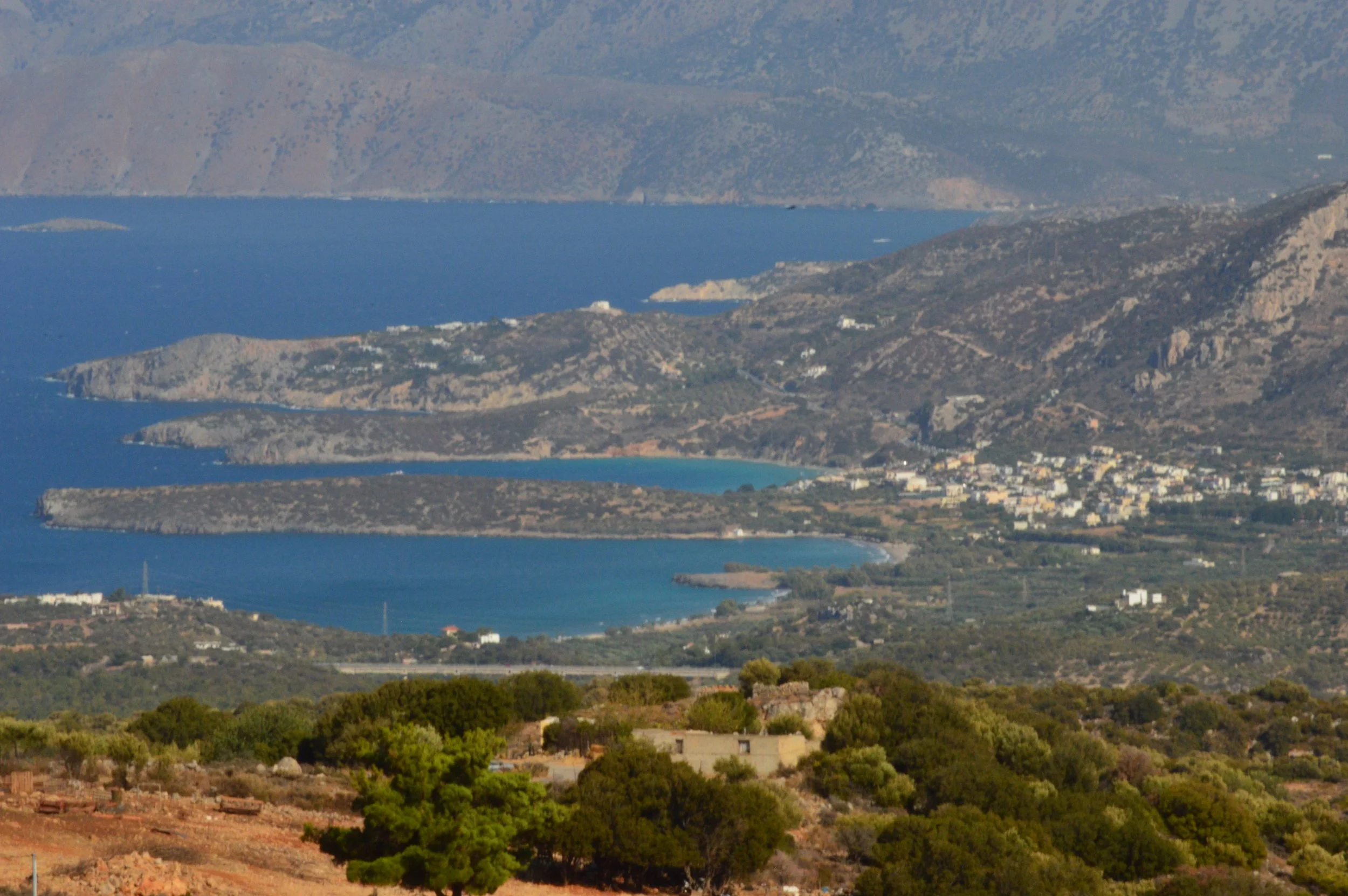
Eastern Crete is one of the most rewarding parts of the island to explore. From the beautiful coastline of Mirabello Bay and the historic streets of Agios Nikolaos to traditional mountain villages, ancient Minoan settlements and spectacular natural landscapes, the region offers an incredible variety of experiences.
For travellers who want to discover more than the typical holiday resorts, spending seven days in Eastern Crete provides an excellent opportunity to experience the island at a relaxed pace.
Agios Nikolaos is an ideal base for exploring the region. Its central location along Mirabello Bay makes it convenient to visit nearby destinations such as Elounda, Kritsa and the Lasithi Plateau, while longer day trips can take you towards Sitia, Vai Beach and Ierapetra.
This seven-day itinerary combines sightseeing, history, beaches, traditional food and outdoor activities, allowing you to discover different aspects of Eastern Crete without rushing from one destination to another.
Whether you are visiting Crete for the first time or returning to explore more of the island, here is how to spend an unforgettable week in Eastern Crete.
Day 1: Discover Agios Nikolaos – Lake, Harbour and Local Atmosphere
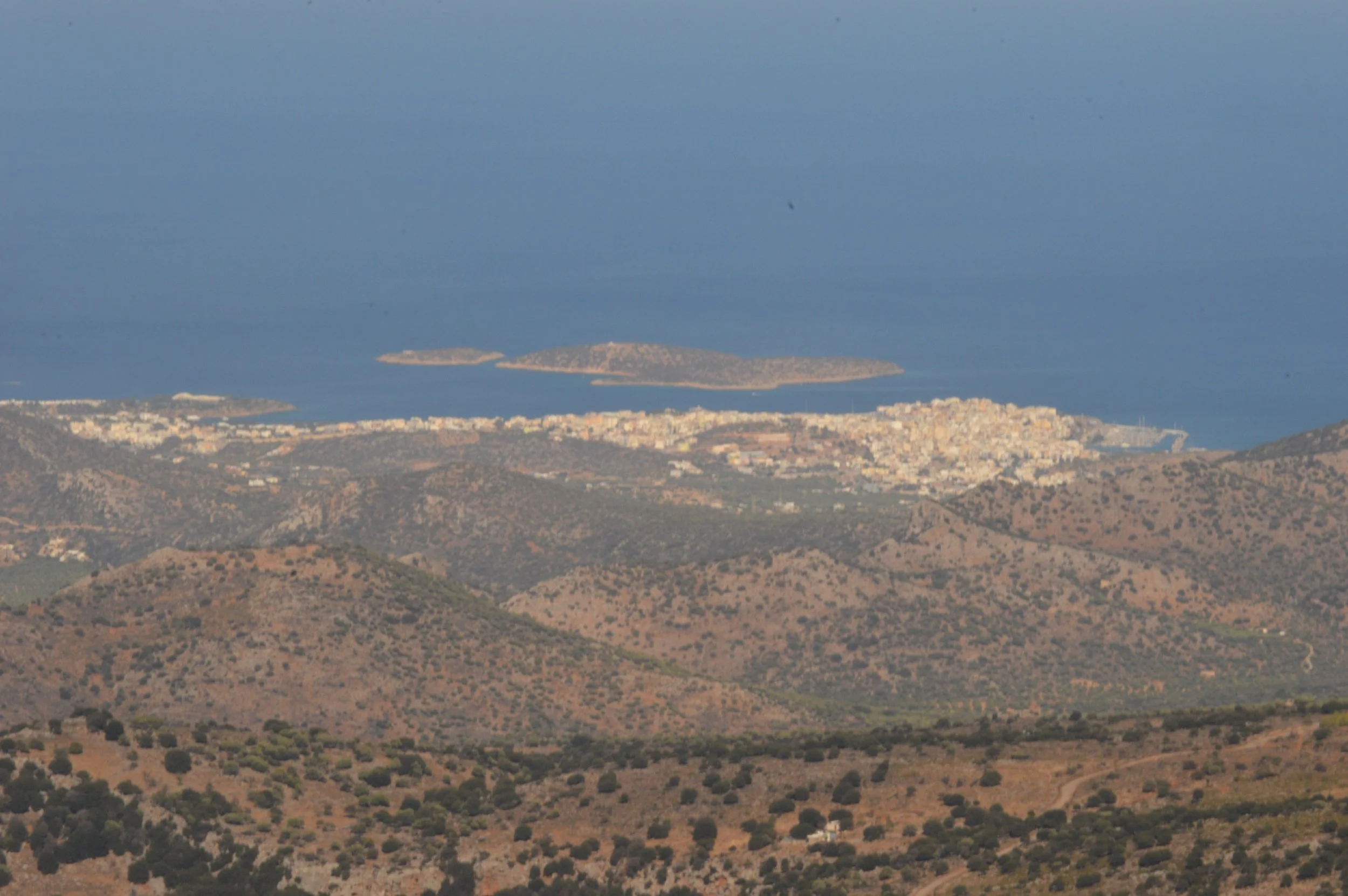
Begin your journey in Agios Nikolaos, one of the most beautiful coastal towns in Eastern Crete.
Start your morning at Lake Voulismeni, the town's most famous landmark. Surrounded by cafés, restaurants and colourful buildings, the lake is the perfect place to enjoy a traditional Greek coffee while admiring the scenery. Local mythology associates the lake with the goddesses Athena and Artemis, adding an interesting mythical dimension to its history.
Continue towards the harbour and marina, where you can enjoy a walk along the waterfront and discover the lively atmosphere of the town. The narrow streets of the centre are filled with small shops, cafés and traditional restaurants, offering plenty of opportunities to experience local life.
If you are interested in history, visit the Archaeological Museum of Agios Nikolaos, which houses important archaeological finds from Eastern Crete, including objects from Minoan settlements.
In the afternoon, spend some time at one of the nearby beaches. Kitroplatia is conveniently located near the centre, while Almyros offers a longer sandy coastline and a more spacious beach environment.
As evening approaches, return to Lake Voulismeni or the harbour and enjoy dinner at a traditional taverna. Try some local Cretan dishes, fresh seafood and regional specialities.
Highlights of the day:
Agios Nikolaos harbour and marina
Kitroplatia or Almyros Beach
Traditional Cretan food and local restaurants
Day 2: Elounda, Plaka and Spinalonga Island

Dedicate your second day to exploring the beautiful coastline north of Agios Nikolaos, where the historic island of Spinalonga and the picturesque villages of Elounda and Plaka await.
Start your day in Elounda, a popular coastal destination known for its beautiful bay, clear waters and impressive views. Walk around the waterfront, enjoy the relaxed atmosphere and discover the remains of Ancient Olous, an important ancient settlement whose archaeological remains can be found partly submerged in the sea.
From Elounda, continue towards Plaka, a charming seaside village directly opposite Spinalonga.
One of the main reasons to visit Plaka is to take a boat trip to Spinalonga Island. The island is famous for its Venetian fortress and its later history as a settlement for people affected by leprosy, which remained in operation until 1957.
Explore the old streets, walk along the impressive fortifications and discover the remains of the settlement while learning about the island's complex history.
After returning to Plaka, enjoy lunch at one of the traditional waterfront tavernas. Fresh fish and seafood are particularly popular here, and the views towards Spinalonga make the experience even more memorable.
In the afternoon, you can relax at Plaka Beach or explore the surrounding coastline before returning to Agios Nikolaos.
Highlights of the day:
Elounda village and waterfront
Boat trip to Spinalonga
Venetian fortress and historical settlement
Traditional seafood in Plaka
Day 3: Kritsa, Panagia Kera and Ancient Lato
On the third day, leave the coastline behind and discover the historical and cultural heritage of the Cretan countryside.
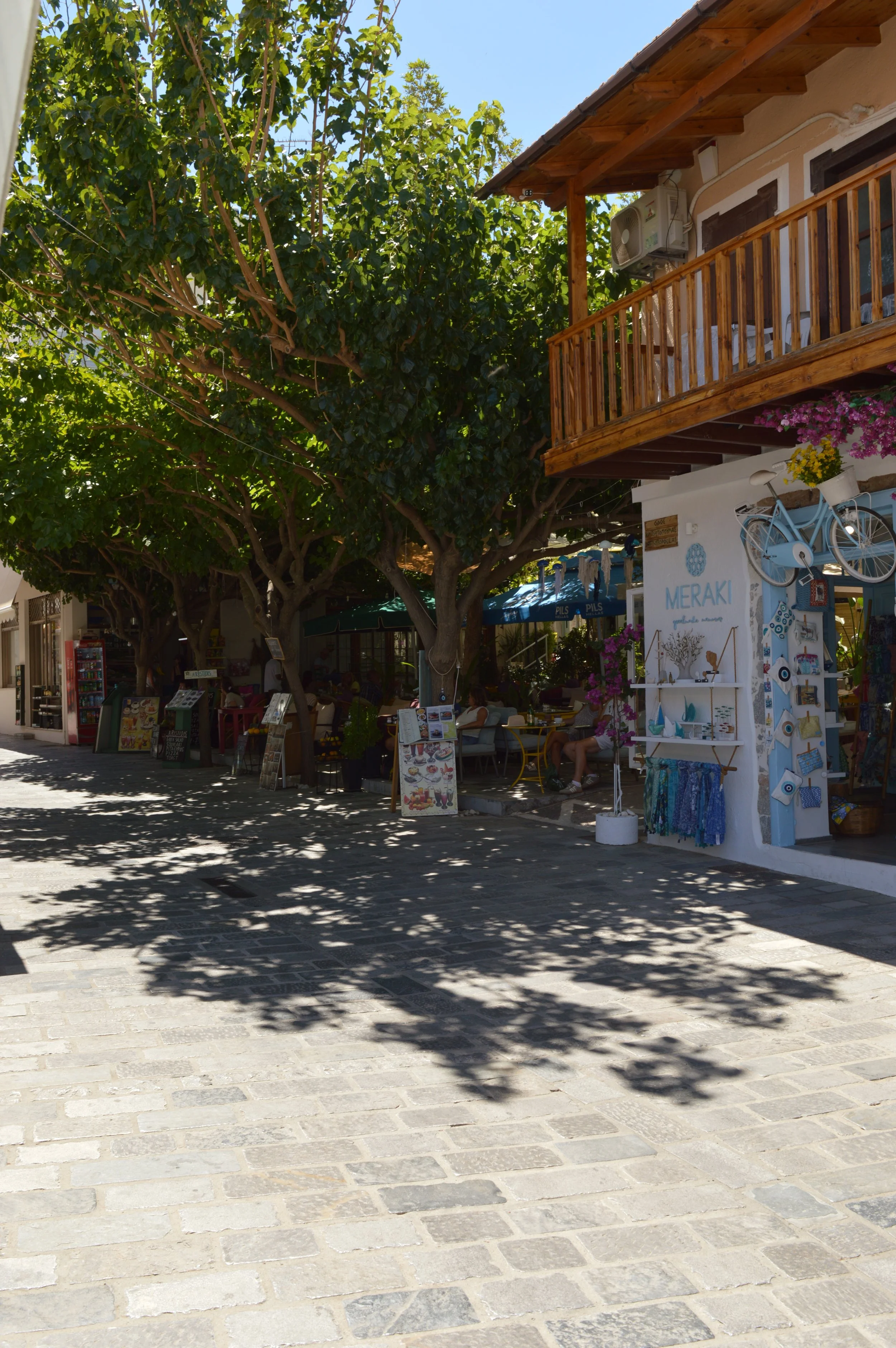
Your first stop is Kritsa, one of the most famous traditional villages in Eastern Crete. Located approximately 10 kilometres from Agios Nikolaos, Kritsa is known for its narrow streets, traditional stone houses, handmade textiles and long-standing cultural traditions.
Spend some time walking through the village, visiting local craft shops and enjoying a coffee in one of its traditional cafés. Kritsa is also an excellent place to discover local products and experience the atmosphere of a traditional Cretan settlement.
A short distance from the village is the Byzantine church of Panagia Kera, one of the most important religious monuments in the region. The church is famous for its remarkable medieval frescoes, which represent some of the finest examples of Byzantine art in Crete.
Continue towards Ancient Lato, an important Doric city built in a naturally protected position between two hills. The archaeological site offers an impressive insight into ancient Cretan urban life, with remains of public buildings, streets, houses and other structures.
The elevated location also provides beautiful panoramic views across the surrounding mountains and countryside.
If you have additional time and enjoy outdoor activities, you can explore the nearby Kritsa Gorge, taking into consideration the route difficulty and current conditions.
Return to Agios Nikolaos in the afternoon and enjoy a relaxing evening.
Highlights of the day:
Traditional village of Kritsa
Local weaving and handmade crafts
Byzantine church of Panagia Kera
Archaeological site of Ancient Lato
Kritsa Gorge and surrounding countryside
Day 4: Lasithi Plateau – Mountains, Villages and Traditional Cretan Life
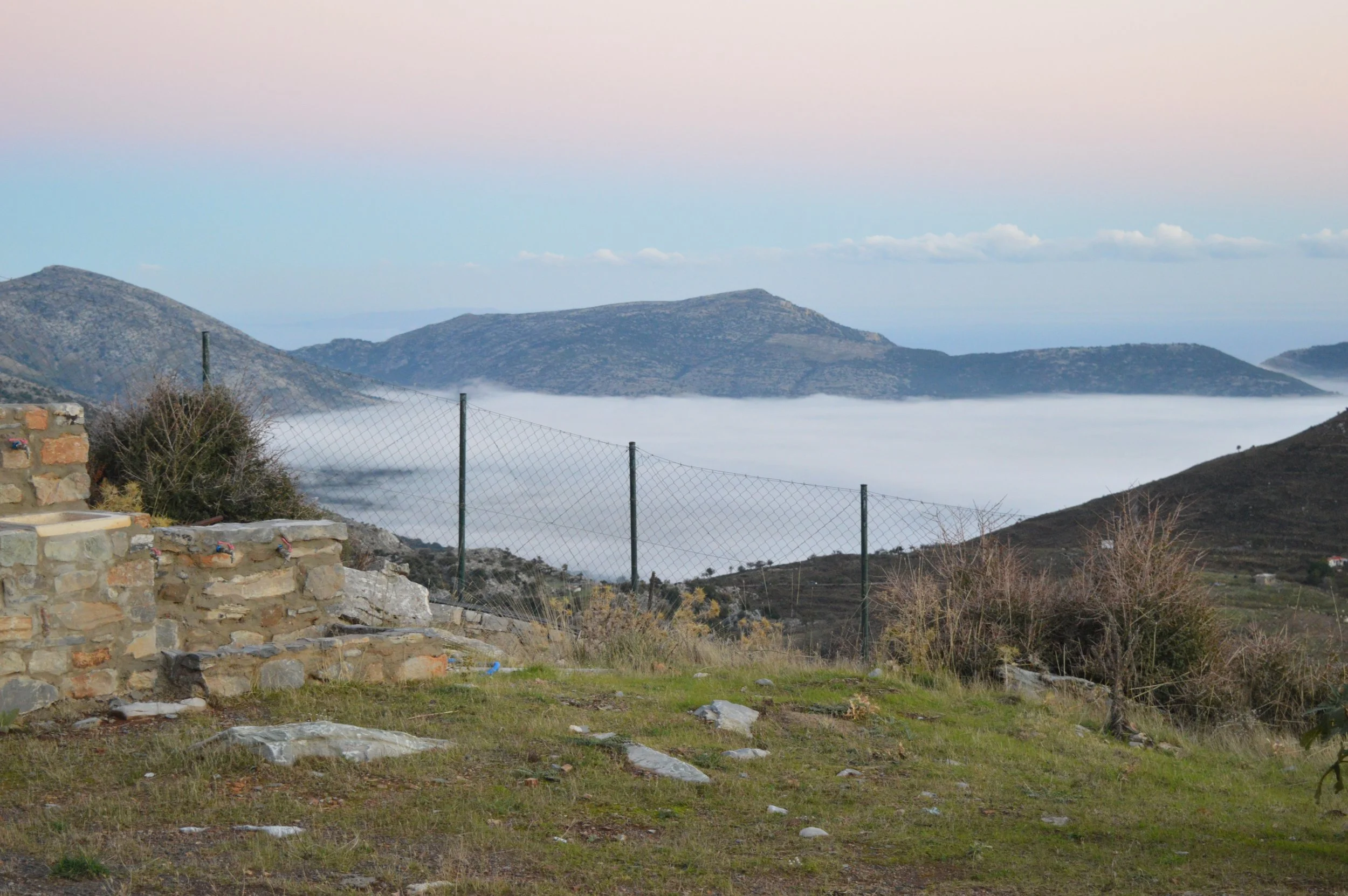
The fourth day takes you into the mountains of Eastern Crete to explore the beautiful Lasithi Plateau, one of the most distinctive landscapes on the island.
Located at an altitude of approximately 850 metres, the plateau is surrounded by the Dikti mountain range and is famous for its fertile agricultural land, traditional villages and historic windmills.
The drive towards the plateau is an experience in itself, with mountain roads offering beautiful views over the surrounding countryside.
Once you arrive, explore the traditional villages scattered around the plateau. Small settlements, stone houses, agricultural fields and local tavernas reveal a different side of Crete, where rural traditions remain an important part of everyday life.
One of the most famous historical attractions in the area is the Dikteon Cave, traditionally associated with the birthplace of Zeus in Greek mythology. The cave has an important place in ancient religious traditions and has attracted visitors for many years. Check its current access arrangements before planning your visit.
You can also explore traditional settlements such as Tzermiado, the main village of the plateau, and enjoy a meal in a local taverna, where traditional dishes are prepared using ingredients from the surrounding countryside.
For travellers interested in nature and mountain landscapes, the Lasithi Plateau offers beautiful opportunities for photography, walking and discovering the quieter side of Eastern Crete.
If you have time, you can also explore nearby Katharo Plateau, a more secluded mountain landscape above Kritsa, although it is best treated as a separate excursion if you want to enjoy both areas without rushing.
Return to Agios Nikolaos in the late afternoon.
Highlights of the day:
Lasithi Plateau
Dikti mountain landscapes
Traditional villages, including Tzermiado
Dikteon Cave and its mythology
Traditional mountain tavernas
Local agricultural traditions
Day 5: Sitia, Toplou Monastery and Vai Palm Beach
Today, explore the eastern part of Crete and discover some of the island's most distinctive coastal and cultural destinations.
This is a longer day trip from Agios Nikolaos, so an early start is recommended.
Begin with Sitia, a beautiful coastal town known for its relaxed atmosphere, traditional character and waterfront promenade. Walk through the town centre, visit the harbour and explore the historic Kazarma Fortress, which overlooks the town.
Sitia is also known for its gastronomic traditions and local products, particularly olive oil and regional wines.
Continue towards the historic Monastery of Toplou, one of the most important religious monuments in Eastern Crete. The monastery has a long history and is known for its impressive architecture, fortified appearance and important collection of religious artefacts and icons.
Afterwards, head towards Vai Beach, one of the most famous natural attractions in Crete.
Vai is particularly well known for its natural palm forest, which creates a distinctive tropical-looking landscape beside the Cretan Sea. The beach features golden sand and beautiful turquoise waters, making it an excellent place to spend the afternoon.
Enjoy a swim, relax on the beach and explore the surrounding natural scenery while respecting the protected environment.
If time allows, you can also visit the nearby archaeological area of Itanos, where the remains of an ancient settlement can be found close to the coastline.
After a full day exploring the eastern part of the island, return to Agios Nikolaos in the evening.
Highlights of the day:
Sitia town and harbour
Kazarma Fortress
Vai Beach and its natural palm forest
Ancient Itanos, if time permits
Day 6: Ierapetra and the Beautiful South Coast
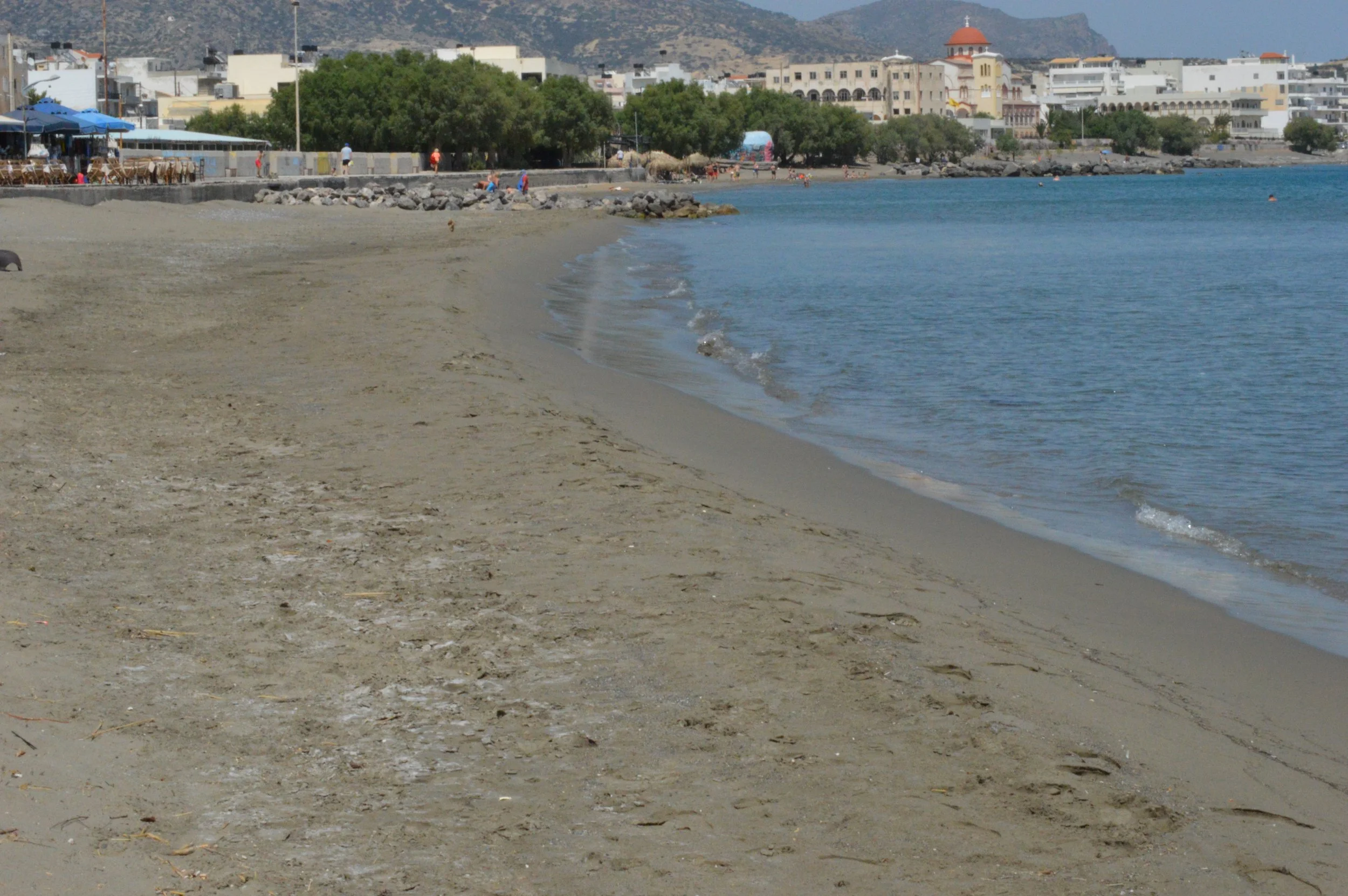
On the sixth day, head south towards Ierapetra, a coastal town with a different atmosphere from the northern side of Eastern Crete.
Located on the southern coast of the island, Ierapetra is known for its warm climate, long waterfront and connection with the Libyan Sea. It is also considered the southernmost town of Europe.
Start by exploring the old town, where narrow streets, traditional buildings and small squares reveal the town's history.
One of its most recognisable landmarks is the Venetian Kales Fortress, located near the old harbour. Built during the Venetian period, the fortress reflects the strategic importance of Ierapetra throughout history.
Continue along the waterfront and enjoy the relaxed atmosphere of the town. You can also visit the local Archaeological Collection to discover some of the area's historical finds.
After exploring Ierapetra, continue along the southern coastline towards Koutsounari, known for its long beach and clear waters.
Alternatively, head towards Myrtos, a charming coastal village with a relaxed atmosphere, traditional tavernas and a beautiful beach.
For visitors interested in nature, the nearby Sarakina Gorge offers another opportunity to discover the impressive landscapes of southern Crete. However, hiking should be planned separately, allowing sufficient time and checking the conditions of the route.
If you are visiting during the appropriate season, you may also consider a boat excursion to Chrissi Island (Gaidouronisi), subject to current access, conservation rules and available services. This is best planned as a separate full-day excursion rather than combined with a full exploration of Ierapetra and the surrounding beaches.
Return to Agios Nikolaos in the evening.
Highlights of the day:
Ierapetra old town
Venetian Kales Fortress
Ierapetra harbour and waterfront
Myrtos village and beach
Sarakina Gorge or a seasonal boat excursion to Chrissi Island
Day 7: Relaxation, Local Experiences and Hidden Places
For your final day in Eastern Crete, take the opportunity to enjoy the region at a slower pace and discover experiences that go beyond the main tourist attractions.
Depending on your interests, you can choose between relaxing at the beach, exploring another traditional village or joining a local cultural experience.
If you enjoy coastal landscapes, return to one of the beautiful beaches around Agios Nikolaos and spend a relaxing morning swimming and enjoying the Mediterranean atmosphere.
Another excellent option is to explore the traditional village of Kroustas, known for its mountain setting, local gastronomy and connection with Cretan rural traditions.
You can also discover Mochlos, a picturesque fishing village on the northern coastline of Eastern Crete. Its small harbour, traditional seafood tavernas and views towards the nearby Minoan archaeological site make it a particularly rewarding destination.
For visitors who enjoy outdoor activities, Eastern Crete offers several opportunities for hiking, cycling and exploring its natural landscapes. Destinations such as Richtis Gorge, Selakano Forest and the mountain landscapes around Katharo provide a different perspective on the island.
Alternatively, use your final day to participate in an authentic Cretan experience. Cultural village tours, traditional workshops, food experiences and local excursions offer opportunities to discover the island's customs, gastronomy and everyday life.
Finish your week with a traditional Cretan dinner and enjoy one last evening in Agios Nikolaos, reflecting on the places and experiences you have discovered.
Highlights of the day:
Relaxing at a beach near Agios Nikolaos
Hiking and outdoor activities
Traditional Cretan food and cultural experiences
Practical Tips for Planning Your Seven Days in Eastern Crete
Where should you stay?
Agios Nikolaos is an excellent base for exploring Eastern Crete, particularly if you want to combine coastal attractions, traditional villages, archaeological sites and mountain landscapes.
The town offers a wide range of accommodation, restaurants, cafés and services, while its location makes it convenient to explore different parts of the Lasithi region.
If you prefer a quieter seaside holiday, Elounda is another attractive option. Visitors who want to spend more time exploring the far eastern coastline may also consider staying in Sitia for part of their trip.
Do you need a rental car?
A rental car is highly recommended for this itinerary.
Although Agios Nikolaos itself can easily be explored on foot, many of the most interesting destinations in Eastern Crete are located in rural or mountainous areas where public transport connections may be limited.
Having your own vehicle gives you the flexibility to visit traditional villages, explore remote beaches and stop at places along the way.
For travellers who prefer not to drive, organised excursions and local guided tours can provide an alternative for exploring selected destinations.
What is the best time to visit Eastern Crete?
Spring, early summer and autumn are particularly attractive periods for exploring Eastern Crete.
April, May and June offer pleasant temperatures for sightseeing, hiking and discovering traditional villages. September and October are also excellent months, with warm sea temperatures and generally more relaxed conditions than the peak summer period.
July and August are ideal for beach holidays and swimming, although popular destinations such as Vai and Voulisma can become busy.
Is seven days enough to explore Eastern Crete?
Seven days provide a good introduction to Eastern Crete, allowing visitors to experience its most important towns, villages, beaches and historical attractions.
However, the region has much more to offer. If you enjoy hiking, archaeology, traditional culture or discovering less-visited places, you could easily spend two weeks exploring the area without running out of interesting destinations.
Can you explore Eastern Crete without a car?
Yes, but your options will be more limited.
Agios Nikolaos has bus connections with other major destinations, while boat excursions provide access to places such as Spinalonga. However, reaching smaller villages, remote beaches and mountain locations independently can be more difficult.
A combination of public transport, organised excursions and guided local experiences can help you explore the region without renting a car.
Discover Eastern Crete with Local Guides
Eastern Crete offers much more than beautiful beaches and popular holiday destinations. Its traditional villages, ancient settlements, mountain landscapes and local traditions reveal a fascinating side of the island that deserves to be explored.
A week is an excellent starting point, but discovering the region with the help of people who know its history, culture and hidden places can make your experience even more rewarding.
At Agios Nikolaos Travel Guide, we help visitors discover the authentic side of Eastern Crete through local tours and experiences. From cultural village excursions and traditional workshops to outdoor activities and local food experiences, there are many ways to connect with the region beyond the usual tourist routes.
Explore our travel guides to plan your next adventure, discover the destinations that interest you most and join one of our experiences to make your holiday in Crete truly memorable.
Discover more, explore deeper and experience the authentic side of Eastern Crete with Agios Nikolaos Travel Guide.