Traditional Cretan Food: 12 Dishes You Should Try in Crete
One of the best ways to discover Crete is through its food. The island's cuisine is closely connected to its landscape, agricultural traditions and way of life. Olive oil, fresh vegetables, wild herbs, local cheeses, meat, seafood and seasonal ingredients form the foundation of many traditional recipes.
Cretan cooking is known for its simplicity. Rather than relying on complicated preparations, many dishes allow the natural flavours of good local ingredients to stand out. Recipes also vary from one region to another, with each area preserving its own specialities and cooking traditions.
Whether you are enjoying lunch in a traditional village taverna, having seafood beside the harbour or visiting a mountain settlement, there are many flavours worth discovering.
If you are visiting Agios Nikolaos or exploring Eastern Crete, here are 12 traditional Cretan dishes and specialities you should try during your stay.
1. Dakos – The Famous Cretan Barley Rusk Salad
Dakos is probably the most recognisable dish of Cretan cuisine. Simple but full of flavour, it is prepared using a traditional barley rusk called paximadi, topped with fresh grated or chopped tomato, local cheese, olive oil and oregano.
The rusk is usually softened slightly by the moisture of the tomato and olive oil while keeping some of its characteristic texture. The cheese is often mizithra, although other local varieties may be used.
Good-quality extra virgin olive oil is essential to the dish, bringing together the flavours of the tomato, cheese and herbs.
Dakos is commonly served as a starter or light meal, particularly during the warmer months when fresh tomatoes are in season.
What to look for: Barley rusks, ripe tomatoes, mizithra cheese, oregano and generous Cretan olive oil.
2. Kalitsounia – Traditional Cretan Cheese and Herb Pies
Kalitsounia are small traditional pies found throughout Crete, with recipes and shapes varying between regions and families.
Some are filled with fresh local cheese, often mizithra, while others contain wild greens, herbs or a combination of ingredients. They can be baked or fried, depending on the recipe.
Sweet kalitsounia are also popular. These are often prepared with soft cheese and served with honey, making them a delicious dessert or afternoon treat.
In many parts of Crete, kalitsounia are particularly associated with Easter and family celebrations, although they can be enjoyed throughout the year.
What to look for: Ask whether the kalitsounia are filled with cheese or wild greens, and whether they are sweet or savoury.
3. Chochlioi Boubouristi – Cretan Fried Snails
Snails, known locally as chochlioi, have been part of traditional Cretan cooking for generations. They are prepared in several ways, but one of the best-known recipes is chochlioi boubouristi.
The snails are usually cooked in a pan with olive oil and aromatic herbs, often rosemary, and finished with vinegar. The result is a dish with a distinctive flavour that reflects the island's traditional countryside cuisine.
Snails have historically been collected in the countryside, particularly during suitable seasons and after rainfall. Their preparation is closely connected to local food traditions and the use of ingredients available in the natural environment.
This is a dish that may not appeal to everyone, but it is worth trying if you want to discover something beyond the familiar Greek taverna menu.
What to look for: Snails cooked with rosemary, olive oil and vinegar.
4. Gamopilafo – Traditional Cretan Wedding Rice
Gamopilafo is one of the most distinctive dishes of traditional Cretan celebrations. Its name comes from the Greek words gamos, meaning wedding, and pilafi, meaning rice.
It is traditionally prepared by cooking rice in a rich broth made from meat, commonly lamb, goat or a combination of meats. The rice absorbs the flavour of the broth and is often finished with butter or stakovoutyro, a traditional Cretan dairy preparation.
Gamopilafo has a special place at weddings and large family gatherings, where food is an important part of the celebration.
Although traditionally associated with special occasions, you may find it in restaurants specialising in Cretan cuisine.
What to look for: Rice cooked in a rich meat broth, traditionally served as a celebratory dish.
5. Antikristo – Traditional Cretan Lamb Cooked Over an Open Fire
Antikristo is one of the most characteristic meat preparations associated with the mountain traditions of Crete.
The name refers to the traditional cooking method: pieces of lamb are placed around a fire, facing the flames rather than directly above them. The meat cooks slowly through the heat of the fire, often with little more than salt used for seasoning.
The method is particularly associated with the pastoral communities of the Cretan mountains, where shepherds traditionally prepared meat outdoors.
Antikristo is not simply another grilled lamb dish. The cooking technique, the open fire and the time required are all part of its character.
It is often prepared for gatherings and celebrations, and availability in tavernas can depend on the day and season.
What to look for: Ask whether antikristo is being prepared fresh that day, as it is not necessarily available on every menu.
6. Apaki – Traditional Smoked and Marinated Pork
Apaki is a traditional Cretan cured meat made from pork. The meat is marinated with vinegar and aromatic herbs before being smoked, traditionally using wood from local trees and aromatic plants.
The process gives apaki its distinctive smoky flavour and firm texture. It is commonly served in thin slices as a meze, but it can also be used in salads, omelettes and cooked dishes.
Apaki is a good example of how traditional Cretan cooking developed methods of preserving food while adding flavour through herbs, vinegar and smoke.
You may find it in traditional tavernas, alongside local cheeses, olives and other small dishes.
What to look for: Thin slices of smoked pork served as a starter or meze.
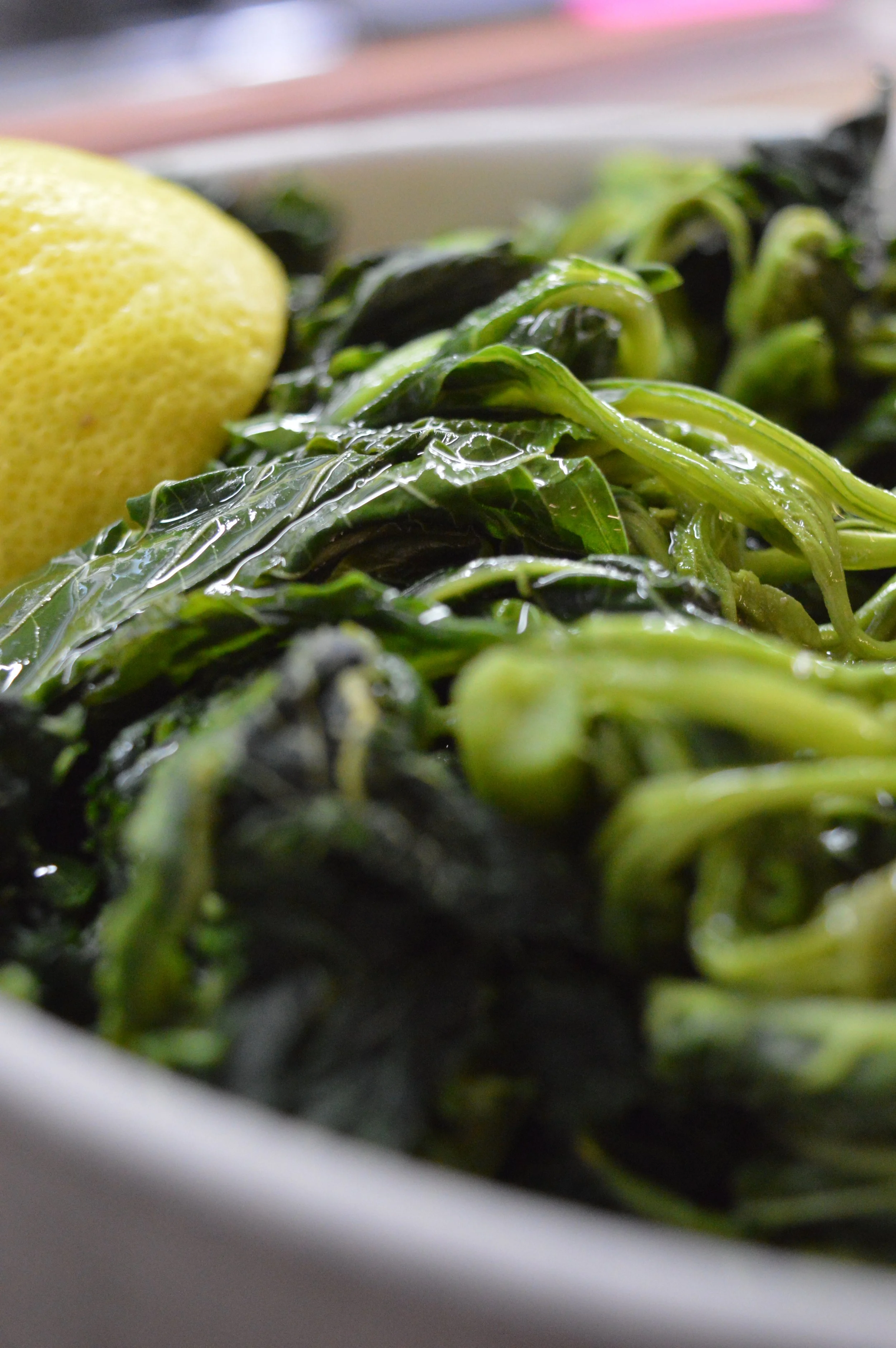
7. Stamnagathi – Wild Greens of Crete
Wild greens are an important part of traditional Cretan cooking. One of the most appreciated varieties is stamnagathi, a wild plant that grows in parts of the island, particularly in coastal and open natural areas.
It is commonly boiled and served as a salad with olive oil and lemon. It can also accompany meat or fish, or be included in more elaborate dishes.
Its slightly bitter and distinctive flavour makes it different from ordinary cultivated greens.
Stamnagathi reflects an important element of Cretan food culture: the use of seasonal plants collected from the countryside and prepared in simple ways.
Availability depends on the season and local supply, so it may not always appear on restaurant menus.
What to look for: Ask whether the taverna has fresh stamnagathi or other seasonal wild greens.
8. Boureki – A Traditional Vegetable and Cheese Bake
Boureki is a traditional dish particularly associated with the Chania region, although variations can be found elsewhere in Crete.
It is usually prepared with layers of sliced potatoes and courgettes, combined with local cheese, often mizithra, and aromatic herbs such as mint. Some recipes include a pastry covering, while others are prepared without one.
The ingredients are baked together until the vegetables become tender and the top develops a golden finish.
Boureki is a good example of traditional Cretan home cooking, where simple vegetables and local dairy products are transformed into a satisfying meal.
What to look for: A baked dish of potatoes, courgettes, local cheese and herbs.
9. Skioufichta Makarounia – Handmade Cretan Pasta
Skioufichta are traditional handmade Cretan pasta, prepared with a simple dough of flour, water and sometimes other basic ingredients.
The name is associated with the way the small pieces of dough are shaped by hand. They are rolled and pressed to create their distinctive form.
After boiling, the pasta is often served with grated local cheese, butter or olive oil. Some versions are accompanied by meat or other traditional sauces.
Skioufichta are closely connected to the island's home-cooking traditions, when pasta was prepared by hand using ingredients available in the household.
If you enjoy discovering regional pasta dishes, this is one worth ordering.
What to look for: Handmade pasta served with local cheese and a simple sauce.
10. Marathopites – Traditional Fennel Pies(west Crete mainly)
Marathopites are traditional Cretan pies filled with fennel and other aromatic greens.
The name comes from maratho, the Greek word for fennel. The filling is usually prepared with fresh fennel, olive oil and sometimes other herbs or greens, wrapped in a thin dough and cooked in a pan.
They are particularly associated with traditional village cooking and the use of wild and seasonal plants.
Marathopites are often enjoyed as a snack, starter or light meal. Their flavour is distinctive because of the aromatic character of fennel.
Recipes differ between households, so the filling and preparation may vary depending on where you try them.
What to look for: Small, thin pies filled with fennel and aromatic greens.
11. Cretan Cheeses – Graviera, Mizithra and Xynomizithra
Cheese is an essential part of Cretan cuisine. It is served at breakfast, as a starter, alongside main dishes and even as part of desserts.
Crete produces several varieties of cheese, many made from sheep's milk, goat's milk or a combination of the two.
Some of the most important varieties include:
Graviera Kritis: A well-known hard cheese with a rich flavour, often served in slices or used grated in traditional dishes. Graviera Kritis has Protected Designation of Origin status.
Mizithra: A soft, fresh cheese with a mild flavour, widely used in pies, pastries and other Cretan recipes.
Xynomizithra: A soft, slightly sour cheese that is often used in pies and other traditional dishes.
Anthotyros: A mild cheese that can be found in fresh or dried forms and is used in both savoury and sweet preparations.
Cheese is particularly interesting to explore in the mountain villages, where livestock farming and dairy production remain part of the local agricultural tradition.
What to look for: Order a selection of local cheeses as a starter, accompanied by bread, rusks, honey or olives.
12. Xerotigana – Traditional Cretan Honey Pastries
Xerotigana are traditional Cretan sweets made from thin strips of dough that are fried and shaped into rolls, spirals or other decorative forms.
After frying, they are usually covered with honey or syrup and sprinkled with sesame seeds, cinnamon or chopped nuts.
They are particularly associated with weddings, celebrations and festive occasions, although they can also be found in bakeries and traditional sweet shops.
The preparation requires care, especially when shaping the thin dough before frying. Their crisp texture and sweet honey flavour make them a popular way to finish a traditional Cretan meal.
What to look for: Crispy fried pastries served with honey, sesame and cinnamon.
Traditional Cretan Products Worth Tasting
Cretan cuisine is not only about prepared dishes. The island also produces a wide range of ingredients and local products that form the foundation of its traditional food culture.
When visiting local markets, village shops and traditional producers, look for:
Extra virgin olive oil: Olive oil is central to Cretan cooking and is used in salads, vegetables, meat dishes and many other recipes. Eastern Crete has an important olive-growing tradition, particularly around areas such as Sitia and Kritsa.
Local honey: Thyme and other aromatic honeys are popular products, often served with yoghurt, cheese and traditional sweets.
Herbs: Oregano, thyme, rosemary and dittany are among the aromatic plants associated with the Cretan landscape and cuisine.
Tsikoudia: Also known as raki, this traditional grape-based spirit is closely connected with Cretan hospitality and social gatherings. It is often offered at the end of a meal.
Local wine: Crete has a long winemaking tradition, with indigenous grape varieties and wineries across the island. Exploring local wines is another way to discover the island's agricultural heritage.
Where to Experience Traditional Cretan Food in Eastern Crete
If you are staying in Agios Nikolaos, you do not need to travel far to discover traditional Cretan cooking. The surrounding villages and coastal settlements offer many opportunities to enjoy local food.
Consider exploring:
Kritsa: A traditional village close to Agios Nikolaos, known for its cultural heritage and traditional character. It is a good place to combine a village visit with a meal.
Kroustas: A mountain village with a strong connection to traditional Cretan food and rural life. It is particularly worth considering if you are exploring the countryside around Agios Nikolaos.
Neapoli: A historic town in the Mirabello region, with traditional cafés, local shops and places to experience everyday life away from the coast.
Mochlos: A small coastal settlement where visitors can enjoy seafood and the relaxed atmosphere of a traditional fishing village.
Tzermiado and the Lasithi Plateau: A good destination for discovering mountain cooking, local agricultural products and traditional tavernas.
Sitia: The eastern part of Crete has its own distinctive food traditions and local products. Sitia is particularly known for its olive oil and is an excellent place to discover the flavours of easternmost Crete.
When choosing a restaurant, look for places that use seasonal ingredients and offer dishes prepared according to local recipes. Ask about the day's specialities rather than relying only on the standard menu.
How to Enjoy Cretan Food Like a Local
One of the best ways to enjoy Cretan cuisine is to approach a meal as a shared experience.
Instead of ordering only one main course per person, consider choosing several dishes for the table. This allows everyone to taste different recipes and discover a wider range of local flavours.
A few useful tips:
Ask which dishes are prepared fresh that day.
Try seasonal vegetables and wild greens when available.
Order local cheeses and traditional pies as starters.
Look for regional specialities rather than choosing only familiar Greek dishes.
Take your time and enjoy the meal without rushing.
Ask local people for recommendations when exploring smaller villages.
Cretan food is closely connected to hospitality. In many traditional tavernas, the meal is as much about sharing time together as it is about the dishes themselves.
Discover Cretan Food and Culture with Agios Nikolaos Travel Guide
Food is one of the most enjoyable ways to understand the history and traditions of Crete. Every recipe tells a story about the island's landscape, agriculture and the people who have preserved these culinary traditions.
From traditional village cooking to mountain specialities and fresh seafood beside the harbour, Eastern Crete offers plenty of opportunities to discover the island through its flavours.
At Agios Nikolaos Travel Guide, we encourage visitors to explore beyond the familiar tourist routes and discover the villages, traditions and local experiences that make this region special.
Explore our local tours and experiences to discover more of Eastern Crete, its traditional communities and its cultural heritage.
A visit to Crete is not complete without sitting at a local table, tasting traditional dishes and enjoying the hospitality that makes the island so memorable.
Frequently Asked Questions About Cretan Food
What is the most famous traditional food in Crete?
Dakos is probably the best-known Cretan dish. It is made with barley rusks, tomatoes, local cheese, olive oil and oregano. Other popular specialities include kalitsounia, gamopilafo, antikristo and chochlioi boubouristi.
What should I eat in Agios Nikolaos, Crete?
When visiting Agios Nikolaos, look for dakos, local cheeses, fresh seafood, traditional pies, wild greens and seasonal meat dishes. You can also explore nearby villages such as Kritsa and Kroustas for a more traditional food experience.
Is Cretan food different from other Greek cuisine?
Yes. Although it shares many ingredients and traditions with other parts of Greece, Cretan cuisine has its own regional recipes, local cheeses, traditional pies, meat preparations and strong use of olive oil, herbs and seasonal ingredients.
What is a traditional Cretan breakfast?
A traditional Cretan breakfast can include local bread or barley rusks, cheese, yoghurt, honey, olives and seasonal fruit. The exact combination varies between households and regions.
Is Cretan food suitable for vegetarians?
Many traditional Cretan dishes are vegetarian, including dakos, wild greens, vegetable pies, salads and vegetable-based casseroles. However, recipes vary, so it is always worth asking about the ingredients, particularly whether meat stock or animal products are used.
What local products should I buy in Crete?
Popular products include extra virgin olive oil, local cheeses, honey, herbs, rusks, wine and tsikoudia. Look for products from local producers and check their origin and ingredients.